
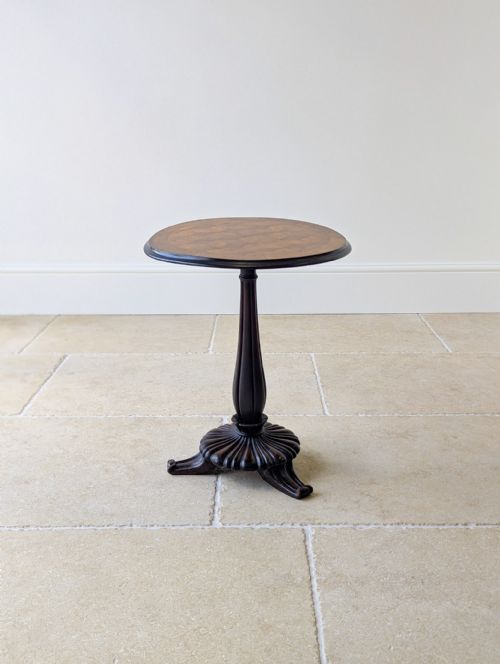
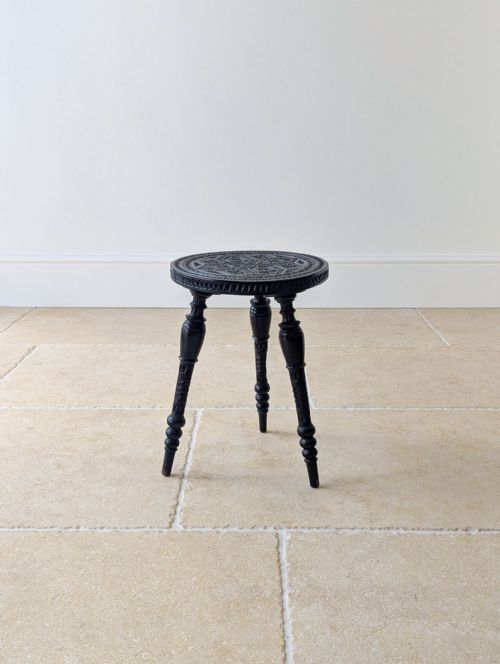
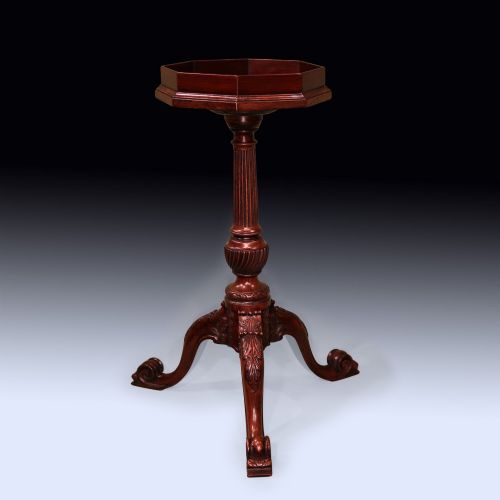
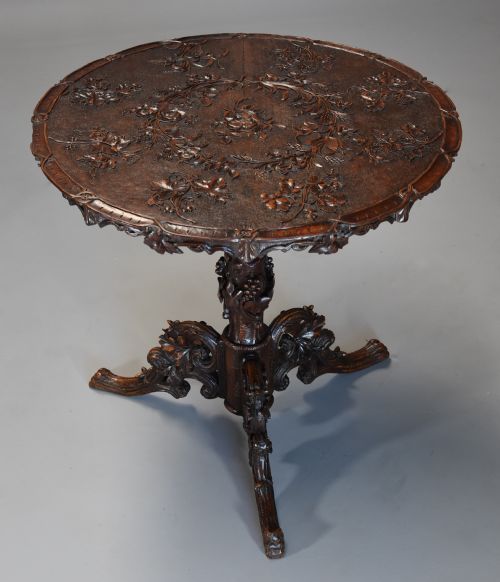
Carved Wooden Tripod Table
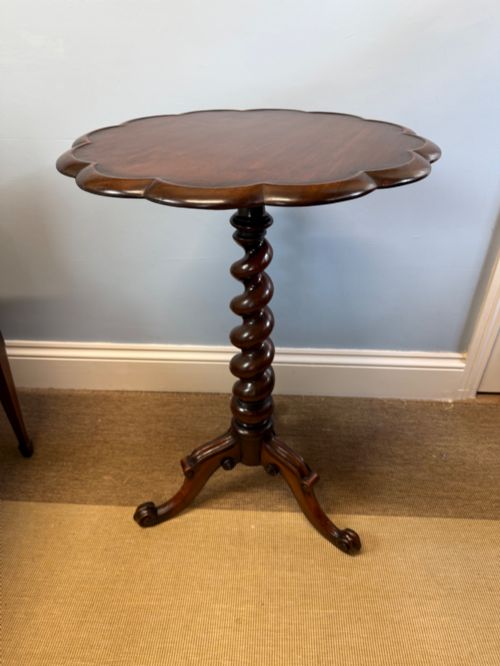
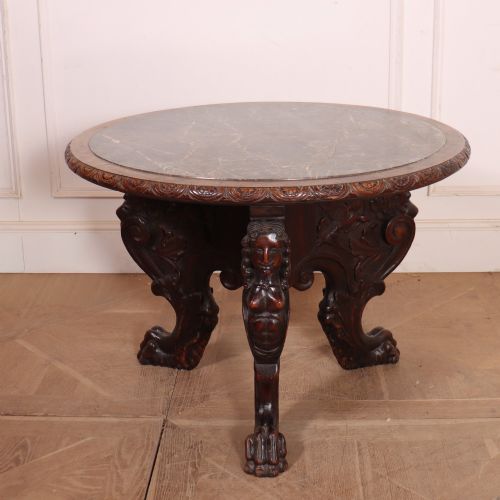
A carved wooden tripod table stands ready for a lamp or a glass, bringing centuries of turning and carving to a corner.
Carved Wooden Tripod Table
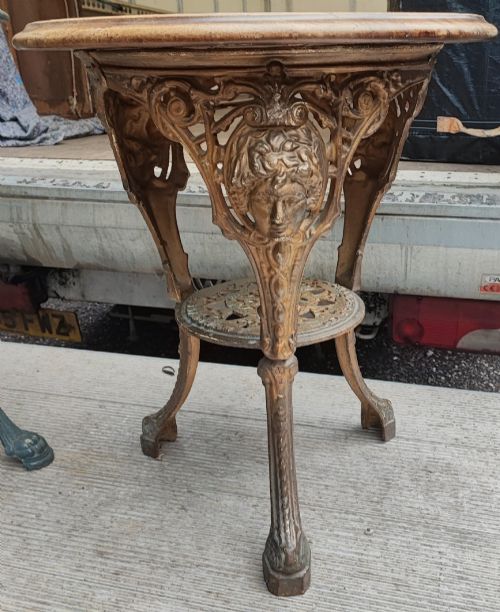
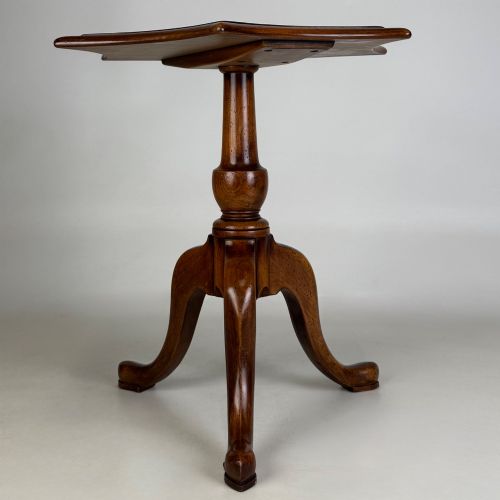
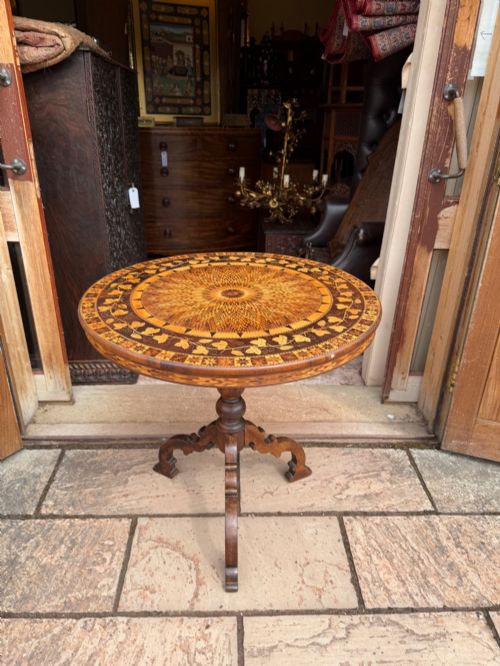
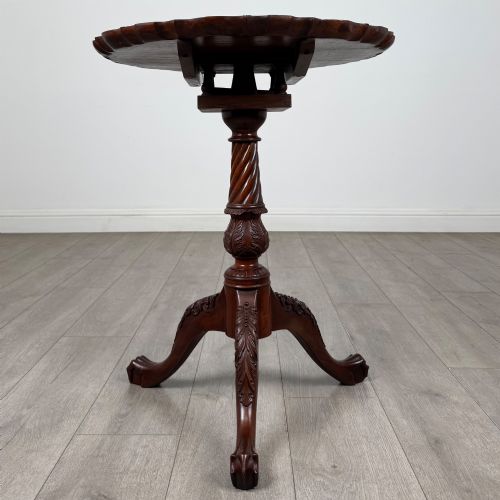
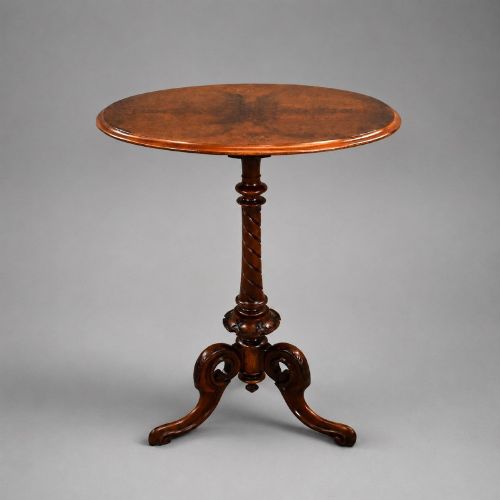
A carved wooden tripod table combines a central pillar supported by three feet with a solid or tilting top, serving as a versatile piece for domestic use. When you search for a carved wooden tripod table, you encounter formats ranging from compact wine tables to larger occasional tables designed for display or dining.
The selections span multiple eras, including the eighteenth century, the Victorian period, and Edwardian interpretations of earlier styles. Common variations include tilt-top mechanisms, birdcage supports, and deeply carved surfaces originating from British workshops, regional revival movements, and international trade.
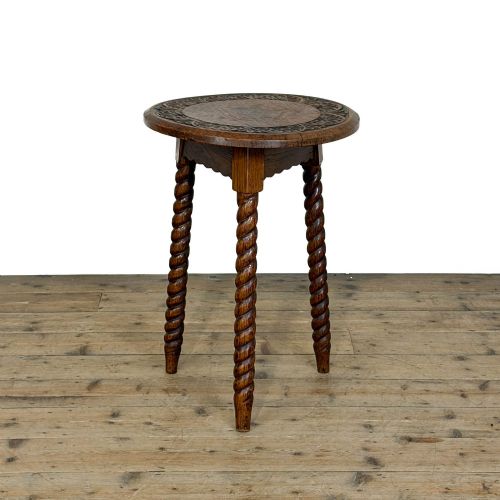
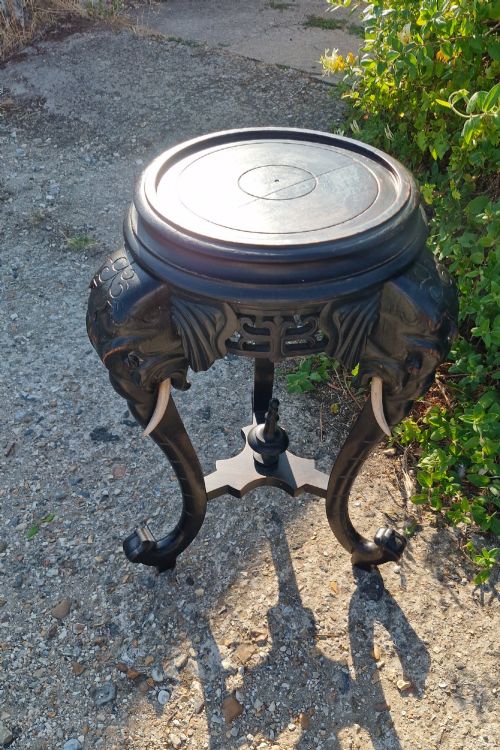
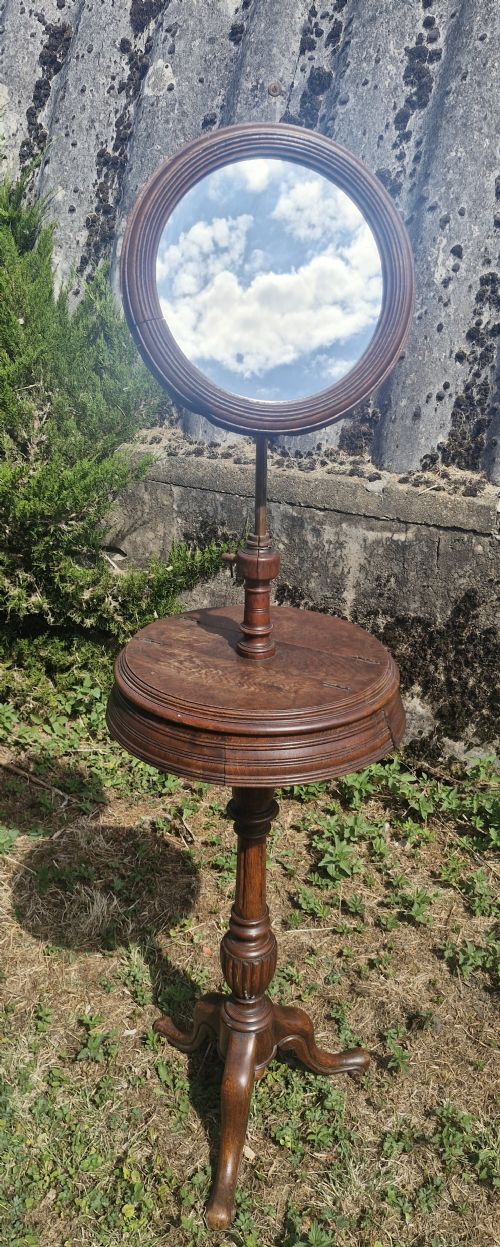
Makers utilised diverse forms such as plant stands, lamp tables, and small cricket tables alongside standard occasional surfaces. Each piece relies on the classic three-legged base to maintain stability on uneven floors while occupying minimal floor space.
Materials and construction methods
Craftsmen built these tables using dense timbers suited for intricate carving and structural stability, selecting mahogany, walnut, oak, rosewood, padouk, and linden wood. Hardwoods allowed artisans to execute fine chip-carving, barley twist pedestals, and elaborate relief work without compromising the strength of the central shaft.
Construction involved turning the central pillar on a lathe and joining three separate legs to the base using traditional housing joints or dowels. Table tops often incorporated tilt-top mechanisms and birdcage pivots, allowing the surface to fold vertically when not in use.
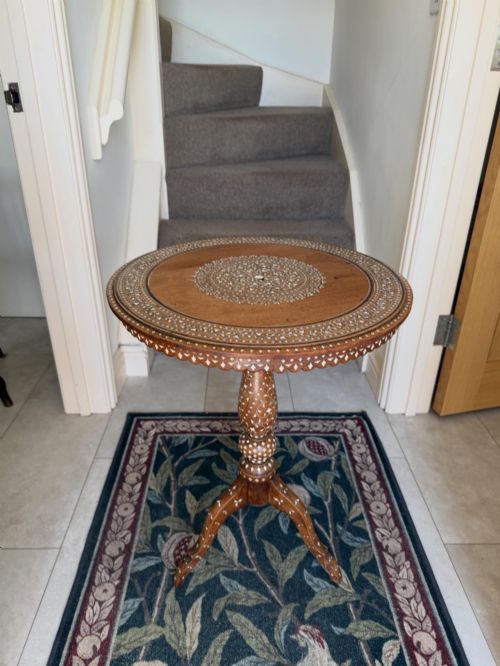
Geographic origins range from provincial English workshops to regional centres in Italy, China, and colonial India.
Distinctions in craftsmanship and design
Quality rests in the crispness of the carving and the selection of timber, where deeply undercut foliage and finely detailed figures separate standard production from superior examples. The execution of the pillar turning and the precision of the leg joints dictate the overall rigidity of the piece.
Proportion and balance define the better specimens, ensuring the three-legged base properly supports the diameter of the top without feeling top-heavy. Superior tables display thoughtful grain matching and seamless integration between the rotating mechanism and the pedestal.
The Carved Wooden Tripod Table Glossary
- Tripod base
- A furniture support comprising three legs radiating from a central pillar. This arrangement ensures the table remains stable on uneven domestic flooring.
- Tilt-top mechanism
- A hinge system allowing the table surface to rotate and lock into a vertical position. This feature enabled tables to be stored flat against a wall when not in use.
- Birdcage
- A wooden frame beneath the table top that permits the surface to both tilt and rotate. It consists of small turned columns trapped between two parallel plates.
- Padouk
- A heavy tropical hardwood valued for its durability and rich colour. It appears frequently in colonial furniture carved in regions such as Burma and India.
- Chip-carving
- A decorative technique where small chips are removed from the surface of the wood to create geometric or floral patterns. This method relies on precise knife work rather than deep relief modelling.
Carved Wooden Tripod Table: Frequently Asked Questions
What was a tripod table used for?
These tables served flexible domestic roles, functioning as moveable surfaces for tea, candles, or books near seating areas. Their light weight allowed occupants to carry them easily around a room as needed throughout the day.
Larger versions held lamps or decorative items, while tilt-top variants saved space by resting flat against walls when rooms required clear floor space.
How do I identify an eighteenth century table?
Eighteenth century examples often display restrained classical proportions, premium mahogany timbers, and sophisticated tilt-top mechanisms with birdcage joints. The carving tends to follow prevailing architectural motifs such as acanthus leaves or ball-and-claw feet.
Later Victorian and Edwardian interpretations frequently exhibit heavier proportions, revivals of earlier styles, or deep regional carving influenced by Anglo-Indian and continental workshops.
How do I care for a wooden pedestal table?
Protect the polished wood surfaces by keeping tables away from direct heat sources and strong sunlight, which can dry out timber and fade natural finishes. Dust regularly with a soft, dry cloth and avoid silicone-based sprays that build up residue over time.
Check the stability of the three legs periodically to ensure the central joint remains secure, tightening any internal fastenings carefully if movement occurs.