






Victorian Earthenware Basin
These robust pieces of domestic utility offer a tangible connection to nineteenth-century life when you search for a victorian earthenware basin.
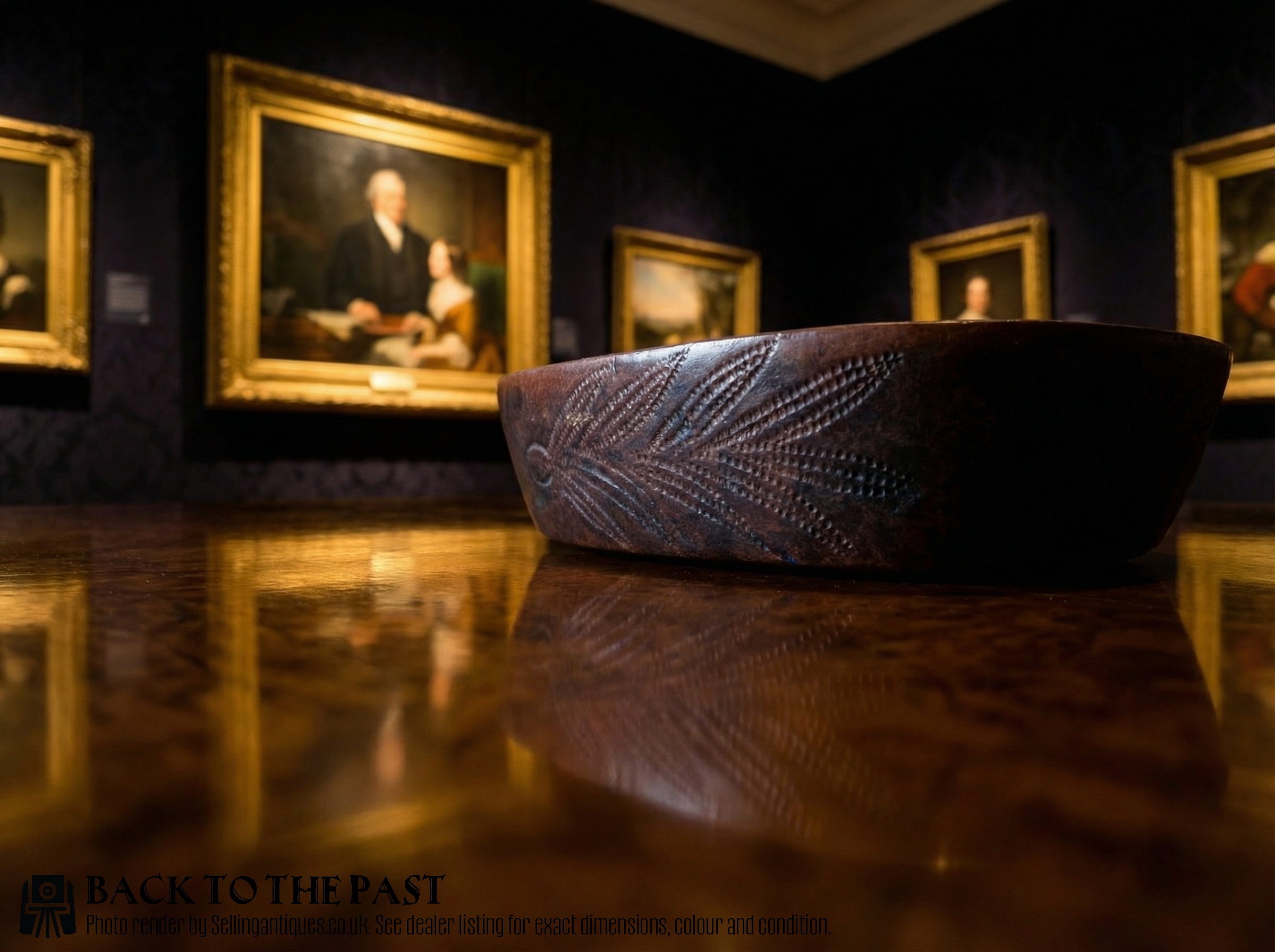
Victorian Earthenware Basin
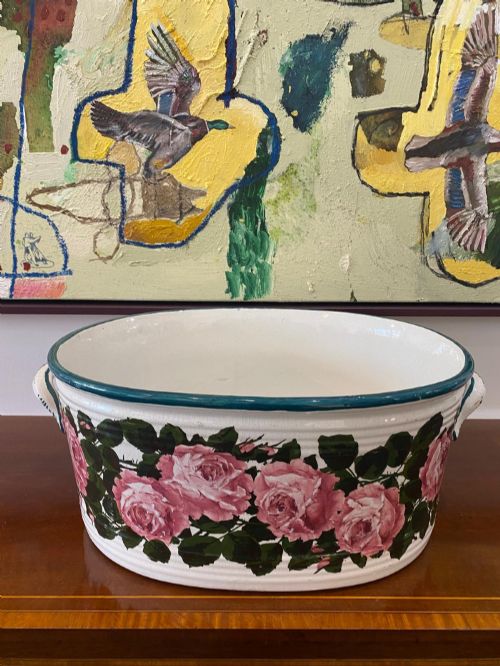
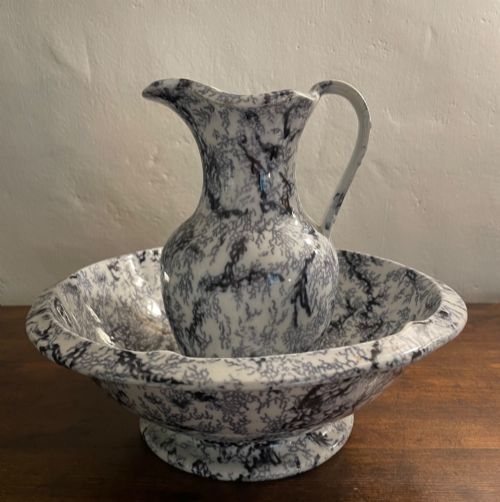
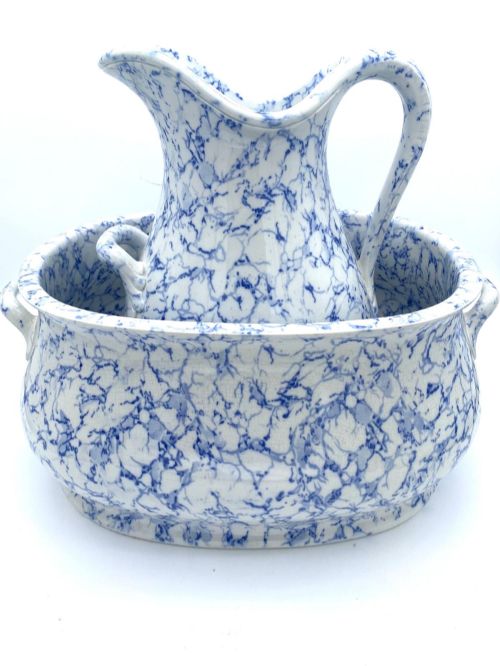
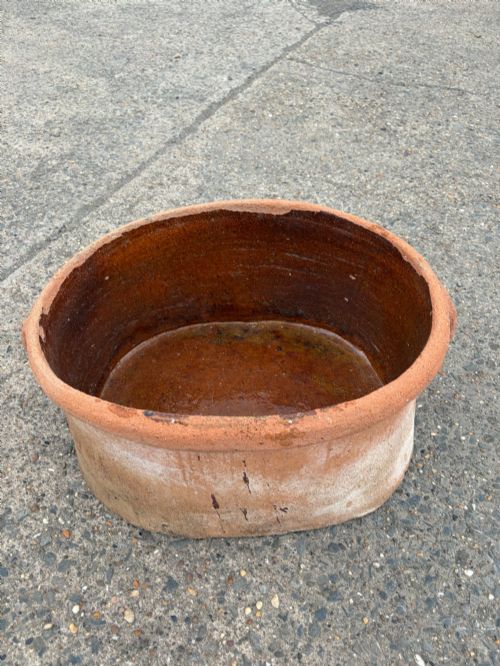
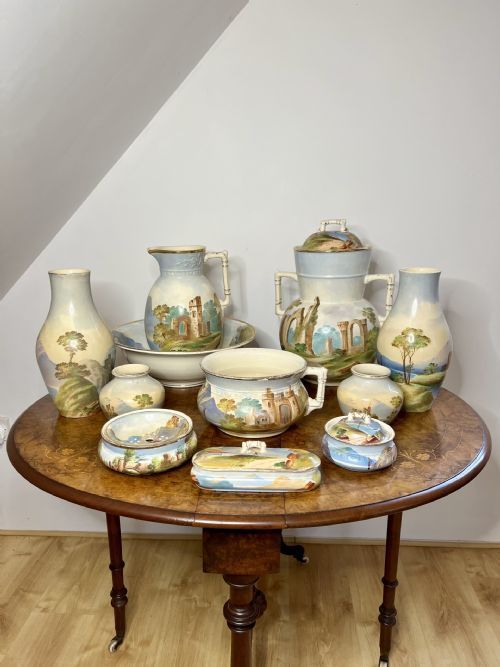
A victorian earthenware basin encompasses various functional vessels, most commonly large footbaths, dairy bowls, and toilet basins designed for daily household use. You will frequently encounter substantial footbaths and wash set bowls originating from the nineteenth century, often decorated with flow blue patterns or traditional glazes.
Makers produced these utilitarian objects in diverse regional potteries, ranging from Scottish dairies to Staffordshire factories. The selection spans standard domestic ware to decorative toilet basins intended for washstands in period bedrooms.
How they were made
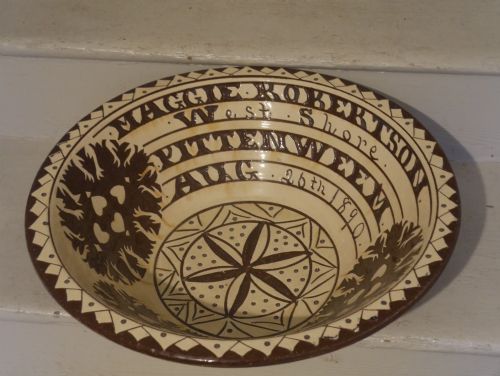
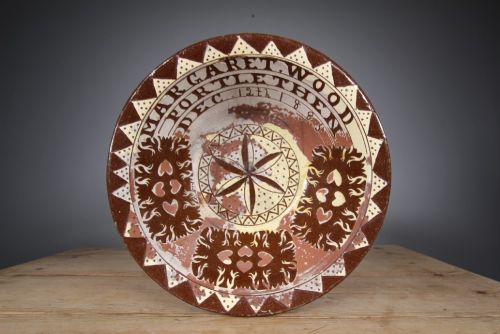
Potters shaped earthenware, terracotta, and ceramic bodies on wheels or in moulds before applying traditional glazes and slip decoration. Many examples incorporate specialised surface treatments such as slip glaze or flow blue transfers to achieve their characteristic appearance.
Durability was central to their production, resulting in thick-walled vessels designed to withstand heavy use in dairies, kitchens, and bathrooms. Firing techniques varied according to the pottery, producing both porous terracotta bodies and fully vitrified glazed surfaces.
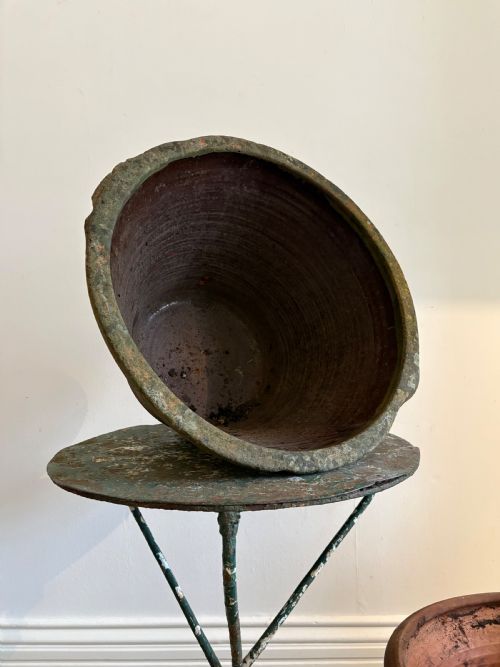
Dairy bowls often bear the quiet scars of nineteenth-century cream-skimming ladles tapping against their rims.
What varies in quality
The distinction between standard utility ware and finer pieces rests on the crispness of the transfer print, the depth of the glaze, and the sophistication of the form. Elaborate patterns such as the Italian Marble design or transfer-printed scenes indicate a higher tier of production than plain utilitarian bowls.
Maker attribution and scale also influence the standing of a piece, with works from established potteries commanding greater recognition. Condition and the preservation of original glazed surfaces remain central to how these items are judged.
Wemyss·Seaton Pottery·Minton·Mann & Co·Mark Jones & Sons·Spode·Copeland
The Victorian Earthenware Basin Glossary
- Earthenware
- Porous pottery fired at relatively low temperatures, requiring a glaze to render it waterproof. It forms the base material for the majority of nineteenth-century domestic basins and footbaths.
- Flow blue
- A nineteenth-century printing technique where cobalt oxide blurred during firing to create a soft, atmospheric effect. This style appears frequently on Staffordshire footbaths and wash jugs.
- Slip glaze
- Liquid clay applied to the surface of pottery before firing to add colour and a smooth finish. It is commonly found on dairy bowls and utilitarian country pottery.
- Terracotta
- Unglazed or partially glazed fired brownish-red clay used for robust vessels like dairy bowls and salters. This material prioritised functional strength over decorative refinement.
- Spongeware
- Pottery decorated by dabbing pigment onto the ceramic body with a sponge, creating a mottled pattern. This technique produced casual, rustic designs for domestic use.
Victorian Earthenware Basin: Frequently Asked Questions
What was a Victorian earthenware basin used for?
These basins served practical daily roles in Victorian households, including personal washing, laundry, and dairy work. Large footbaths accommodated bathing in an era before plumbed bathrooms became standard.
Smaller basins formed part of wash sets placed on bedroom washstands alongside matching water jugs. Dairy bowls were utilised specifically for setting milk and separating cream in agricultural settings.
How do I care for an antique basin?
Wash these ceramic pieces gently by hand using warm water and mild soap, avoiding harsh abrasives that could damage aged glazes. Due to the porous nature of nineteenth-century earthenware, they are best kept away from standing water for extended periods.
Display them on stable surfaces away from high-traffic areas where they might suffer accidental impacts. Treat them primarily as decorative objects rather than active utility items.
How can I tell the period?
Dating relies on stylistic markers, potter's marks stamped into the ceramic base, and manufacturing techniques like flow blue transfer printing. Mid-nineteenth-century examples often feature heavy earthenware bodies and distinct transfer patterns.
Later Victorian and Edwardian pieces frequently display refined wash set configurations and different glaze chemistries. Comparing the form against documented pottery catalogues helps narrow down the decade of production.
Were these basins made for kitchens or bedrooms?
Their placement depended entirely on the specific form, with footbaths and dairy bowls serving utility rooms, dairies, and kitchens. Lighter wash basins and jugs were manufactured specifically for bedroom washstands.
Heavier terracotta and stoneware vessels remained downstairs for food preparation and agricultural tasks. Finer transfer-printed sets stayed upstairs as part of personal hygiene routines.