




Victorian Wash Hand Basin
These Victorian wash hand basin examples are practical earthenware and ceramic fixtures that bring period character to a washroom or bedroom.
Victorian Wash Hand Basin
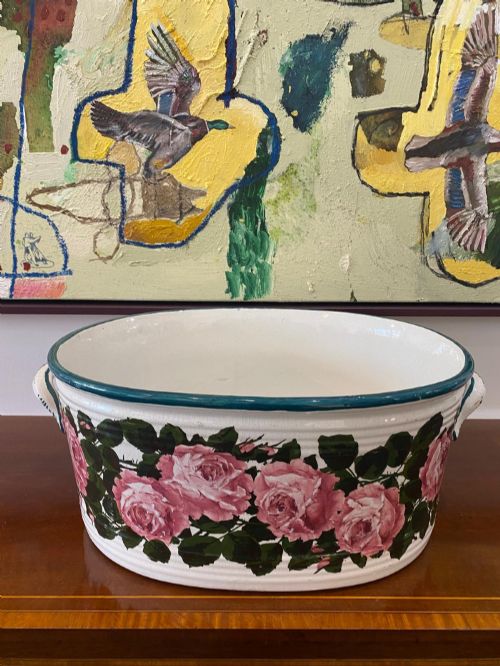
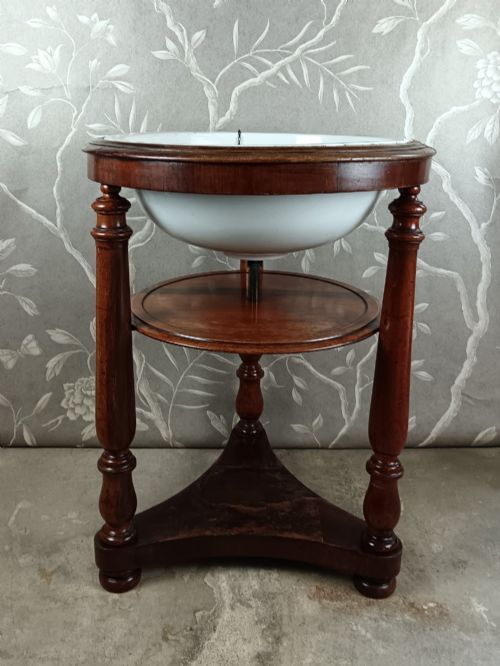
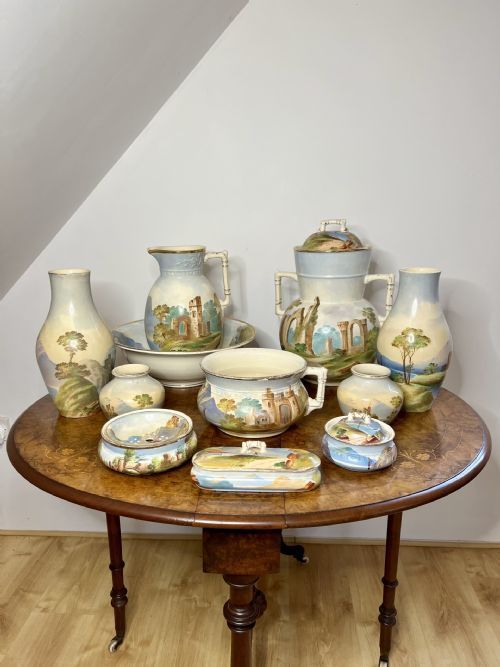
When you search for a victorian wash hand basin, you encounter sturdy ceramic, earthenware and copper vessels designed for daily ablutions before indoor plumbing became universal in every bedchamber. The examples on this page span the nineteenth century, including washstands, wash sets, toilet basins and footbaths originating from country potteries and campaign makers.
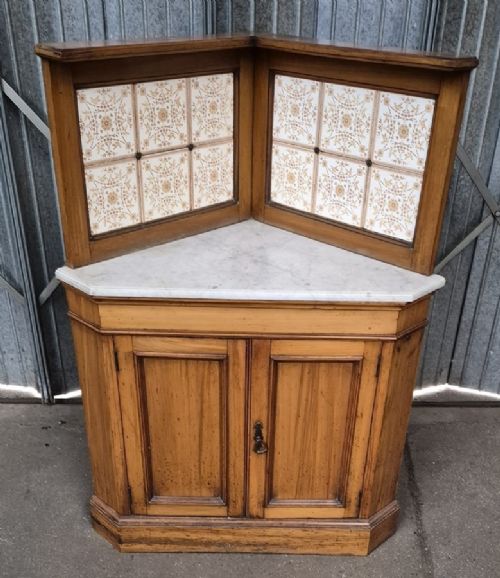
You are most likely to meet ceramic basins adorned with traditional patterns, alongside marble-topped corner washstands in walnut and mahogany designed to fit period rooms. These pieces reflect the utilitarian and decorative standards of the Victorian era, combining ceramic resilience with domestic utility.
How they were made
Potters shaped earthenware and ceramic bodies by hand or on wheels before applying specialised glazes and painted patterns such as the Gaudy Welsh styles. Metals like copper and brass were beaten or joined for vessels requiring greater thermal resilience, while furniture frames utilised walnut and mahogany.
Glazing protected the porous ceramic materials from constant exposure to water, ensuring longevity in domestic use. Cabinetmakers integrated timber with marble tops to create durable washstands capable of supporting heavy basins and ewers.
Copper pans once set cream for the dairy, now they hold umbrellas.
What varies in quality
The distinction between standard domestic ware and finer pieces rests on the crispness of the transfer printing, the richness of the glaze, and the selection of cabinet timbers like walnut rather than softer woods. Master potteries produced ceramics with balanced proportions and detailed decorative motifs that remain distinct from utilitarian kitchen vessels.
Hardware and secondary materials also signal quality, seen in heavy copper construction, solid brass fittings, and intact marble surfaces on washstands. Pieces bearing identifiable maker stamps or specific named patterns generally exhibit superior finishing.
Mann & Co·Walker & Sons
The Victorian Wash Hand Basin Glossary
- Earthenware
- Porous pottery fired at lower temperatures, commonly used for domestic basins and toilet ware before being sealed with glaze.
- Gaudy Welsh
- A distinctive style of brightly coloured pottery decoration popular in the nineteenth century, often featuring cobalt blue, copper lustre and red highlights.
- Washstand
- A piece of furniture designed to hold a basin, jug and related washing equipment in a bedroom or dressing room.
- Spongeware
- Pottery decorated by applying pigment with a sponge or fabric pad, creating a mottled or speckled surface pattern.
- Campaign
- Portable furniture or equipment designed to pack down easily for travel, often featuring brass corners and durable hardwoods.
Victorian Wash Hand Basin: Frequently Asked Questions
How were they used?
These basins and sets were placed on washstands or tables in bedrooms to hold water for washing hands and face before bathrooms became common.
Servants filled the matching jugs from larger vessels, and the used water was emptied into slop pails kept below.
How do I clean one?
Wash ceramic pieces gently using warm water and mild soap to protect the historic glaze and any hand-painted patterns from abrasion.
Avoid harsh chemical cleaners and abrasive scouring pads which can permanently dull the nineteenth-century surface.
Can I use them today?
Many ceramic basins and copper bowls function well as decorative flower planters, fruit bowls or display pieces in modern homes.
Plumbing them directly into contemporary bathroom counters requires careful consideration of their shallow depths and lack of modern drainage holes.
How do I date them?
Examine the base of ceramic pieces for impressed maker marks, pottery stamps or pattern names that correspond to known factory production periods.
Furniture styles, dovetail construction joints and the presence of marble or specific hardwoods also help narrow down the decade of manufacture.