




19th Century Welsh Ceramic
These nineteenth century welsh ceramic pieces bring vibrant painted patterns and rich earthenware forms to any interior.
19th Century Welsh Ceramic
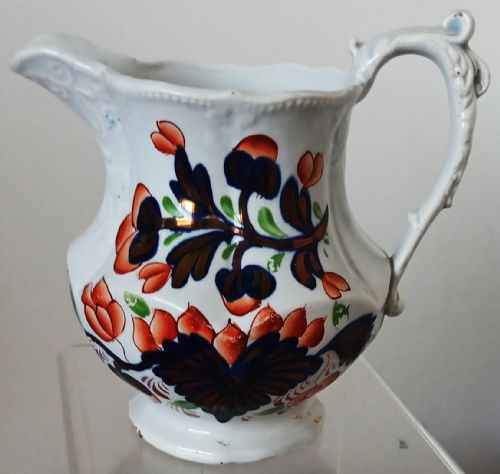
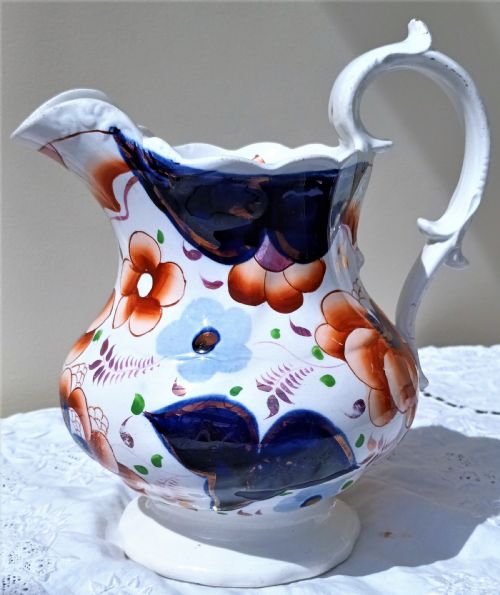
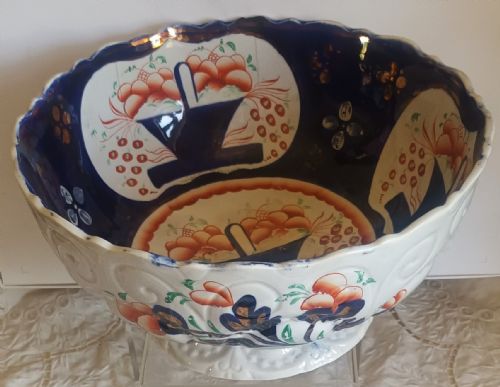
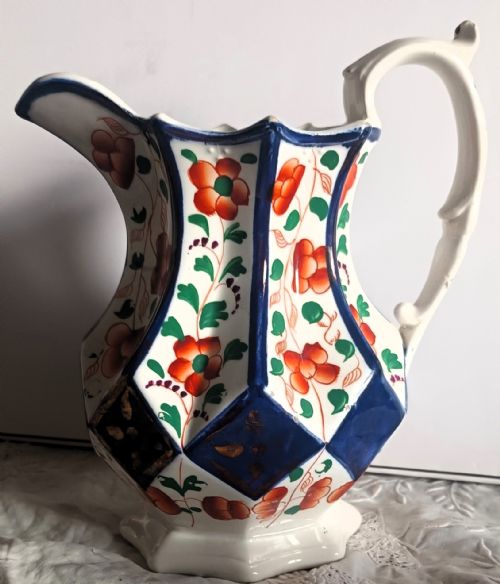
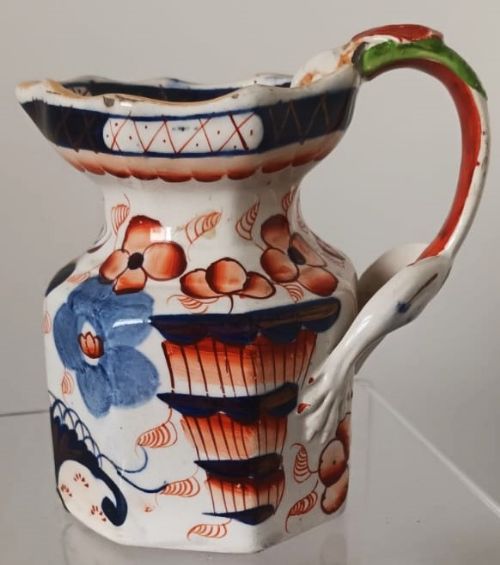
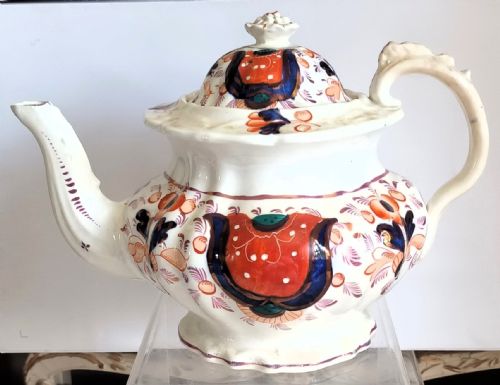
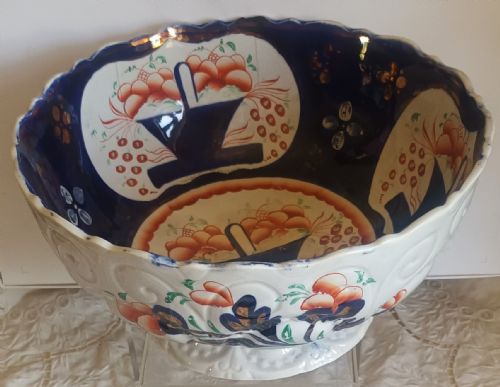
When you search for 19th century welsh ceramic, you encounter a selection spanning the Victorian and Georgian periods, alongside Regency examples. The pieces on this page are predominantly jugs and pitchers, alongside decorative bowls, tobacco jars, teapots, basins, and commemorative or display plates.
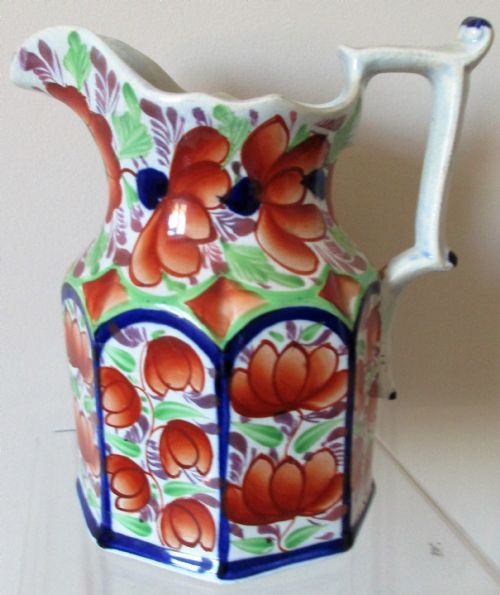
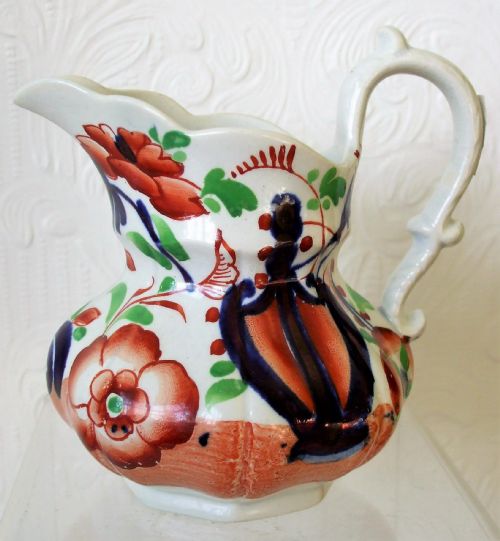
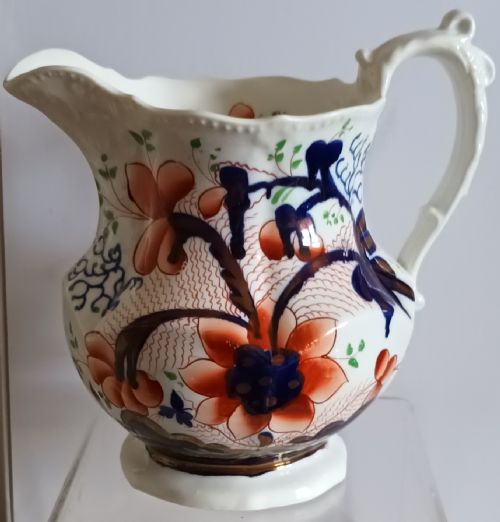
The most common form met here is the Gaudy Welsh pottery jug, decorated with named patterns such as Bethesda, Grape, Drape, Basket of Flowers, Harlech, Oriental Coloured Hexagon, Gwent, Pagoda, Celyn, and Aberaeron. Alongside these earthenware vessels, porcelain comports and plates reflect fine floral and Chinoiserie mandarin motifs.
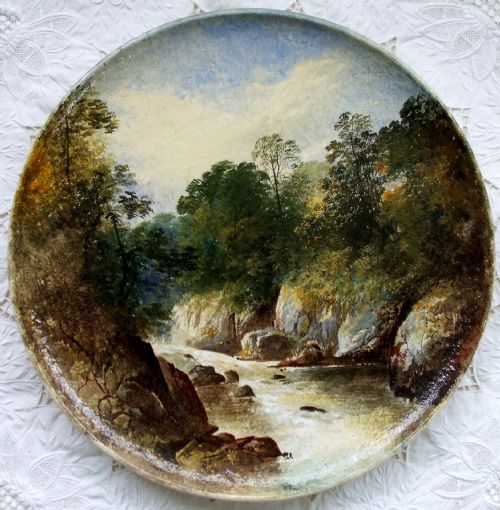
The material and origin range from earthenware and ironstone to pearlware and porcelain. Makers and decorators include named porcelain from Swansea and Nantgarw, alongside Copeland pottery plaques depicting Welsh landscapes.
What varies in quality
Quality rests in the crispness of the hand-painted enamel application and the clarity of copper lustre details on patterns such as Pagoda or Basket of Flowers. Stronger, more vibrant pigments distinguish superior pieces from softer applications.
The refinement of the underlying ceramic body also marks differences across the range. Fine porcelain plates from Nantgarw and Swansea exhibit greater delicacy than utilitarian earthenware jugs and heavy ironstone tobacco jars.
Object forms span jugs, pitchers, decorative bowls, tobacco jars, teapots, basins, comports, and painted plaques.
Copeland Pottery·Swansea Porcelain·Nantgarw Porcelain·William Yale
The 19th Century Welsh Ceramic Glossary
- Gaudy Welsh
- A type of brightly coloured pottery decorated with rich cobalt blue, copper lustre, and iron-red enamels, typically produced in the nineteenth century for everyday use.
- Pearlware
- A refined earthenware developed in the late eighteenth century with a bluish-white glaze that pooled in recesses, serving as a precursor to nineteenth century whitewares.
- Ironstone
- A heavy, durable ceramic patented in the nineteenth century that bridged the gap between fine porcelain and ordinary earthenware.
- Comport
- A shallow decorative bowl raised on a pedestal, used for serving fruit or sweetmeats on formal dining tables.
- Chinoiserie
- European artistic interpretations of Chinese and East Asian decorative styles, frequently seen on early nineteenth century porcelain plates and teapots.
19th Century Welsh Ceramic: Frequently Asked Questions
What is Gaudy Welsh pottery?
Gaudy Welsh pottery consists of earthenware and ironstone vessels decorated with vibrant hand-painted enamels and copper lustre.
These pieces were produced primarily for domestic use in the nineteenth century and are recognised by patterns named after Welsh towns and motifs.
How do I identify Swansea porcelain?
Swansea porcelain pieces from the early nineteenth century often feature Chinoiserie Mandarin patterns or delicate botanical painting.
They reflect the refined output of Welsh kilns operating during the Regency period.
Were these jugs used daily?
Jugs, pitchers, and basins served practical household functions for pouring liquids and washing.
Over time, many of these utilitarian earthenware pieces transitioned into decorative display items.
What is pearlware?
Pearlware is a refined pottery body covered with a clear glaze containing a small amount of cobalt oxide.
This gives the glaze a faint bluish tinge, particularly noticeable where it pools around handles and bases.