
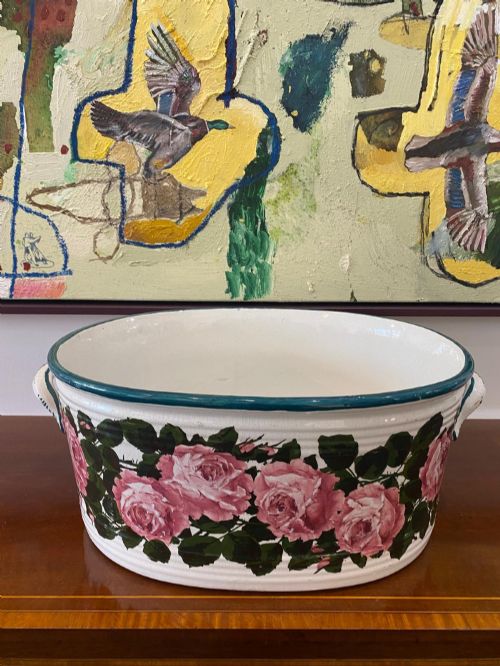

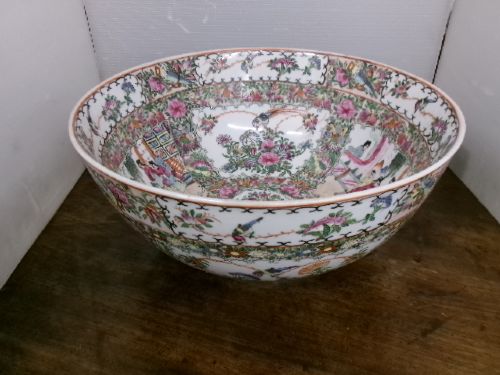



Hand Painted Floral Basin
A hand painted floral basin brings centuries of botanical artistry into a room, offering both decorative presence and historical charm.
Hand Painted Floral Basin
When you examine a hand painted floral basin, you encounter a diverse range of forms spanning the eighteenth, nineteenth, and early twentieth centuries. These vessels include large footbaths, punch bowls, jardiniere planters, and delicate sugar boxes originating from British, Chinese, and Japanese traditions.
The pieces you are most likely to meet on this page range from nineteenth-century Japanese Imari and Satsuma porcelain to Victorian earthenware and eighteenth-century continental punch bowls. Each example carries floral motifs applied by hand across centuries of ceramic production.
Makers recorded in these listings include Wemyss, Mann and Co, Ryuzan, Nikko, and Ridgway, alongside Flight period Worcester and Samson pieces. This variety reflects global trade and domestic studio pottery traditions intersecting through painted floral design.
What varies in quality
The execution of the brushwork and the complexity of the floral compositions largely define the character of each piece. Finer examples display meticulous control in hand-painted details, whereas simpler utilitarian items rely on bolder, more rustic application.
The sophistication of the glaze and the integration of secondary materials such as gold leaf or gilt detailing elevate certain vessels above standard production pieces. Rarity of form, such as lobbed rectangular shapes or specialised footbaths, also distinguishes different tiers of craftsmanship.
Several bowls feature painted pheasants alongside flora, giving the floral arrangements winged company.
Wemyss·Mann and Co·Ryuzan·Nikko·Ridgway·Samson
The Hand Painted Floral Basin Glossary
- Imari
- A style of Japanese porcelain featuring a distinctive palette of underglaze blue, iron red, and gold. This decorative tradition heavily influenced European ceramic production during the eighteenth and nineteenth centuries.
- Sucrier
- A small covered bowl designed specifically for holding table sugar. These vessels frequently matched larger tea services and often featured delicate hand-painted floral decoration.
- Jardiniere
- A large ornamental pot or stand intended to hold plants or flowers. These sturdy vessels were typically placed on floors or heavy furniture in nineteenth-century interiors.
- Satsuma
- A type of Japanese earthenware characterised by a pale, ivory-coloured cracked glaze decorated with polychrome enamels and gilt. It gained widespread popularity during the Meiji period.
- Punch bowl
- A large, deep vessel historically used for mixing and serving communal drinks at gatherings. Eighteenth-century examples often featured wide diameters and substantial potting to handle heavy social use.
Hand Painted Floral Basin: Frequently Asked Questions
What is a hand painted floral basin used for?
Historically, these basins served various practical and decorative roles, ranging from washing and food service to housing large plants as jardinieres. Punch bowls held communal drinks, while sugar boxes contained dry goods for the tea table.
Today, collectors primarily utilise these vessels as decorative centerpieces, display bowls, or planters within domestic interiors.
How do I identify a Meiji period piece?
Meiji period ceramics typically date from the late nineteenth or early twentieth century and frequently showcase Japanese aesthetic traditions such as Satsuma earthenware or Imari porcelain. Look for intricate hand-painted floral motifs combined with gilt accents.
Signatures, artist marks, or specific kiln stamps like the Shimazu crest often accompany these pieces to help confirm their era of production.
What is the difference between porcelain and earthenware basins?
Porcelain pieces are fired at higher temperatures, resulting in a dense, vitrified body that is often semi-translucent and refined in weight. Earthenware basins, such as Victorian country pottery or spongeware, possess a more porous and heavier ceramic body.
Glazes and surface decorations also differ, with porcelain supporting delicate overglaze enamels and earthenware often featuring bolder, absorbed colour pigments.
How should I display a large antique bowl?
Large basins and footbaths require stable surfaces due to their substantial diameter and weight, making low tables, sideboards, or dedicated stands ideal locations. Ensure the vessel is positioned away from high-traffic edges to protect the hand-painted exterior.
Lighting that catches the gilt or enamel details can enhance the visual depth of the floral patterns within the room.