



Victorian Doulton Lambeth
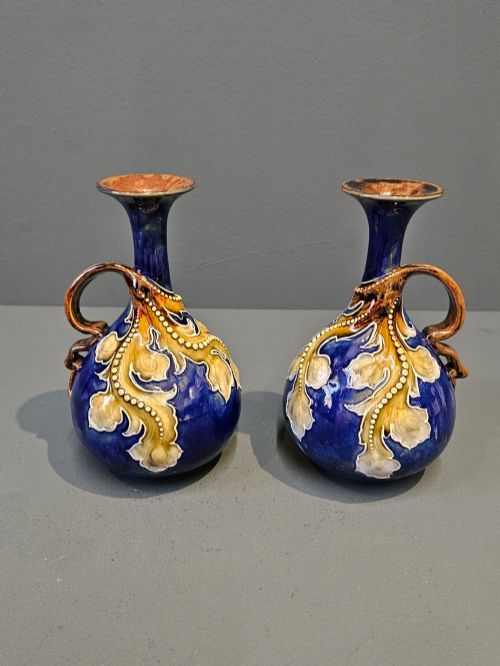
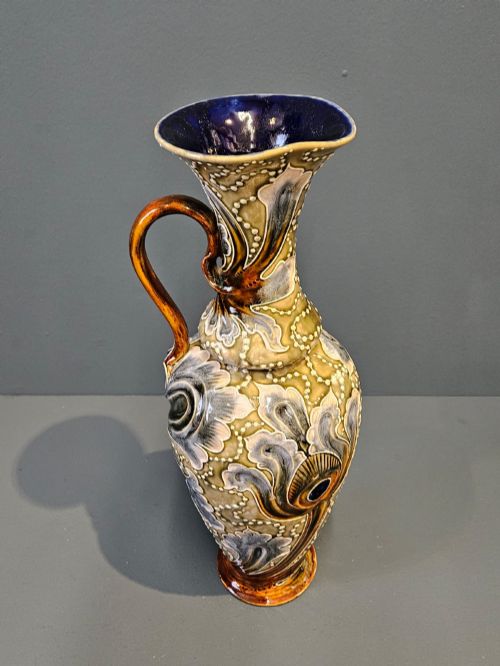
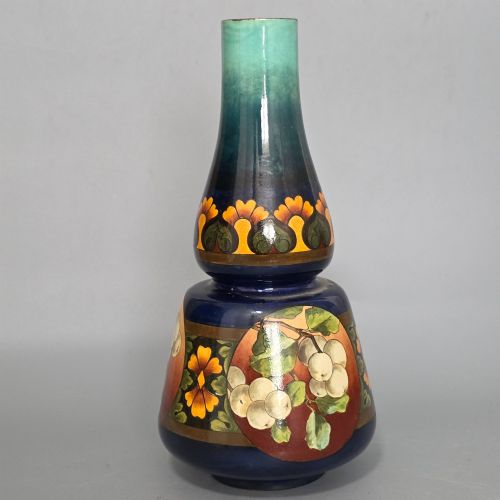
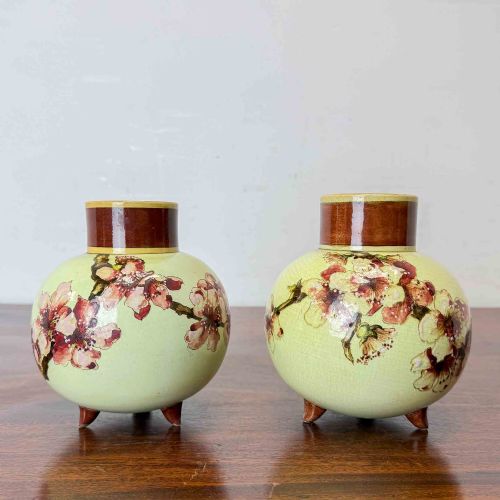
These pieces of victorian doulton lambeth bring together salt glaze stoneware and hand-painted faience from late nineteenth-century workshops.
Victorian Doulton Lambeth
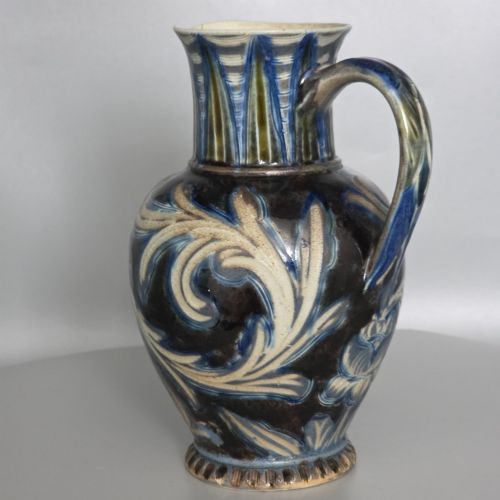
When someone searches for victorian doulton lambeth, they are looking at utilitarian and decorative ceramic vessels produced in London during the nineteenth century. The most common forms met on this page are jugs, vases, and jardinieres originating from the period spanning the eighteen-seventies to nineteen-hundred.
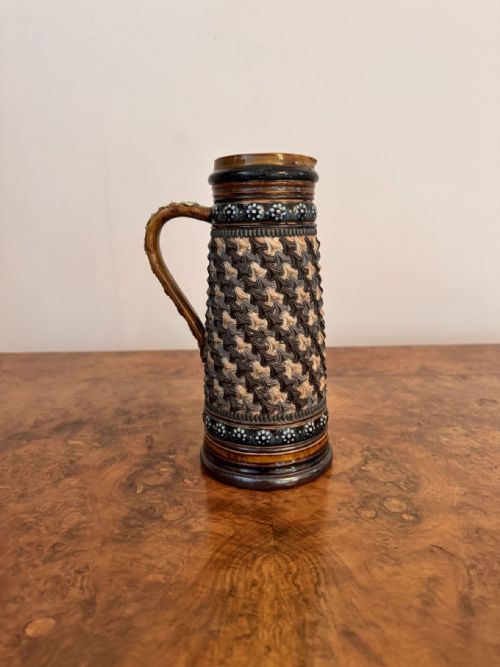
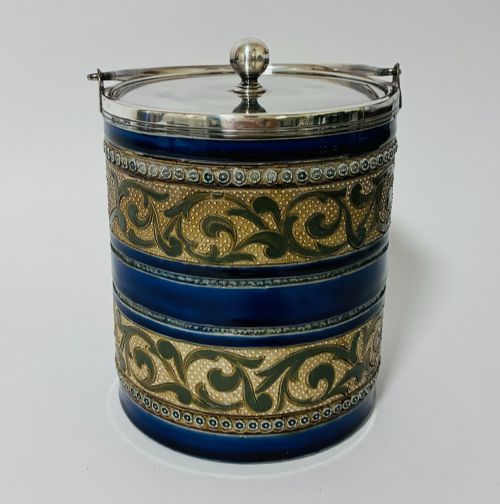
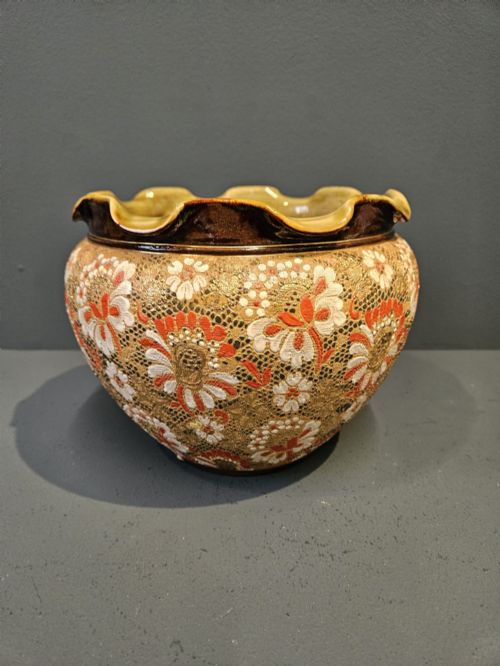
These items range from heavy harvest jugs mounted with silver rims to delicate art pottery vases painted by named studio artists. Domestic forms like biscuit barrels, jam pots, and tobacco jars also appear alongside large exhibition jardinieres.
The aesthetic expressions stretch from traditional salt glaze saltcellars and tygs to elaborate Art Nouveau and Aesthetic Movement designs. Many examples show the distinctive collaboration between factory throwers and individual decorators whose monograms are stamped into the base.
How they were made
The makers utilised durable stoneware and earthenware bodies, frequently applying salt glaze techniques to achieve characteristic pitted textures on jugs and vases. Intricate surface patterns were produced through incising, slatering, and applied beadwork before firing.
Faience and silicon ware pieces received hand-painted enamel decoration under or over the glaze, executed by studio artists who signed their work on the underside. Metal mounts in silver plate and sterling silver were frequently added to the rims of harvest jugs and beakers by specialist silversmiths.
Listings feature stonewares, faience, and salt glaze pieces spanning the nineteenth and early twentieth centuries.
What varies in quality
The standard of a piece depends heavily on the complexity of the hand decoration and the identity of the specific artist involved. Items bearing signatures from recognised studio decorators command greater attention than standard factory-decorated production ware.
Execution of the incised ornament and the crispness of the salt glaze finish separate ordinary utilitarian vessels from exhibition-grade pieces. The inclusion of hallmarked silver rims or matching bases also elevates the overall standing of an individual jug or vase.
Alice Euphemia Thatcher·Florence E Barlow·Eliza Simmance·Emma Shute·Frank Butler·Emily Edwards·Emily Stormer
The Victorian Doulton Lambeth Glossary
- Salt glaze
- A ceramic finish achieved by throwing common salt into the kiln during high-temperature firing, creating a texture similar to orange peel. This technique defines traditional utility jugs and harvest vessels.
- Faience
- Earthenware decorated with opaque coloured enamels over an unfired glaze before a single kiln firing. This method allowed artists to paint detailed floral and landscape scenes directly onto vases.
- Tyg
- A large drinking vessel featuring multiple handles designed for communal passing around a table. These pieces often display detailed incised stonework from the late nineteenth century.
- Silicon ware
- A specialised body type developed by the pottery featuring unglazed textured surfaces contrasting with polished metallic or coloured details. This technique produced matte finishes popular in the eighteen-eighties.
- Slater's patent
- A decorative method utilising lace or woven fabric pressed into the wet clay body to create intricate textured patterns. This textural background was frequently combined with raised floral gilding.
Victorian Doulton Lambeth: Frequently Asked Questions
How do I clean my stoneware safely?
Wash stoneware gently using warm water and mild soap with a soft sponge, avoiding harsh scouring pads that might scratch the glaze.
Dry thoroughly with a lint-free cloth, taking extra care around any applied silver rims or metal mounts to prevent moisture retention.
Can I use these vases for fresh flowers?
Many of these vessels were designed as decorative items rather than watertight containers for daily floral arrangements.
Use a small glass insert inside older earthenware or faience pieces to protect the interior historic fabric from water damage.
How do I identify the studio artist?
Look closely at the underside of the base for incised monograms, initials, or stamped factory ciphers left by the decorator.
Many individual artists used distinct personal signatures that can be matched against nineteenth-century pottery documentation and factory records.
Where were these ceramics manufactured?
Production took place primarily at the Lambeth pottery works situated alongside the River Thames in south London.
This specific location provided access to skilled local modellers and proximity to the growing metropolitan market for decorative art pottery.