
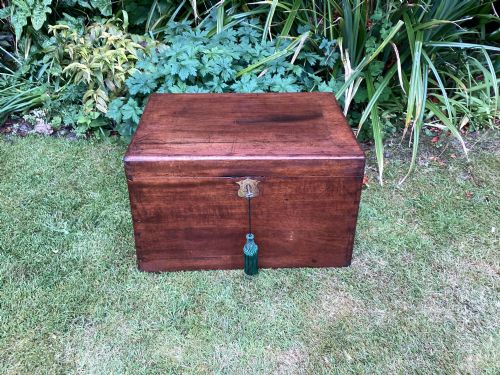
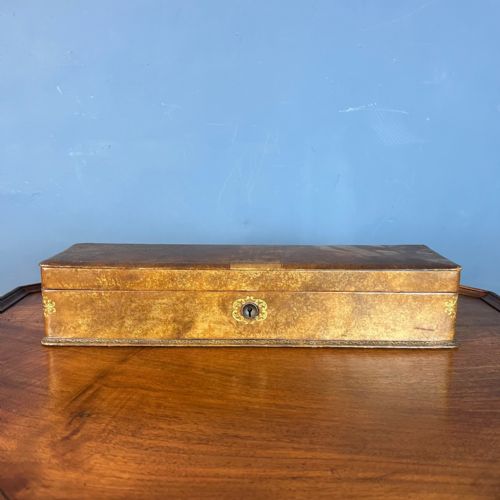


Victorian Document Chest
A Victorian document chest is a sturdy portable container designed to safeguard paperwork, and you want one for its robust build and period character.
Victorian Document Chest
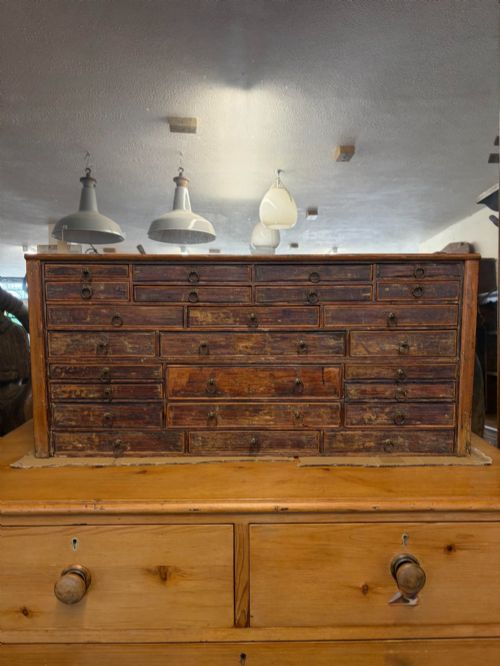
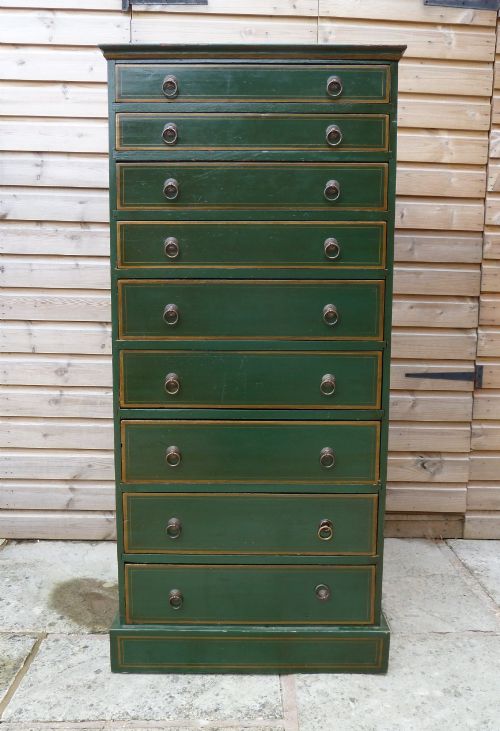
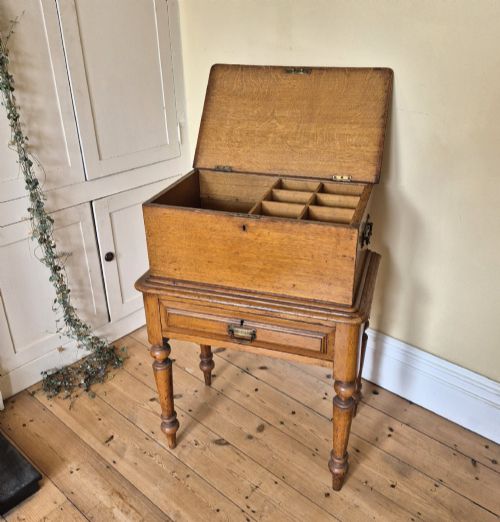
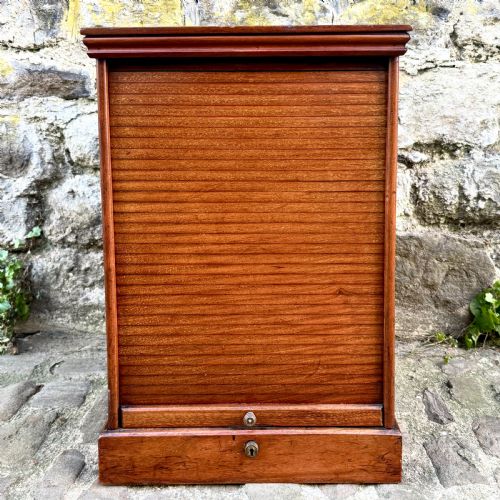
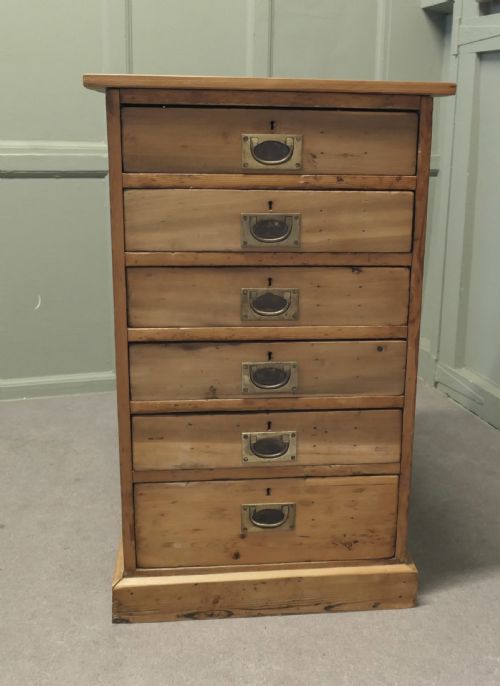
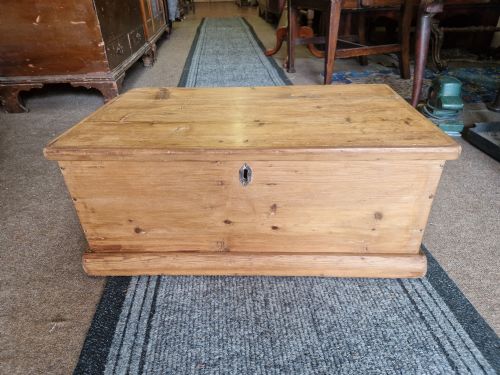
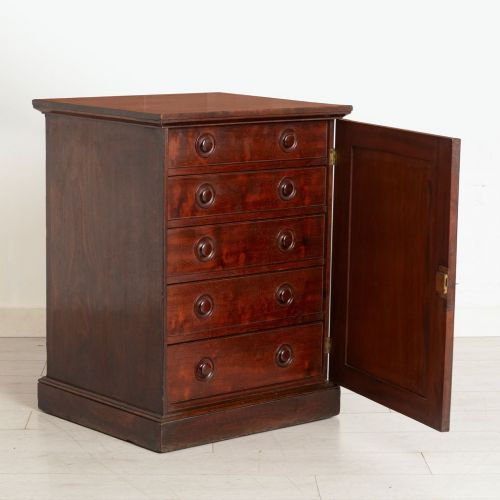
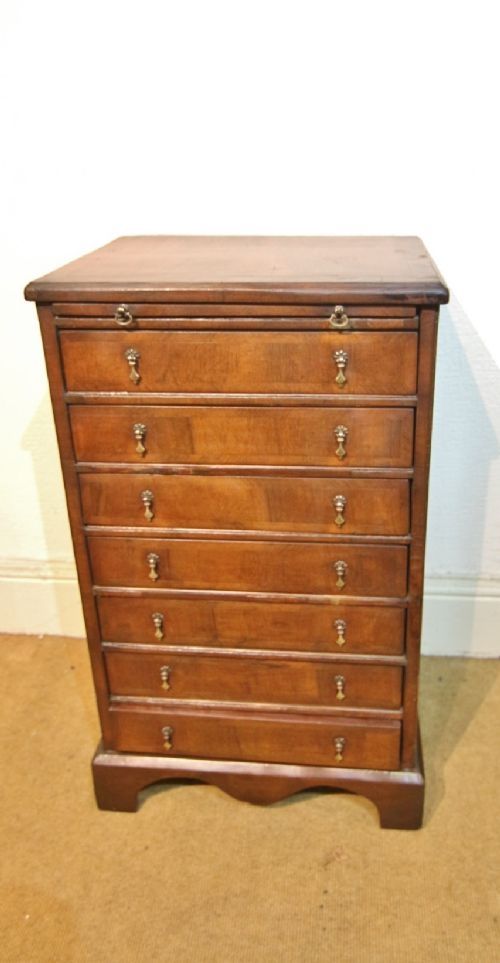
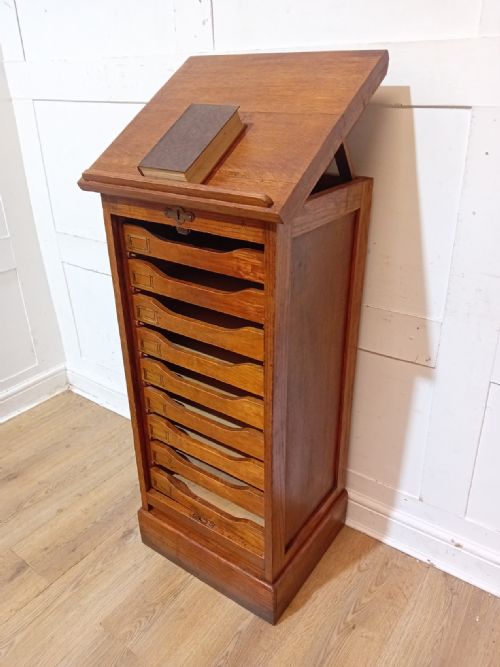
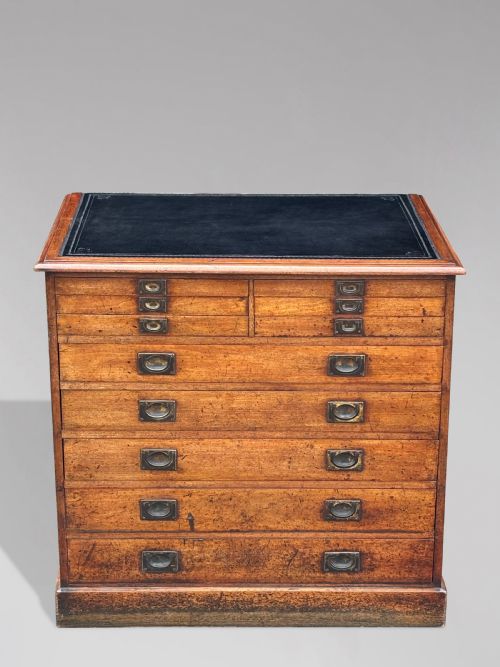
A victorian document chest brings together practical filing and compact storage, originating mainly across the nineteenth century. Buyers encounter sturdy deed boxes, multi-drawer filing cabinets, and small lockable caskets designed for home offices and studies.
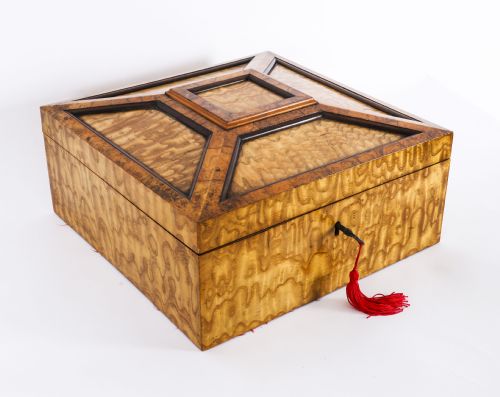
The selection ranges from utilitarian painted pine office furniture to refined rosewood and burr walnut presentation boxes. Most examples date from the Victorian era and the decades immediately following, reflecting an age of expanding paperwork and organised administration.
How they were made
Cabinet makers utilised dense hardwoods such as mahogany, oak, and walnut, alongside resilient softwoods like pine, constructing solid carcasses designed to withstand heavy daily use. Interiors often featured fitted compartments, shallow filing drawers, and tooled leather surfaces.
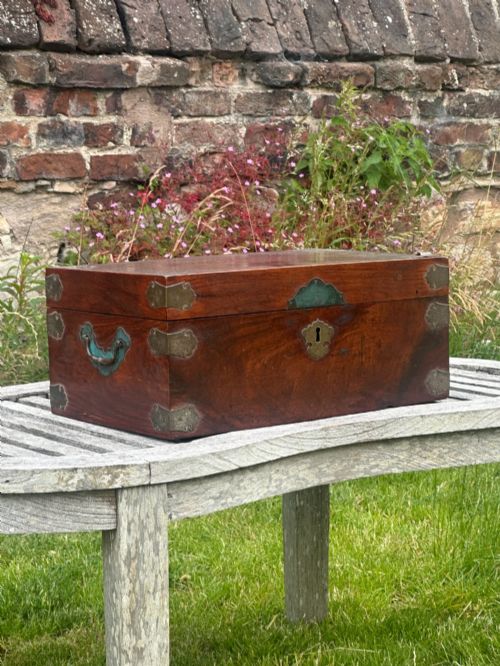
Metal hardware played a crucial role in construction, with brass bound corners, campaign handles, and heavy cast iron locks providing both structural reinforcement and security. Decorative elements included Tunbridge ware, marquetry inlay, and regional carving styles from Anglo-Indian workshops.
Several boxes conceal hidden compartments behind false drawer backs, designed for secret letters and confidential keepsakes.
What varies in quality
Quality rests upon the selection of timbers and the precision of the joinery, distinguishing utilitarian office pieces from high-end drawing-room caskets. Superior examples display carefully matched wood grains, tight dovetail joints, and intact original finishes.
The complexity of internal organisation and the integrity of the original locking mechanisms dictate the standing of a piece. Finer items retain working brass lever locks, functioning keys, and specialised internal fittings that remain unaltered over time.
Milners of Liverpool
The Victorian Document Chest Glossary
- Campaign chest
- A portable trunk or cabinet built in sections with recessed brass handles for easy transport during military operations. These pieces frequently feature robust corner brackets and durable hardwood construction.
- Deed box
- A secure lidded container specifically proportioned for holding legal documents, land indentures, and important family papers. They typically incorporate heavy iron or brass locks for maximum security.
- Tunbridge ware
- A meticulous type of woodwork characterised by mosaic patterns formed from thousands of tiny tinted wood fragments. It creates detailed pictorial or geometric designs on small boxes and trinket cases.
- Writing slope
- A portable box with a hinged sloping lid that opens to reveal a slanted writing surface and pigeonholes for stationery. The interior often includes concealed compartments for inkwells and pens.
- Strongbox
- A heavy-duty security container fashioned from thick iron or reinforced timber to resist theft and fire. English examples often feature patent lever locks by notable makers of the period.
Victorian Document Chest: Frequently Asked Questions
What fits inside a Victorian document chest?
These chests accommodate standard papers, letters, and small office supplies within their fitted drawers or open compartments. Many were originally built to hold folded legal deeds, certificates, and personal correspondence.
Larger variations offer multiple shallow drawers suitable for sorting modern documents, stationery, and small collectables. The interior depth determines whether items lie flat or stand upright in specialised filing slots.
How do I secure a antique document box?
Security relies on the original brass or iron mortise locks integrated into the lid or drawer fronts. Many surviving pieces retain functional locks operated by their original period keys.
For pieces missing keys, a specialist locksmith can often source or cut a compatible replacement without damaging the historic mechanism. Modern users should treat antique locks with care to preserve their internal brass levers.
Were these chests used for travel?
Certain variations featuring brass bound corners and recessed side handles were specifically engineered for transport. Military officers and colonial officials utilised these durable campaign designs to move paperwork safely.
Other domestic versions remained stationary on desks or tables within offices and libraries. The presence of side carrying handles usually indicates a piece intended for mobile administrative work.
How do I clean mahogany document boxes?
Maintenance involves dusting surfaces gently with a soft, dry cloth to prevent the accumulation of grit. Wax polish applied sparingly helps nourish the timber and maintain a soft sheen without building up excessive residue.
Harsh chemical cleaners and excessive moisture must be avoided to protect antique polishes and delicate veneers. Leather writing surfaces inside benefit from specialised leather creams rather than standard furniture wax.