
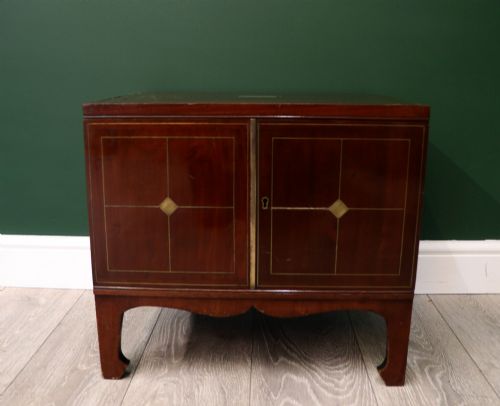
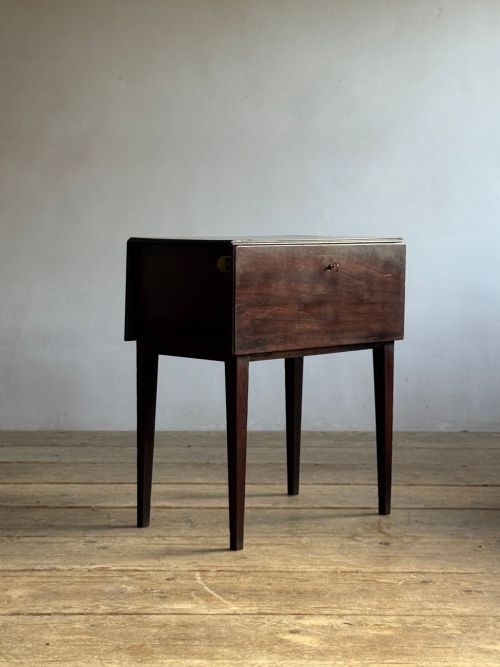
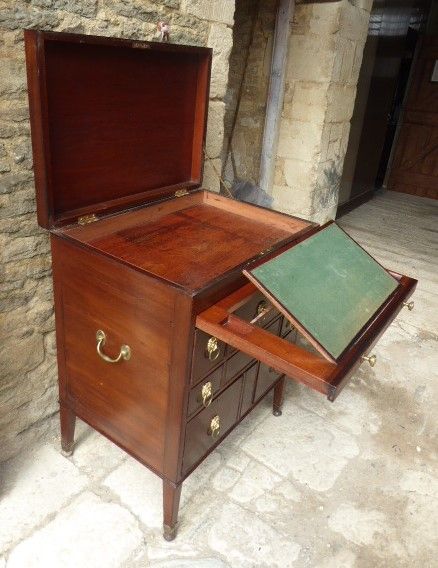
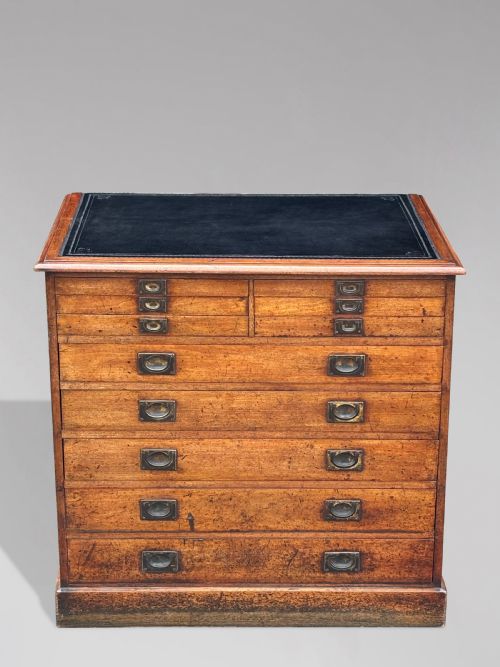




Mahogany Campaign Cabinet
These mahogany campaign cabinets are robust, portable pieces built for travel and active service, prized today for their clever storage and rich timber.
Understanding the mahogany campaign cabinet
A mahogany campaign cabinet is a functional piece of portable furniture designed for officers and travellers on the move. When you search for this phrase, you encounter pieces originating from the nineteenth century and the Edwardian era, spanning styles from Victorian campaign to later campaign interpretations.
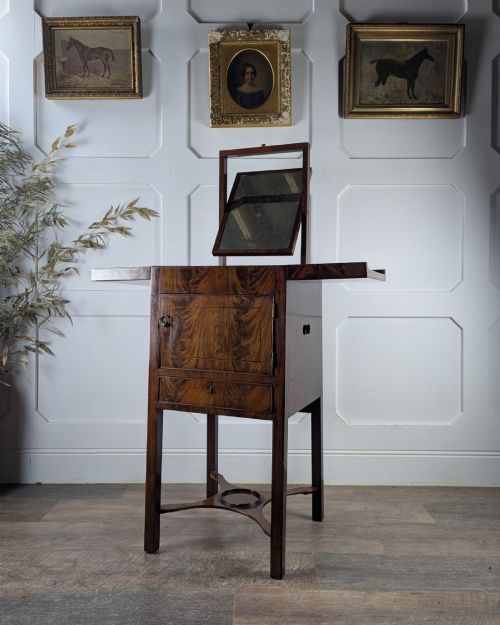
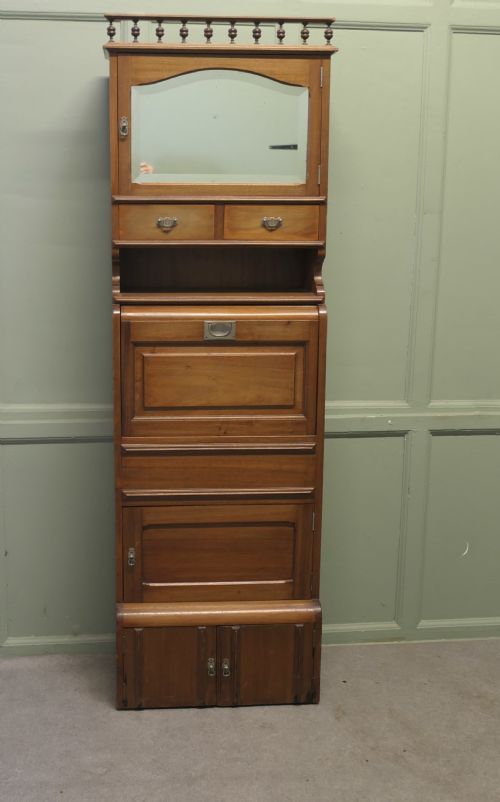
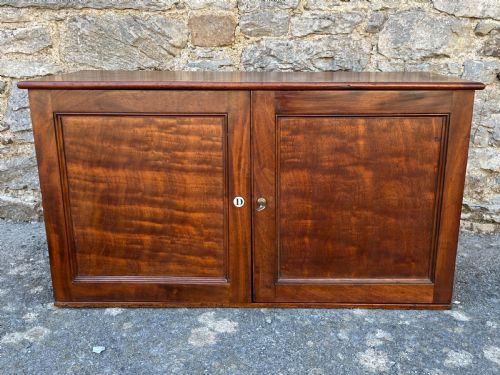
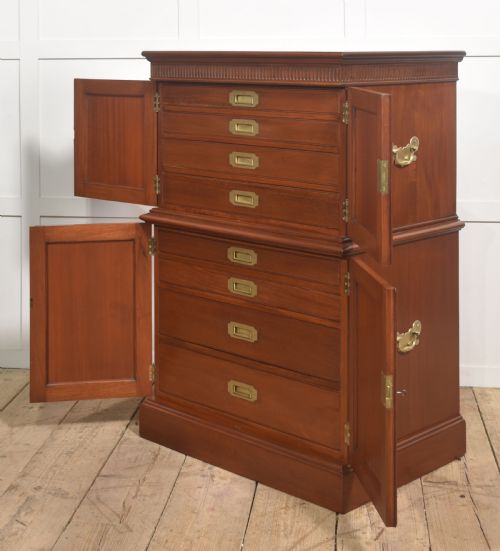
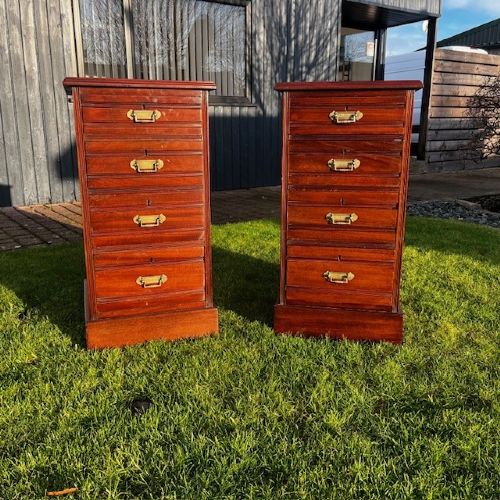
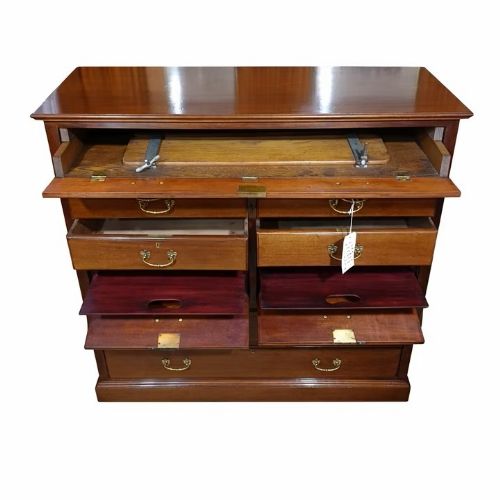
The forms vary significantly across the listings. You find tabletop cabinets, chiffonier side cabinets, secretaire chests, chests of drawers, and dedicated cutlery and silverware cabinets alongside bedside pairs.
These items reflect the practical demands of military life abroad. Their sturdy construction allowed officers to pack up and transport their belongings with minimum fuss.
Materials and construction
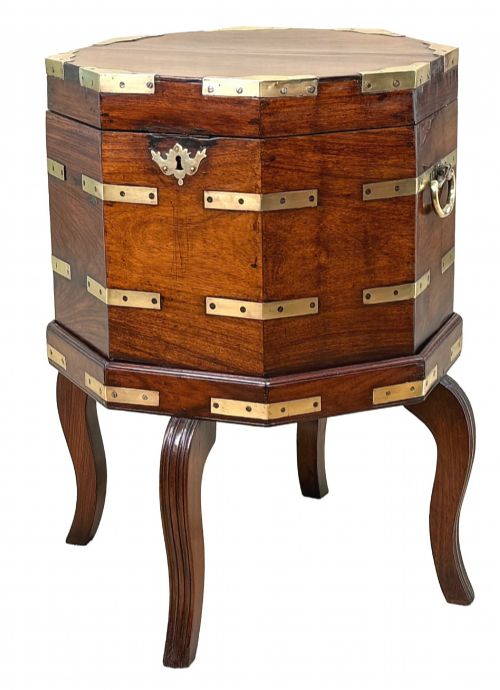
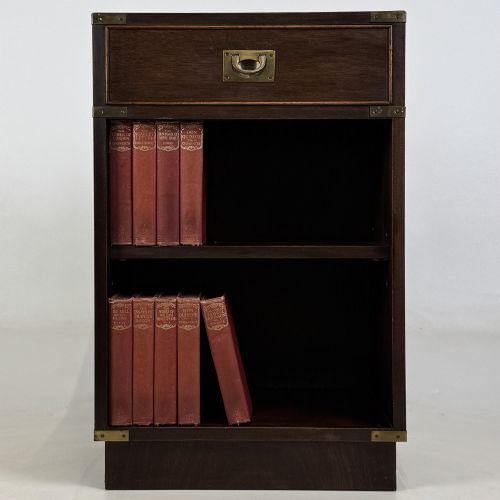
Makers built these pieces primarily from dense mahogany, chosen for its durability and resistance to warping in harsh climates. Solid brass fittings, handles, and corner mounts reinforced the structure against the bumps and knocks of rough transit.
Many examples feature brass binding or brass inlay to protect vulnerable edges and joints. This metalwork also added a decorative finish to the otherwise plain, functional timber surfaces.
Retail Price Guide 2026
Typical UK retail prices for mahogany campaign cabinet, calculated from the Sellingantiques database of over a million retail prices indexed since 2003. This retail price guide relies exclusively on Sellingantiques data; no external sources or auction records are used, so the figures do not describe the wider market.
The listings span from eighteen-fifty through the Victorian period, nineteenth century, Edwardian era, and nineteen-twenty.
Judging quality and character
Quality rests in the precision of the joinery and the integrity of the brass hardware. Pieces that retain their original recessed handles and tight-fitting drawers demonstrate superior craftsmanship.
Provenance and specific military association elevate certain examples above standard utility pieces. Finer cabinets display careful timber selection and thoughtful internal configurations designed for specific duties.
Captain James John Stopford RN
The Mahogany Campaign Cabinet Glossary
- Campaign style
- Furniture designed to dismantle or fold for easy transport by military personnel on active service abroad. It typically incorporates recessed brass handles and protected corners.
- Secretaire
- A desk disguised as a chest of drawers or cabinet, featuring a drop-down writing surface enclosing small drawers and pigeonholes. It provided a portable writing station for officers.
- Chiffonier
- A low cabinet or sideboard featuring shelves or cupboards below, used in nineteenth-century interiors. In campaign furniture, it offered stable storage that remained easy to move.
- Brass bound
- Reinforcement of furniture edges and corners with flat strips of brass fixed with screws. This protected the timber from splitting during frequent transit.
- Recessed handle
- A pull handle set into a flush cavity in the wood so it does not project beyond the surface. This prevented snagging and damage during packing and moving.
Frequently Asked Questions
What is a campaign cabinet?
A campaign cabinet is a sturdy, portable piece of furniture originally built for military officers on active service. They feature durable timber and protective metal mounts to withstand frequent travel.
These cabinets offer clever internal storage designed to keep personal belongings or professional documents secure and organised while on the move.
How do I date these cabinets?
Dating relies on examining the timber, the style of the brass fittings, and construction methods. The examples on this page span the nineteenth century up to the Edwardian period and nineteen-twenty.
Archival pieces show similar Victorian and nineteenth-century origins, often identified by the weight of the mahogany and the hand-cut fixings used throughout.
Were they only for the military?
While originally commissioned by army and navy officers for campaign use, civilians also purchased them for travel or colonial life. Their practical design made them popular among diplomats and administrators.
Over time, the style transitioned into domestic homes where people valued the unique proportions and robust build.
How do I style one at home?
These cabinets suit studies, living rooms, or bedrooms as statement storage pieces. Their rich mahogany tones and functional brass details complement both traditional and modern interiors.
Pairing a tabletop cabinet on a desk or placing a bedside cabinet beside a bed highlights their historic character and compact proportions.