
Victorian Display Unit
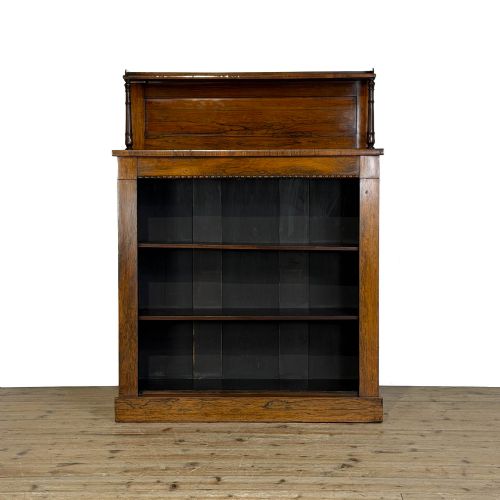
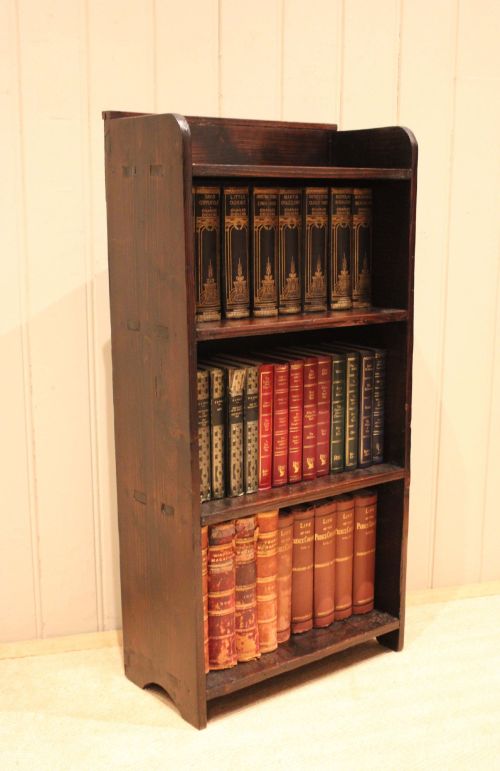
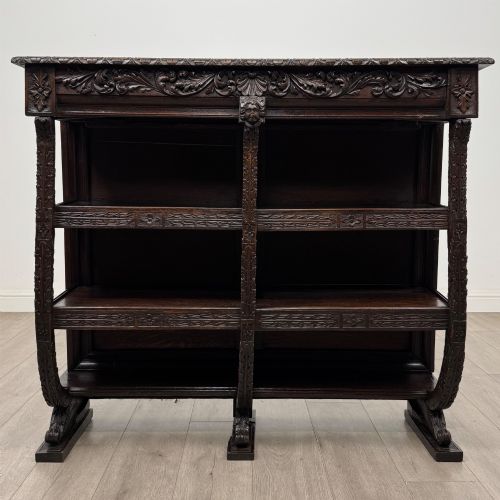
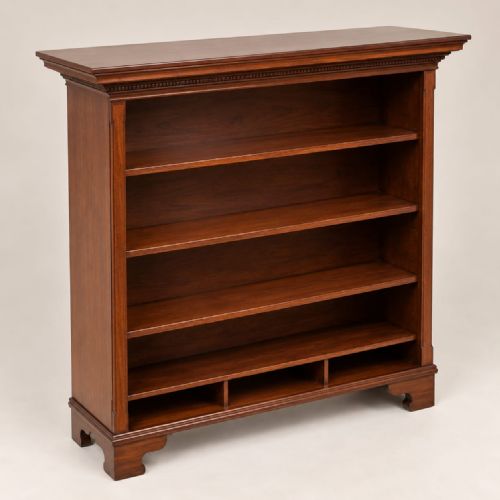
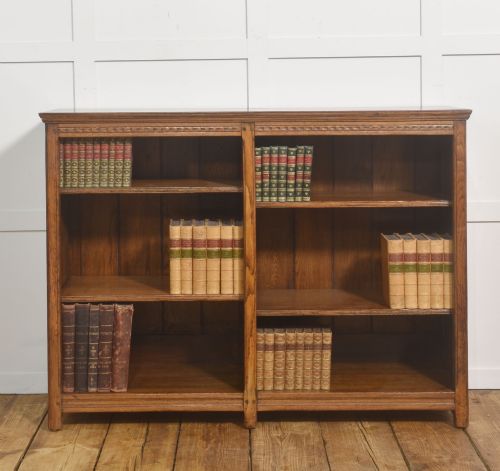
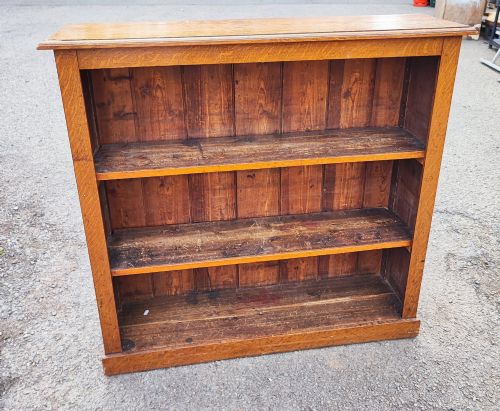
When you search for a victorian display unit, you find timber shelving, bookcases, and whatnots designed to hold books and objects.
Victorian Display Unit
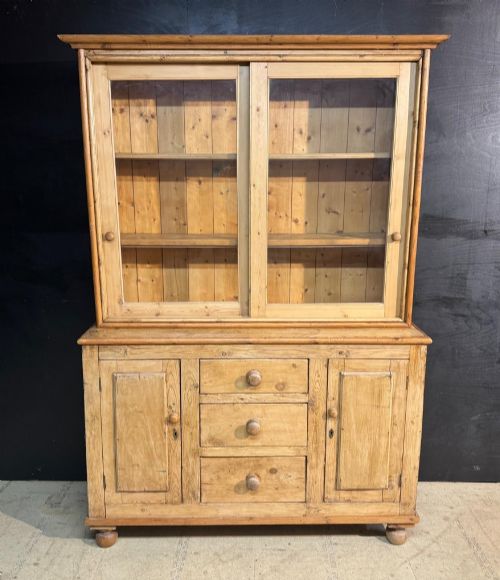
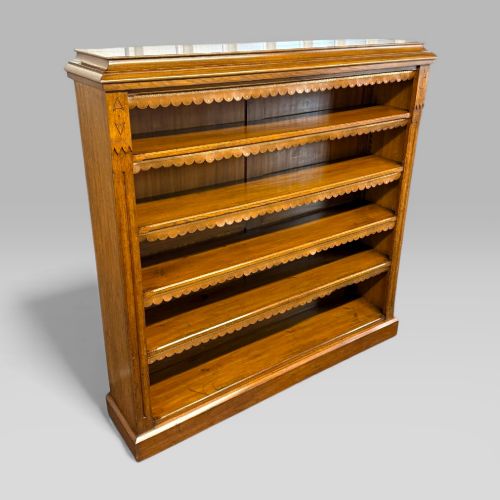
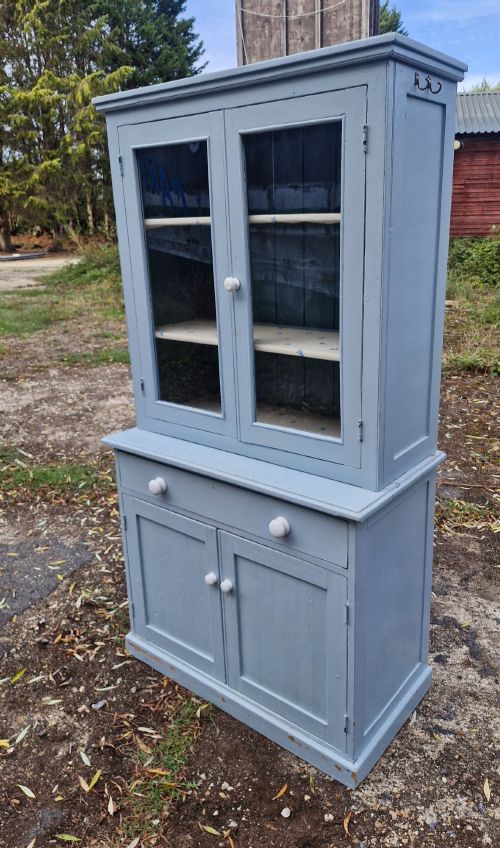
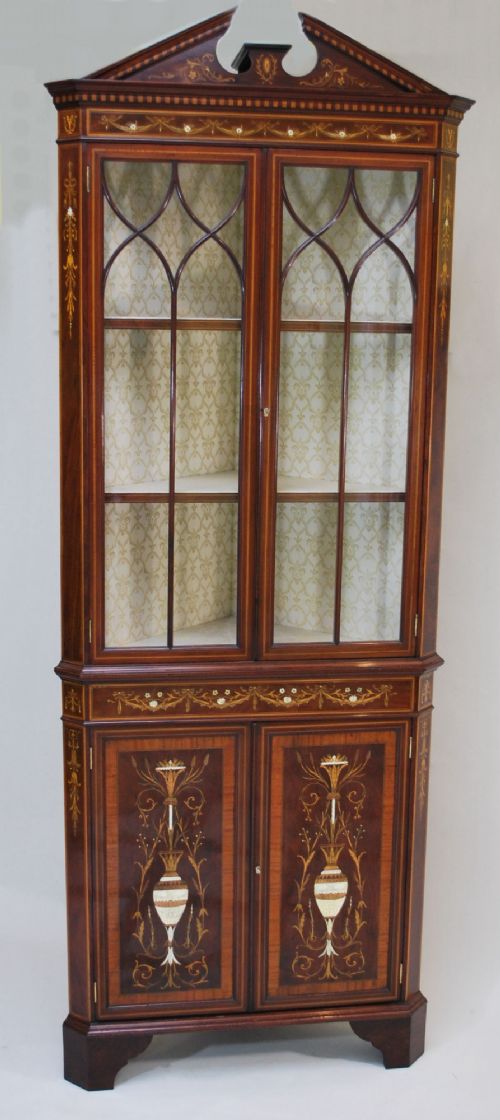
A victorian display unit encompasses open bookcases, corner cabinets, whatnots, etageres, wall shelves, and kitchen dressers originating from the nineteenth century. These forms were built to store and exhibit household possessions in domestic interiors.
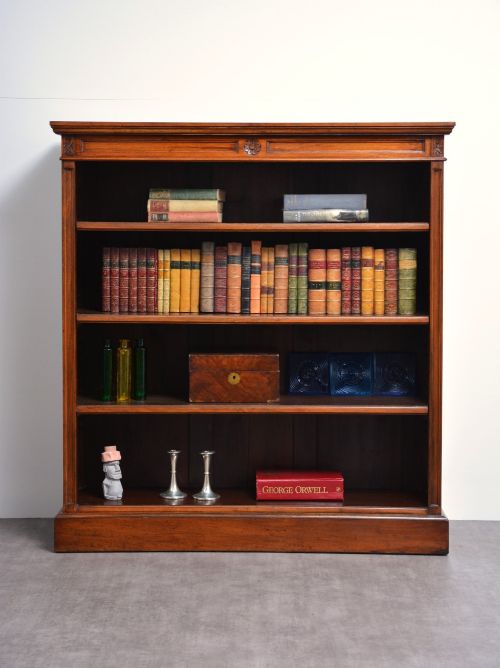
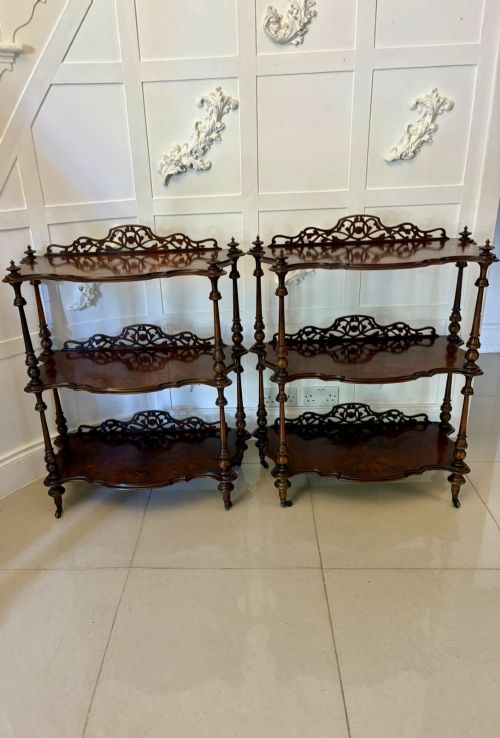
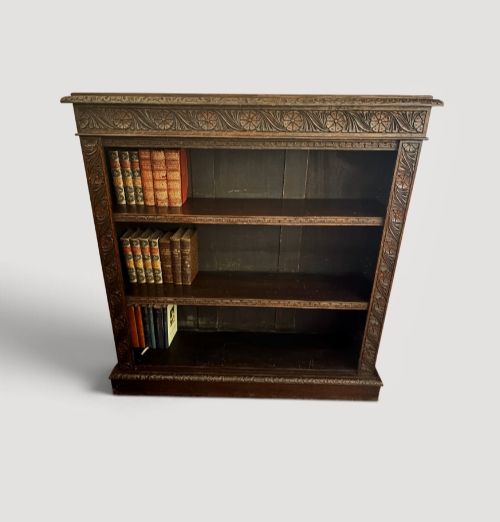
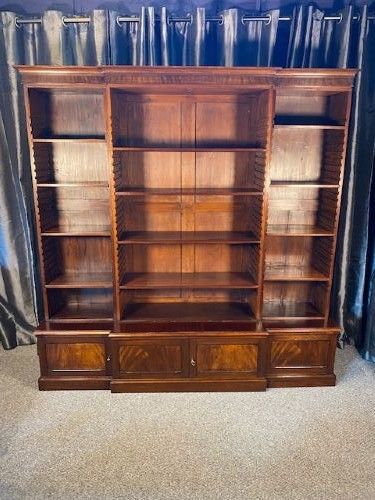
The most common examples on this page are open bookcases and tiered whatnots. They appear in styles ranging from plain rustic pine to carved oak, walnut, and inlaid mahogany.
Makers utilised various timber species to suit different rooms, constructing large breakfront library pieces alongside small corner cupboards and tiered wall shelves.
Materials and construction
Makers constructed these units from hardwoods such as mahogany, walnut, burr walnut, rosewood, oak, and padauk, alongside softer woods like pine and elm. Finer examples frequently employ burr veneers and detailed carving.
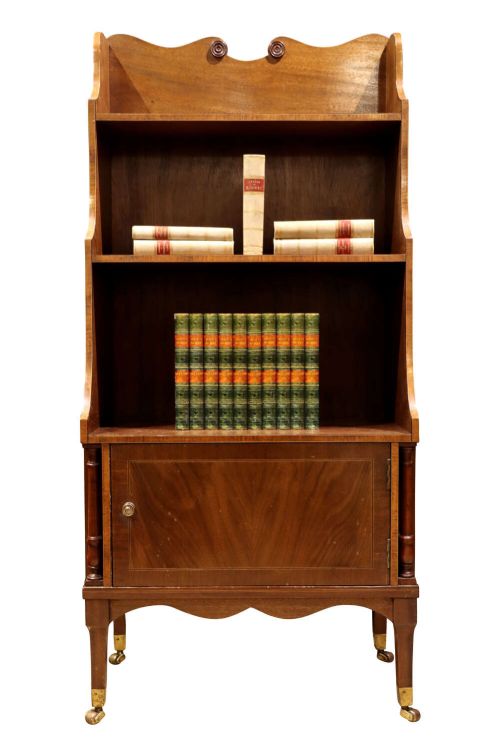
Hardware details include brass castors on floor-standing items like waterfall bookcases and whatnots. Shelving is often adjustable, resting on wooden supports or metal pins within the cabinet carcase.
Recorded styles span the Aesthetic Movement, Anglo-Indian traditions, Gothic revival, and rustic country craftsmanship.
Variations in quality
Quality depends upon the choice of timber and the precision of the cabinetwork. Burr walnut and figured mahogany examples display superior grain selection compared to standard utility pine pieces.
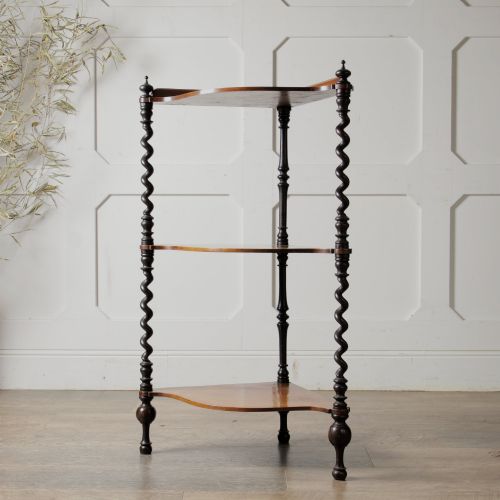
Design execution separates basic utility shelving from ambitious decorative pieces. Inlaid stringing, barley twist uprights, serpentine shaped tiers, and carved ornamentation elevate the architectural presence of a display unit.
The Victorian Display Unit Glossary
- Whatnot
- A set of open shelves standing on pillars, used for displaying ornaments and small objects.
- Etagere
- A piece of furniture consisting of a number of open shelves for displaying small articles.
- Breakfront
- A large piece of furniture whose central section projects forward from the flanking sections.
- Barley twist
- A type of turning shaped like a spiral rope, often found on upright supports.
- Waterfall bookcase
- A set of open shelves where each tier is narrower than the one below, creating a stepped profile.
Victorian Display Unit: Frequently Asked Questions
What is a whatnot?
A whatnot is an open-shelved stand developed to display ornaments, ceramics, and small books.
They typically feature multiple tiers supported by slender columns or turned uprights.
Are shelves adjustable?
Many nineteenth-century bookcases feature adjustable shelving supported by internal wooden bearer strips or peg holes.
Simpler pine dressers and fixed etageres generally have permanent shelves nailed or jointed in place.
Where were corner cabinets placed?
Corner cabinets and wall shelves fit directly into room angles to utilise vacant domestic space.
They served to store tableware or exhibit decorative objects without obstructing floor layouts.
How do I identify mahogany?
Mahogany is a dense hardwood displaying a reddish-brown tone and a straight or interlocking grain pattern.
Cabinetmakers often polished it to a smooth finish on formal library bookcases and etageres.