


Victorian Display Sideboard
A victorian display sideboard combines practical storage with glazed display space, offering collectors a striking centrepiece for displaying fine ceramics and glassware.

Victorian Display Sideboard
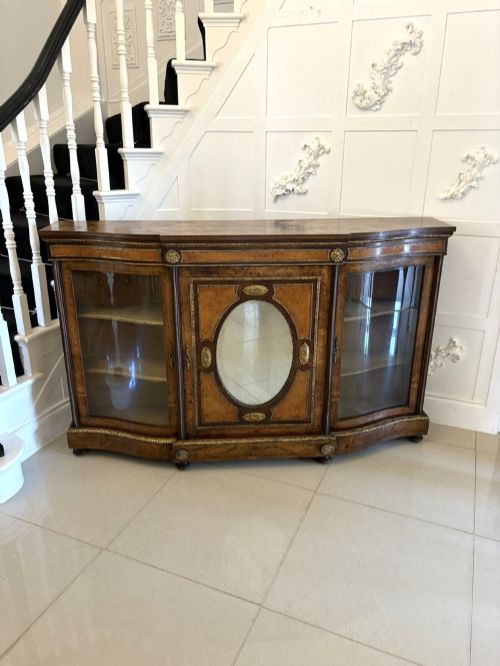
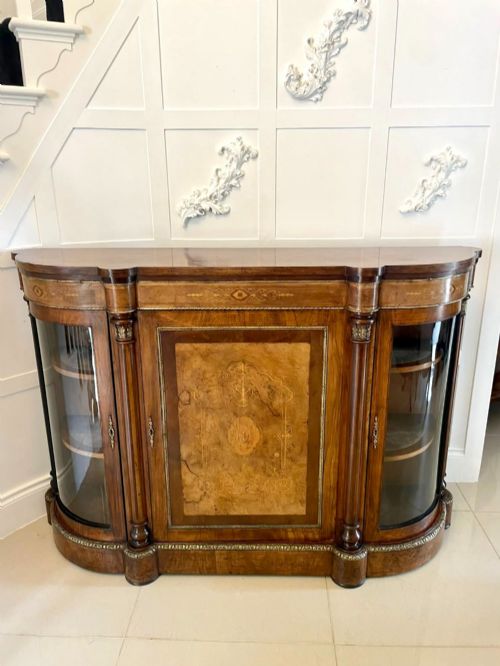
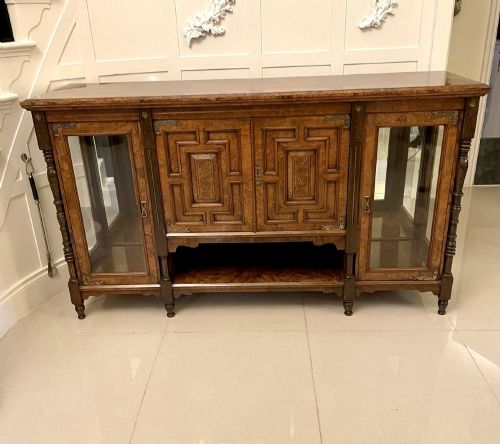
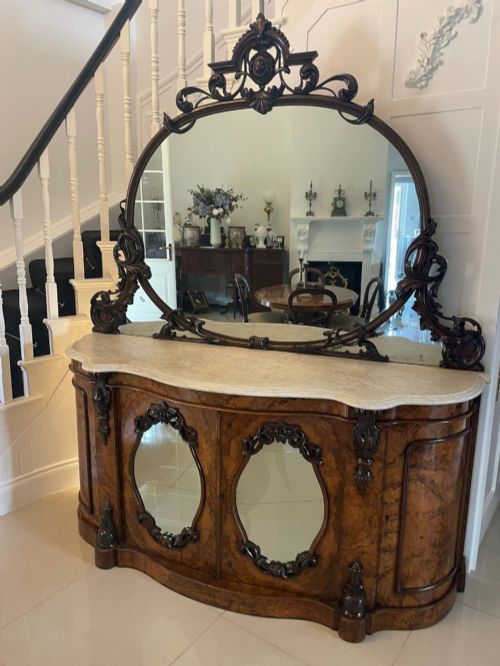
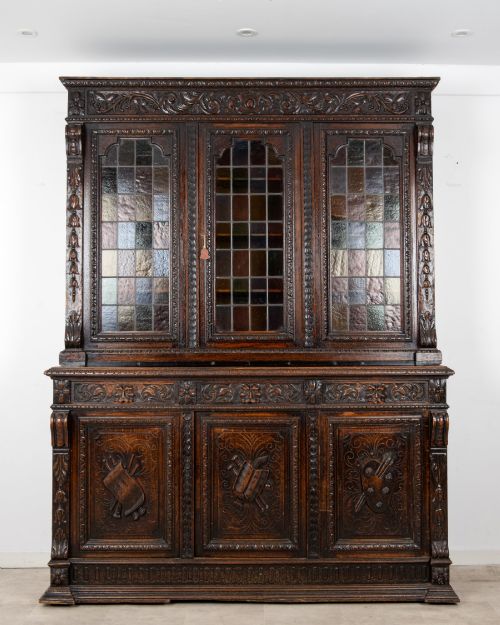
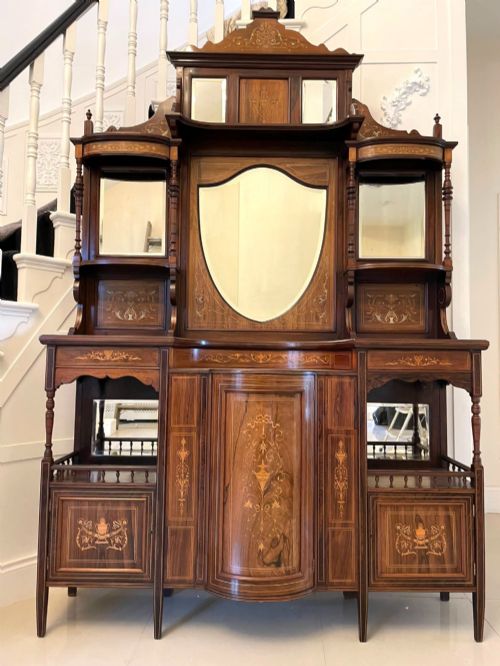
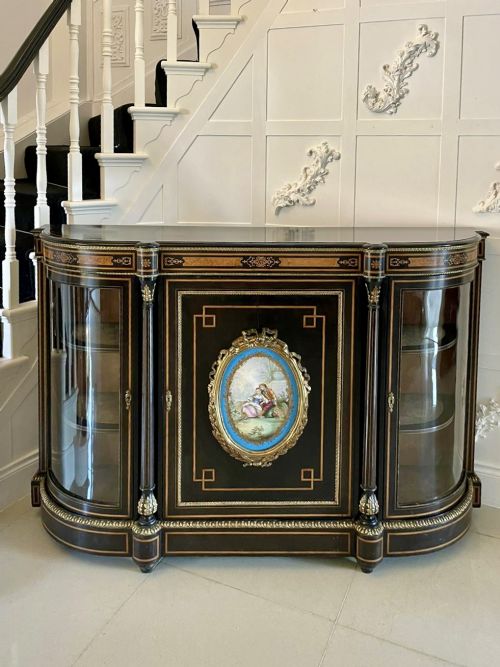
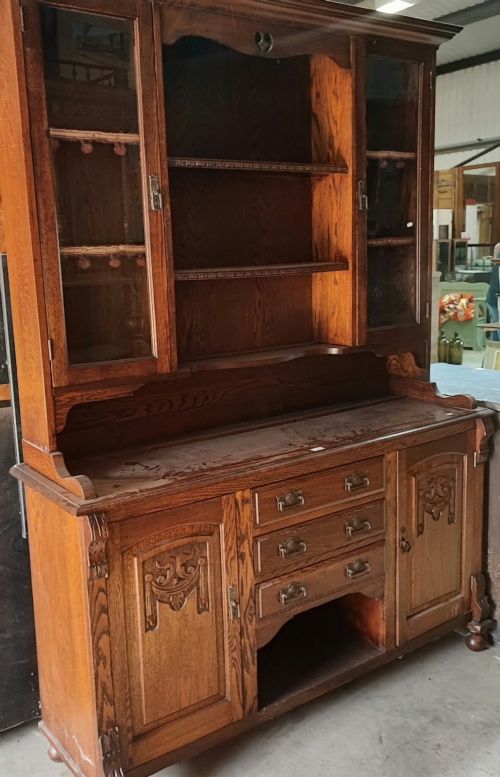
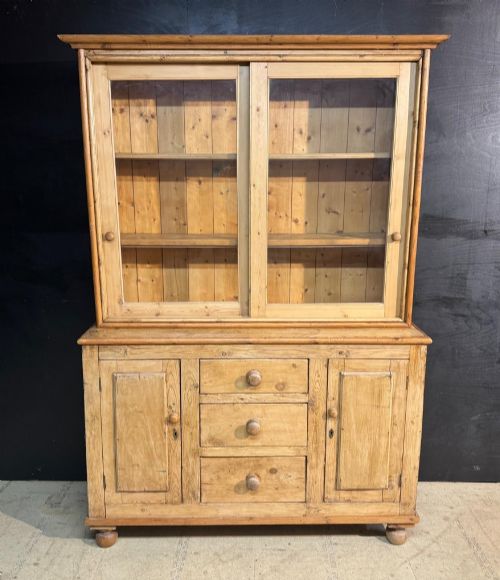
A victorian display sideboard primarily encompasses credenzas, side cabinets, and glazed bookcases dating from the nineteenth century. These pieces emerge in various woods such as burr walnut, mahogany, and rosewood, often featuring French revival, aesthetic movement, or gothic revival influences alongside simpler pine kitchen dressers.
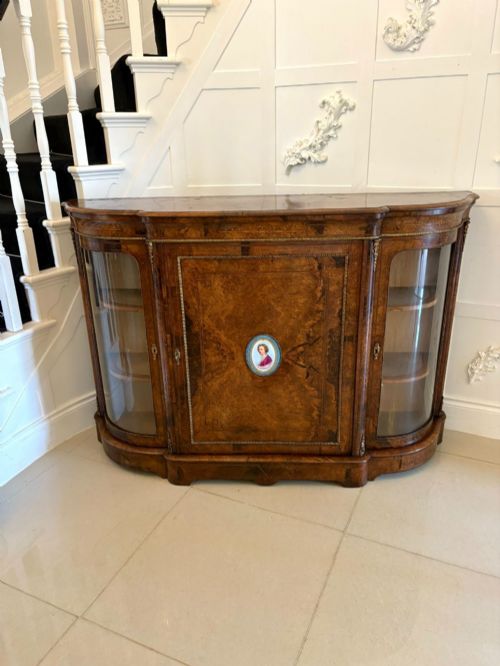
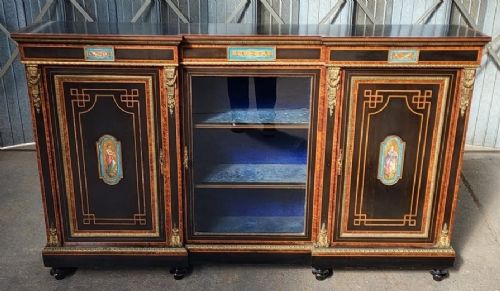
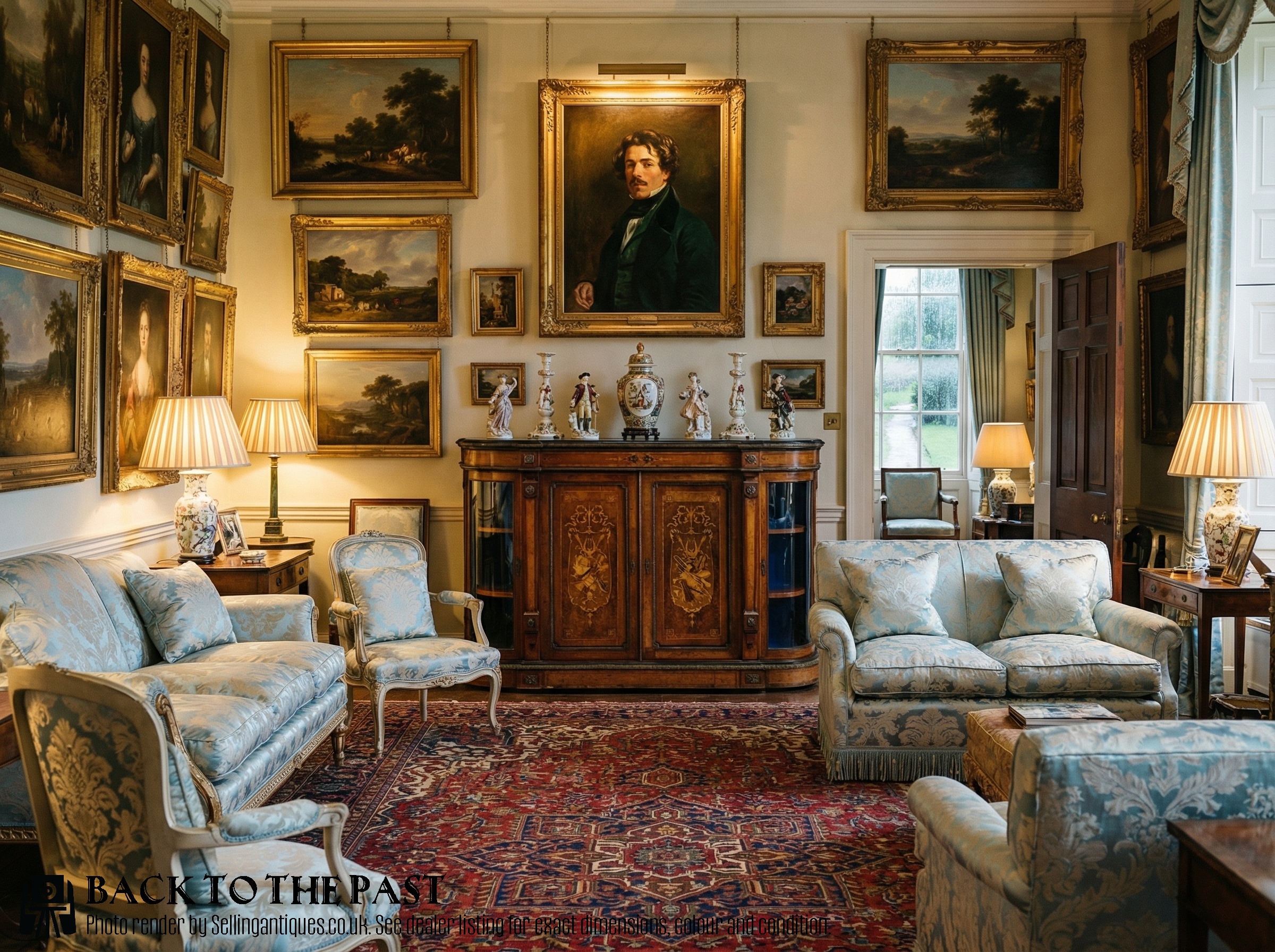
The credenza form dominates this selection, typically presenting central mirrored or glazed doors flanked by curved side cabinets. Makers of the period drew upon diverse styles, producing serpentine shapes with ormolu mounts and marquetry inlay that suited formal Victorian drawing rooms.

Materials and Construction
Cabinet makers utilised dense hardwood timbers including burr walnut, rosewood, and mahogany as foundations, often applying intricate marquetry patterns and brass or ormolu mounts. Glass panels were integrated into doors to create display areas, whilst secondary timbers like oak and pine formed internal shelving and carcases.
Surface decoration involved careful veneering, ebonising, and hand-carved detailing, paired with glazed sections secured by wooden glazing bars. Ormolu mounts and porcelain plaques frequently embellished the principal facades of finer credenzas and cabinets.
Victorian Display Sideboard Retail Price Guide 2026
Typical asking prices for victorian display sideboard among the pieces listed under this phrase on Sellingantiques today, from the lower quarter to the upper quarter. They describe what is for sale here now, not the wider market.
Quality Variations
Quality rests upon the selection of timber veneers, where highly figured burr walnut or amboyna with precise marquetry inlay elevates a piece above standard mahogany or pine iterations. The crispness of hand-carved elements and the weight of ormolu mounts further distinguish workshop standards.
Internal construction and glass clarity also indicate grade, with superior cabinets exhibiting close attention to drawer dovetailing, original bevelled glass panes, and robust structural joinery that maintains alignment across large breakfront proportions.
Collinson & Lock·Edwards & Roberts·Liberty & Co.·Gillows·Maison Gagneau
The Victorian Display Sideboard Glossary
- Credenza
- A low cabinet originating in the nineteenth century, frequently featuring glazed central doors and curved side cupboards designed for display.
- Ormolu
- Gilded bronze mounts applied to furniture surfaces for decorative effect. These metal ornaments are cast and chased before being fixed to the timber.
- Marquetry
- Decorative veneer work forming pictures or patterns using various coloured woods. Craftsmen assemble thin wood slices onto a paper template before gluing them to the carcase.
- Chiffonier
- A compact sideboard or cabinet equipped with enclosed cupboards beneath open or glazed shelving. This form evolved during the Victorian period for smaller drawing rooms.
Victorian Display Sideboard: Frequently Asked Questions
What is a victorian display sideboard used for?
These pieces served primarily in formal nineteenth century dining rooms and drawing rooms to store dining accessories while showcasing porcelain, glassware, and decorative objects behind glass panels.
The enclosed cupboards provided concealed storage for silver and linens, whilst the upper display surfaces and glazed cabinets allowed households to exhibit their finest possessions.
How do I date a victorian display sideboard?
Dating relies upon examining timber selection, construction methods, and stylistic influences ranging from early revival designs to later aesthetic movement pieces.
Changes in cabinet hardware, veneer thickness, and the presence of maker stamps or paper labels offer further chronological markers for these nineteenth-century items.
Are pine and walnut sideboards from the same period?
Both burr walnut and pine furniture date from the nineteenth century, though they served very different domestic environments within Victorian households.
Walnut and rosewood pieces occupied formal reception rooms, whereas pine dressers and sideboards functioned in kitchens and sculleries.
How should I care for a wood display cabinet?
Maintain these cabinets by keeping them away from direct sunlight and fluctuating radiator heat to prevent timber shrinkage and veneer lifting.
Regular dusting with a dry, soft cloth preserves the polished finish of walnut and mahogany without building up heavy wax residues.