




Victorian Display Dish
A victorian display dish turns a plain wall or sideboard into a showcase for hand-painted porcelain, rich gilding and intricate decorative scenes.
Victorian Display Dish
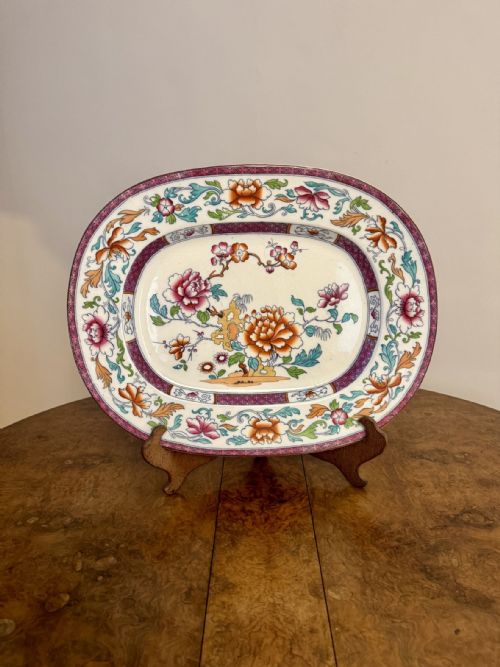
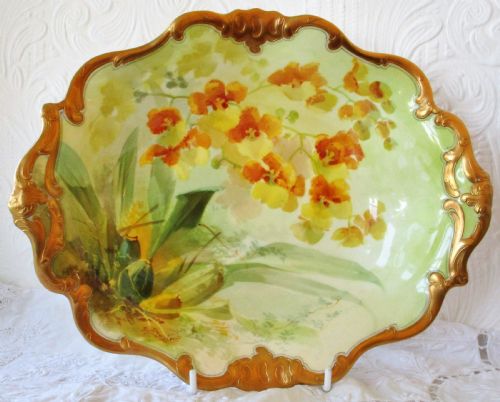
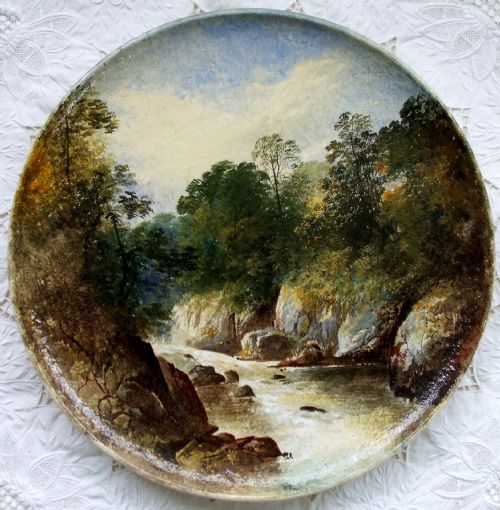
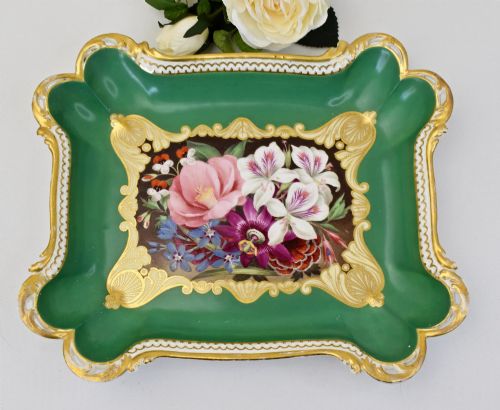
A victorian display dish comprises cabinet plates, chargers, platters and tazzas made to be looked at rather than used at the dining table. These pieces span porcelain, earthenware, silver plate and bronze, originating from English potteries, continental factories and Japanese workshops.
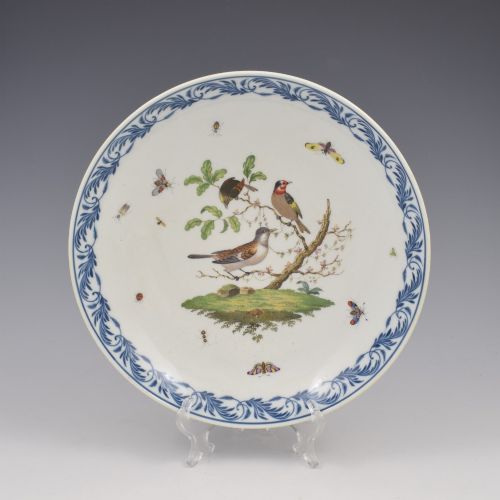
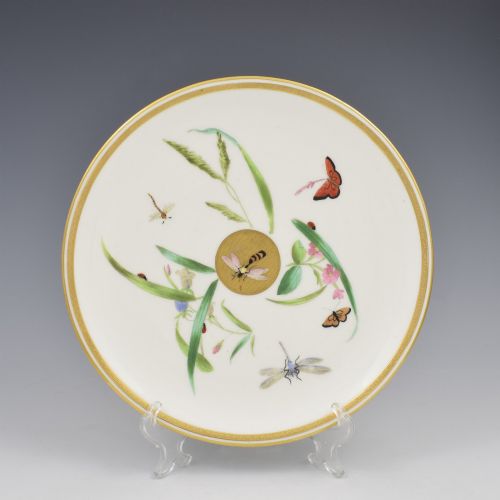
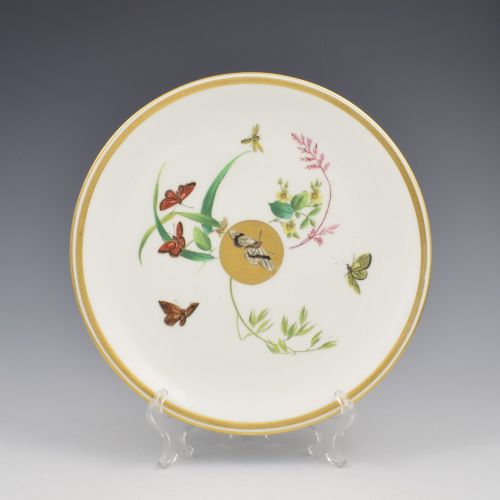
The versions most commonly met on this page include Minton, Coalport and Meissen porcelain plates alongside Japanese Imari chargers and silver plated display pieces. Many incorporate hand-painted landscapes, ornithological studies or mythological figures suited to nineteenth-century interior display.
How they were made
Potters shaped fine paste porcelain, earthenware and stoneware before applying detailed hand-painted designs, enamel colours and gold leaf accents. Many items underwent multiple firings to fix delicate polychrome scenes, transfer prints and raised jewel effects onto the glaze.
Metal alternatives utilised silver plating over bronze or copper bases, shaped into heavy chargers and tazzas with chased figural scenes and floral borders. Skilled artisans combined casting, reticulation and hand-engraving to achieve the decorative depth characteristic of the period.
Listings feature 19th-century periods alongside materials like enamel, porcelain, gold leaf, earthenware, silver plate and bronze.
What varies in quality
Quality rests upon the skill of the hand-painting, the crispness of the moulding and the richness of the gilding applied to the surface. Plates featuring named artists, detailed portraiture or intricate pierced borders stand apart from standard factory productions.
The weight and gauge of the metalwork or ceramic body also dictate worth, with heavier silver plated bronze and translucent porcelain bodies representing the upper tier of nineteenth-century manufacture.
Meissen·Minton·Royal Doulton·Copeland·Doe & Rogers·John Ridgway·Coalport·Royal Vienna·Kornilov Brothers·Aynsley·Masons Ironstone·Royal Crown Derby·Royal Worcester
The Victorian Display Dish Glossary
- Cabinet plate
- A decorative plate intended for display in a cabinet or on a wall rather than for practical dining use. These often feature elaborate hand-painted scenes and gilt borders.
- Charger
- A large ornamental dish or plate used as a base setting or displayed upright on a sideboard. They frequently exhibit heavy embossing, painting or metal plating.
- Reticulation
- An openwork pattern pierced through the rim or body of a ceramic plate or bowl during manufacture. This technique creates delicate, lace-like borders.
- Tazza
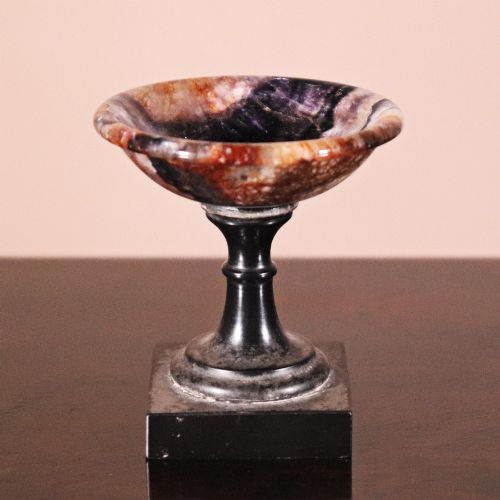
- A shallow bowl or plate raised upon a stem and foot, designed for display on a table or sideboard. Examples in the evidence utilise porcelain, silver-plated bronze and Blue John mineral.
Victorian Display Dish: Frequently Asked Questions
What is a cabinet plate?
A cabinet plate is a decorative ceramic dish made primarily for visual display rather than serving food. They usually showcase fine hand-painted art, gilding or pierced borders.
Collectors often mount them on walls or display them upright in glass cabinets to protect their fragile enamel surfaces.
How were display dishes used?
These dishes decorated nineteenth-century drawing rooms, dining rooms and sideboards to demonstrate taste and affluence. Large chargers and tazzas occupied central spots on furniture.
Some served as decorative fruit platters, though many remained purely ornamental from the time of manufacture.
Can I hang these dishes on walls?
Many of these pieces were made with display in mind, featuring pierced feet or sturdy rims suited for mounting. Use coated wire hangers that distribute weight evenly across the edges.
Ensure the wall fixings are secure, particularly for heavier silver plated bronze chargers or large ceramic platters.