


Victorian Dining Table Centrepiece
A victorian dining table centrepiece commands the middle of a formal spread, bringing height, light, or sculptural presence to the room.
Victorian Dining Table Centrepiece
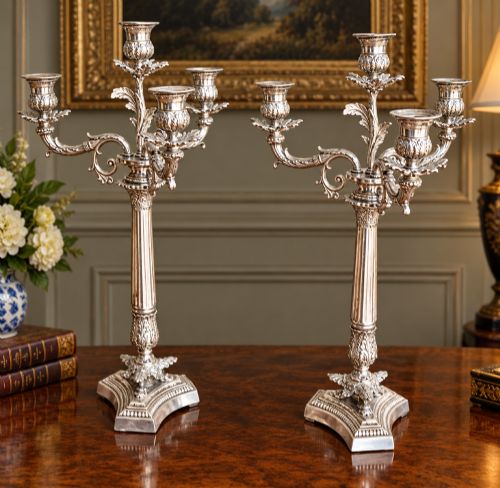
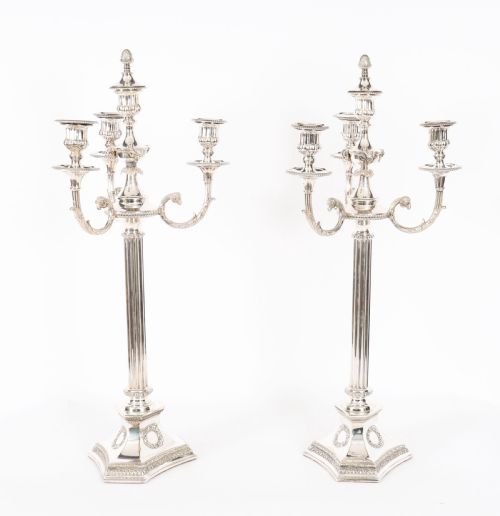
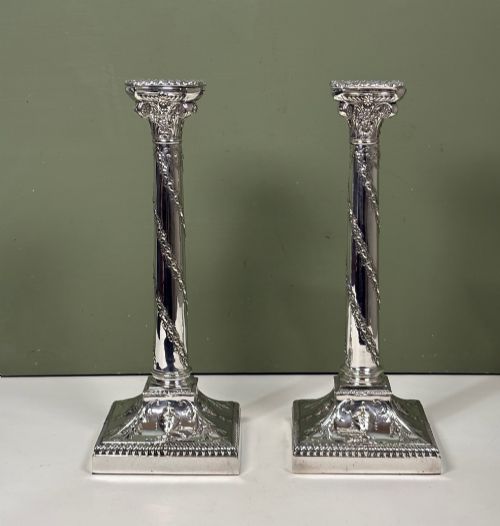
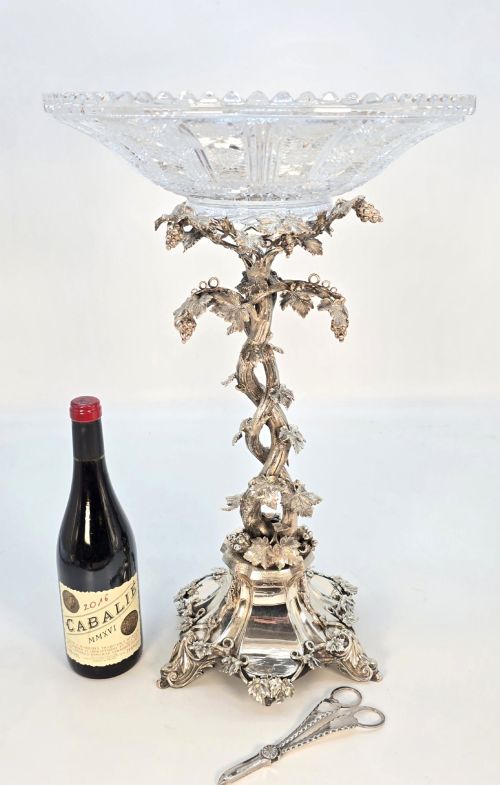
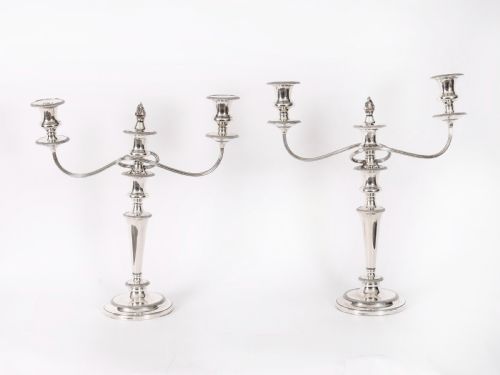
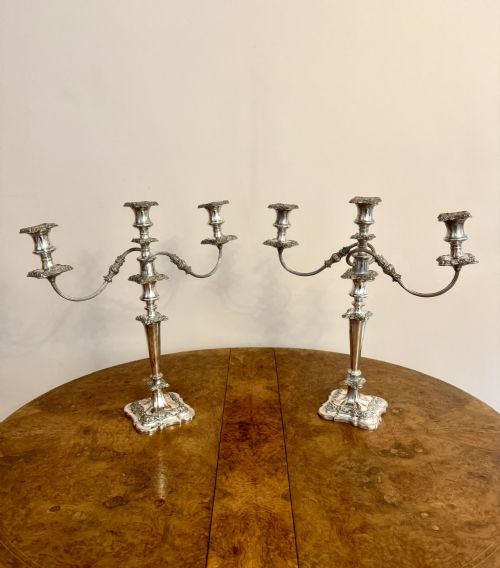
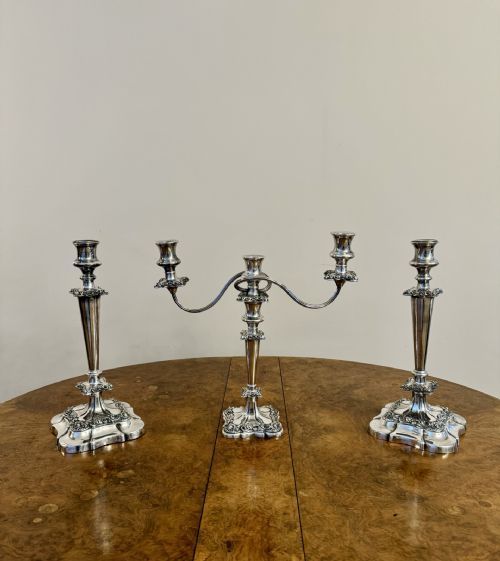
A victorian dining table centrepiece encompasses an array of elaborate dining table ornaments, from towering multi-branch candelabras to delicate glass epergnes and novelty spoon warmers. The silver plated candelabra stands as the most frequent form encountered here, often accompanied by matching pairs of candlesticks designed for formal dining arrangements. Pieces range across the nineteenth century, capturing the shifting tastes of the period through distinct ornamental forms.
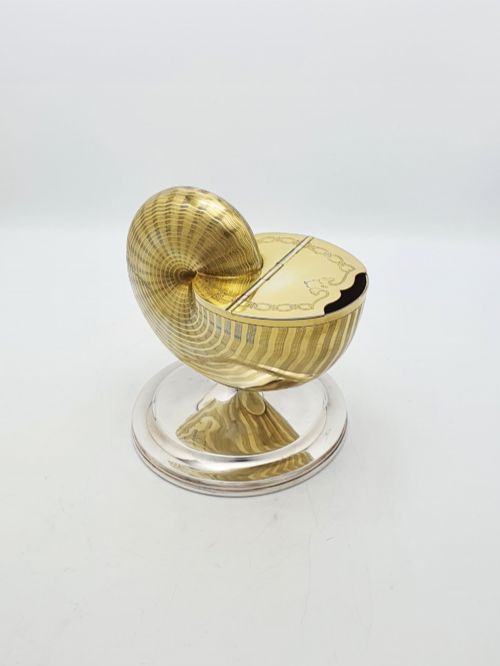
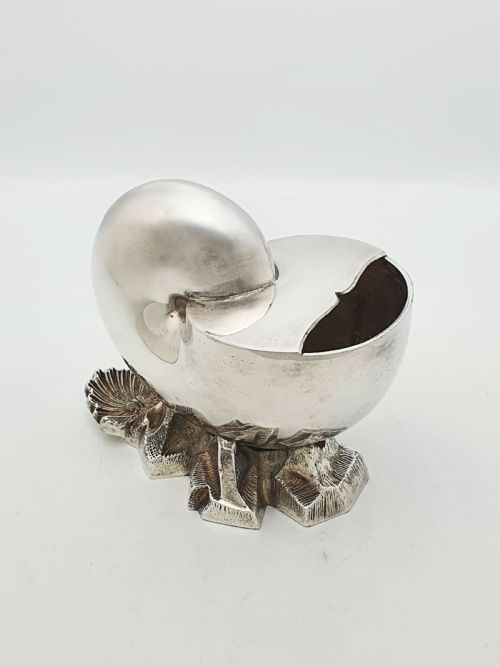
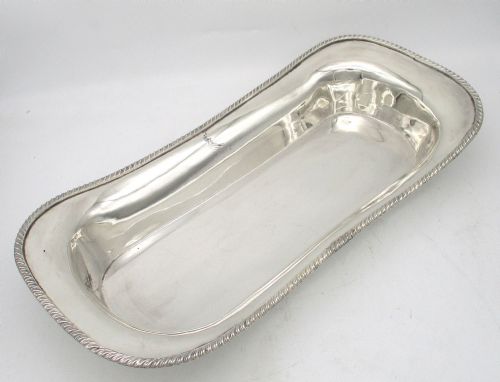
Makers utilised various idioms, drawing on neoclassical revival, rococo revival, and naturalism to decorate the metal surfaces and glass components. Epergnes introduce coloured glass, notably cranberry and ruby hues, rising from tiered frames to hold sweetmeats or flowers. Alternative table pieces include rotating lazy susans in mahogany, cruet sets, knife trays, and nautilus shell spoon warmers.
Materials and construction
Silver plate and electroplated nickel silver form the primary structural basis for the majority of these dining accessories, underpinned by base metal or copper bodies. Sterling silver appears in hallmarked iterations, while Sheffield plating marks several older items from the middle decades of the nineteenth century. Artisans combined these heavy metallic foundations with cut glass, etched glass, and blown coloured glass bowls and trumpets.
Casting, chasing, and engraving allow makers to achieve ornate figural details like cherubs or nautical motifs alongside delicate foliage patterns. Detachable sconces and multi-branch configurations require precise mechanical joinery to support heavy candle sockets securely above the table surface.
Victorian diners kept their soup spoons warm in novelty nautilus shell vessels resting on silver-plated stands.
Assessing craftsmanship
Quality rests upon the crispness of the chased decoration and the weight of the metal framework. Superior items display deep, hand-chased ornamentation without softening in the details, whereas lesser examples rely on shallower pressed or stamped relief work.
The integrity of the plating, the clarity and absence of chips in the cut or coloured glass inserts, and the stability of multi-branch assemblies distinguish finer workshop output. Maker marks from established firms indicate higher standards of metalworking and design execution.
Garrard & Co·Walker & Hall·Elkington·Wade Wingfield Wilkins·James Deakin
The Victorian Dining Table Centrepiece Glossary
- EPNS
- Electroplated nickel silver. This technique became common during the nineteenth century as a cost-effective alternative to solid silver.
- Epergne
- A tiered table centrepiece featuring a central trumpet or bowl surrounded by smaller hanging baskets, typically made from glass and metal.
- Sheffield Plate
- An early form of silver plating created by fusing a sheet of silver to a copper ingot before rolling them together.
- Sconce
- The nozzle or cup at the end of a candelabra branch designed to hold a candle securely in place.
- Candelabra
- A branched lighting fixture that holds multiple candles upon a single decorative base and stem.
Victorian Dining Table Centrepiece: Frequently Asked Questions
What is a victorian dining table centrepiece used for?
These objects served as grand decorative focal points on formal dining tables during large meals and evening gatherings.
Depending on the specific form, they held candles for illumination, displayed fruit or sweetmeats, or served specialist foods like asparagus and hot spoons.
How do I clean silver plated items?
Careful dusting with a soft cloth preserves the metal surface without wearing away the thin layer of historic plating.
Harsh chemical dips should be avoided in favour of gentle, non-abrasive silver foams applied sparingly.
Are glass epergnes fragile?
The blown and moulded glass components, particularly the slender trumpets of cranberry glass epergnes, require cautious handling during placement and storage.
Most pieces feature removable flutes that lift out of the metal frames to make washing and moving much safer.
How can I tell the date of a piece?
Stylistic clues such as heavy rococo scrolls point towards the middle decades of the nineteenth century, while cleaner neoclassical revivals often align with later decades.
Maker marks, registration stamps, and silver hallmarks provide more precise chronological anchors when present.