
Victorian Dining Credenza
A victorian dining credenza is a substantial nineteenth-century storage piece that anchors a dining room and holds silver, linen or glassware.
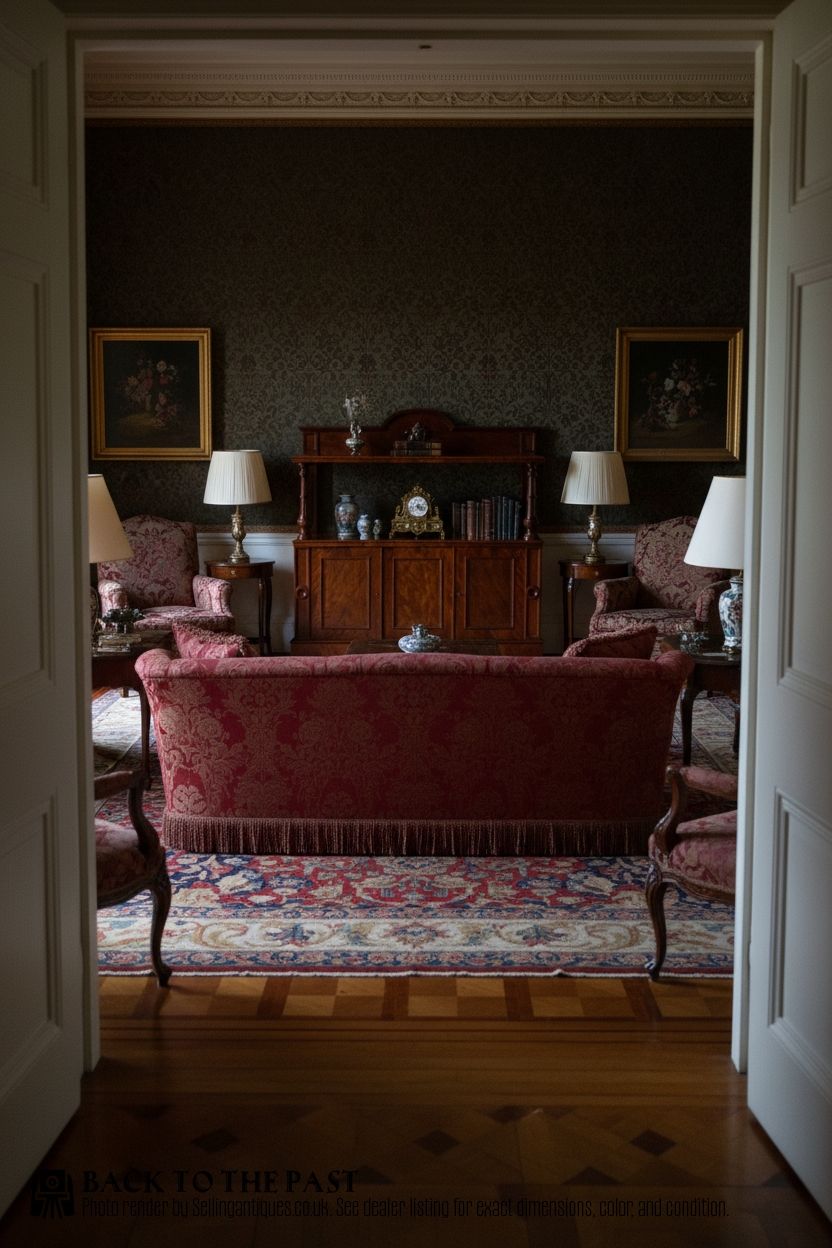
Victorian Dining Credenza
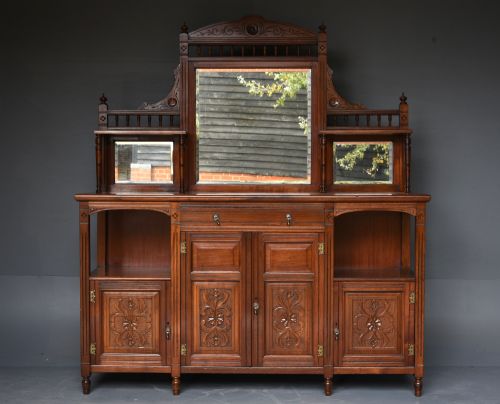
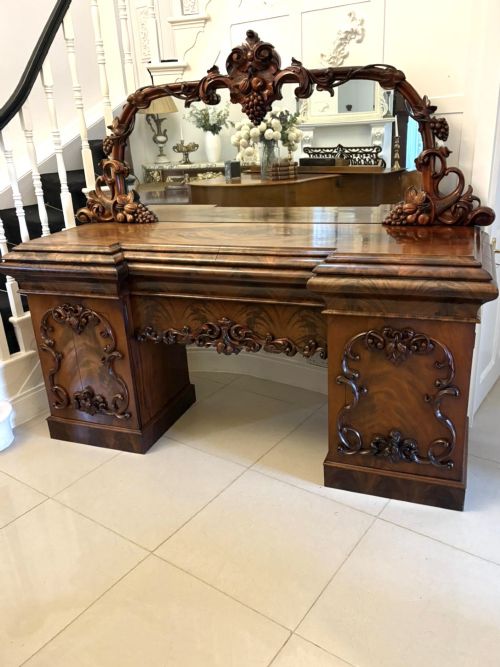
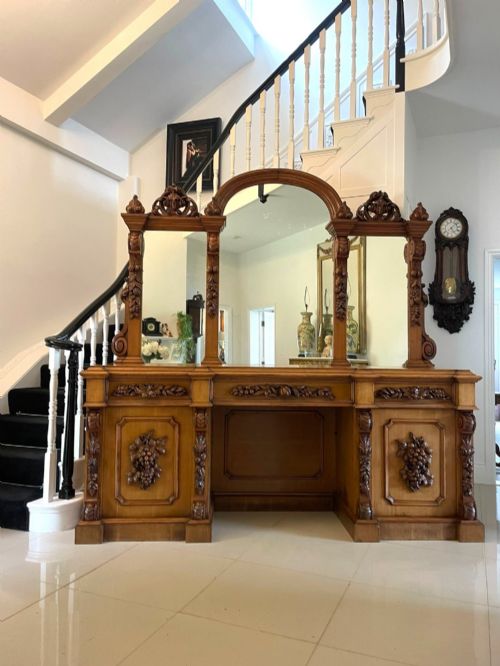
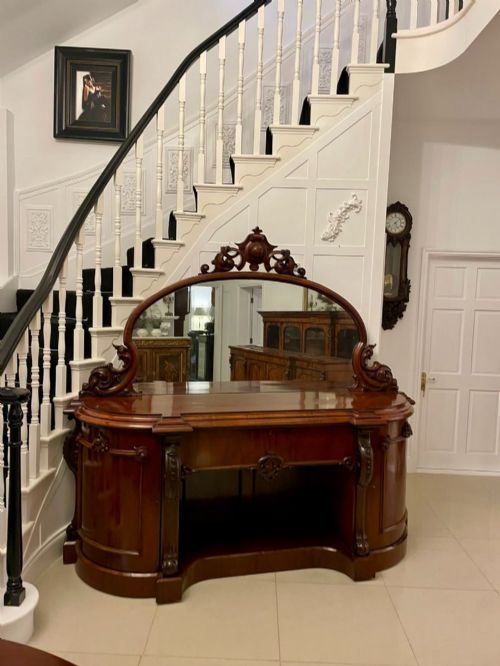
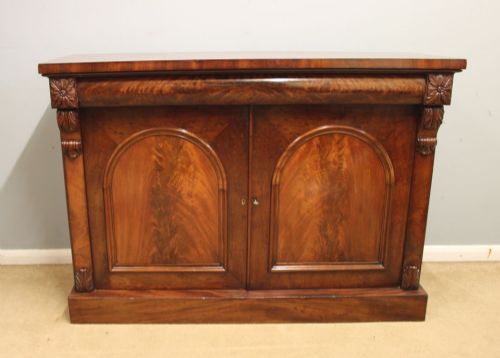
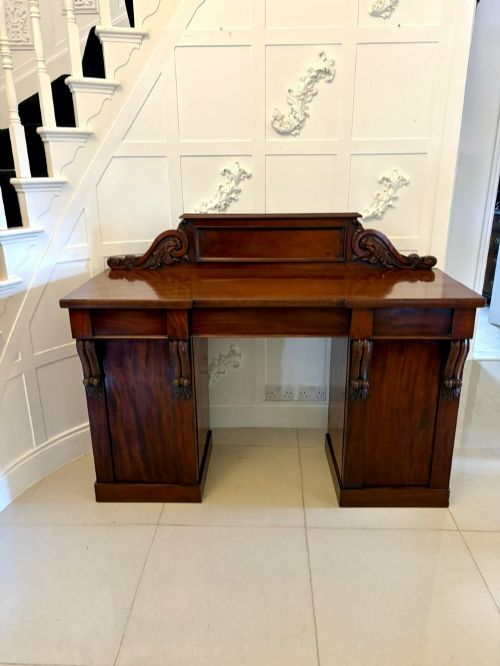
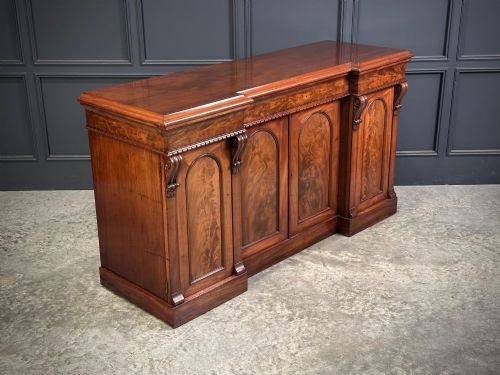
A victorian dining credenza is a heavy wooden cabinet designed for nineteenth-century dining rooms to store tableware, linen and serving dishes. These pieces appear frequently alongside related sideboard, chiffonier and buffet forms across the nineteenth-century period.
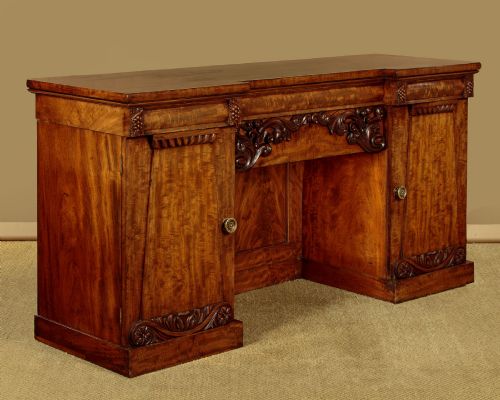
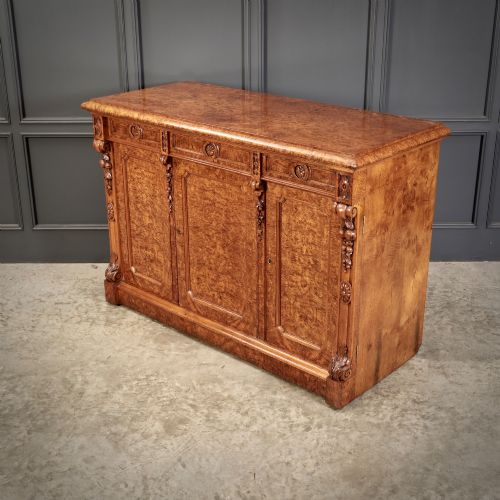
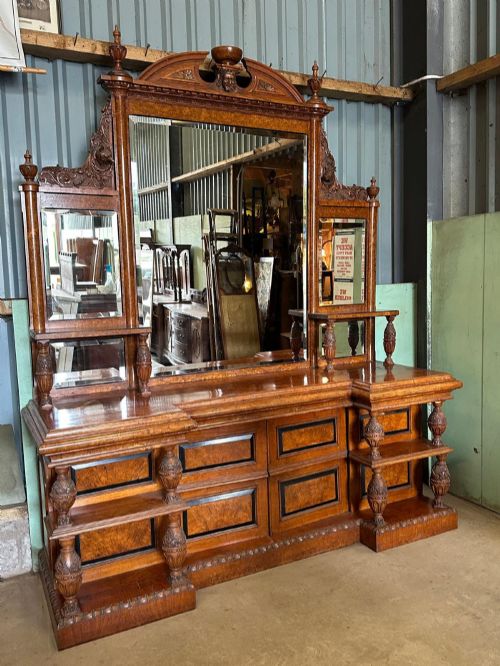
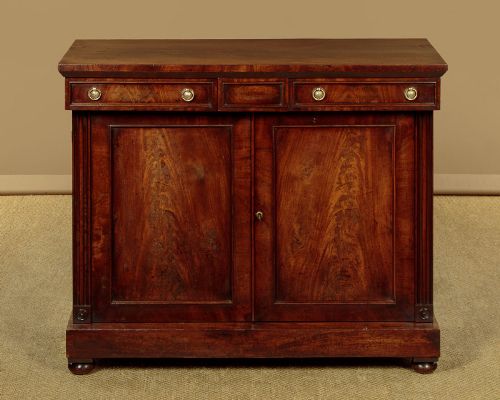
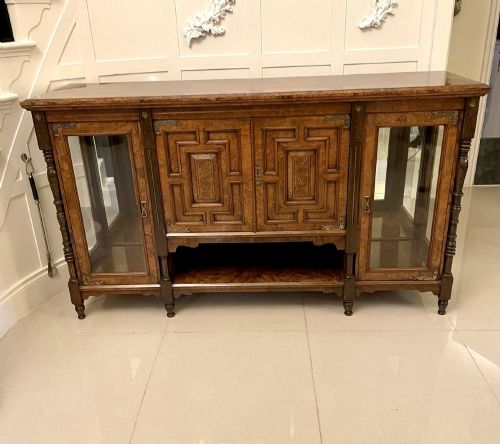
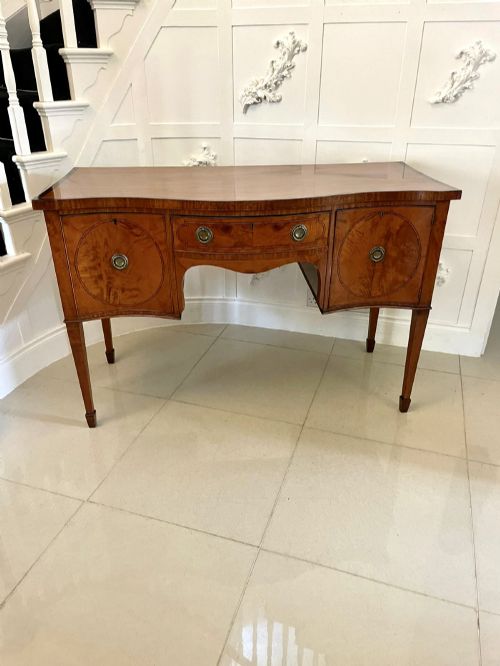
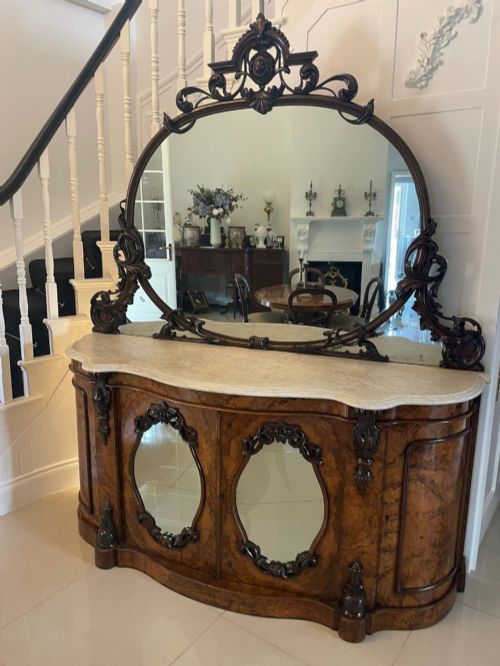
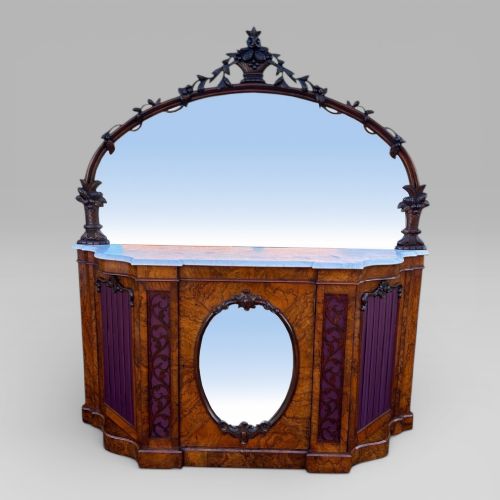
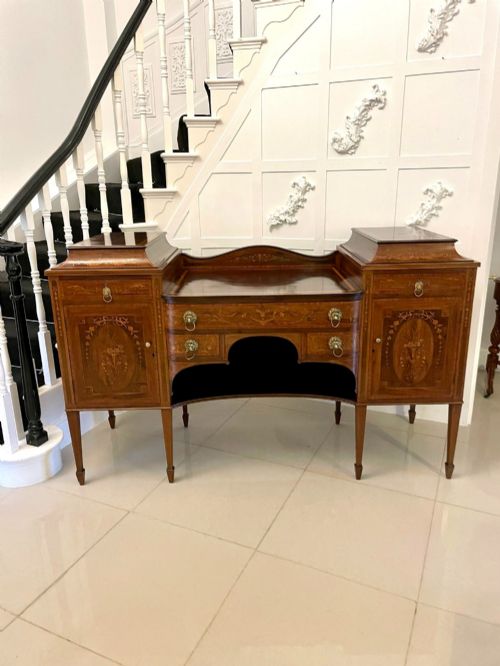
Makers often integrated mirrors, carved backs or marble tops into the design, reflecting the diverse revival styles of the era from Gothic to Renaissance. Buyers encounter variations ranging from simple mahogany servers to highly figured burr walnut and pollard oak cabinets with marquetry inlay.
The domestic role of these cabinets required ample interior capacity, leading to combinations of drawers, cupboards and tiered shelves. Surviving examples demonstrate how dining room furniture evolved to display household wealth through dense timber grains and intricate carving.
Materials and construction
Cabinet makers built these pieces using solid timbers like oak, mahogany and rosewood, frequently applying decorative veneers such as burr walnut, flame mahogany and pollard oak to prominent surfaces. These figured veneers required precise cutting to create symmetrical grain patterns across doors and panels.
Secondary construction relied on traditional joinery techniques, paired with applied brass hardware, glass panels and occasionally inset marble tops for durability and display. Carved ornamentation, floral marquetry and mother-of-pearl inlay frequently embellished the structural framework.
Listings feature walnut, mahogany and oak across multiple revival styles including Gothic, Renaissance and Sheraton.
Assessing quality and execution
Quality rests primarily on the selection of timber veneers and the depth of the hand-carving applied to the solid wood framework. Finely figured burr walnut or pollard oak indicates a superior grade of furniture compared to plain utility timbers.
The precision of the cabinet maker's joinery, the integration of marquetry or inlay, and the crispness of applied mouldings distinguish high-status pieces from standard production. Interior fittings, original brass hardware and substantial marble slabs further separate workshop output.
Hewetsons London
The Victorian Dining Credenza Glossary
- Credenza
- A low cabinet or sideboard used for storing dining room accessories and displaying decorative objects. This form frequently incorporates mirrored backs and glazed doors in nineteenth-century examples.
- Chiffonier
- A compact sideboard or low cabinet, often fitted with a shelf or mirror on the upper section. These pieces served similar functions to larger sideboards in more modest nineteenth-century dining spaces.
- Burr walnut
- A decorative wood veneer taken from the knotted growth of a walnut tree. It produces highly swirled, complex grain patterns prized by Victorian cabinet makers.
- Marquetry
- The art of applying pieces of veneer to a structural structure to form decorative patterns or pictures. This technique often utilised contrasting timbers to create floral or geometric designs.
- Pollard oak
- Timber harvested from trees that were pollarded, resulting in a dense, heavily grained wood with characteristic cluster marks. Victorian workshops utilised this distinctive material for substantial buffet and sideboard doors.
Victorian Dining Credenza: Frequently Asked Questions
What is a victorian dining credenza used for?
These large cabinets served nineteenth-century dining rooms by storing heavy silver, table linen and serving dishes behind closed doors. The upper surfaces and display tiers held glassware or decorative items during formal meals.
Today, they function effectively in modern dining rooms or large living spaces, providing substantial concealed storage while anchoring the room's decorative style through rich timber grains and carved details.
How do sideboards differ from chiffoniers?
Sideboards are typically larger, heavier pieces designed for principal dining rooms with extensive cupboard and drawer space. Chiffoniers represent a more compact variation, often featuring a low superstructure or shelf supported by small columns.
Both forms belong to the broader family of nineteenth-century dining furniture, though chiffoniers generally suit smaller rooms where full-scale sideboards overwhelm the floor space.
How do I date a nineteenth-century credenza?
Dating relies on observing the prevailing revival styles, timber choices, and construction methods recorded across the period. Early Victorian pieces often display simpler mahogany forms, while mid-to-late Victorian examples frequently incorporate burr walnut, heavy oak carving, or Renaissance revival motifs.
Hardware styles, mirror backing techniques and recorded maker labels further narrow down the decade of production for individual cabinets.
Are marble tops original to these cabinets?
Many nineteenth-century sideboards and credenzas featured inset marble slabs to provide a durable, heat-resistant surface for serving food and displaying ceramics. These heavy stone tops were integrated into the initial design rather than added later.
Checking the surrounding wooden rebate and structural support helps confirm that the marble surface matches the period and construction of the cabinet base.