
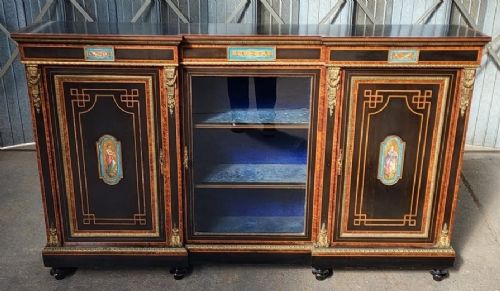
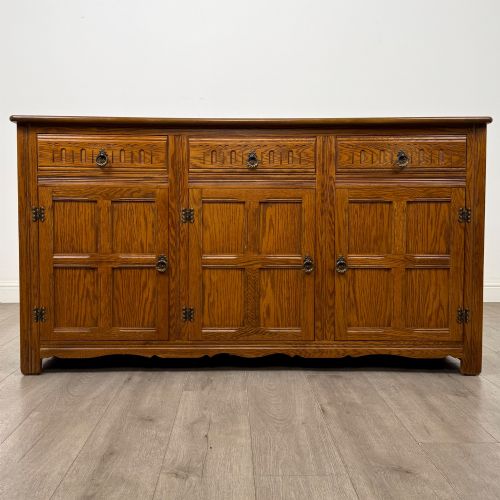
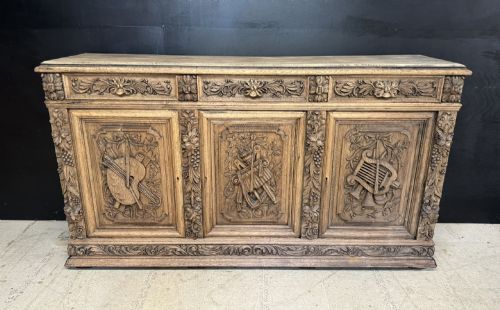
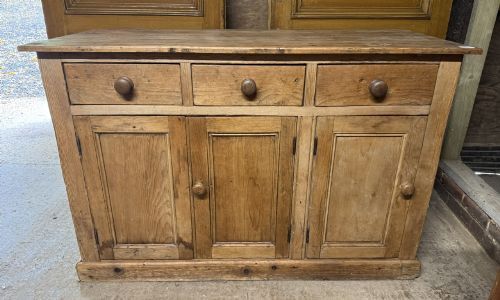
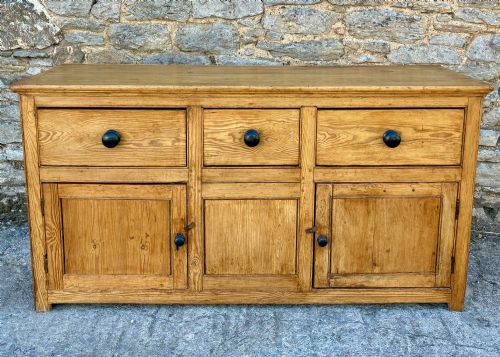
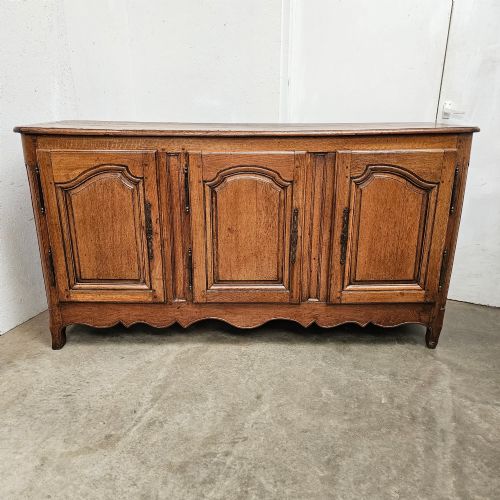
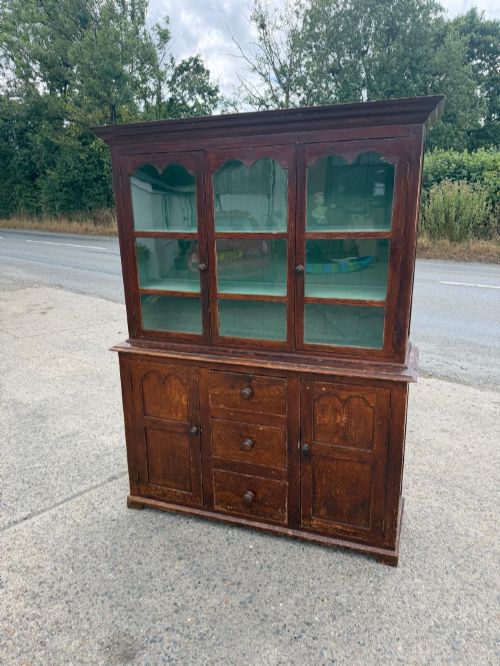
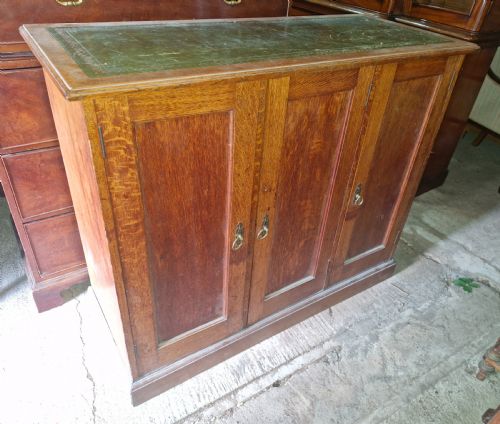
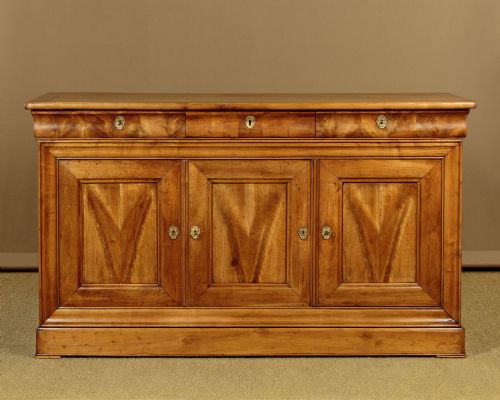


Three Door Sideboard
A three door sideboard provides generous dining room storage while anchoring a room with substantial timber presence.
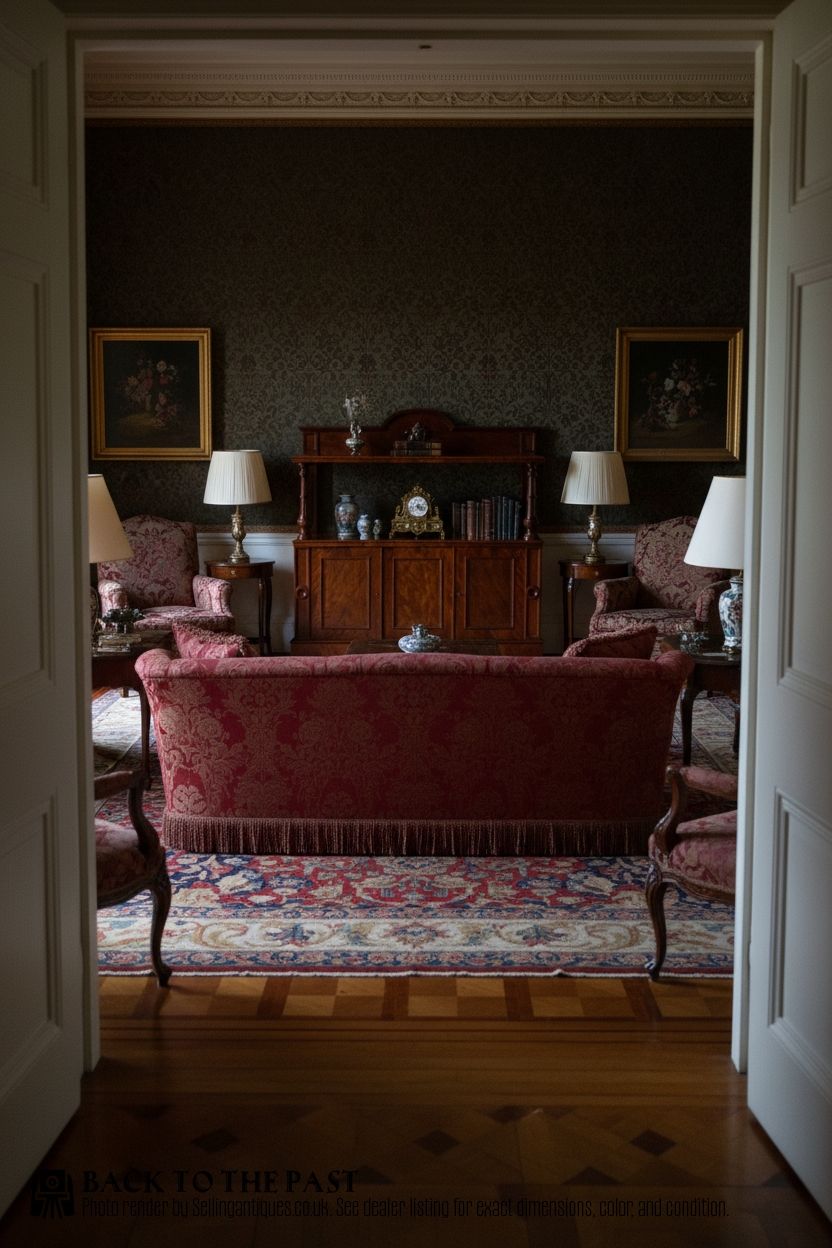
Identifying a three door sideboard
A three door sideboard serves as a practical storage piece for dining rooms and reception spaces, offering cupboards concealed behind three distinct panels. When you search for a three door sideboard, you encounter examples spanning the eighteenth and nineteenth centuries, including Victorian mahogany designs and French provincial enfilades.
The configurations on this page include formal Victorian buffets and chiffoniers alongside earlier continental forms in cherrywood, burr ash, and oak. These storage pieces often incorporate drawer space above the cupboards, balancing utility with traditional craftsmanship.
Originating from British and French workshops, these items reflect the stylistic shifts from Georgian proportions to the heavier ornamentation of the nineteenth century. The examples range from restrained mahogany carcasses to deeply carved French Renaissance revival pieces.
Materials and construction
Cabinetmakers utilised dense hardwoods such as mahogany, oak, and cherrywood to build the structural carcasses of these sideboards. Flame mahogany veneers and burr ash added striking grain patterns to the primary facades, contrasting with the solid timber frames.
Construction techniques involve traditional joinery, with panelled doors hung on robust hinges and drawers constructed with hand-cut joints. Brass hardware, including escutcheons and handles, provides functional detail across the period pieces.
Retail Price Guide 2026
Typical UK retail prices for three door sideboard, calculated from the Sellingantiques database of over a million retail prices indexed since 2003. This retail price guide relies exclusively on Sellingantiques data; no external sources or auction records are used, so the figures do not describe the wider market.
The archive records both British mahogany sideboards and French provincial cherrywood enfilades.
Judging quality in construction and timber
Quality reveals itself in the selection of timbers, where carefully matched flame mahogany veneers or burr ash create harmonious visual depth across the three doors. Lesser pieces rely on plain or poorly figured timber with less attention paid to grain continuity.
The refinement of the carving and the integrity of the structural joinery separate standard production from superior craftsmanship. Finer examples display crisp detail in applied mouldings and drawer construction that withstands decades of daily use.
James Shoolbred and Co
The Three Door Sideboard Glossary
- Enfilade
- A long sideboard or buffet, typically of French origin, featuring a sequence of cupboards along the front. This form developed for serving food and storing dining linen in large country houses.
- Chiffonier
- A low cabinet or sideboard featuring cupboards enclosed by doors, often surmounted by a shelf or a raised back. In nineteenth-century pieces, this form frequently served smaller dining rooms.
- Flame mahogany
- A veneer cut from the fork of the mahogany tree, producing a distinctive flickering flame pattern. Cabinetmakers prized this figure for prominent door panels.
- Burr ash
- Timber taken from the burls or growths on ash trees, showing swirling, knotted grain patterns. It provides high decorative contrast when applied to furniture facades.
Frequently Asked Questions
What is a three door sideboard used for?
These pieces provide substantial interior storage for dining rooms, typically housing tableware, glassware, and linens behind lockable cabinet doors. The top surface offers a convenient area for serving food or displaying decorative objects during gatherings.
Historically, they anchored the dining room as both utility furniture and status symbols. Their deep cupboards accommodate bulky items that smaller cabinets cannot manage.
How do I date a three door sideboard?
Dating relies on examining the timber species, secondary woods, construction methods, and stylistic cues present in the carcass and hardware. Eighteenth-century pieces often feature French cherrywood or oak, while Victorian examples frequently utilise mahogany with bolder proportions.
Secondary elements like brass escutcheons, drawer linings, and backboards provide further clues to the decade of manufacture. Comparing the carved details against known period styles helps narrow the origin.
Where should I place a three door sideboard?
These sideboards suit dining rooms, large hallways, or spacious living areas where their length and storage capacity function effectively. They require a substantial wall to anchor the room visually without overwhelming the surrounding space.
Ensure there is adequate clearance for the three doors to open fully without striking dining chairs or other furniture. Positioning them away from direct heat sources protects the antique timber veneers.
How do I care for antique timber?
Maintain antique mahogany, oak, and cherrywood by dusting regularly with a soft, dry cloth and avoiding silicone-based polishes. Period wax applied sparingly preserves the finish and nourishes the dry wood fibres over time.
Keep the sideboard away from direct sunlight and sudden humidity changes to prevent the timber from warping or the veneers from lifting. Stable indoor conditions ensure the cabinet doors continue to close smoothly.