


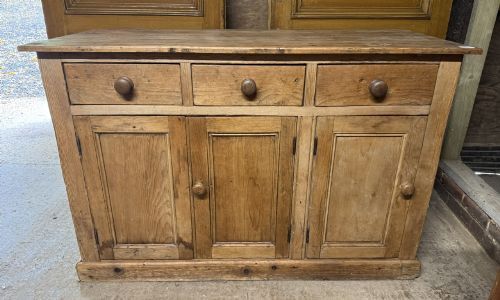
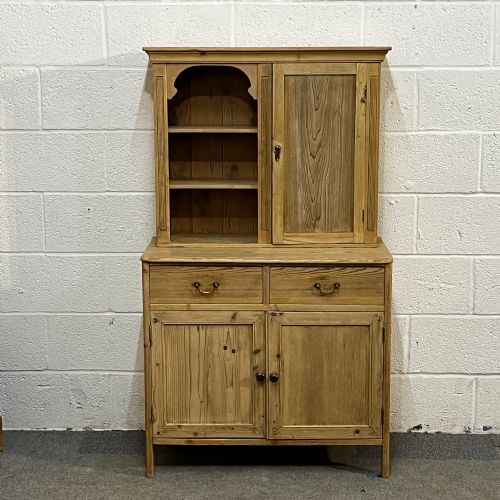
Victorian Cupboard Sideboard
A victorian cupboard sideboard brings substantial storage and distinct nineteenth-century craftsmanship into a dining room or hallway.
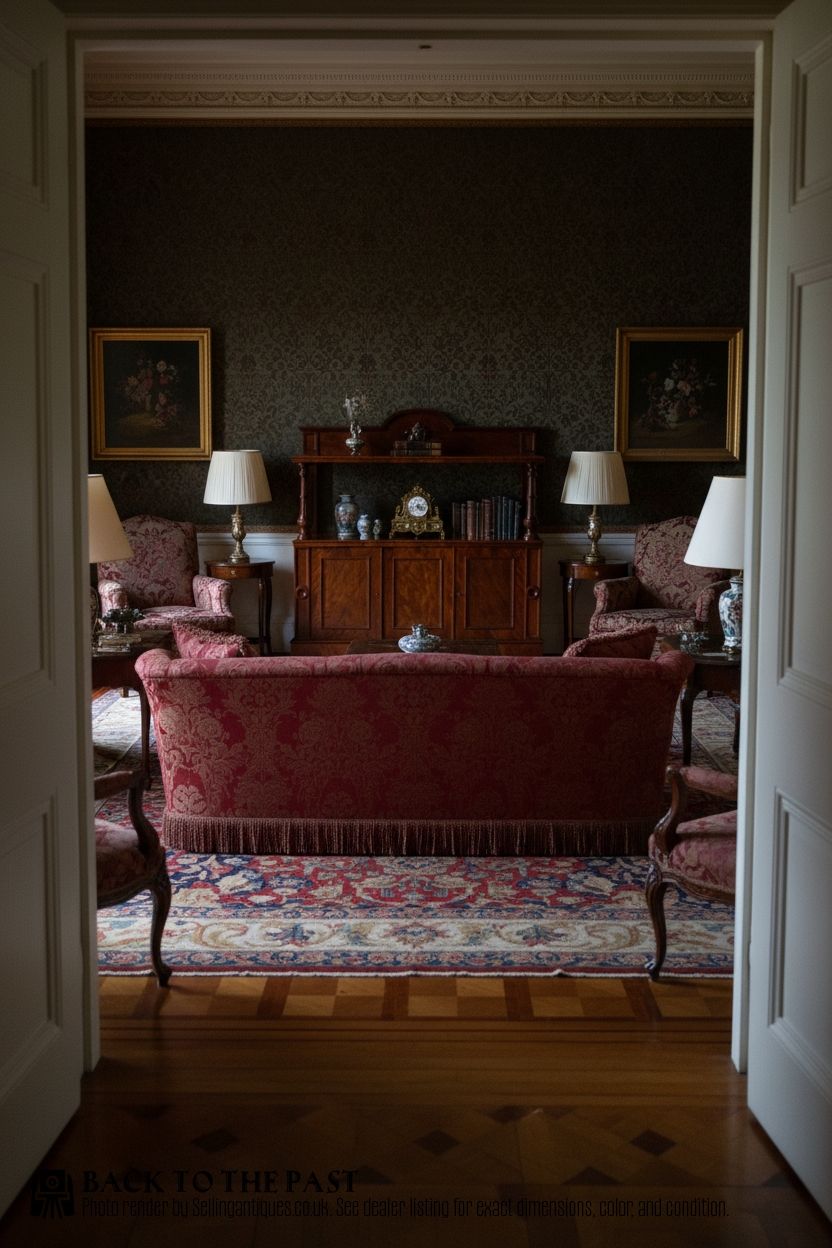
Victorian Cupboard Sideboard
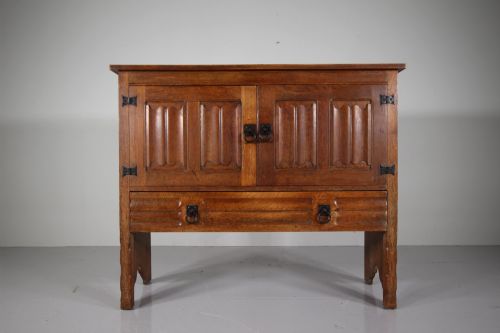
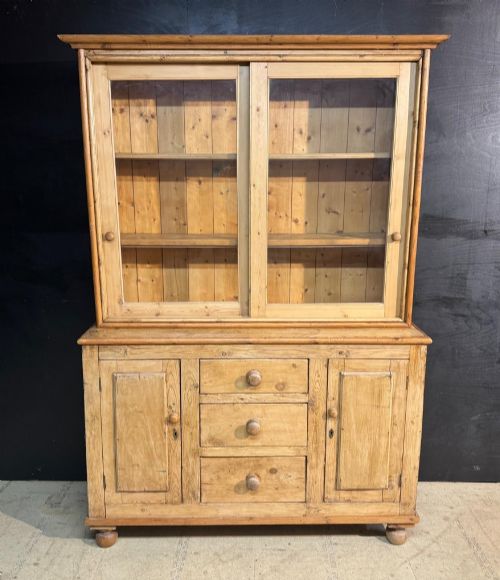
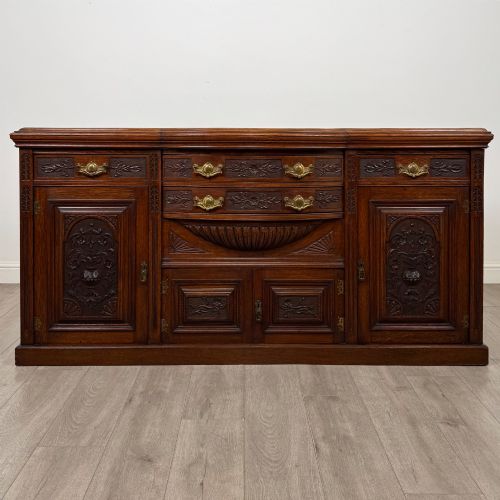
A victorian cupboard sideboard combines deep enclosed shelving with a wide serving surface, originating to serve dining rooms and large kitchens during the nineteenth century. These sturdy storage pieces frequently appear in robust oak, flame mahogany, and utilitarian pine.
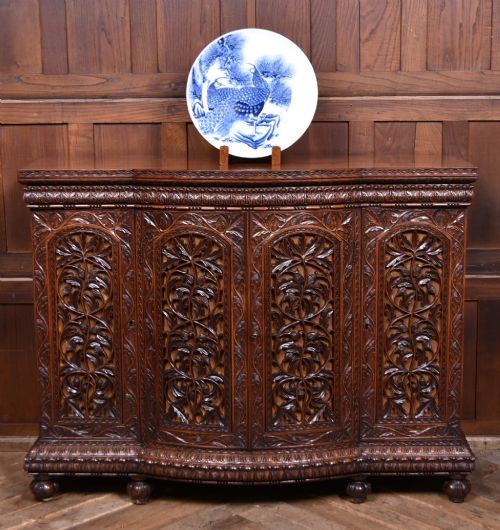
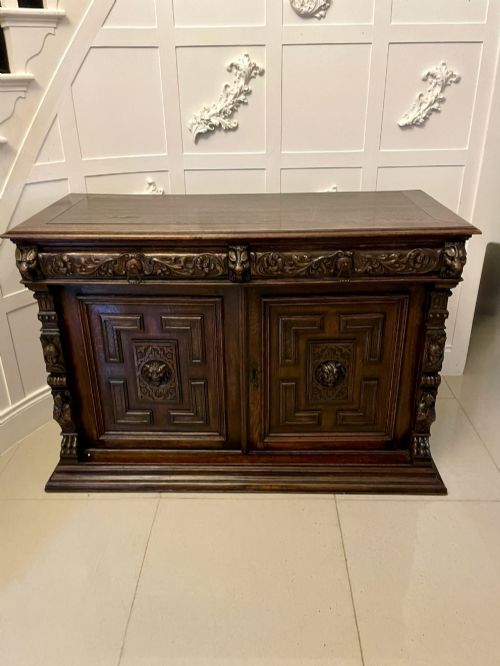
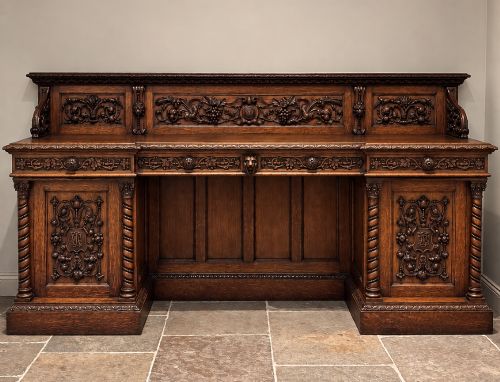
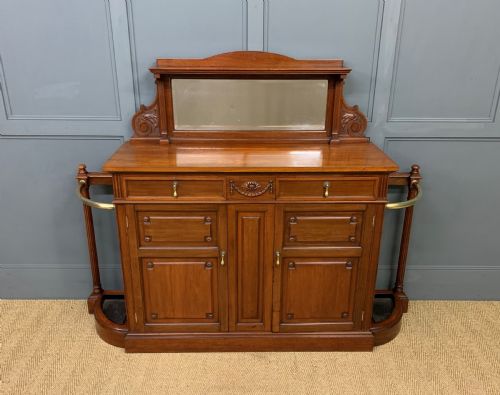
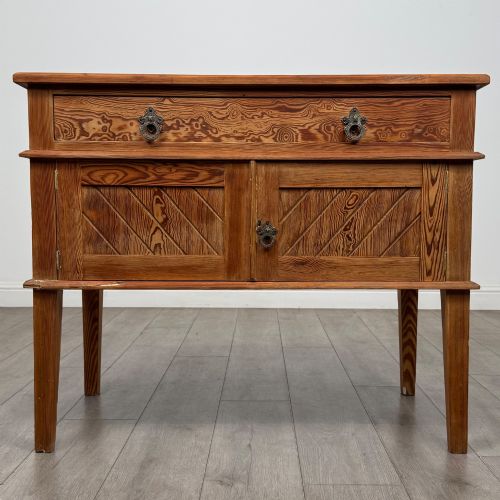
Buyers encounter numerous regional variants, from heavily carved Gothic revival pieces to simpler Victorian country pine dressers and chiffoniers. The selection ranges from grand multi-door oak buffets to compact two-door server cupboards designed for smaller spaces.
How They Were Made
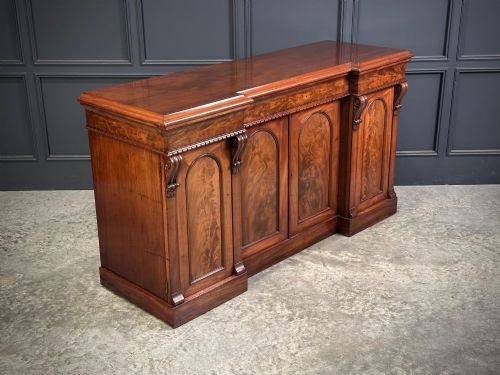
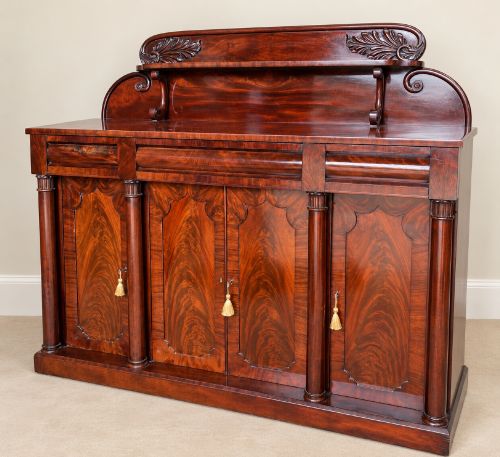
Cabinetmakers constructed these pieces using dense hardwoods like mahogany, walnut, and oak, alongside domestic softwoods such as pine for kitchen and pantry furniture. Surfaces often feature figured veneers, including flame mahogany and burr walnut, laid over solid timber carcases.
Joinery techniques relied on traditional mortise and tenon frames, hand-cut dovetails for drawer construction, and panelled doors fitted with brass handles and iron hardware. Many examples incorporate decorative elements like carved mouldings, mirrored backs, and glazed upper cabinets.
Several listings include dog kennel dressers, offering a dedicated central recess originally intended for household pets.
What Varies in Quality
Quality rests upon the selection of timber, visible in the grain pattern of figured veneers and the choice of solid native hardwoods over secondary softwoods. Superior pieces exhibit crisp, hand-carved ornamentation and balanced proportions rather than mechanical uniformity.
Construction integrity defines the upper tier, seen in the smooth operation of panelled doors, dovetailed drawer linings, and the survival of original brass or iron hardware. Alterations, replaced timber, and compromised structural joints separate utilitarian workshop output from master cabinetmaker commissions.
Shoolbred & Co.·Edwards & Roberts·Gillows
The Victorian Cupboard Sideboard Glossary
- Chiffonier
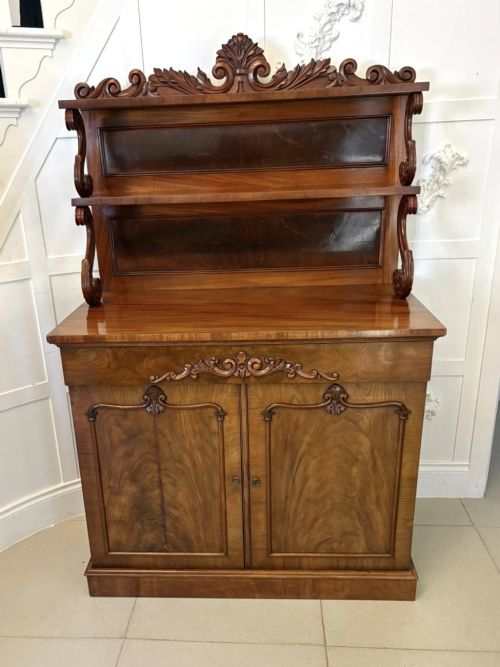
- A compact wooden sideboard featuring enclosed lower cupboards, sometimes surmounted by a shelf or mirror back. This form gained popularity during the mid-nineteenth century for smaller drawing rooms.
- Flame mahogany
- A timber veneer displaying a dramatic, flickering flame-like grain pattern. Cabinetmakers selected these figured sections for prominent drawer fronts and central cabinet doors.
- Welsh dresser
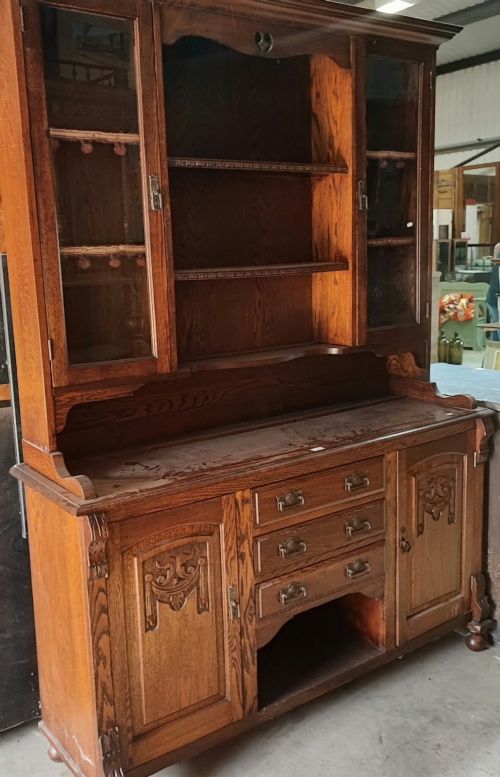
- A traditional kitchen storage unit combining lower cupboards or drawers with upper display shelving. Pine and oak remain the primary timbers utilised in these domestic pieces.
- Gothic Revival
- An architectural and decorative style drawing inspiration from medieval forms. Pieces in this manner feature pointed arches, heavy linenfold panelling, and deep carved mouldings.
- Breakfront
- A furniture configuration where the central section projects forward from the flanking cabinets. This layout creates visual depth across large sideboards and bookcases.
Victorian Cupboard Sideboard: Frequently Asked Questions
What is a victorian cupboard sideboard?
A victorian cupboard sideboard is a nineteenth-century storage item combining enclosed lower cabinets with a flat top surface. These pieces served dining rooms, halls, and kitchens for storing crockery, linen, and provisions.
They appear in various timbers including mahogany, oak, and pine, reflecting both formal reception rooms and vernacular domestic spaces.
How do I style one in a modern home?
These sideboards function effectively as dining room server units, hallway storage points, or living room media consoles. Their deep cupboards accommodate tableware and household items while the surface provides space for lamps and display objects.
Pairing a dark mahogany or carved oak piece with minimalist surroundings highlights the nineteenth-century timber grain and craftsmanship.
How can I tell the period?
Dating relies on timber choices, construction methods, and stylistic ornament such as Gothic revival carving or classical mahogany veneers. Mid-nineteenth-century examples frequently utilise flame mahogany and rosewood, while later decades favour heavily carved oak and walnut.
Drawer construction methods, such as hand-cut dovetails, and original brass or iron hardware offer further indicators of nineteenth-century manufacture.
Are pine versions different from hardwood ones?
Pine versions generally originate from domestic kitchens, dairies, and country houses, functioning as practical dressers and utility cupboards. Hardwood variants in mahogany, oak, and walnut typically belonged to formal dining rooms and parlours.
Pine furniture often retains traces of original paint or wax finishes, whereas hardwood pieces showcase polished grain and decorative veneers.