

Victorian Dining Carver Chairs
These Victorian dining carver chairs bring solid nineteenth-century timber and generous arm support to the head of the table.
Victorian Dining Carver Chairs
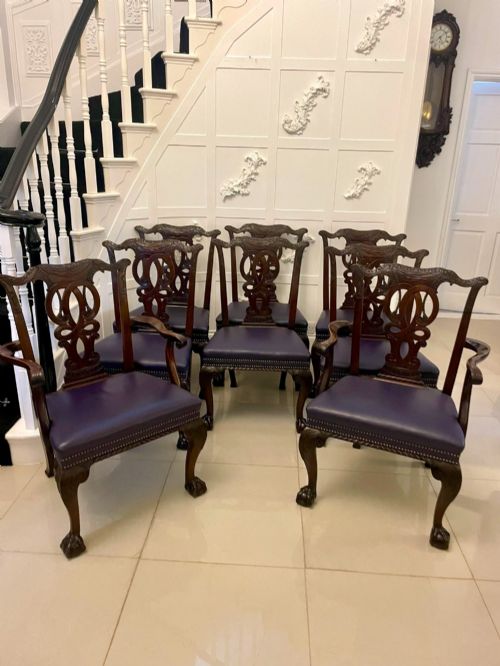
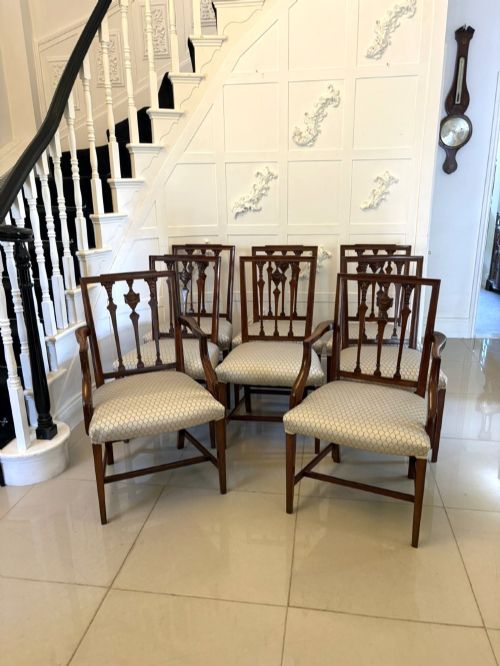
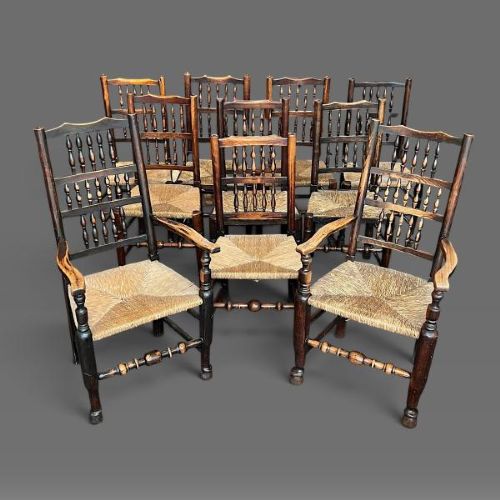
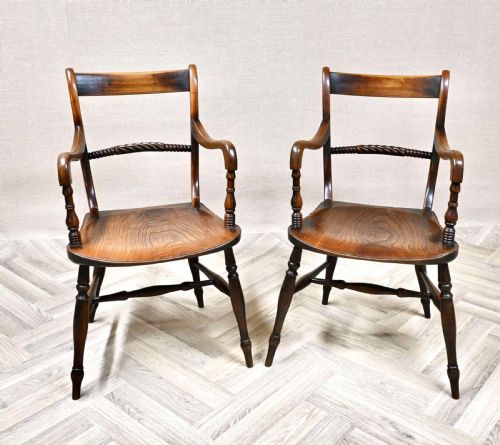
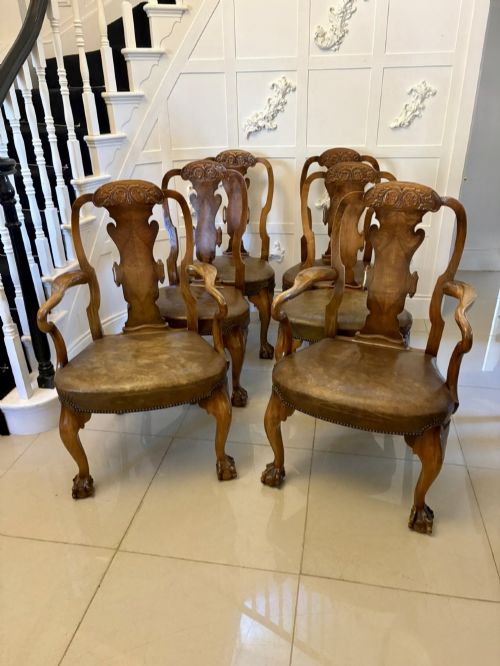
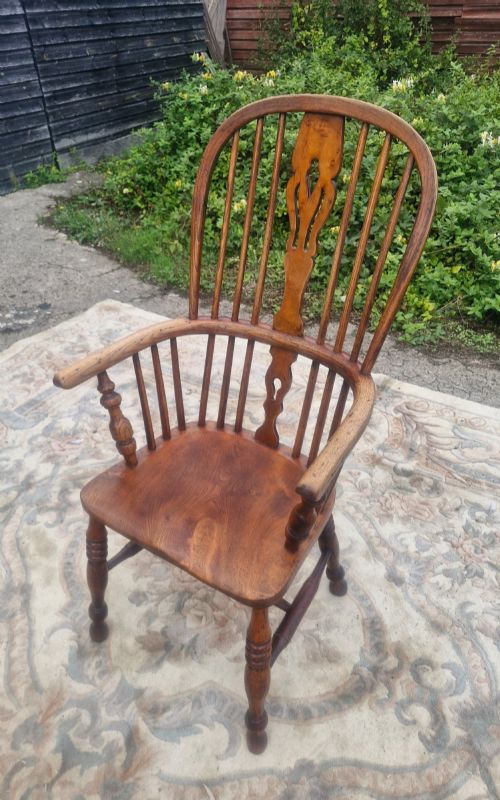
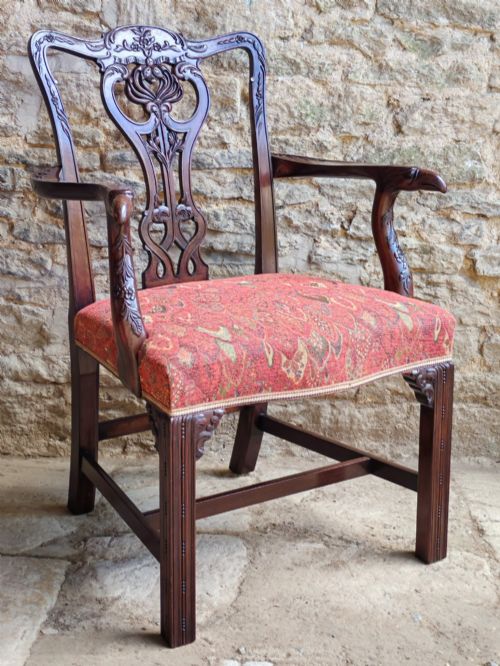
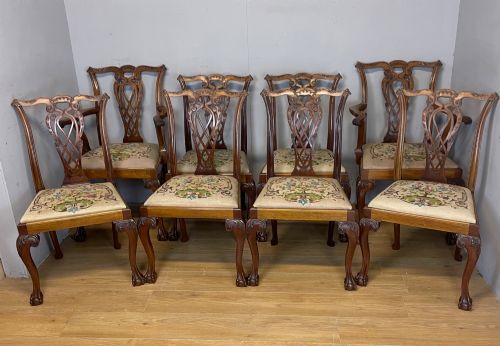
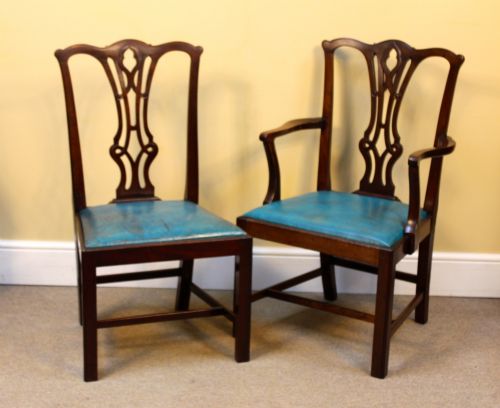
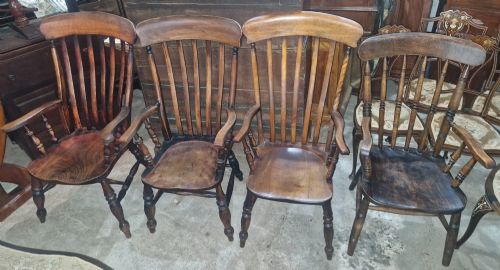
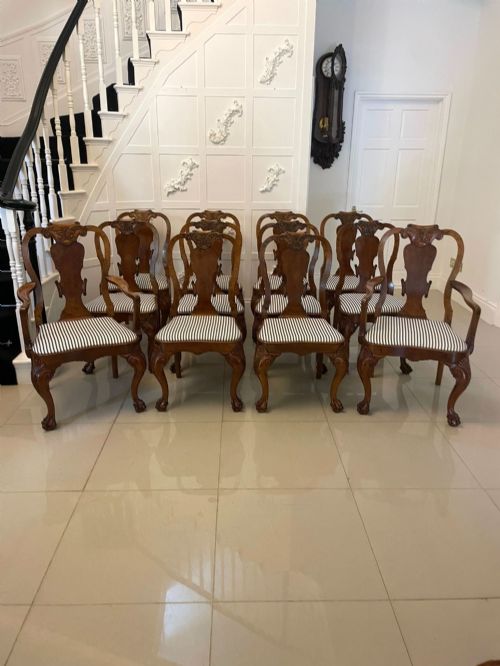
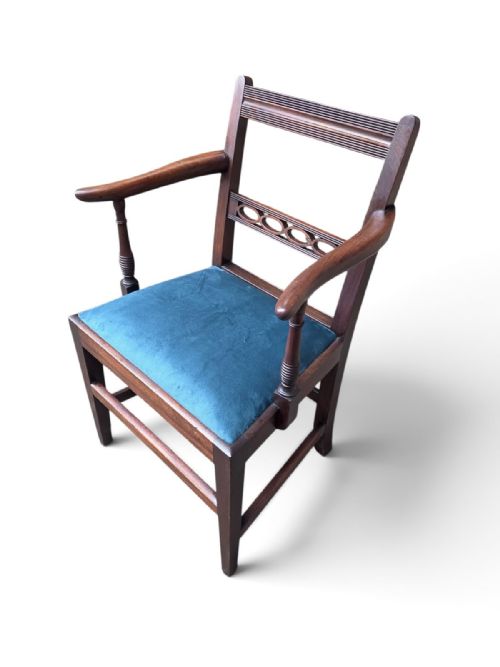
Victorian dining carver chairs combine formal parlour seating with sturdy country vernacular forms, typically appearing as armchairs designed to match sets of single dining chairs. You will encounter formal mahogany models with carved splats alongside robust elm and beech Windsor armchairs built for farmhouse kitchens.
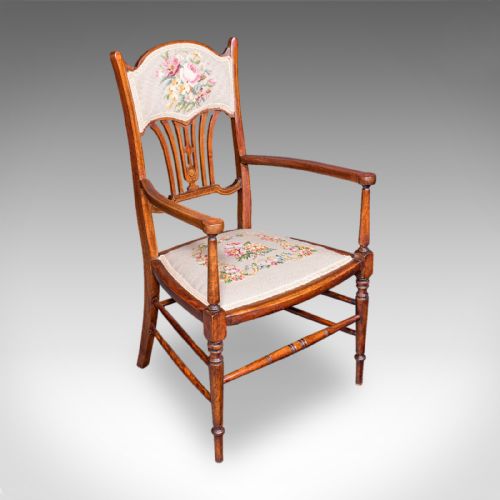
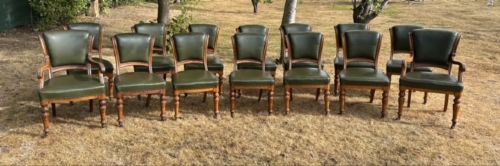
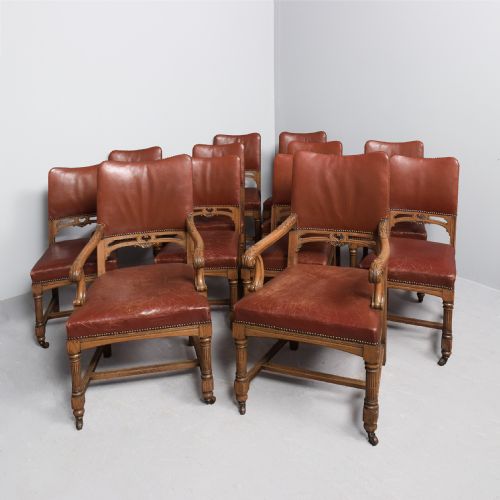
The phrase encompasses everything from heavy oak Gothic Revival seating to elegant Chippendale and Hepplewhite revival armchairs with upholstered seats in leather or fabric. Most examples emerge from the nineteenth century, reflecting diverse regional cabinet-making traditions across England.
Makers often paired two carvers with six or eight matching side chairs to complete a dining suite for larger households. These seating pieces served primarily at the ends of the dining table, offering broader proportions and supportive armrests for the host.
Materials and construction methods
Cabinet-makers relied heavily on dense mahogany, oak, and walnut for formal dining carvers, often employing carved details, shield backs, and pierced splats. Country workshops favoured native timbers such as elm, ash, and beech, turning spindles and steaming wood for Windsor and barback armchairs.
Joinery combined traditional mortise and tenon framing with substantial corner blocks to withstand daily use at the dining table. Seat bases were dropped in and upholstered in leather, horsehair fabric, or tapestry, then secured with brass tacks.
Some nineteenth-century Windsor armchairs still bear the deep, pocket-worn saddle seats of generations past.
Judgments of craftsmanship
Quality rests in the crispness of the timber carving and the integrity of the structural frame beneath the upholstery. Superior carvers display deep, hand-carved relief work on the knuckles and splats rather than shallow, machine-cut patterns.
Weight and balance distinguish finer parlour pieces from utilitarian kitchen seating, with tighter joints and well-seasoned timbers preventing wobble. Original timber surfaces and undisturbed joinery carry greater merit than heavily restored or replaced components.
Howard and Sons·Warings·Gillows·William Morris
The Victorian Dining Carver Chairs Glossary
- Carver chair
- An armchair designed to match a set of dining chairs, traditionally placed at the head of the table. These seats feature supportive armrests integrated into the wooden frame.
- Bar back
- A chair style featuring a horizontal wooden slat across the upper backrest, often curved for comfort. This form appears frequently in nineteenth-century country and provincial seating.
- Shield back
- A Hepplewhite-inspired chair back shaped like a rounded shield, popular during the revival periods. Cabinet-makers carved delicate honeysuckle or urn motifs into the central splat.
- Windsor
- A traditional wooden chair built with structural spindles inserted into a solid carved wooden seat. Provincial makers utilised bent ash for the bow and elm for the saddle seat.
- Splats
- The vertical wooden strip positioned down the centre of a chair back. Carved or pierced splats define the stylistic period of formal dining seating.
Victorian Dining Carver Chairs: Frequently Asked Questions
What is a carver chair?
A carver chair is an armchair built with supportive wooden armrests, traditionally placed at the head and foot of a dining table. They accompanied sets of matching side chairs for the hosts.
Cabinet-makers designed these seats with wider proportions to accommodate formal dining attire and prolonged sitting during long evening meals.
How do I match carvers with single chairs?
Matching carvers to single chairs involves comparing timber species, leg styles, and backrest motifs across the set. Many nineteenth-century suites were sold as a complete package of six side chairs and two armchairs.
Look for consistent turning on the front legs and matching wood grain to ensure the armchairs belong to the original dining suite.
Were carvers used every day?
These armchairs served daily family meals in country farmhouses as well as formal dining routines in town residences. Sturdy woods like oak and elm endured constant family use.
Kitchen and Windsor versions handled heavy daily wear, while mahogany parlour carvers remained preserved for formal entertaining and Sunday gatherings.
How do I care for leather seats?
Leather upholstery on nineteenth-century dining chairs requires gentle cleaning with a damp cloth and periodic treatment with appropriate leather dressings. Avoid harsh chemical cleaners that strip natural oils.
Keeping the leather conditioned prevents cracking and preserves the original tan or red finish found on many antique examples.