

19th Century Mahogany Seating
These 19th century mahogany seating options offer enduring craftsmanship and robust timbers, bringing period character and functional grace to any interior.
19th Century Mahogany Seating
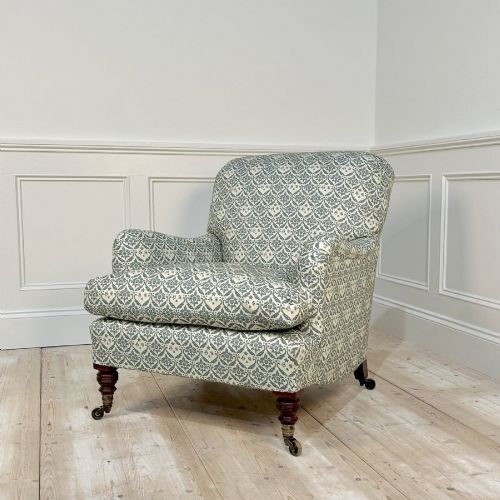
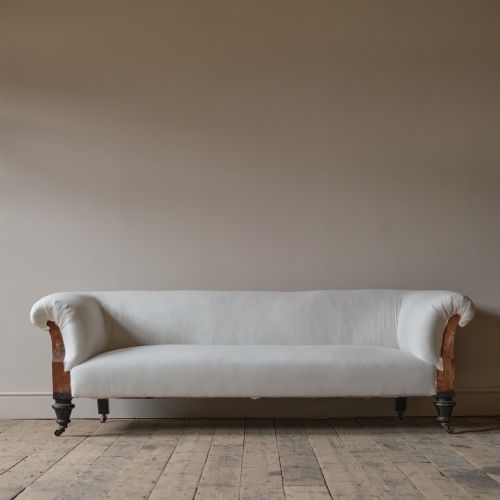
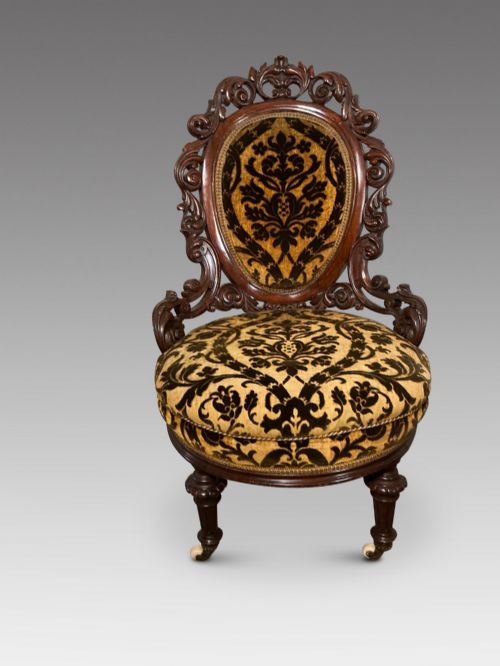
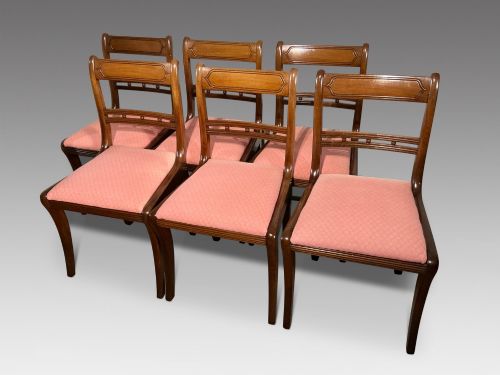
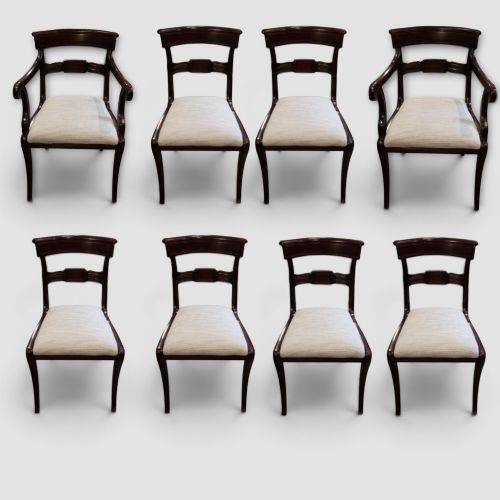
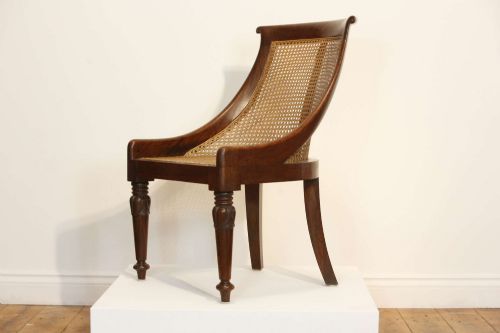
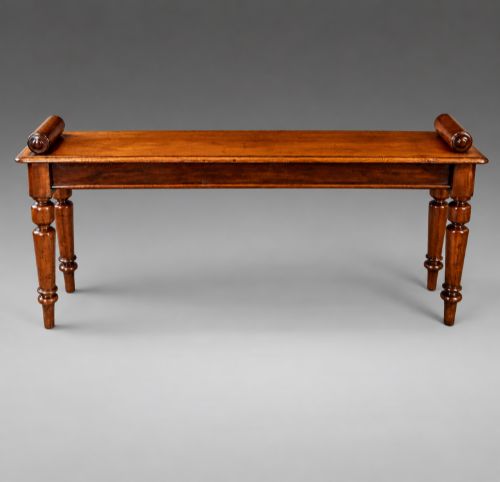
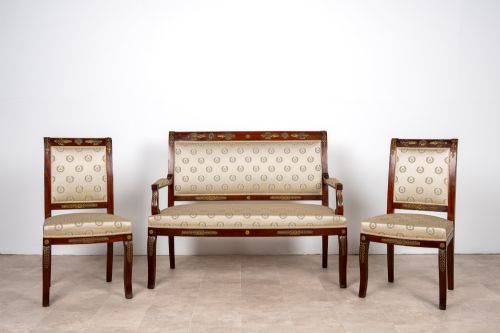
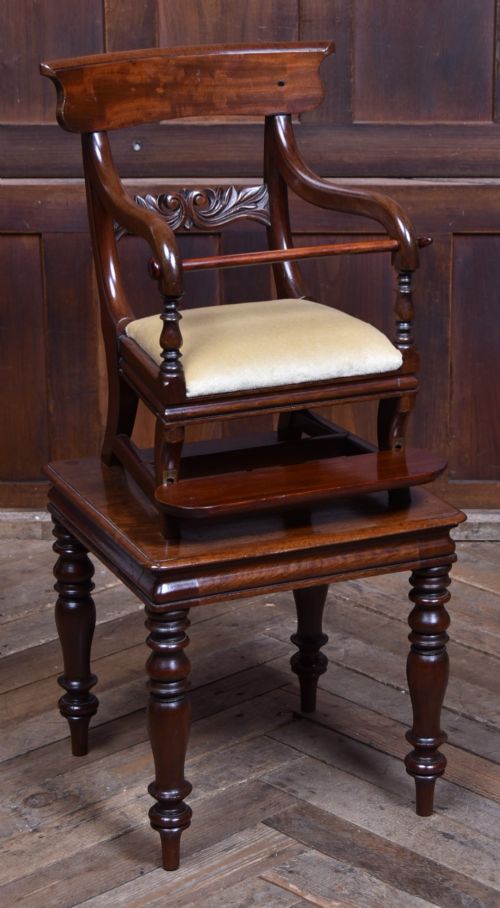
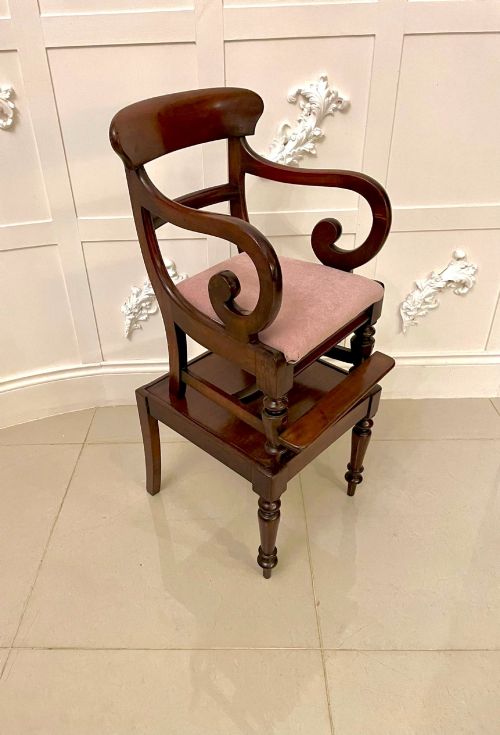
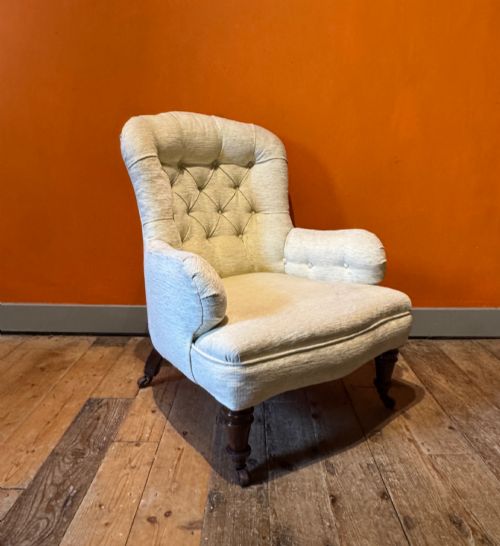
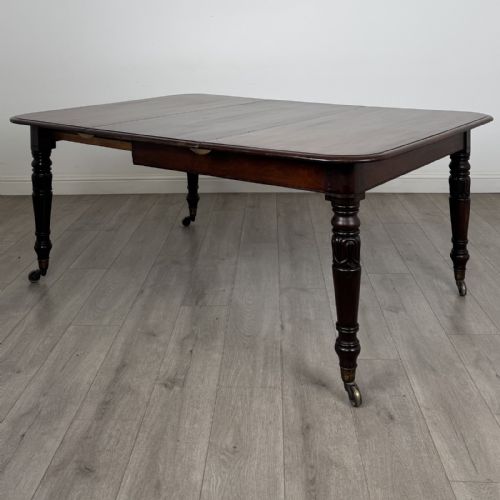
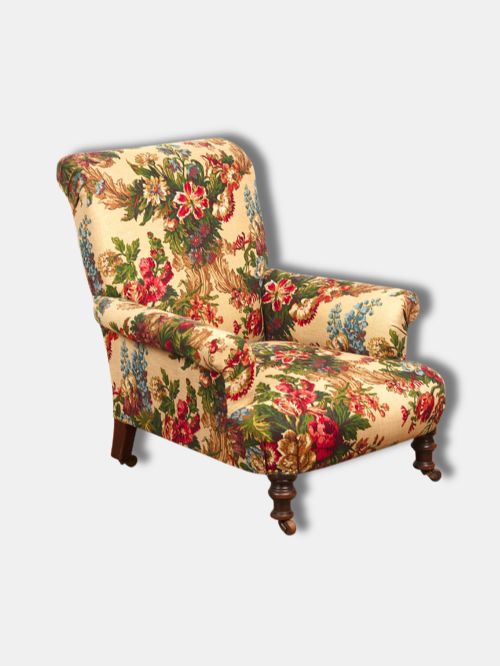
When searching for 19th century mahogany seating, buyers encounter a diverse array of forms designed for various rooms and functions across domestic spaces. The selections span from large matching sets of dining chairs and libraries seats to individual hall chairs, window benches, music stools, and comfortable armchairs.
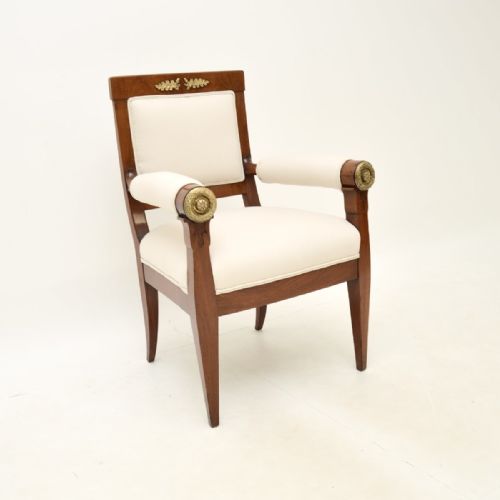
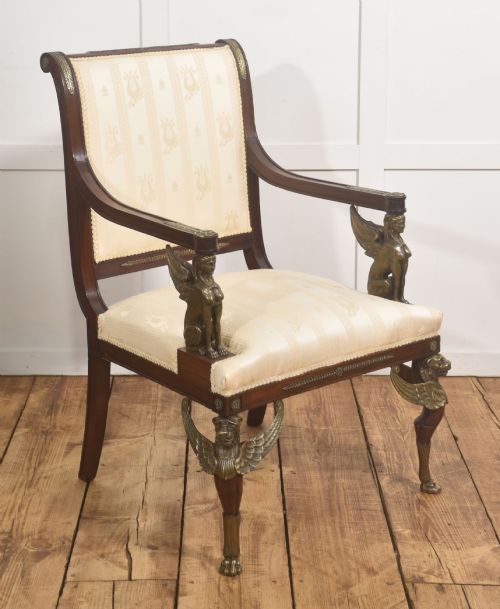
The objects originate from specific stylistic movements including Regency, William IV, Victorian, and French Empire, alongside revivals inspired by Chippendale, Hepplewhite, and George III designs. Dining chairs and reception armchairs appear most frequently, constructed to meet the social and domestic demands of past households.
Materials and Construction
Cabinetmakers utilised dense, richly figured mahogany as the primary timber, sometimes supplemented by brass inlays, structural brackets, or castors. Frames frequently incorporate carved details such as shield backs, balloon backs, ladder backs, and crown motifs executed directly into the solid wood.
Upholstered items integrate traditional stuffing materials covered in fabrics, leather, calico, velvet, or patterned upholstery fabric. Certain specialised pieces combine mahogany frames with secondary elements like papier-mâché or intricate turned legs.
19th Century Mahogany Seating Retail Price Guide 2026
Typical asking prices for 19th century mahogany seating among the pieces listed under this phrase on Sellingantiques today, from the lower quarter to the upper quarter. They describe what is for sale here now, not the wider market.
Listings feature dining chairs, armchairs, hall chairs, benches, and music stools spanning the Victorian, Regency, and William IV periods.
Variations in Quality
The standard of 19th century mahogany seating depends largely on the crispness of the timber carving and the integrity of the original construction joints. Pieces attributed to prominent cabinetmakers or notable design houses display superior timber selection and more fluid proportions.
Completeness within large matched sets heavily influences desirability, as does the survival of original upholstery fabrics, leather surfaces, and genuine brass fittings. Items retaining patination built through decades of use demonstrate distinct visual depth compared to overly restored examples.
Jennens & Bettridge·Gillows·Howard & Sons·Morris & Co
The 19th Century Mahogany Seating Glossary
- Balloon Back
- A chair back shaped in a continuous curved loop resembling a balloon, popular during the Victorian era. This form provides ergonomic support while presenting an elegant silhouette.
- Regency
- A style period spanning the early decades of the 19th century, characterised by classical motifs and influences from ancient Rome and Greece. Furniture from this era often incorporates clean lines and dark mahogany timbers.
- William IV
- A transitional design period occurring between the late Regency and early Victorian eras, noted for robust proportions and scrolled armrests. Pieces from this time frequently display heavy, confident carving.
- Hall Chair
- A rigid wooden seat intended for placement in an entrance hallway rather than prolonged sitting, often featuring a painted family crest or carved wooden back. These items emphasise architectural presence over plush comfort.
- Library Chair
- A sturdy armchair designed for study rooms, commonly featuring upholstered arm pads and supportive backrests. They utilise durable mahogany frames to withstand daily academic use.
19th Century Mahogany Seating: Frequently Asked Questions
How do I identify a Regency dining chair?
Regency dining chairs typically exhibit classical lines, saber legs, and restrained carved details influenced by ancient Greek and Roman furniture. They make use of dark mahogany and often feature brass inlay or reeded components.
Matching sets from this period are less common than later Victorian variations, making individual verification of timber and joinery essential for accurate dating.
How were mahogany hall chairs used?
Hall chairs served as functional and decorative seating placed in grand entrance halls to accommodate visitors momentarily. They were constructed entirely from solid wood without upholstery to withstand drafts and heavy outer garments.
Their designs often feature solid timber seats, carved shield backs, and occasionally painted heraldic crests reflecting the owner's lineage.
Can I mix different chair styles around a table?
Mixing different styles of 19th century seating, such as pairing Regency armchairs with Georgian style side chairs, creates an eclectic interior reminiscent of historic country houses. This approach reflects how households naturally accumulated furniture over generations rather than purchasing uniform suites.
Ensure seat heights and timber tones share a visual harmony to maintain balance across the arrangement.