
Victorian Desk Inkwell
When you search for a victorian desk inkwell, you encounter practical domestic containers designed to hold writing fluid and pens on nineteenth-century writing furniture.
Victorian Desk Inkwell
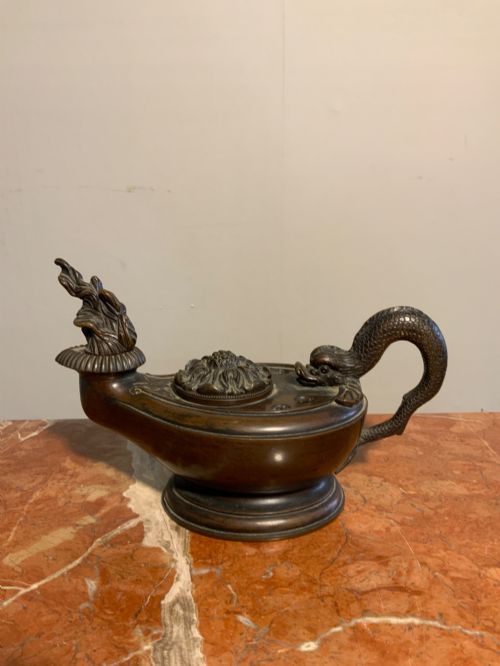
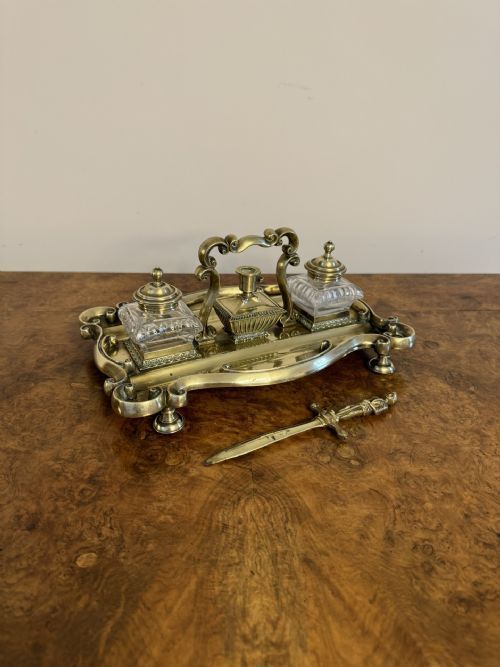
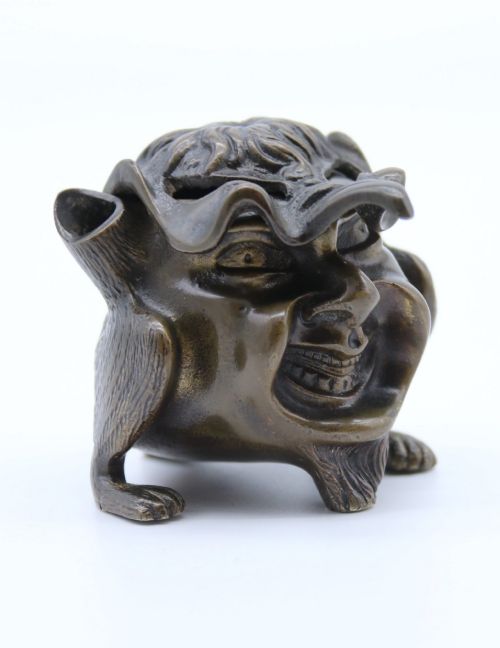
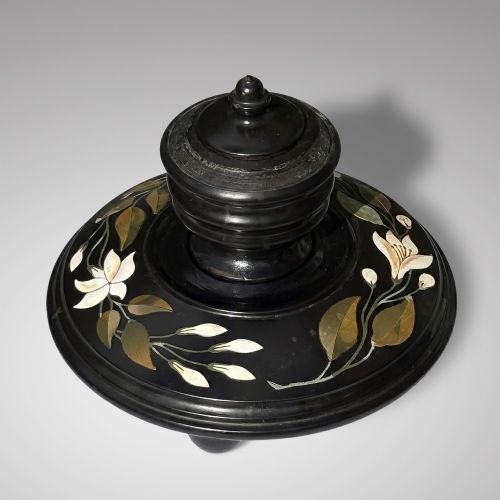
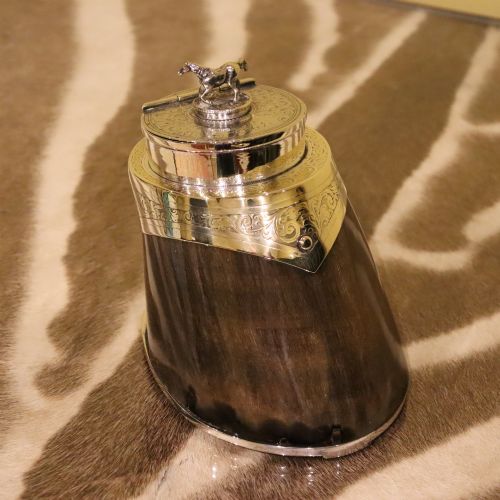
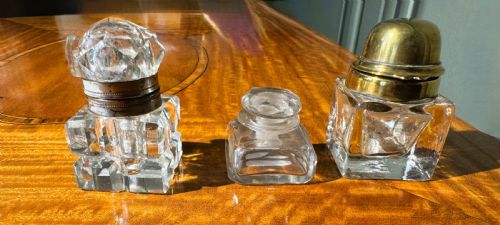
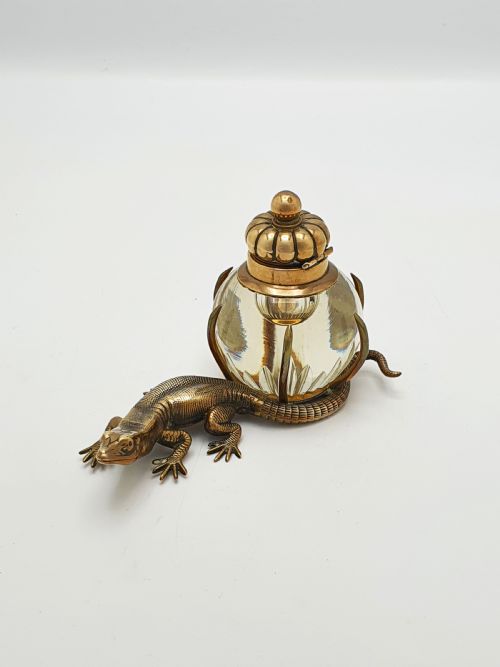
A victorian desk inkwell encompasses portable glass bottles, mounted hooves, figural bronzes and fitted wooden stands designed to supply ink for correspondence.
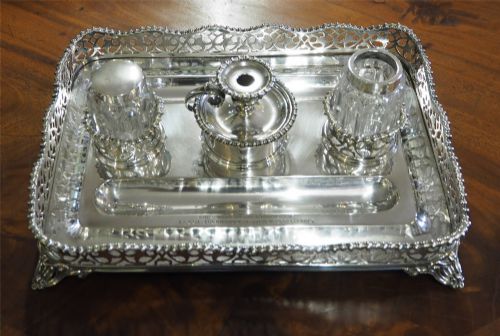
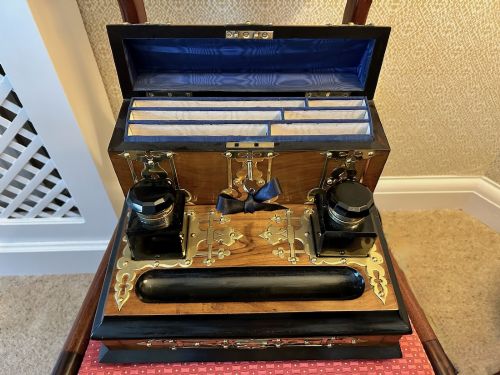
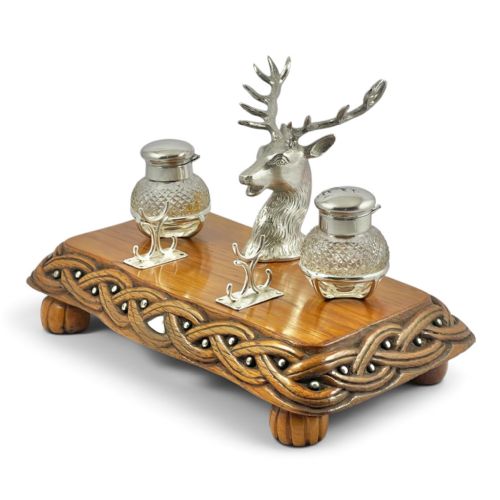
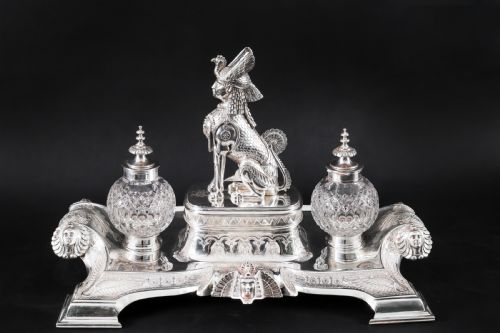
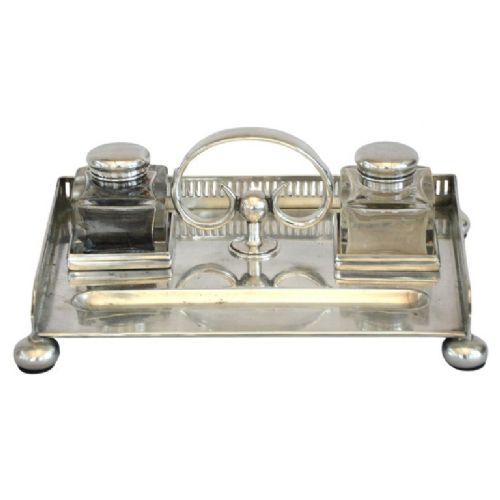
The objects span single glass inserts, double silver-plated stands and elaborate desk tidies housing pens and stamps alongside the ink reservoir.
Originating primarily from British workshops alongside continental foundries, these desk accessories reflect the heavy correspondence culture of the nineteenth and early twentieth centuries.
How they were made
Craftsmen combined cast brass, gilt bronze and silver plate with heavy cut glass, utilising moulding, silver-mounting and hand-chasing techniques.
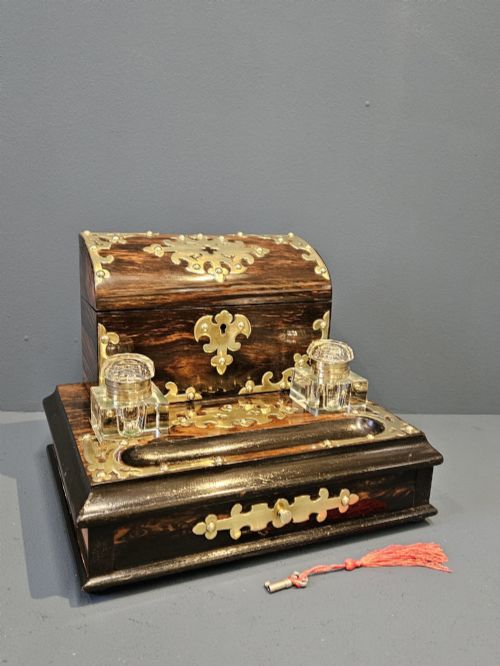
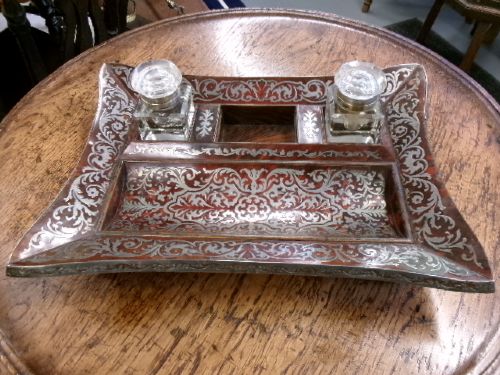
Natural materials such as walnut, coromandel, oak, tortoiseshell and marble formed the bases and stationery cabinets, frequently mounted with brass strapwork or boulle inlay.
Victorian Desk Inkwell Retail Price Guide 2026
Typical asking prices for victorian desk inkwell among the pieces listed under this phrase on Sellingantiques today, from the lower quarter to the upper quarter. They describe what is for sale here now, not the wider market.
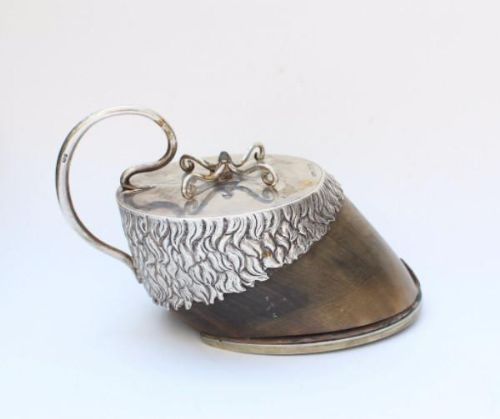
Taxidermy horse hooves double as heavy desk tidies complete with silver mounts.
What varies in quality
Quality rests in the weight of the cast metal, the crispness of chased detailing on bronzes and the clarity of cut glass reservoirs.
Substantial timber construction, retained original glass inserts and complex mechanisms like double-sided compartments separate ordinary desk accessories from finer studio pieces.
Edmé Samson·Wilkinson & Co·Walker And Hall·Harrods·A & J Zimmerman
The Victorian Desk Inkwell Glossary
- Inkstand
- A fitted tray or stand holding one or more inkwells, often incorporating pen rests and stamp boxes.
- Standish
- An alternative term for a formal inkstand, frequently equipped with sanders and bell containers.
- Ormolu
- Gilt bronze mounted upon decorative objects, common in French Second Empire and nineteenth-century desk sets.
- Boulle work
- Marquetry of tortoiseshell and brass inlay associated with French decorative styles.
- Champlevé
- Enamelling technique where enamel is placed in recessed cavities carved into metal.
Victorian Desk Inkwell: Frequently Asked Questions
What is the difference between an inkwell and an inkstand?
An inkwell is the single vessel that holds the ink, whereas an inkstand is the larger base or tray that holds the inkwell alongside pens and other stationery.
Inkstands often incorporate multiple inkwells, sanders for drying ink, and dedicated pen rests within a unified design.
How do I identify a Victorian inkwell?
Victorian inkwells are identified by their characteristic materials, such as heavy cut glass, brass mountings, sterling silver, or carved woods like walnut and oak.
Stylistic markers range from Gothic revival brasswork to elaborate figural bronzes and boulle work dating from the nineteenth century.
Were these pieces used for travel?
Travel inkwells were specifically engineered with screw-top lids or protective leather and silver cases to prevent leakage during transit.
Desk inkwells intended for stationary use feature heavier glass bases and open stands unsuited for carriage.
How should I clean a brass and glass inkwell?
Glass inserts can be washed carefully in warm soapy water to remove dried ink residue without disturbing aged patinas on the surrounding metal.
Brass and bronze mounts benefit from dusting with a soft cloth while avoiding harsh commercial polishes that strip historical finishes.