





Carved Wood Inkwell
A carved wood inkwell brings desk furniture to life through animal forms and natural textures.
Carved Wood Inkwell
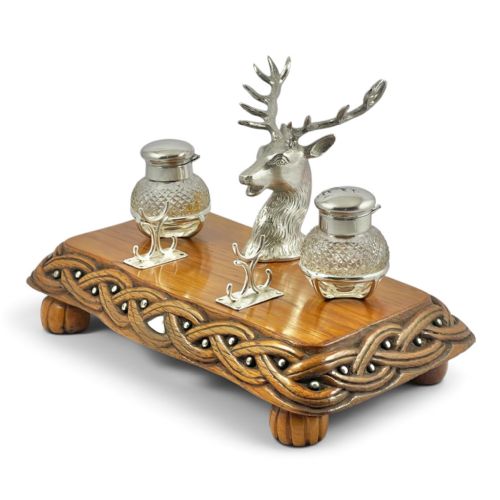
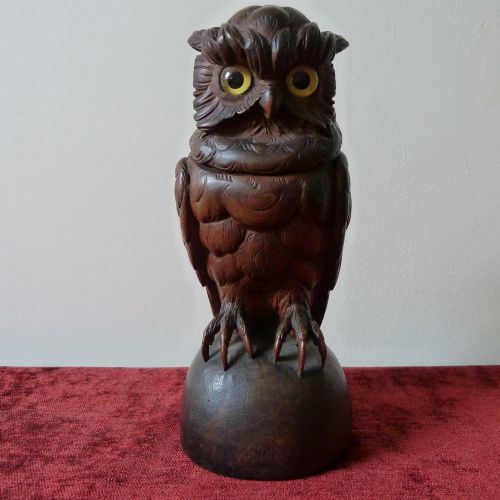
The pieces on this page heavily feature Black Forest styles alongside Victorian Celtic Revival designs. Animal figures dominate the selection, with bears, dogs, cats, owls, and eagles appearing frequently as the main sculptural subjects.
Most examples function as single inkwells or larger inkstands that incorporate pen rests and lidded compartments. French and Swiss workshops produced many of these novelty desk pieces using native timber.
How they were made
Glass inserts were fitted into the wooden cavities to contain the ink without rotting the timber. Brass and silver hinges, collars, and mounts frequently secure the lids and pen trays to the carved wooden bases.
Listings feature oak, lime wood, linden wood, fruitwood, and glass components across Victorian and Edwardian periods.
What varies in quality
The fidelity and depth of the carving dictate the distinction between ordinary and superior work. Master carvers captured realistic expressions and textures, particularly around the eyes and fur of animal subjects.
The integration of materials also influences the standard of the piece, as heavy oak or fine fruitwood combined with clean glass inserts and well-fitted brass hardware represents deliberate craftsmanship.
Maison F Mack
The Carved Wood Inkwell Glossary
- Black Forest
- A style of wood carving originating from the mountain region of central Europe, known for realistic animal and nature motifs. These pieces often depict bears, dogs, and forest foliage.
- Desk Tidy
- A multipurpose desk accessory featuring compartments for pens, stamps, and an inkwell. This term describes items intended to keep a writing surface organised.
- Fruitwood
- Dense timber gathered from fruit-bearing trees such as pear or apple, prized by carvers for its smooth grain. It allows for crisp detail in small figural sculptures.
- Inkstand
- A complete desk stand holding one or more inkwells along with space to rest pens. These fixtures sat centrally on nineteenth-century writing desks.
- Celtic Revival
- An artistic movement incorporating ancient interlaced knotwork and motifs into Victorian objects. This style appears on regional British and Irish oak pieces.
Carved Wood Inkwell: Frequently Asked Questions
What animals are most common on these inkwells?
Dogs, bears, cats, and owls appear most frequently in the carved wooden designs on this page. These subjects reflect the popularity of naturalism in nineteenth-century domestic items.
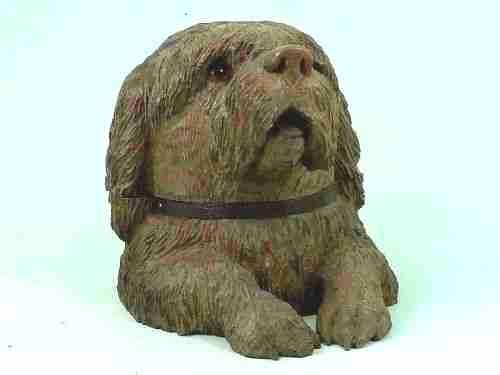
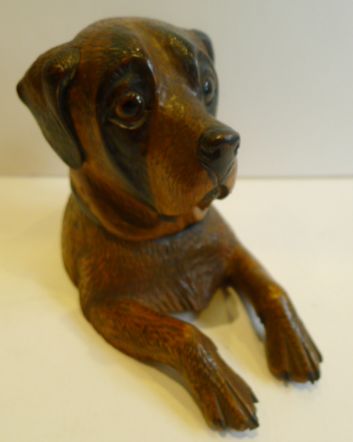
Canine figures range from terriers and poodles to St Bernards, often depicted with glass ink inserts hidden inside logs, boots, or natural bases.
Are these inkwells made of solid wood?
Yes, the bodies are carved from solid timbers such as oak, linden wood, lime wood, and fruitwood. Artisans selected these woods for their grain and stability during carving.
Inside the carved wooden housings, removable glass liners hold the ink to prevent liquid from damaging the surrounding timber.
How do I date a wooden inkwell?
Dating relies on the style of the carving, the timber used, and associated hardware like brass hinges or silver mounts. Most examples on this page date from the Victorian period around eighteen-eighty to nineteen-hundred.
Novelty animal themes and specific regional styles such as Black Forest provide strong chronological indicators for nineteenth-century desk accessories.
How were these inkwells used on a desk?
They sat on writing desks to provide a stable reservoir for ink alongside a place to lay dip pens. The hinged wooden lids kept the ink clean and slowed evaporation.
Larger versions functioned as desk stands with integrated pen trays and compartments for sealing wax or stamps.