





Antique Figural Inkwell
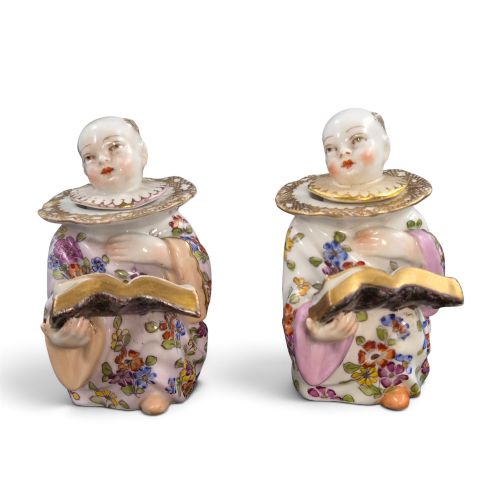
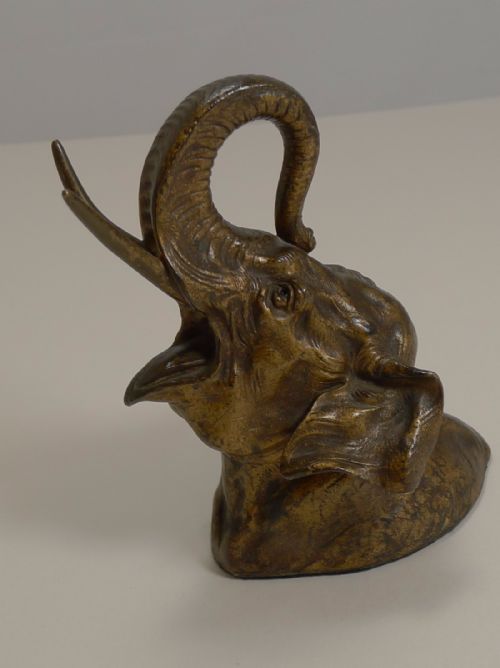
An antique figural inkwell transforms a utilitarian desk accessory into a sculpted animal, bird or human figure cast in metal or carved from wood.
Antique Figural Inkwell
An antique figural inkwell combines a functional desk vessel with sculptural representations of animals, birds, and human figures, reflecting popular tastes across the nineteenth and early twentieth centuries. Pieces frequently take the form of dogs, cats, owls, and hares, alongside human figures such as clowns and children.
Makers produced these inkwells in varied scales, ranging from small individual desk accessories to large desk stands incorporating pen trays and multiple ink containers. The surviving examples span several periods, with particular concentrations from the Victorian era and the decades leading towards the First World War.
The materials utilised range from cast bronze, brass, and ormolu to carved wood from the Black Forest and hand-painted terracotta. Many incorporate inset glass eyes that lend a lifelike expression to the animal subjects, distinguishing them from standard geometric inkwells of the period.
Materials and Construction
Foundry techniques dominated the metal examples, employing bronze, brass, and gilt ormolu cast into complex animal and human shapes, occasionally accented with hand-chasing and electrotyping. These metal pieces frequently house removable glass ink inserts secured within the cast body.
Carved wooden versions, often associated with Black Forest workshops, rely on skilled hand-carving in woods such as lime or walnut to render detailed fur and feathers. Terracotta and porcelain compositions provide alternative mediums, shaped by hand or in moulds before firing and painting.
Antique Figural Inkwell Retail Price Guide 2026
Typical asking prices for figural inkwell among the pieces listed under this phrase on Sellingantiques today, from the lower quarter to the upper quarter. They describe what is for sale here now, not the wider market.
Several Victorian dogs manage to combine a fierce bronze stance with the domestic duty of holding your daily writing ink.
Markers of Quality
Proportion and balance dictate the architectural success of the desk stand, with the best pieces integrating the ink reservoir seamlessly into the sculptural design without disrupting the form of the animal or figure.
Edmé Samson·Ernest Louis Adnin·Maison F. Mack·Pryor Tyzack and Co.·Reed and Barton
The Antique Figural Inkwell Glossary
- Animalier
- A nineteenth-century artistic movement focusing on the realistic portrayal of animals, frequently seen in bronze inkwells of the period.
- Black Forest
- A style of intricate wood carving originating from central Europe, known for depictions of bears, dogs, and forest animals.
- Ormolu
- Finely chased bronze coated with a gold amalgam, utilised extensively in French desk accessories for a bright metallic finish.
- Electrotype
- A metal-copying process used to create detailed metal objects through electroplating onto a mould, appearing in larger desk stands.
- Inkstand
- A complete desk tray holding one or more inkwells alongside pen rests and ancillary compartments.
Antique Figural Inkwell: Frequently Asked Questions
What periods do these inkwells cover?
The surviving pieces primarily date from the mid-nineteenth century through to the Edwardian era and the Art Deco period. Victorian examples are particularly prevalent.
Production methods shifted over these decades from heavy bronze casting towards lighter brass and novel terracotta or carved wooden designs.
How were these inkwells used?
They served as functional desk ornaments for dipping quill or steel nib pens into liquid ink. The hinged lids protected the ink from dust and evaporation.
Many incorporated auxiliary depressions to rest pens during writing sessions, combining utility with decorative sculpture.
Are the glass eyes original?
Many animal subjects feature inset glass eyes that provide a realistic expression. These eyes were typically secured from the interior during assembly.
Close inspection reveals whether the glass elements match the age and construction methods of the surrounding metal or wood body.
How do I care for an antique inkwell?
Metal surfaces benefit from occasional dusting with a dry cloth, avoiding abrasive polishes that might remove patination or gilding. Wooden carvings require stable humidity to prevent wood movement.
Glass inserts should be removed carefully for cleaning to avoid stressing the surrounding metal hinges or wooden mounts.