





Carved Wood Inkstand
A carved wood inkstand brings the lively charm of late Victorian desk culture directly into your study.
Carved Wood Inkstand
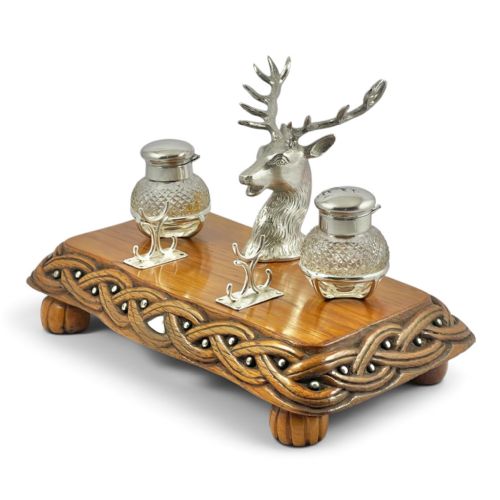
A carved wood inkstand combines functional desktop utility with elaborate figural sculpture, typically holding one or two glass inkwells within a timber base. These pieces span the late nineteenth century and Edwardian eras, with a strong representation of the Black Forest style originating in Switzerland and Germany.
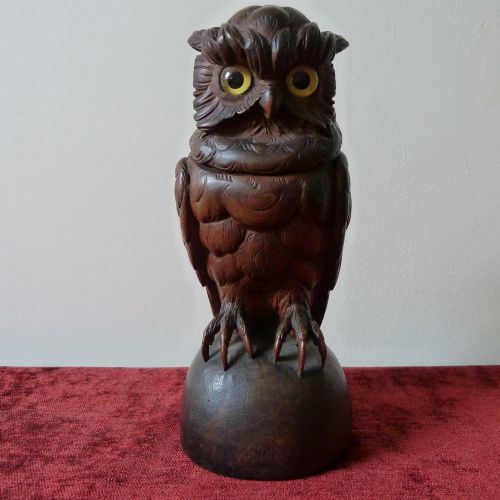
Collectors encounter numerous animal studies, featuring bears, owls, cats, dogs, and eagles carved from local timbers. The Victorian Celtic Revival also contributes geometric oak designs alongside Scottish provincial silver and oak interpretations.
How they were made
Carvers utilised softwoods such as linden wood, lime wood, and oak, which allowed for deep undercut relief and expressive anatomical detail. Artisan workshops shaped the timber by hand before mounting fitted glass ink inserts and brass or silver hinged lids.
Surfaces received careful wax polishing to highlight the natural grain of the wood whilst preserving the intricate chisel and gouge marks left by the maker.
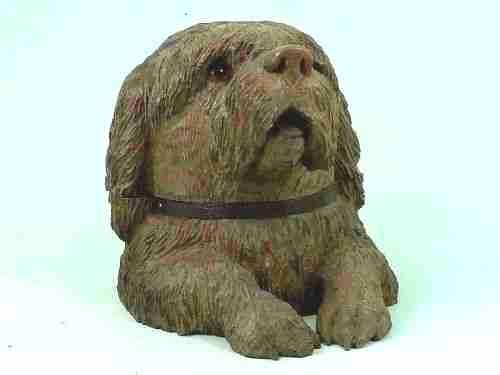
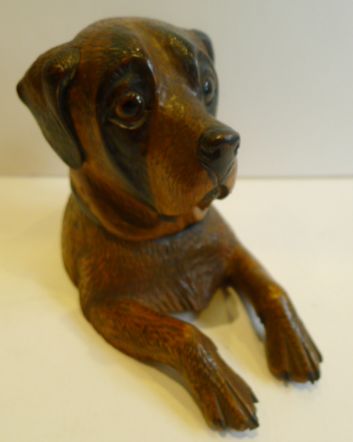
Animal subjects include dogs, bears, cats, owls, and eagles in figural desk stands.
What varies in quality
The distinction between standard production and superior work rests entirely upon the animation and anatomical accuracy of the carving. Master carvers captured realistic fur textures and intense glass or carved eyes, whereas lesser examples appear stiff and generalized.
Proportion and material completeness also dictate worth, particularly when glass liners remain original and intact alongside the carved wooden housings.
Maison F Mack
The Carved Wood Inkstand Glossary
- Black Forest
- A style of wood carving originating from the mountainous regions of central Europe during the nineteenth century. It is characterised by realistic animal figures and foliage motifs.
- Desk Tidy
- A multifunctional desk accessory that incorporates pen trays, stamp boxes, and inkwells within a single wooden base. These items kept writing equipment organised on Victorian writing tables.
- Linden Wood
- A pale timber with a fine, uniform grain favoured by European carvers for its ease of manipulation and resistance to splitting. It forms the primary material for many figural inkstands.
- Celtic Revival
- An artistic movement incorporating traditional interlaced knotwork and geometric patterns into nineteenth-century British and Irish decorative arts. This aesthetic appears on regional oak desk pieces.
- Ink Insert
- The removable glass container held within the wooden stand to contain liquid ink. Original inserts often feature cut glass rims or matching brass collars.
Carved Wood Inkstand: Frequently Asked Questions
How do I date a Black Forest inkstand?
Dating relies on examining the style of the carving, the timber used, and the accompanying hardware such as brass hinges and glass inserts. Most figural examples date from the late nineteenth century around eighteen eighty to nineteen hundred.
Later reproductions often lack the crisp tool marks and naturalistic glass eyes found on nineteenth-century workshop pieces.
Are the glass inkwells usually original?
Many surviving pieces retain their original blown or cut glass liners, which often feature matching brass or silver collars. Because glass inserts were fragile, replacements are sometimes found in older stands.
Checking the fit inside the carved wooden well helps determine whether the insert has remained with the piece over time.
How should I care for antique wood inkstands?
Maintenance requires keeping wooden stands away from direct sunlight and sudden temperature changes to prevent the timber from splitting. Occasional light dusting with a dry cloth preserves the wax finish.
Moisture from ink should be kept away from the bare wood to avoid staining the carved surfaces.