



Dark Brown Inkstand
A dark brown inkstand is a functional desk accessory from the nineteenth and early twentieth centuries, prized for its tactile materials and carved animal forms.
Dark Brown Inkstand
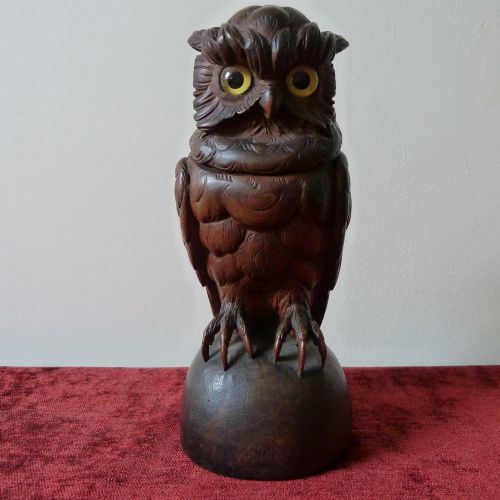
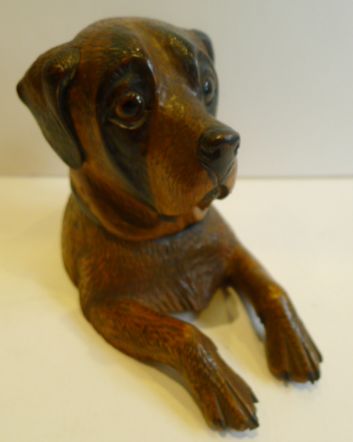
When you search for a dark brown inkstand, you encounter desk accessories and inkwells produced during the Victorian and Edwardian eras, particularly within the Black Forest style. These pieces frequently take the form of carved wooden animals, including bears, owls, cats, bulls, and dogs.
How dark brown inkstands were made
Carved wood provides the primary medium for Black Forest pieces, utilising linden wood and lime wood shaped with hand chisels to create detailed animal figures. Artisans added glass eyes and fitted removable glass ink bottles into the carved timber bases.
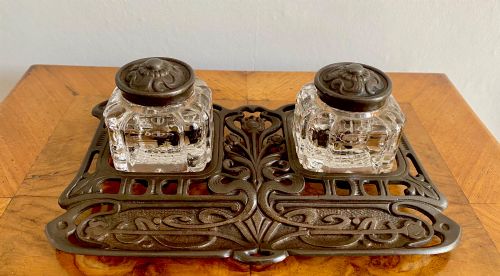
Foundries produced bronze and cast metal novelty pieces using traditional casting methods, often incorporating brass fittings and hinged lids to secure the inkwells. Natural taxidermy elements also appear, as seen in items utilising boar hooves.
Several dogs gaze upward from their desks, proving that nineteenth-century correspondence required an attentive canine audience.
What varies in quality
The degree of anatomical detail and expressiveness in the carving separates standard desk accessories from superior Black Forest examples. Finer pieces display deep undercut carving and realistic textures in fur and feathers.
The presence of original glass ink bottles and matching lids alters the completeness of an inkstand. Superior items retain their fitted glass inserts and undamaged hinged mountings without replacement elements.
The Dark Brown Inkstand Glossary
- Black Forest style
- A decorative wood-carving tradition originating in central Europe during the nineteenth century, known for realistic representations of wildlife and natural forms.
- Desk tidy
- A desk accessory designed to hold writing instruments, stamps, and inkwells in a single integrated tray or stand.
- Novelty inkwell
- An ink container shaped to represent an animal, human figure, or object rather than traditional geometric deskware.
- Linden wood
- A pale hardwood favoured by carvers for its fine grain and ease of shaping intricate details.
- Boar hoof
- A taxidermy component utilised in nineteenth-century novelty desk pieces mounted with metal collars and penholders.
Dark Brown Inkstand: Frequently Asked Questions
How do I identify a Black Forest inkstand?
Black Forest inkstands feature characteristic dark brown wooden carvings of animals, particularly dogs, bears, owls, and cats, rendered in a naturalistic style. They often include integrated pen rests and hinged lids opening to glass inkwells.
The regional carving tradition is distinguished by deep relief work and organic subject matter reflecting forest wildlife.
Where were these inkstands used?
Victorian and Edwardian writers placed these inkstands upon library desks, writing tables, and bureau surfaces to hold ink and pens. They functioned as everyday stationery equipment for correspondence and record keeping.
The novelty designs also served as decorative conversation pieces within domestic studies and parlours.
Are original glass bottles common?
Many surviving pieces retain their original glass ink bottles fitted inside the wooden or metal stands. These inserts were removable for cleaning and refilling with liquid ink.
Finding an inkstand with its original glass components intact adds significantly to the completeness of the desk accessory.