





Antique Animal Inkwell
An antique animal inkwell brings character to a desk through the craftsmanship of the Victorian and Edwardian periods.
Antique Animal Inkwell
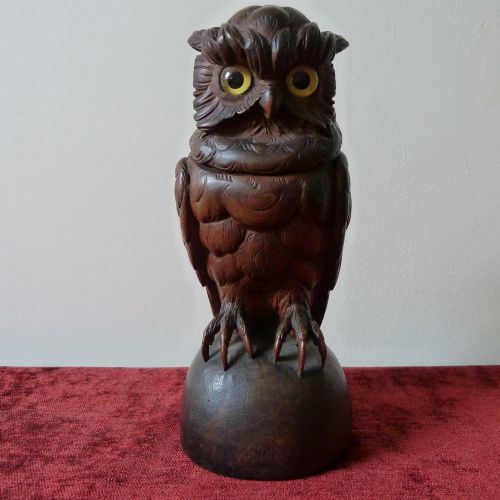
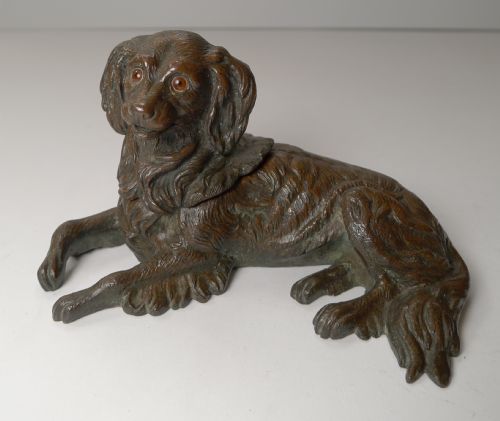
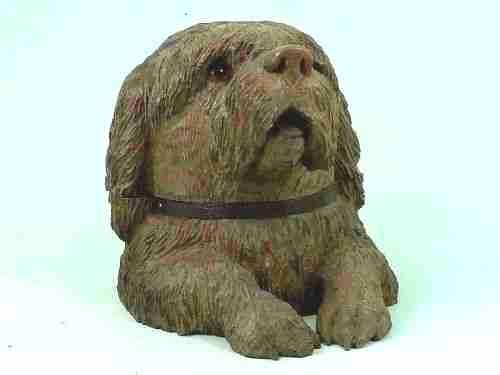
An antique animal inkwell is a desk accessory modelled in the form of birds, dogs, bears, and other creatures, emerging mainly during the Victorian and Edwardian eras. These pieces combine practical writing equipment with figurative sculpture, often serving as novelty items for the desk.
The selection on this page relies heavily on Black Forest carved wood pieces and cast metal figures in bronze, brass, and gilded bronze. Animals range from domestic dogs and cats to wild creatures like owls, bears, stags, and rhinoceroses, frequently incorporating glass inserts to hold the ink.
Makers and workshops produced these items across the late nineteenth and early twentieth centuries, spanning styles from Black Forest carving to Austrian cold-painted bronze and Art Deco design. Buyers will find both single inkwells and more elaborate triple inkwells or desk tidies.
How they were made
Metal versions utilise casting techniques in brass, bronze, and gilded bronze, occasionally finished with cold-painted decoration as seen in Austrian animal bronzes. These metal pieces often integrate hinged lids and specialised glass eyes to complete the figural representation.
Some Victorian foxes wear nightgowns while bears haul logs, proving that nineteenth-century desk accessories did not take themselves too seriously.
What varies in quality
Quality rests in the sculptural execution of the animal form, distinguishing lively and anatomically convincing carvings or castings from stiff, generic models. Detail in the rendering of fur, feathers, and expressions dictates the artistic merit of each piece.
The integrity of the materials also separates standard examples from exceptional ones, particularly the presence of original glass eyes and well-fitted glass ink inserts. Superior craftsmanship shows in the seamless integration of the inkwell mechanism into the animal sculpture.
The Antique Animal Inkwell Glossary
- Black Forest
- A style of wood carving originating from the Brienz region of Switzerland and the Black Forest in Germany. These pieces are typically carved from Linden wood and depict animals with naturalistic detail.
- Cold-painted bronze
- A method where bronze sculptures are painted with cold enamel rather than fired in a kiln. This technique was widely utilised by Austrian workshops to add vibrant colour to small animal figures.
- Novelty inkwell
- An inkwell designed to resemble an object, animal, or figure rather than taking a standard geometric shape. These desk accessories were popular conversation pieces in the nineteenth and twentieth centuries.
- Desk tidy
- A desk accessory that combines an inkwell with other functions such as pen trays, boxes, or stamps compartments. They help organise writing equipment while maintaining a decorative appearance.
- Pen wipe
- A small desk accessory made from materials like wool felt, used by writers to clean surplus ink from nibs. They frequently complement inkwells on period writing desks.
Antique Animal Inkwell: Frequently Asked Questions
What is an antique animal inkwell?
An antique animal inkwell is a functional desk accessory shaped to represent a creature, combining a receptacle for ink with figurative sculpture. These pieces date predominantly from the late nineteenth and early twentieth centuries.
Craftsmen in wood and metal created these items to bring humour and charm to writing desks during the Victorian and Edwardian periods.
How do I date a piece?
Dating relies upon the prevailing materials, manufacturing techniques, and stylistic markers associated with periods like the Victorian era or Art Deco. The specific choice of metal casting, wood carving style, and glass type often provides a clear temporal anchor.
Signatures or registration marks, where present, help narrow the period of manufacture, though many novelty pieces remain unmarked.
How do I care for wood and bronze?
Wooden pieces benefit from occasional dusting with a soft dry cloth and protection from direct sunlight and extreme humidity changes. Bronze and brass require minimal intervention, avoiding harsh cleaning agents that might strip the original patina.
Keeping the glass ink inserts clean prevents staining and protects the surrounding material from residual ink corrosion.