
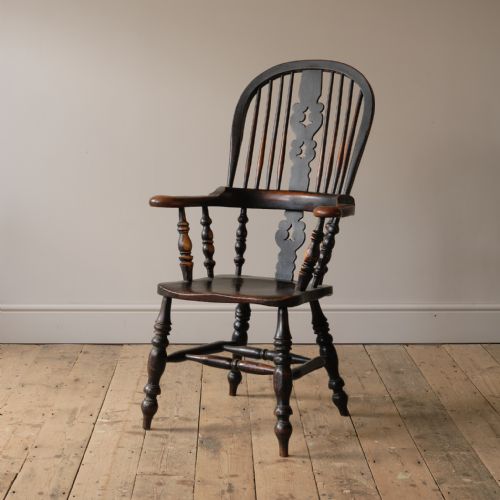
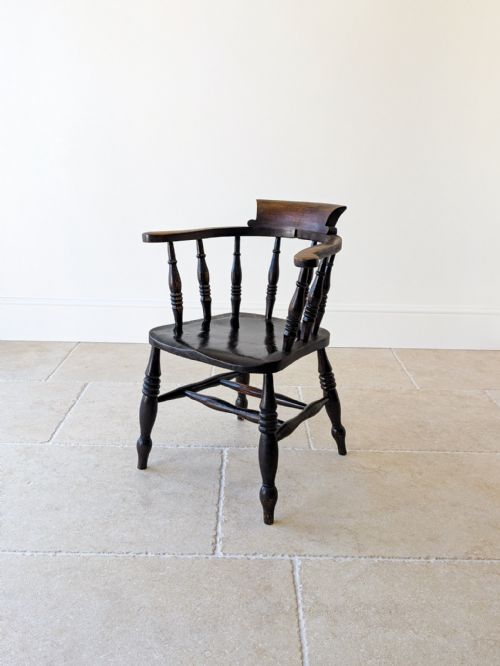
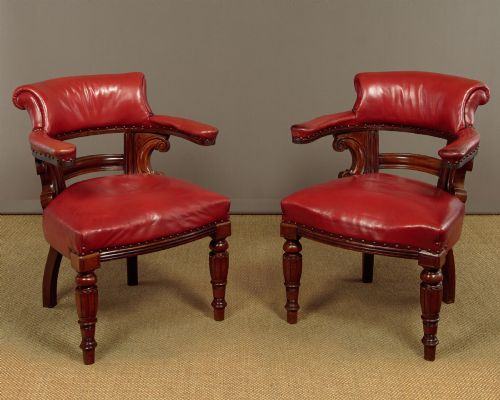
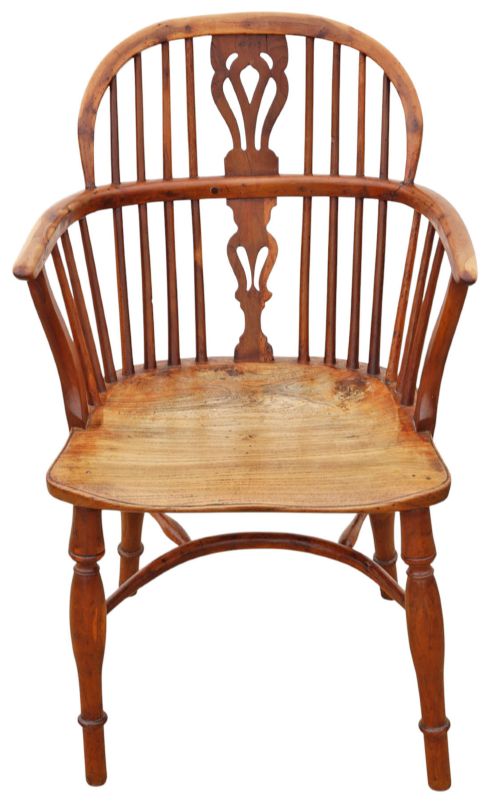

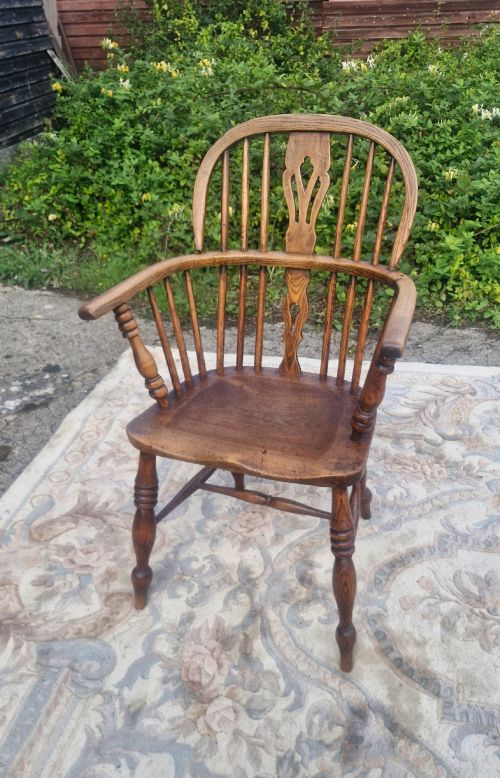

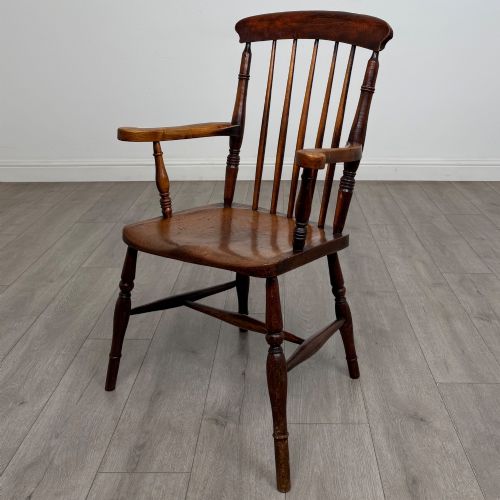
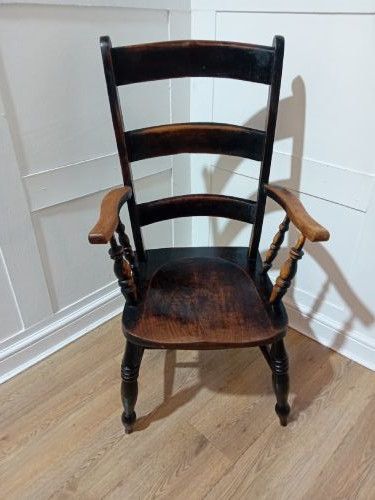


Victorian Desk Chairs
Victorian desk chairs are functional workspace seating pieces that bring period character and sturdy timber construction into a modern study.
Victorian Desk Chairs
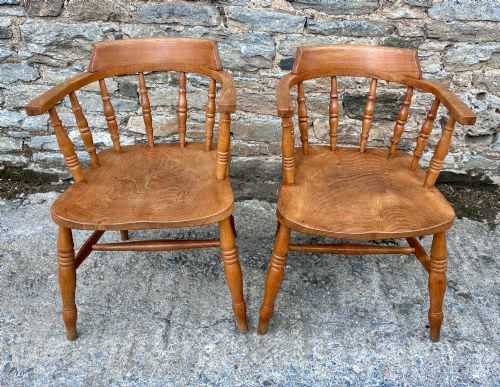
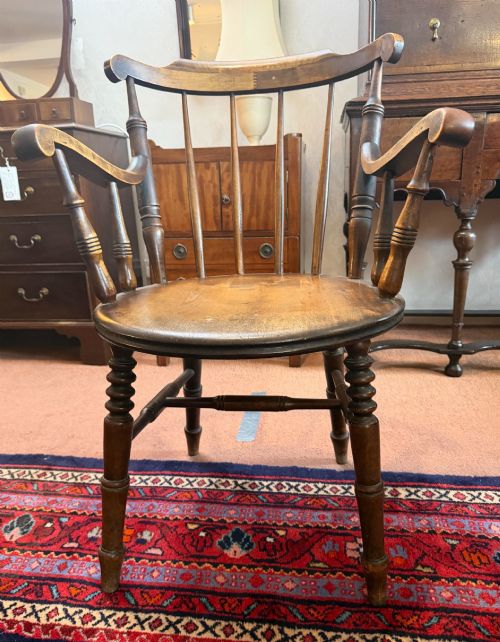
When searching for victorian desk chairs, buyers encounter sturdy seating designed for studies, libraries, and offices during the nineteenth century. These items include specialised library armchairs, revolving office seats, and occasional chairs adapted for writing tables.
The versions most commonly met on this page span the Victorian era alongside pieces dated around eighteen fifty up to nineteen hundred. Materials range from solid mahogany and oak to walnut and rosewood, often paired with leather or fabric upholstery.
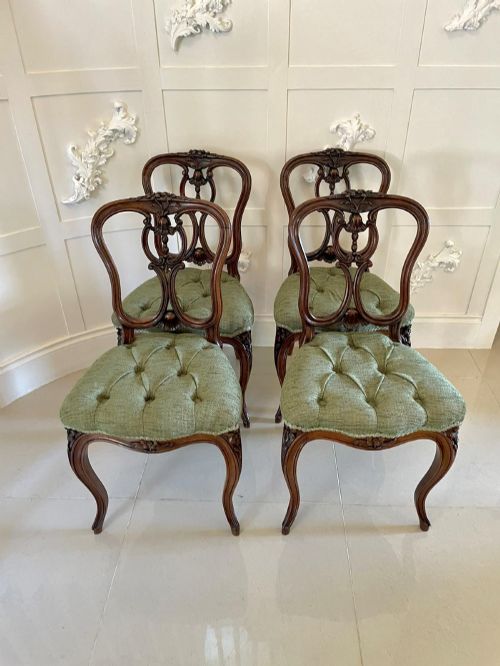
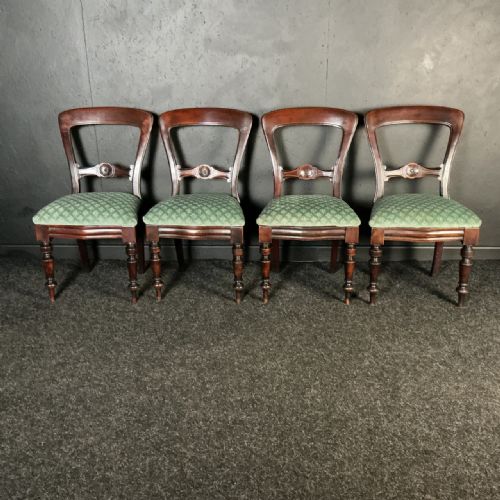
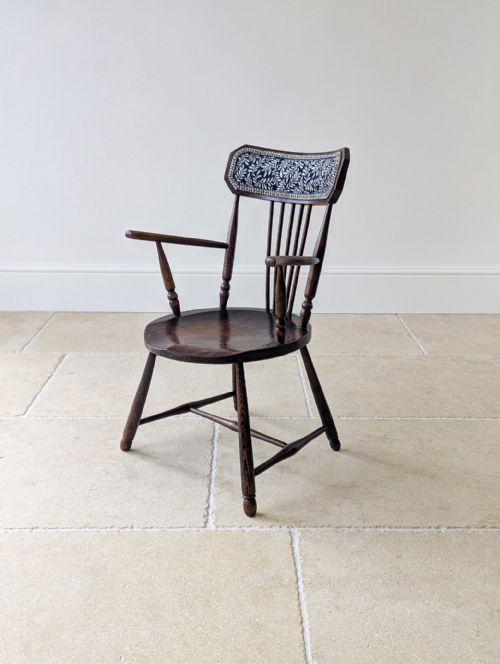
Forms vary from balloon back and scroll carved designs to Chippendale style, Queen Anne style, and Arts and Crafts oak revolving models. Many survive as matched pairs or small sets utilised around partners desks and reading tables.
Materials and Making
Carpenters utilised dense hardwoods like mahogany, walnut, oak, ash, elm, rosewood, and satinwood to construct robust frames capable of enduring daily office use. Joinery techniques involved secure mortise and tenon joints alongside carved scrollwork and turned supports.
Upholstered variants incorporate leather, velvet, and fabric coverings secured with brass tacks over supportive padding. Swivel and revolving mechanisms integrated metal hardware into wooden pedestal bases for functional workspace movement.
Retail Price Guide 2026
Typical UK retail prices for victorian desk chairs, calculated from the Sellingantiques database of over a million retail prices indexed since 2003. This retail price guide relies exclusively on Sellingantiques data; no external sources or auction records are used, so the figures do not describe the wider market.
Listings feature oak, mahogany, walnut, rosewood, and satinwood timber frames paired with leather, fabric, and velvet upholstery.
Judging Quality
Superior examples distinguish themselves through the choice of timber figure, such as richly grained mahogany or figured walnut, paired with deep hand carving on the backs and arms. The integration of high grade leather upholstery secured with traditional brass detailing elevates the standard of a piece.
Structural integrity and the retention of original swivel mechanisms or castors separate utilitarian workshop output from finer library and boardroom seating. Subtle details like bone inlay or refined Sheraton and Chippendale style proportions indicate higher workshop ambition.
Gill & Reigate
The Victorian Desk Chairs Glossary
- Balloon back
- A rounded, oval-shaped chair back silhouette popular in nineteenth-century seating design. This curved form provides ergonomic lumbar support while maintaining a graceful aesthetic.
- Library chair
- A heavy, comfortable armchair intended for prolonged reading and study use. These seats frequently incorporate leather upholstery and robust wooden frames.
- Revolving chair
- A desk chair fitted with a central pivot mechanism allowing rotation. This mechanical addition suited busy office and boardroom environments.
- Scroll carved
- Woodwork featuring decorative curved, spiral motifs reminiscent of a scroll. Carvers applied this ornamentation to chair backs and arms for added visual depth.
Frequently Asked Questions
How do I identify a Victorian desk chair?
Look for dense timber construction in mahogany, oak, or walnut combined with nineteenth-century stylistic cues like balloon backs, scroll carving, or swivel mechanisms.
Examine the joinery and hardware underneath to confirm period manufacturing techniques before making a selection.
Were these chairs used in offices?
Many nineteenth-century examples served in professional offices, ship board rooms, and private libraries as functional workspace seating. Revolving and leather-upholstered variants were specifically designed for long hours of administrative work.
Sturdier oak and mahogany frames ensured the furniture endured demanding daily clerical environments.
How should I care for leather upholstery?
Maintain leather inserts and seats by applying appropriate leather dressings periodically to prevent drying and cracking. Keep the timber frames dusted and protected from direct sunlight or excessive heat sources.
Gentle cleaning preserves the natural grain and historic patina of both the hide and the wood.
Are swivel chairs period correct?
Revolving office and library chairs with mechanical swivel bases were produced during the Victorian period, particularly for institutional and commercial use. These models featured wooden pedestal supports integrated with early metal pivot hardware.
Such designs catered to the rising administrative demands of the later nineteenth century.