

Victorian Desk Candlestick
These pieces for a victorian desk candlestick bring heavy metal and polished surface to a writing table.
Victorian Desk Candlestick
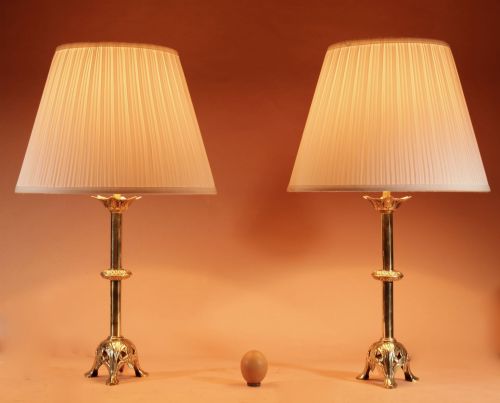
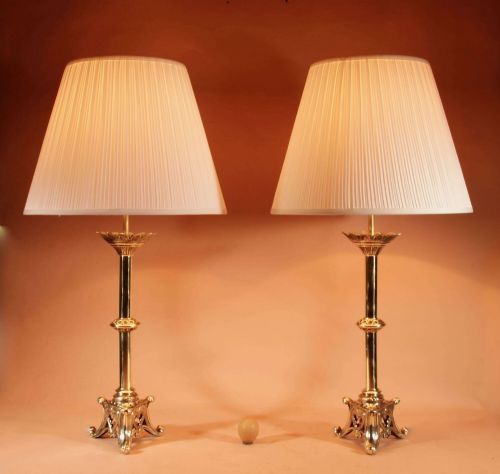
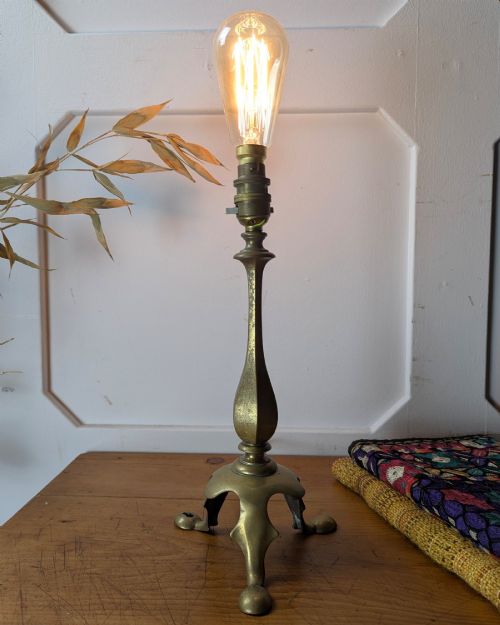
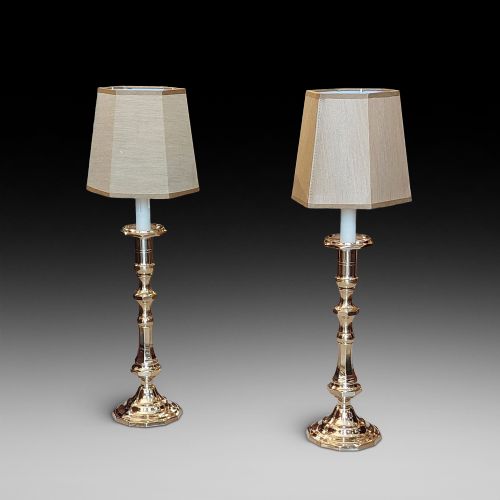
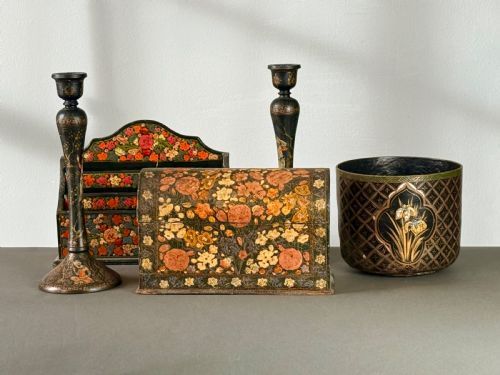
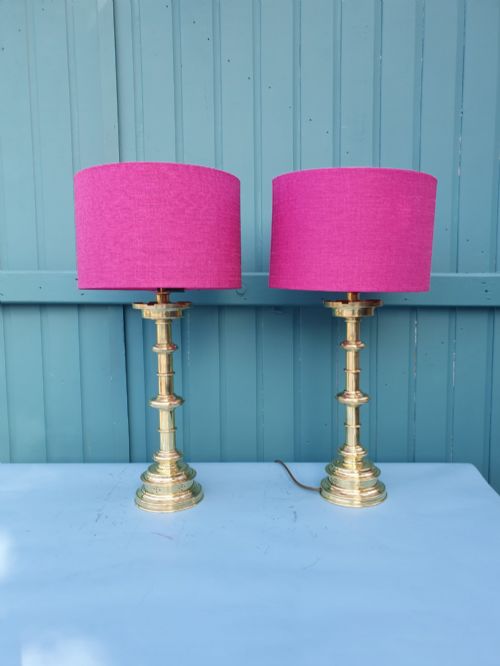
A victorian desk candlestick usually appears as a compact brass, silver plated or treen chamber stick made to sit close to papers and inkwells on a nineteenth century writing surface. Buyers searching this phrase will find short candle holders alongside converted lamps and desk accessories spanning the Victorian and Edwardian eras. The selection draws together utilitarian brass items and more ornamental pieces created for nineteenth century writing desks.
Many examples emerge in the form of pairs or single columns, often combining drip pans with snuffer slots or matchbox holders for practical desk use. Makers utilised diverse materials ranging from cast brass to turned walnut, lignum vitae and tortoiseshell. The pieces reflect domestic and travel lighting needs of the nineteenth and early twentieth centuries.
Materials and Technique
The construction relies heavily on cast and turned brass, silver plate over copper, and dense hardwoods known as treen. Metal components are frequently threaded, screwed or cast in sections to form columns, drip pans and weighted bases. Artisans shaped timber on lathes to produce smooth chamber sticks and taper holders.
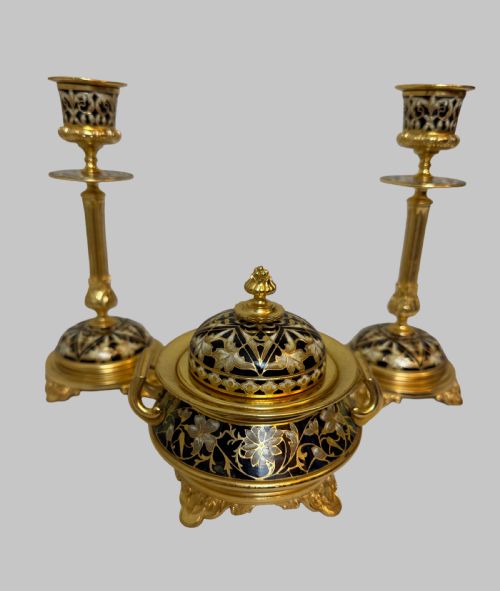
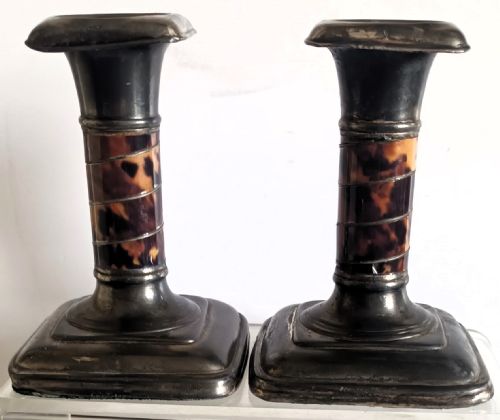
Surface decoration involves parcel gilding, champleve enamel work, or tortoiseshell insets secured within metal frames. Silver plated finishes applied to base metals give the appearance of solid silver while maintaining structural rigidity for daily desk work.
Victorian Desk Candlestick Retail Price Guide 2026
Typical asking prices for victorian desk candlestick among the pieces listed under this phrase on Sellingantiques today, from the lower quarter to the upper quarter. They describe what is for sale here now, not the wider market.
A travelling reading lamp proves that nineteenth century writers refused to work in the dark.
Evaluating the Range
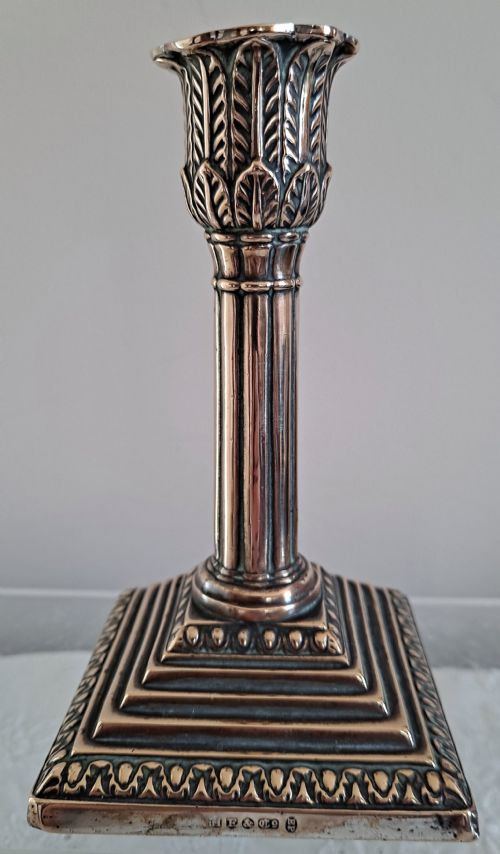
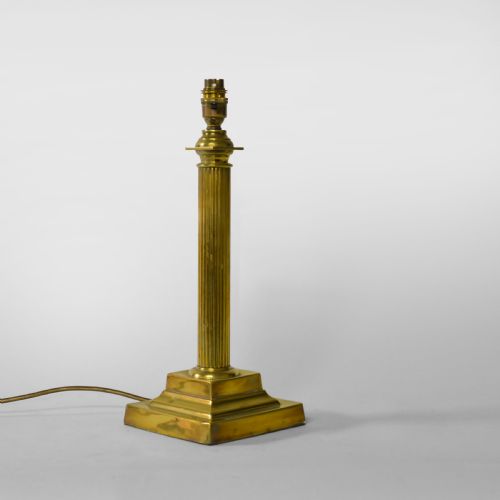
Quality rests on the crispness of casting detail, the weight of the metal and the integrity of any applied silver plate. Better examples retain crisp fluting on columns, secure joints without loose wobbles, and original snuffers or matchbox attachments.
Wear to silver plate revealing the base metal alters the appearance, though honest signs of nineteenth century use remain acceptable to collectors. Maker marks stamped into the metal distinguish workshop productions from unmarked commercial goods.
Mappin & Webb's·Veritas Lamp Works·Harrison Brothers & Howson·Goldsmiths·Ratcliff Birmingham
The Victorian Desk Candlestick Glossary
- Chamber stick
- A low portable candlestick fitted with a wide drip pan and a loop handle for carrying through a house. These sat on bedside tables and desks.
- Treen
- Small domestic wooden objects made by turning on a lathe or carving. Examples include small taper candlesticks and turned walnut desk pieces.
- Corinthian column
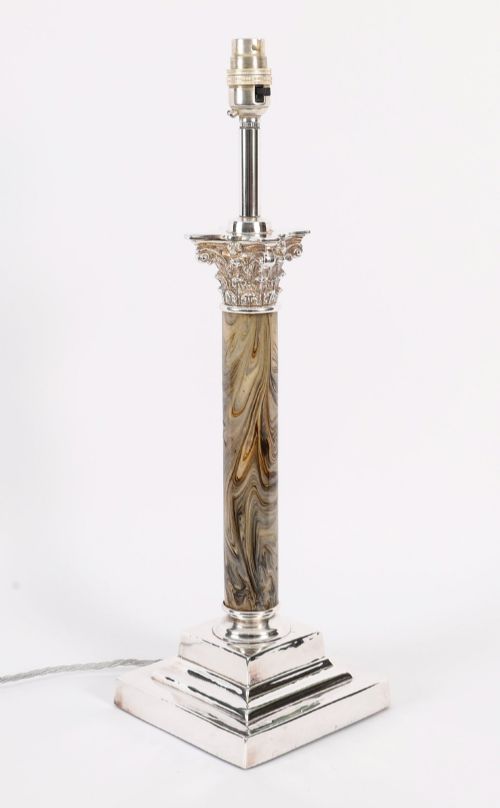
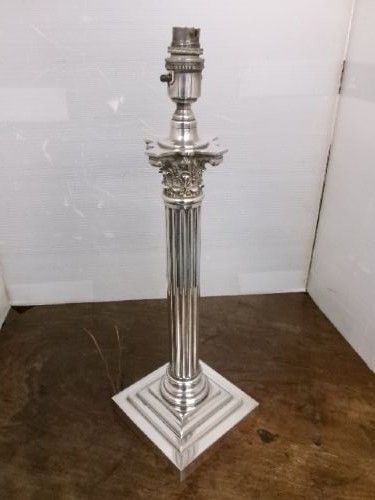
- A classical architectural column style featuring ornate acanthus leaves on the capital. This design was popular for nineteenth century candlesticks and lamps.
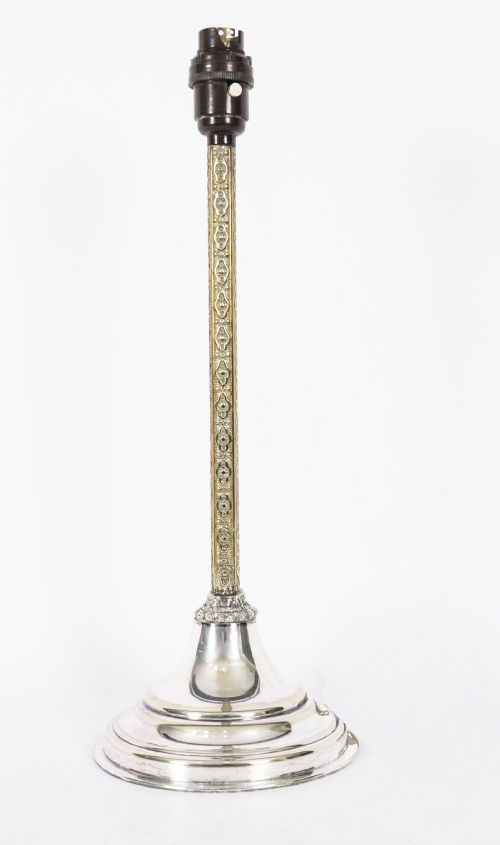
- Silver plate
- A thin layer of silver bonded to a base metal such as copper or brass. It provided the look of solid silver at a lower cost.
- Parcel gilt
- Metalwork that is partially gilded with gold leaf or wash, leaving other areas of the underlying bronze or silver exposed for contrast.
Victorian Desk Candlestick: Frequently Asked Questions
What is a victorian desk candlestick used for?
These small candlesticks provided focused light for reading, writing letters and sealing envelopes with wax at a desk.
They often included a matchbox holder or a small snuffer to manage the flame safely near paper.
How do I date a brass candlestick?
Dating relies on manufacturing techniques, style revivals such as Gothic or Neoclassical, and any maker stamps on the base.
Heavier cast sections and specific column orders often point to particular decades within the nineteenth century.
What materials were used for desk candlesticks?
Common materials include solid brass, silver plate over base metal, cast bronze, and turned timber known as treen.
Some examples also incorporate glass, tortoiseshell or champleve enamel for decorative effect.
Are these candlesticks converted to lamps?
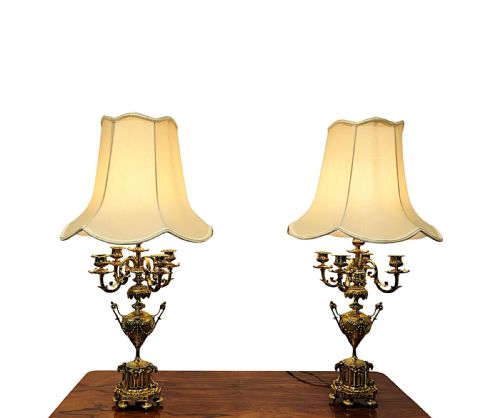
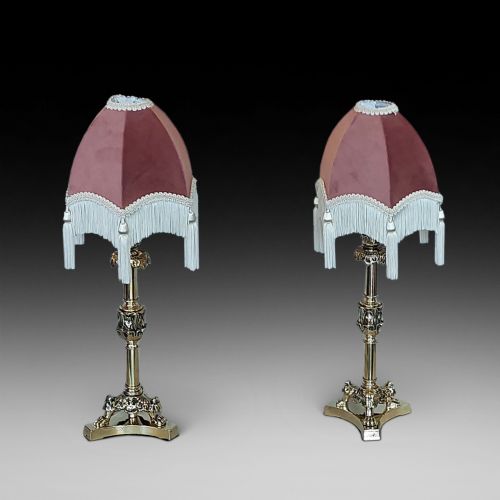
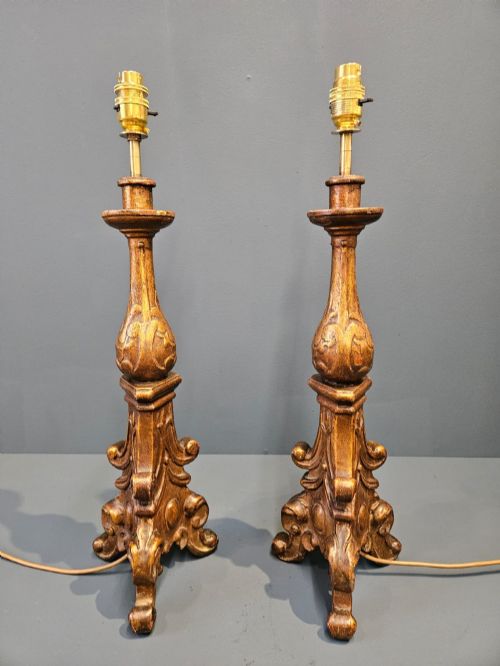
Many nineteenth century candlesticks and candelabra in the listings have been later adapted to hold electric lamp fittings.
This conversion allowed older metalwork to continue functioning as desk lamps in modern homes.