



Victorian Electroplate Candlestick
A victorian electroplate candlestick brings the bright formality of the nineteenth century straight to the dining table or desk.
Victorian Electroplate Candlestick
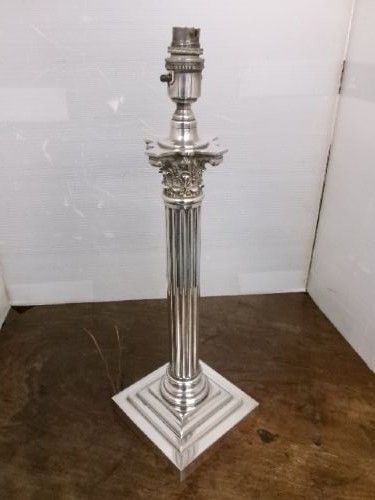
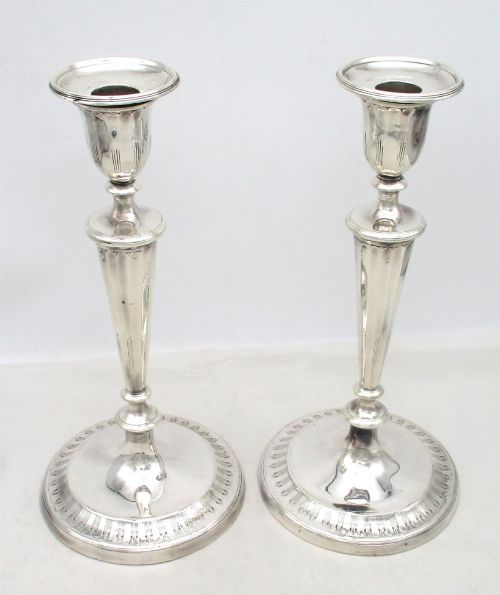
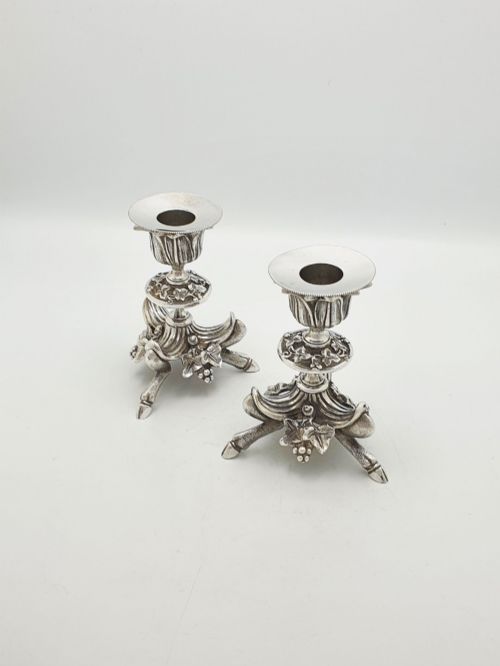
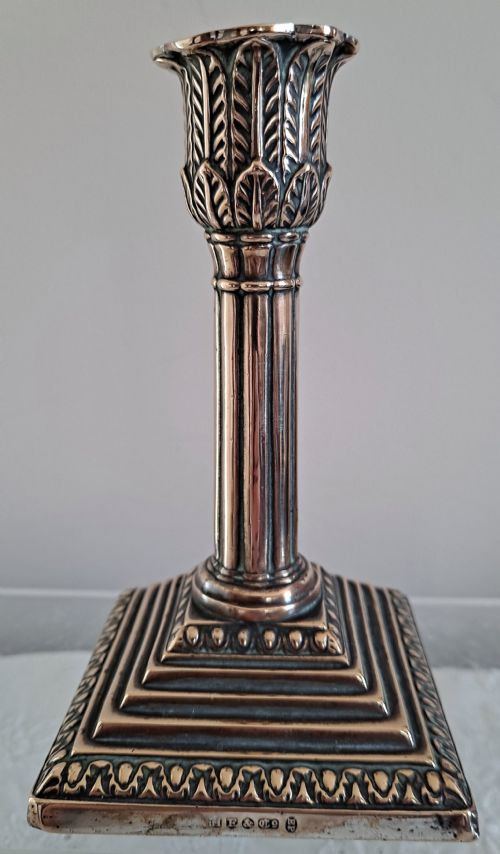
When you search for a victorian electroplate candlestick, you are looking at nineteenth-century lighting accessories produced after the commercialisation of electroplating. The examples you are most likely to meet on this page take the form of paired candlesticks, desk pieces, and multi-light candelabras.
The objects span styles from plain neoclassical revival to ornate rococo and naturalistic designs, often incorporating elements like palm trees or figural motifs. Most pieces originate from English workshops operating during the Victorian era and the latter half of the nineteenth century.
Makers ranged from specialist plating firms to prominent silversmiths who adopted the new chemical process. The forms vary from single low desk sticks to towering candelabras and converted table lamps incorporating walnut.
Materials and plating techniques
The foundation of these pieces typically consists of a base metal such as copper or nickel silver, often referred to in contemporary terms as electroplated nickel silver or EPNS. This base material provided a sturdy and affordable core that could be shaped into complex decorative forms.
A thin layer of silver was then deposited onto the base metal using an electrical current, a revolutionary nineteenth-century technique that replaced older methods of fusing sheet silver over copper. This process allowed makers to achieve a uniform silver coating even on heavily ornamented castings.
Victorian Electroplate Candlestick Retail Price Guide 2026
Typical asking prices for victorian electroplate candlestick among the pieces listed under this phrase on Sellingantiques today, from the lower quarter to the upper quarter. They describe what is for sale here now, not the wider market.
Object forms documented here include single desk candlesticks, matched pairs, multi-light candelabras, and converted table lamps.
Distinguishing quality in electroplate
The primary distinction between pieces lies in the crispness of the casting and the thickness of the original silver deposition. Higher quality items retain sharp detail in high-relief ornament such as acanthus leaves or figural elements, whereas lower tier items can appear softened or worn down.
The integrity of the underlying base metal also dictates quality, with superior items maintaining solid weight and balanced proportions. Pieces that retain their original structural joins and authentic surface wear show better craftsmanship than those with clumsy repairs.
Smith & Sissons & Co·Harrison Brothers & Howson·Palmer & Co·Elkington
The Victorian Electroplate Candlestick Glossary
- Electroplate
- A metal object coated in a thin layer of silver using an electrical current. This process democratised metalware by providing the appearance of solid silver at a fraction of the cost.
- EPNS
- An abbreviation for electroplated nickel silver. It denotes a durable alloy base of copper, nickel, and zinc coated in silver.
- Candelabra
- A branched candlestick holding multiple lights. These larger pieces often served as table centerpieces during nineteenth-century dinners.
- Sconce
- The socket that holds the candle in place at the top of the shaft. It catches melting wax and secures the taper.
- Neoclassical
- A revival style drawing on classical Greek and Roman motifs. It is characterised by symmetry, urn shapes, and restrained ornamentation.
Victorian Electroplate Candlestick: Frequently Asked Questions
How do I clean a silver plated candlestick?
Use a soft cloth and a gentle silver polish formulated for plated items, taking care not to rub too vigorously. Excessive cleaning over many decades can wear through the thin silver layer to expose the base metal underneath.
Avoid harsh chemical dips which strip the natural ageing and dark oxidation from recessed decorative details. A light touch preserves both the finish and the historical character of the piece.
Were these always used for candles?
While originally designed exclusively for wax candles or tallow tapers, many nineteenth-century pieces were subsequently adapted for electricity. You will frequently find larger candlesticks and candelabras that have been wired as table lamps while retaining their original form.
This conversion allowed Victorian and later lighting to integrate modern convenience without sacrificing the decorative presence of the original metalwork.
How can I tell the difference between periods?
Stylistic clues offer the clearest indication of date, moving from the restrained lines of early nineteenth-century Georgian survivals to the florid rococo revival and naturalistic motifs of the mid-Victorian period. Maker marks and registration numbers stamped into the base also help narrow down the decade of production.
Heavier cast bases and specific trade marks associated with Sheffield or Birmingham makers further anchor pieces within the chronology of the era.
Is base metal visible on genuine pieces?
Where the silver layer has thinned through generations of handling and cleaning, a yellowish or greyish base metal such as nickel silver or copper will show through. This cosmetic wear is common on prominent edges and high points of relief decoration.
Such telegraphing of the base metal is often viewed by collectors as evidence of genuine age and continuous use rather than a modern reproduction.