

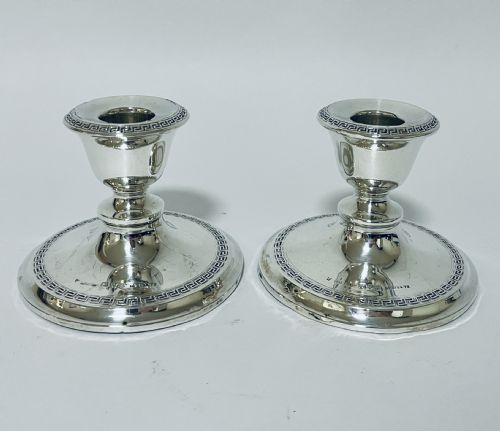
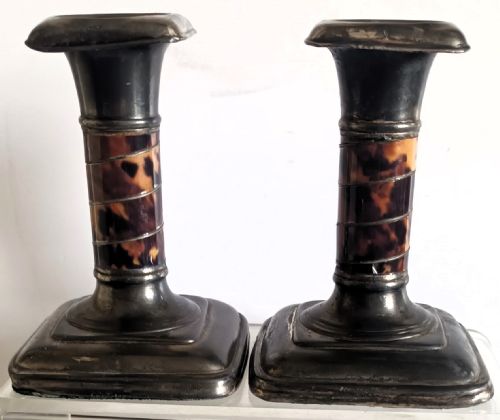


Silver Desk Candle Holder
A silver desk candle holder brings practical illumination and period character to writing surfaces, spanning Georgian chambersticks to Edwardian examples.
Silver Desk Candle Holder
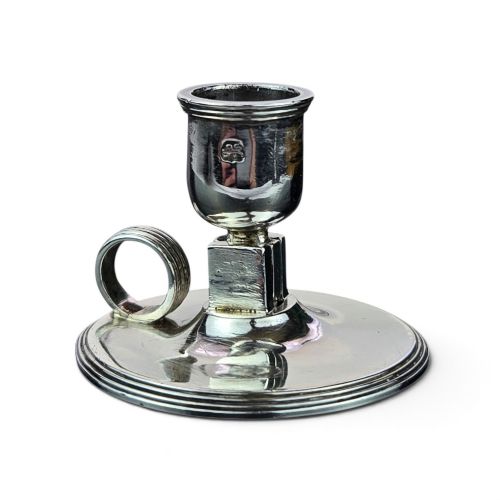
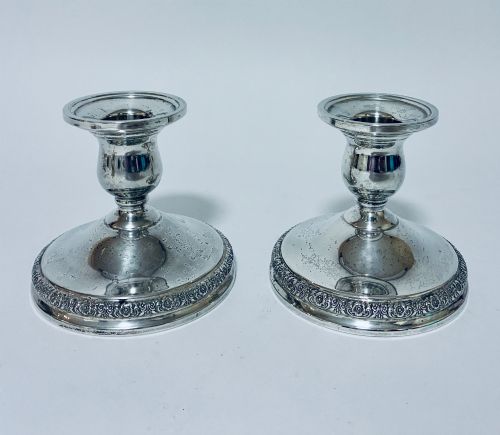
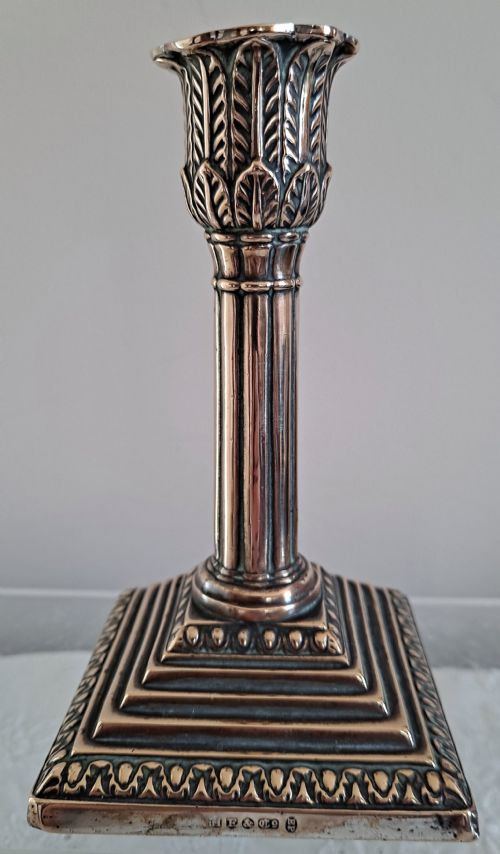
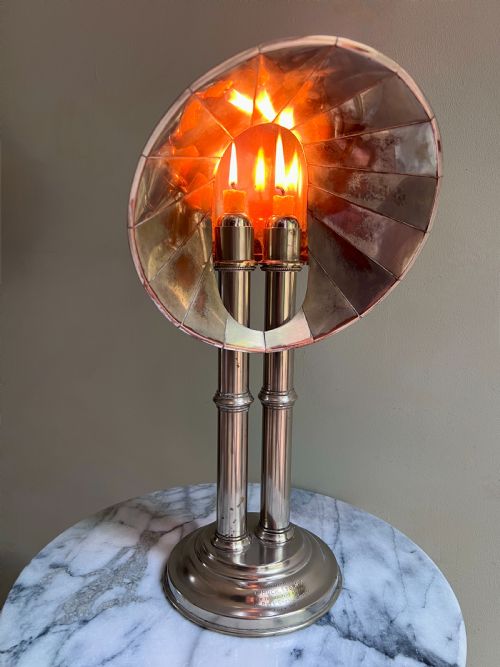
When you search for a silver desk candle holder, you encounter portable lighting items designed for writing tables and bureaus. These pieces encompass chambersticks, candlesticks, and candle lamps intended for close work.
The selections span multiple eras, including Georgian, Victorian, and Edwardian periods. Examples range from simple individual sticks to pairs and reflector lamps.
Materials extend beyond solid silver to include silver plate, Sheffield plate, and mixed media such as pewter, tortoiseshell, horn, brass, copper, and nickel. Stylistic influences incorporate Neoclassical designs and revival forms.
How they were made
Construction methods involve casting and seaming solid silver, as seen in early eighteenth-century examples bearing London hallmarks. Metalworking techniques also produce telescopic forms and plated wares upon copper or base metals.
Artisans combined precious and organic materials, integrating tortoiseshell and horn into metal frames. Plating methods evolved from early Sheffield plating to later silver and nickel plating processes.
Silver Desk Candle Holder Retail Price Guide 2026
Typical asking prices for silver desk candle holder among the pieces listed under this phrase on Sellingantiques today, from the lower quarter to the upper quarter. They describe what is for sale here now, not the wider market.
Materials represented include sterling silver, silver plate, copper, brass, pewter, nickel, horn, and tortoiseshell.
What varies in quality
Quality differences emerge in the weight of the metal, the crispness of seamed construction, and the integrity of hallmarks or maker stamps. Pieces with intact original components, such as reflectors or match attachments, demonstrate higher preservation.
The combination of precious metals with organic elements like tortoiseshell or horn requires intricate joinery that separates standard production from finer decorative examples.
Conrad Eduard Mappe·Barker Ellis·David Green
The Silver Desk Candle Holder Glossary
- Chamberstick
- A low candlestick fitted with a pan to catch dripping wax and a handle for carrying from room to room. These items often sat upon desks and bedside tables.
- Britannia Standard
- A higher fineness of silver used in England from 1697 to 1720, containing more pure silver than sterling. Items from this era bear specific hallmarks denoting this standard.
- Sheffield Plated
- An early fusion technique where a thin sheet of silver was fused to a thick copper core under heat and pressure. This process creates distinct edge lines and warm undertones.
- Taperstick
- A small version of a candlestick designed specifically for holding thin wax tapers used for melting sealing wax on letters. They share the proportions appropriate for writing desks.
- Telescopic
- A mechanism allowing the stem of the candlestick to extend or contract in height. This engineering feature provides adjustable illumination for the writer.
Silver Desk Candle Holder: Frequently Asked Questions
What is a chamberstick?
A chamberstick is a low portable candlestick featuring a wide drip pan and a loop handle. They were designed for safe transport around a house or for placement on a desk.
Unlike tall table candlesticks, their compact form kept the flame close to the work surface and made them easy to carry.
How do I date a silver candlestick?
Dating relies on hallmarks, maker marks, and stylistic indicators such as Neoclassical motifs or Georgian proportions. Silver pieces often carry official assay office stamps and date letters.
Unmarked pieces require analysis of construction techniques, materials like Sheffield plate or tortoiseshell, and overall design evolution across the eighteenth and nineteenth centuries.
What is Sheffield plate?
Sheffield plate is an early form of plating created by fusing a thin layer of silver onto a copper ingot. This method was widely used before electroplating was invented in the nineteenth century.
Underneath worn silver areas, the warm reddish copper tone typically becomes visible, helping identify the technique.
Why use a taperstick?
A taperstick held thin wax tapers rather than heavy candles, providing a small flame suited for melting sealing wax. They were essential desk accessories for correspondence before the widespread use of envelopes.
Their miniature scale distinguished them from larger dining table candlesticks.