

Victorian Decorative Screen
A victorian decorative screen brings warmth and texture to a room, turning functional hearth furniture into a striking focal point.
Victorian Decorative Screen
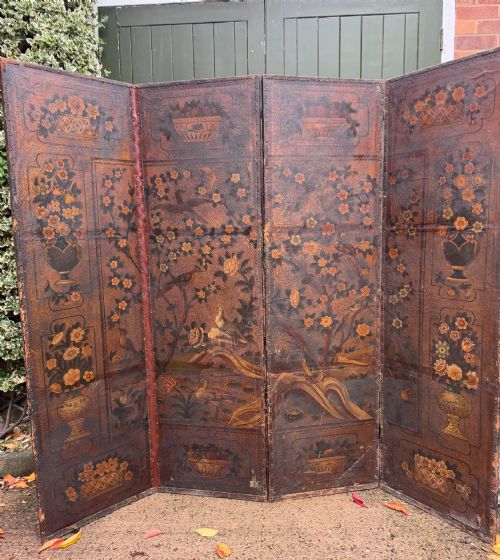
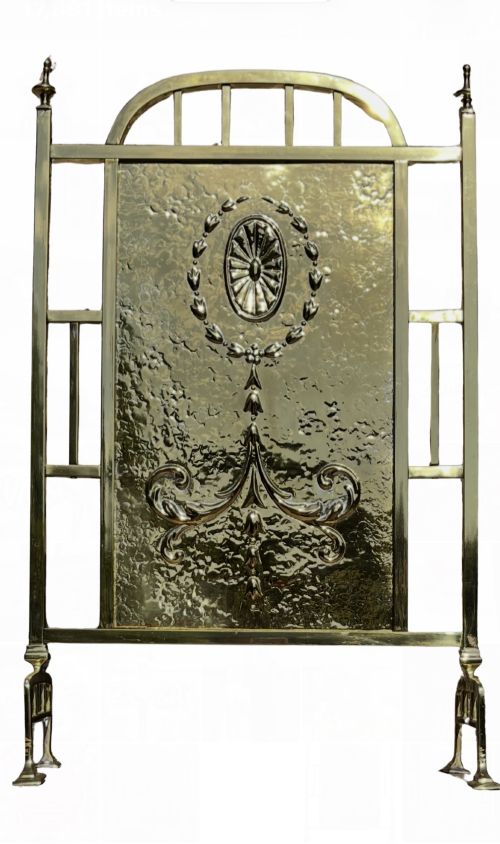
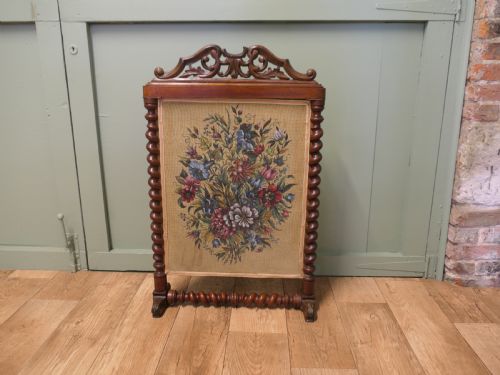
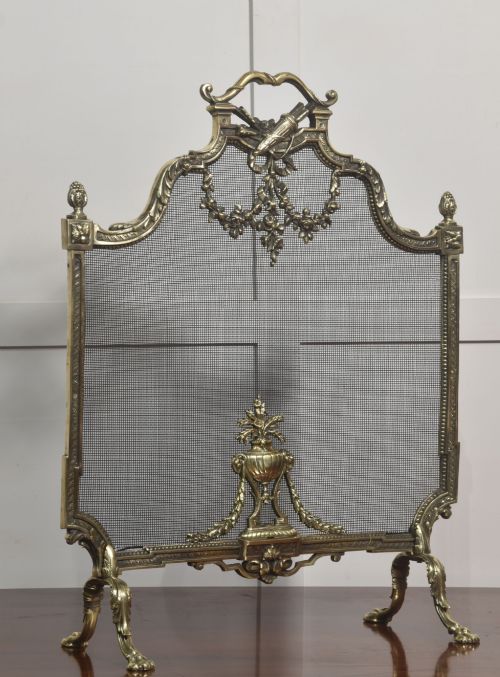
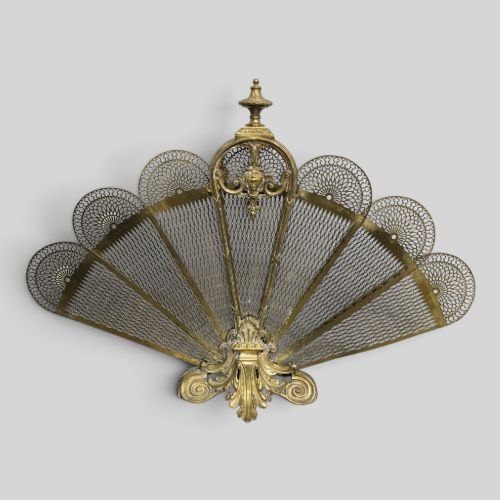
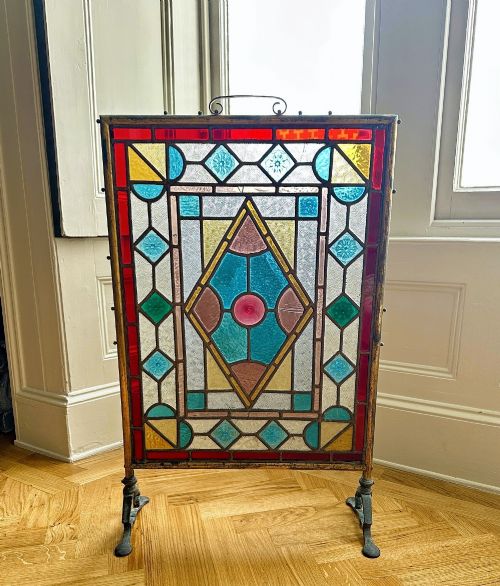
A victorian decorative screen primarily takes the form of a fire screen designed to protect the room from excessive heat or to conceal an unlit hearth during warmer months. These pieces appear across various periods, notably the nineteenth century, Victorian era, Edwardian period, and up to nineteen-twenty, encompassing both freestanding domestic items and architectural panels.
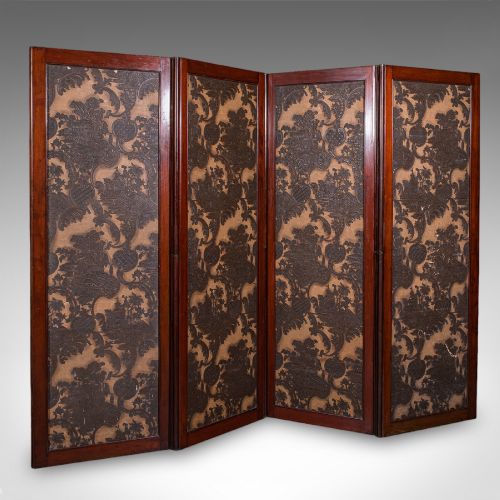
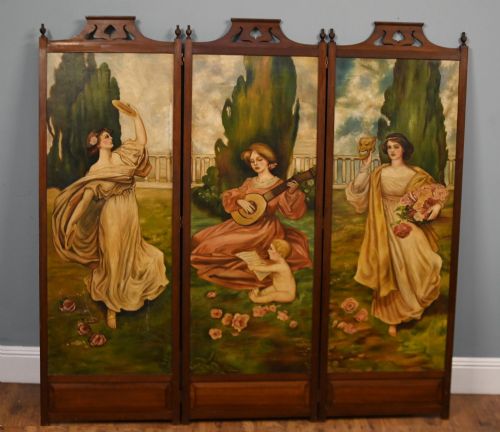
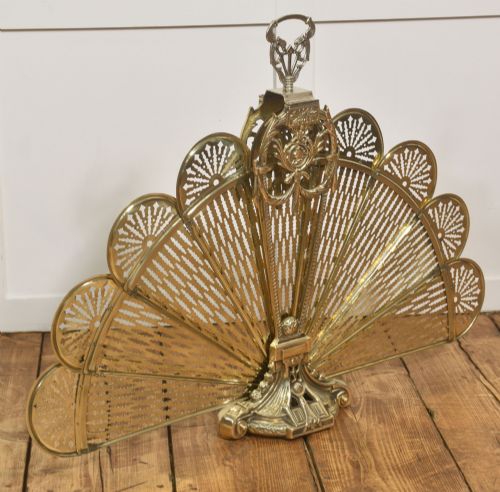
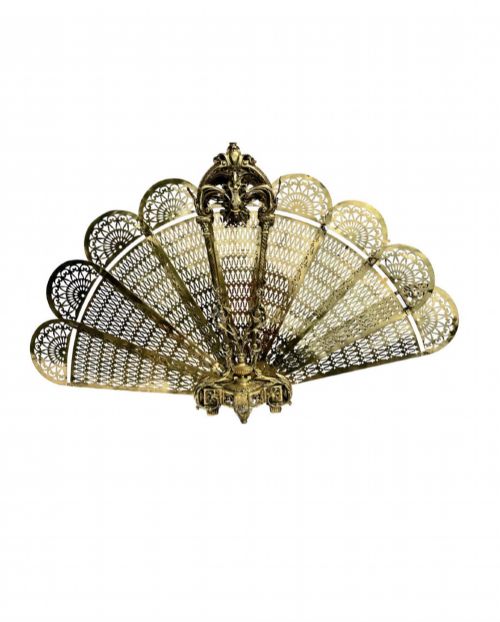
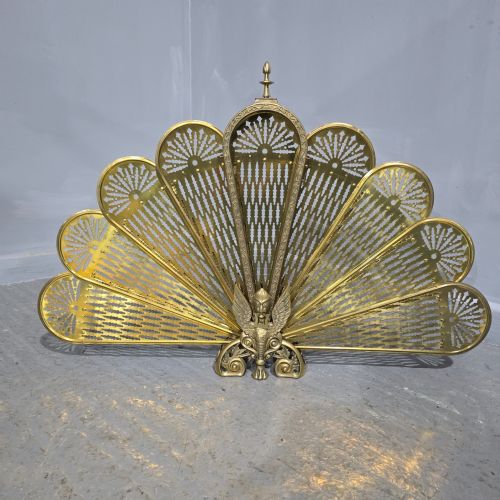
Beyond hearth accessories, the selection includes folding room dividers, pole screens, and panel configurations. Makers utilised diverse formats such as folding fan designs, multi-fold panels, and wall-mounted pieces to suit both grand country houses and smaller domestic spaces.
Materials and Construction
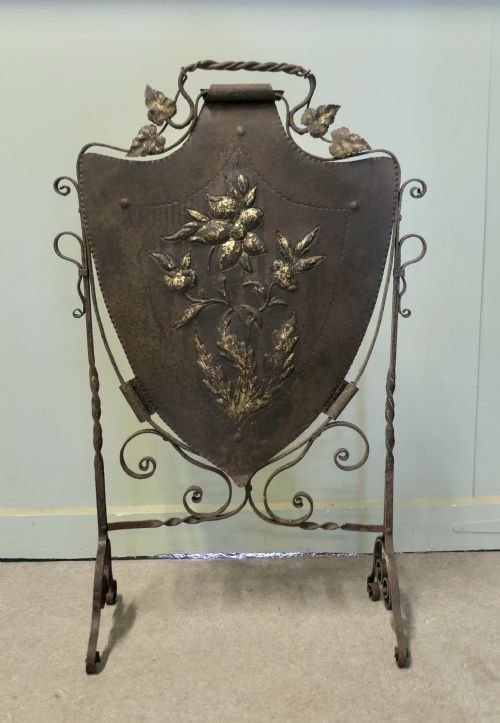
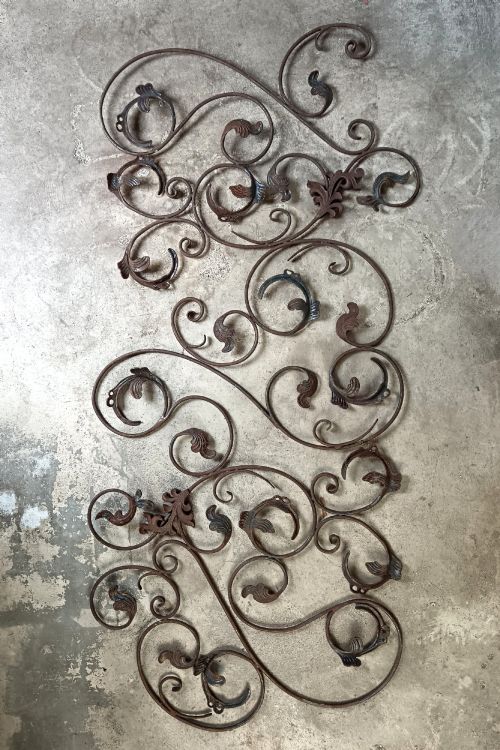
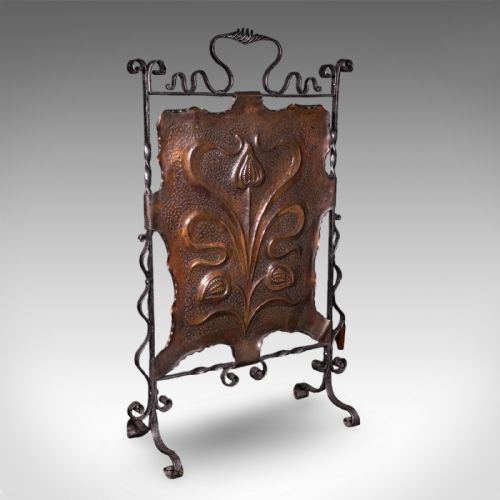
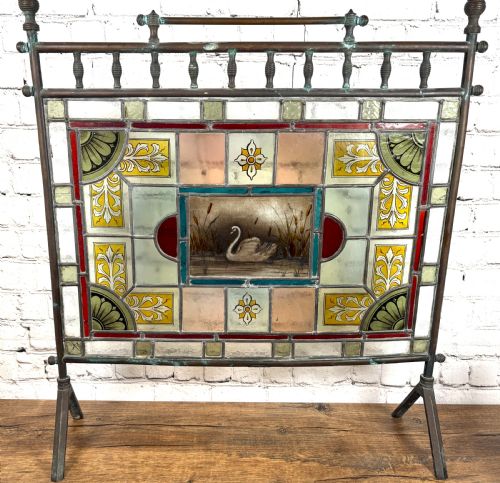
Construction relies heavily on metals such as brass, wrought iron, copper, and cast iron, often paired with structural wire mesh or glass. Brass pieces frequently incorporate folding fan mechanisms or cast details, while iron examples utilise scrollwork and heavy framing for stability.
Victorian Decorative Screen Retail Price Guide 2026
Typical asking prices for victorian decorative screen among the pieces listed under this phrase on Sellingantiques today, from the lower quarter to the upper quarter. They describe what is for sale here now, not the wider market.
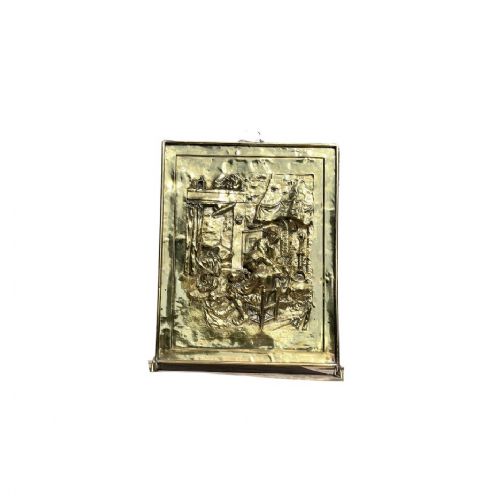
Theatre scenery boards occasionally turn up alongside hearth accessories, having escaped the stage to find new life in domestic spaces.
Assessing Quality
Quality rests upon the execution of detail and the integrity of the materials, distinguishing standard utility items from finer decorative works. Superior examples display refined metal casting, precise joinery in the wooden frames, and intricate hand-worked elements like embroidery or stained glass.
The sophistication of the design style also marks the upper tier, with pieces showing confident Rococo Revival or Art Nouveau styling possessing greater visual presence than simpler, utilitarian guards. Complete, stable frames with original glass, textiles, and patinated brass indicate better preservation.
The Victorian Decorative Screen Glossary
- Fire screen
- A movable barrier placed before a fireplace to block heat or hide the grate when not in use. These often feature decorative mesh, glass, or metal panels.
- Ormolu
- Gilded bronze or brass applied as decorative mounts or frames on furnishings. It provides a bright, durable metallic finish.
- Dummy board
- A painted wooden figure cut out to life size and shaped to resemble a person or animal. These historical novelties often stood beside hearths.
- Rococo Revival
- A nineteenth-century design style characterised by asymmetrical scrolls, naturalistic floral motifs, and ornate, flowing lines. It heavily influenced decorative metalwork and framing.
Victorian Decorative Screen: Frequently Asked Questions
How do I use a fire screen?
A fire screen sits in front of the hearth opening when the fire is unlit, serving to hide the empty grate and ash during warmer months.
In daily use, it also acts as a physical barrier against stray embers and radiant heat when the fire burns low.
Are these screens still functional?
Many metal and mesh screens remain entirely suitable for use before an active fireplace to catch sparks.
Fragile examples featuring silk embroidery, paper, or stained glass are better suited to decorative placement away from intense heat.
How do I clean a brass screen?
Dust the metal gently with a dry or slightly damp cloth to remove surface particles without disturbing the underlying patina.
Avoid harsh chemical polishes that strip away the aged character accumulated over decades of domestic use.
What is a pole screen used for?
A pole screen allowed occupants to adjust the height of the decorative panel along a vertical stand.
This adjustment shielded the face from the intense radiant heat of an open coal fire.