


Victorian Decorative Porcelain Vase
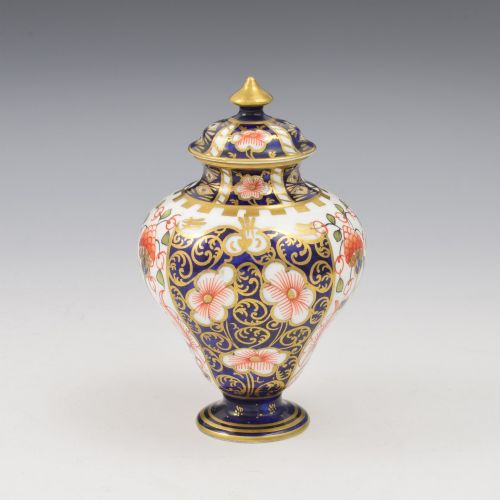
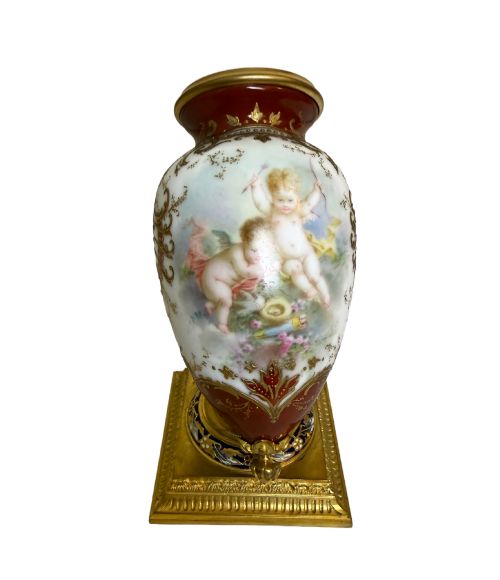
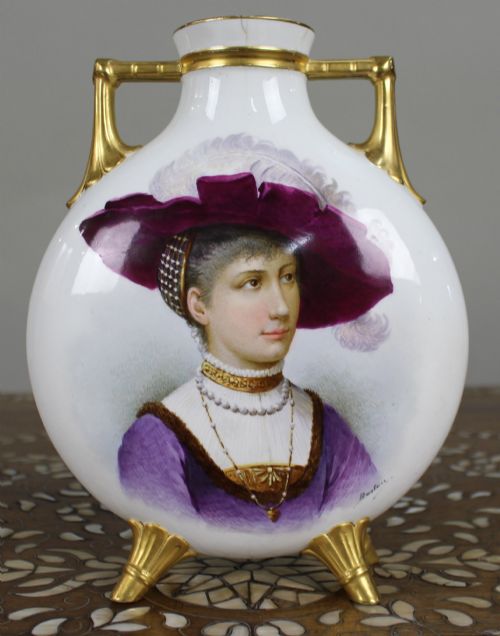
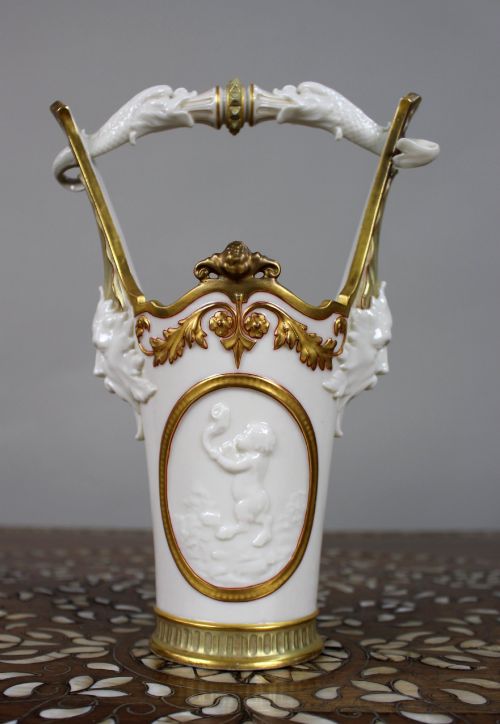
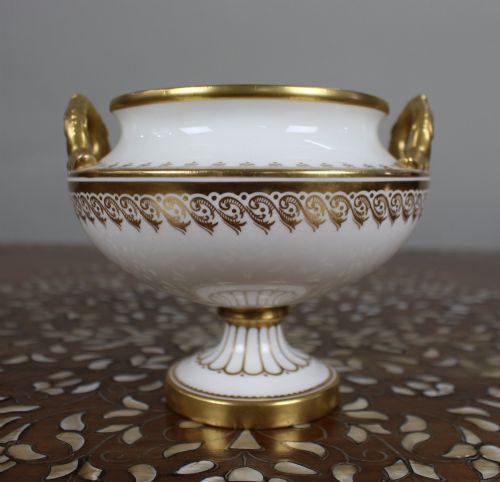
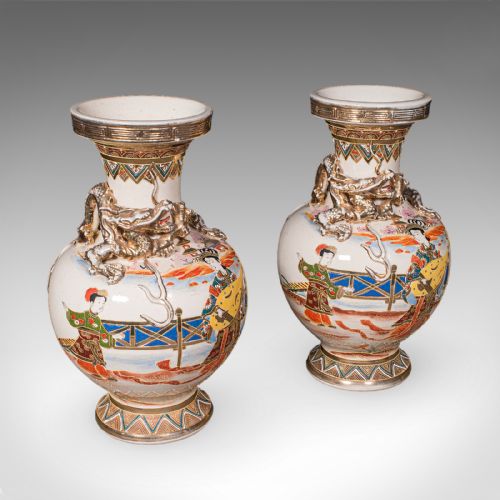
A victorian decorative porcelain vase brings colour, gilding and hand-painted detail to a mantelpiece or side table.
Victorian Decorative Porcelain Vase
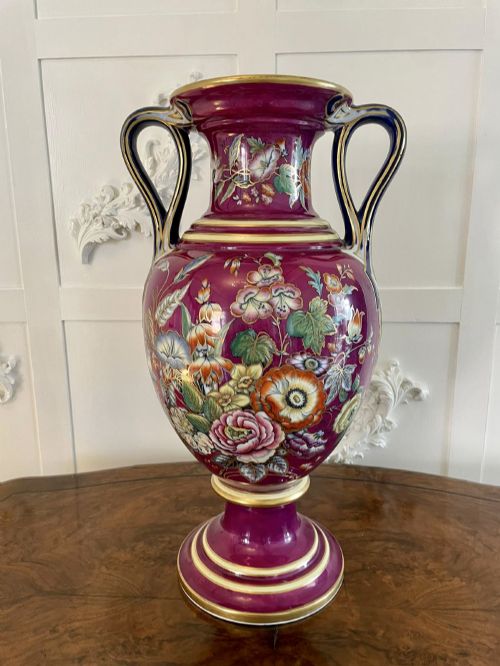
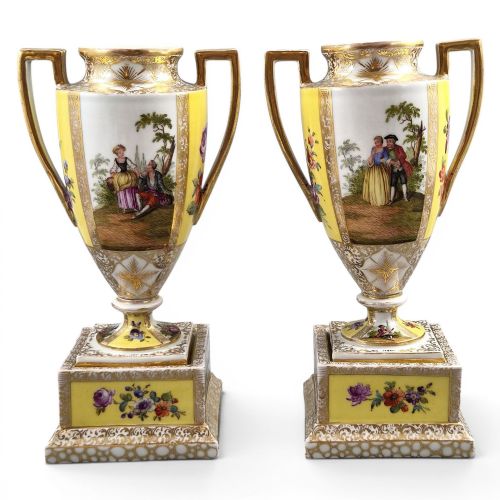
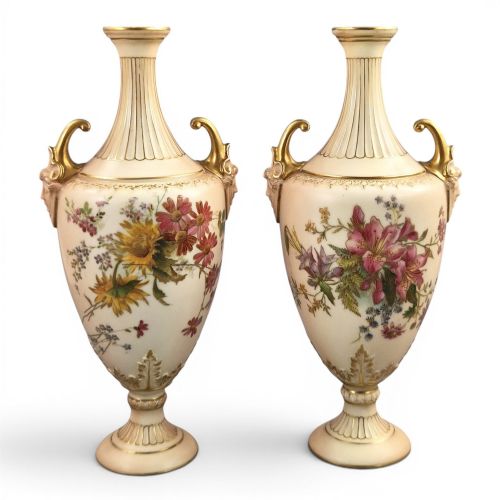
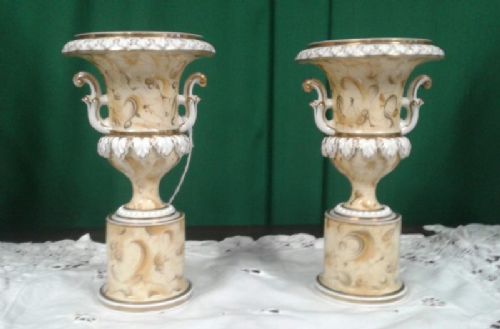
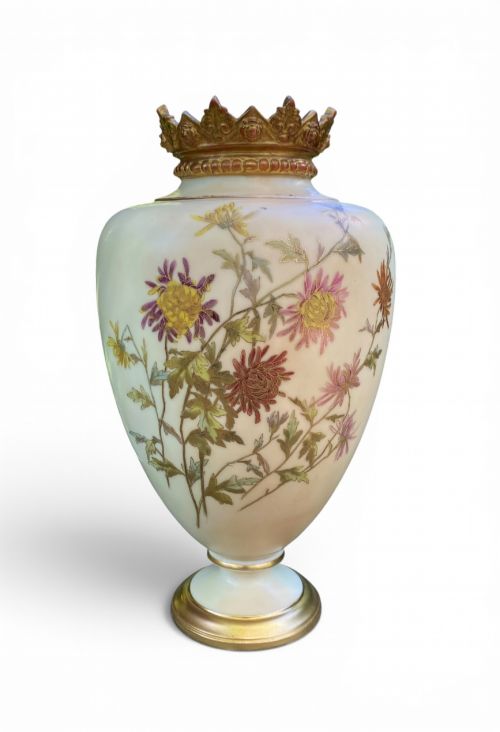
When searching for a victorian decorative porcelain vase, buyers encounter items from the nineteenth century alongside pieces carrying Rococo Revival, Neoclassical and Aesthetic Movement styles. The selections on this page span standard baluster forms, campana urns, twin-handled vessels and decorative ewers.
Most examples originate from English potteries such as Royal Worcester, Derby and Doulton, or continental factories including Dresden and Vienna. These works range from cabinet miniatures to large exhibition pieces intended as interior centrepieces.
How they were made
Potters shaped porcelain, ceramic or earthenware bodies before applying ground colours and hand-painted motifs. Many items incorporate raised gilding, gold leaf or enamel work.
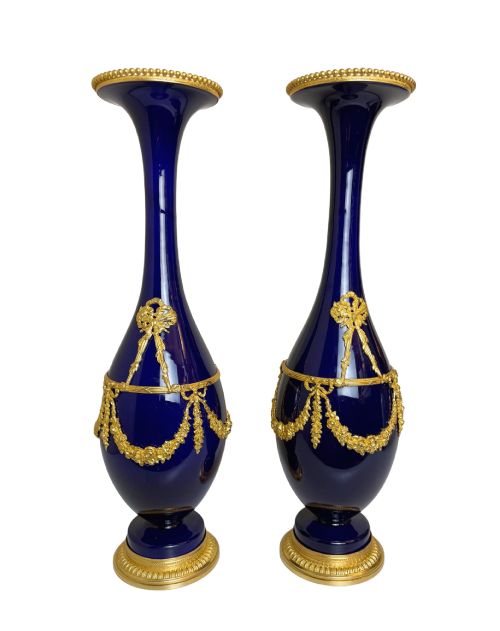
Certain vessels feature metal mounts in gilt bronze, while others utilise reticulated piercing or bisque finishes achieved through specialised firing techniques.
The listings feature nineteenth-century porcelain and earthenware from English and continental makers, spanning campana urns, ewers, and posy holders.
What varies in quality
The standard of painting separates standard production wares from exhibition pieces, particularly where artists sign their work or render detailed floral and figural scenes. Hand-applied gilding depth and the crispness of moulded ornament also distinguish finer examples.
Makers with established reputations for porcelain bodies and controlled kiln firing achieve greater refinement in form and glaze consistency than smaller regional potteries.
Royal Crown Derby·Royal Worcester·Stevenson and Hancock·Samuel Alcock·Helena Wolfsohn·Ernst Wahliss
The Victorian Decorative Porcelain Vase Glossary
- Campana urn
- A bell-shaped vessel with a footed base, often fitted with twin handles and used as an ornamental garniture piece.
- Ewer
- A large jug with a shaped spout and looped handle, frequently produced for display alongside matching vases.
- Gilding
- The application of gold leaf or gold powder to porcelain surfaces, often burnished to create contrasting matte and bright areas.
- Reticulated
- Pierced or openwork ceramic decoration formed by cutting patterns into the clay body before firing.
- Bisque
- Unglazed fired porcelain or ceramic material with a matte, biscuit-like texture popular for figures and decorative vessels.
Victorian Decorative Porcelain Vase: Frequently Asked Questions
How do I identify a Victorian porcelain vase?
Look for factory marks, registration numbers and stylistic indicators such as Aesthetic Movement or Rococo Revival motifs stamped or painted on the base. Victorian pieces frequently combine heavy gilding with hand-painted floral panels.
Material composition also helps; nineteenth-century bodies range from soft earthenware porcelains to crisp bone china and blush ivory ceramic bodies.
Where should I display a decorative porcelain ewer?
Decorative ewers suit prominent locations such as mantelpieces, sideboards or console tables where their handles and spouts can be viewed from multiple angles. Pairing them with matching urns creates a balanced garniture set.
Keep these vessels away from direct sunlight and heavy foot traffic to protect delicate hand-painted enamel and gold leaf details.
What is the difference between an urn and a vase?
Urns typically feature a footed pedestal, a distinct stem, and twin handles designed for classical symmetry, often functioning as ornamental mantel garnitures. Vases encompass a broader range of open-topped cylindrical, baluster or flask shapes.
Both forms served primarily decorative purposes in Victorian interiors rather than holding cut flowers.
How should I clean antique porcelain and gilt surfaces?
Dust porcelain pieces gently with a soft, dry brush or a feather duster to remove surface particles without disturbing fragile enamel or gold leaf. Avoid using water, chemical cleaners or abrasive cloths, which can strip nineteenth-century gilding.
Professional restoration is recommended if structural repairs or deep cleaning become necessary.