

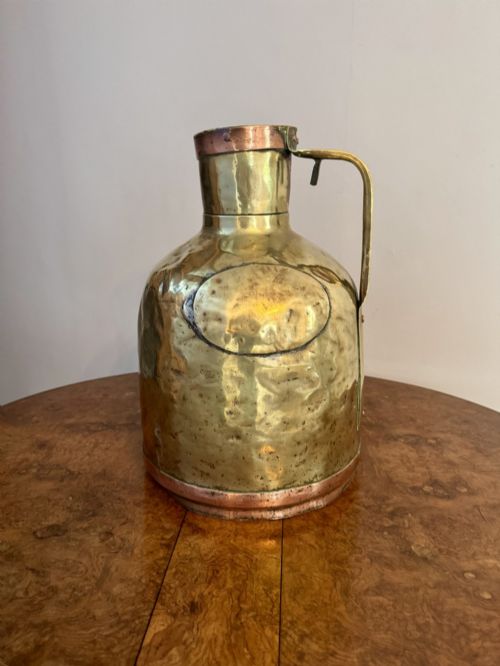
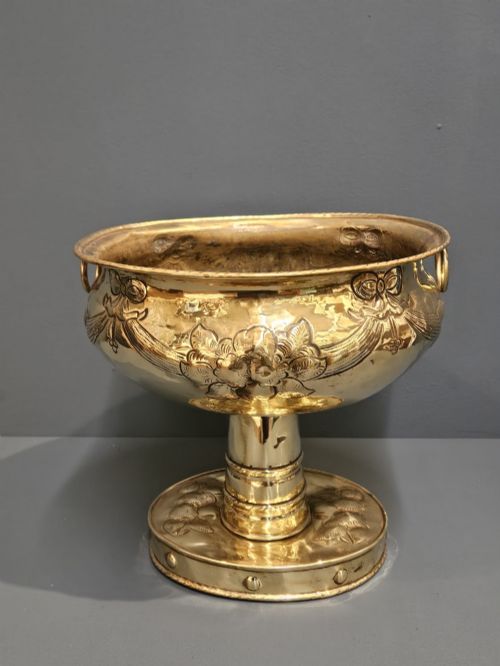
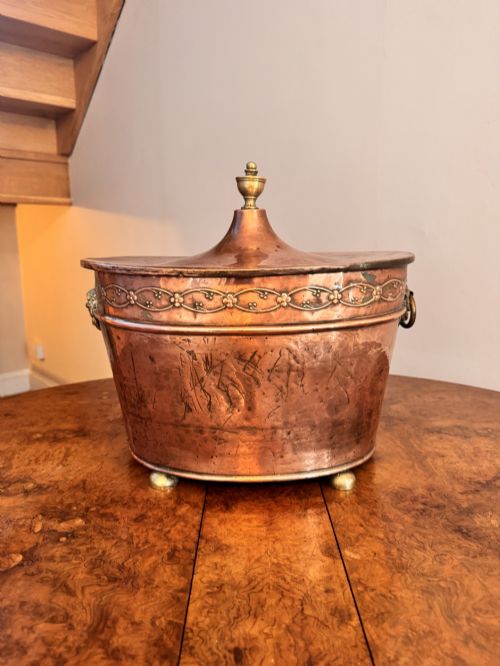
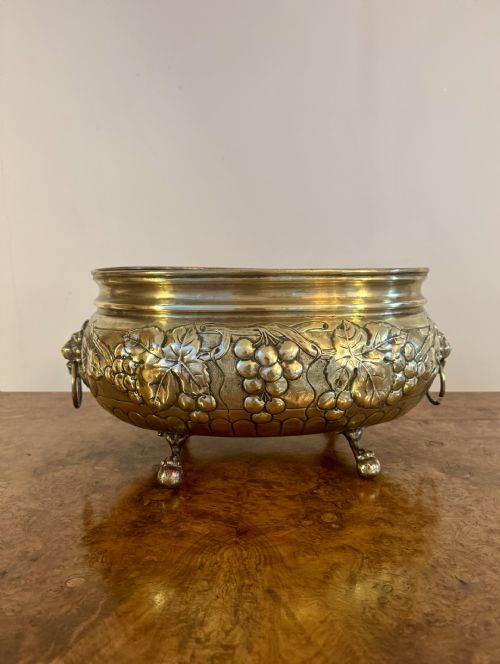




Victorian Decorative Brass Vessel
These nineteenth-century metal containers bring warmth and heavy craft into a room, spanning jardiniere planters, samovars, and carved urns under the banner of a Victorian decorative brass vessel.
Victorian Decorative Brass Vessel
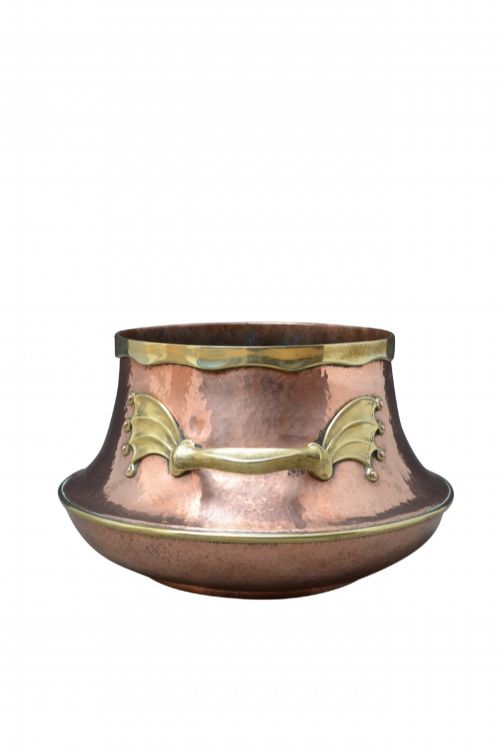
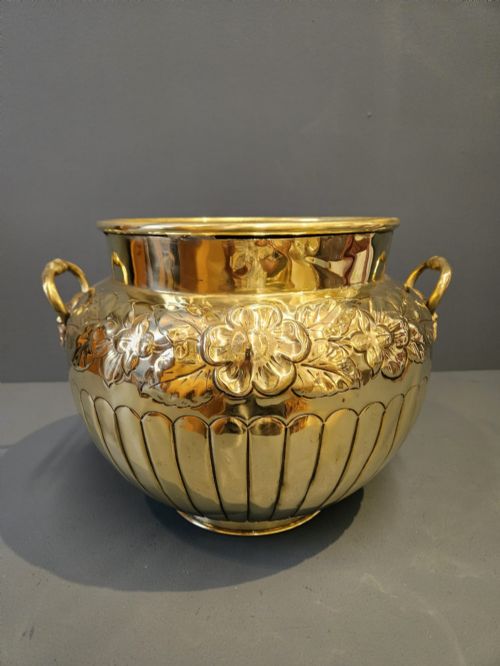
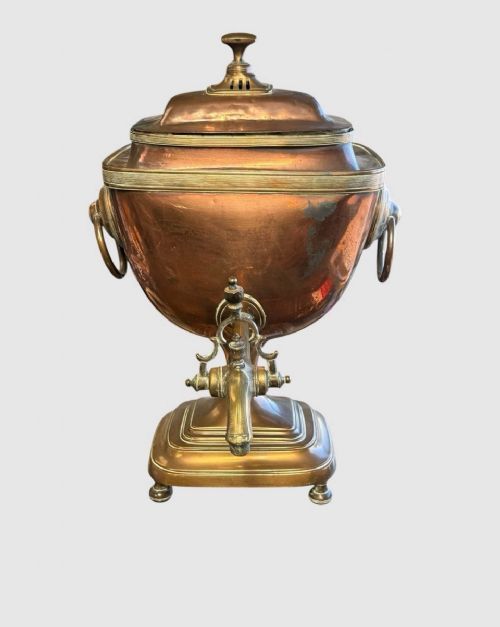
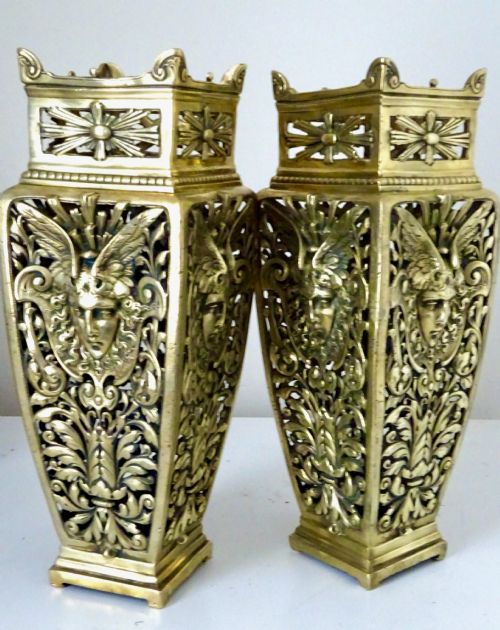
A Victorian decorative brass vessel comprises a wide variety of domestic containers shaped for utility and display during the nineteenth century. Buyers seeking this phrase encounter jardinieres, planters, tea urns, stick stands, and small bowls made to hold plants, water, or dry goods. The selection on this page relies heavily on jardiniere planters and vases, often combining brass with copper or bronze.
Most examples originate from the Victorian period, though styles stretch from traditional Dutch work to French Rococo Revival, Arts and Crafts, and Mamluk Revival. Pieces also draw upon global aesthetics, including Qing Dynasty Chinese forms, Japanese bronzes, and Anglo-Indian Raj metalwork. This international influence means a single search term covers everything from an English apothecary mortar to an inlaid cairoware bowl.
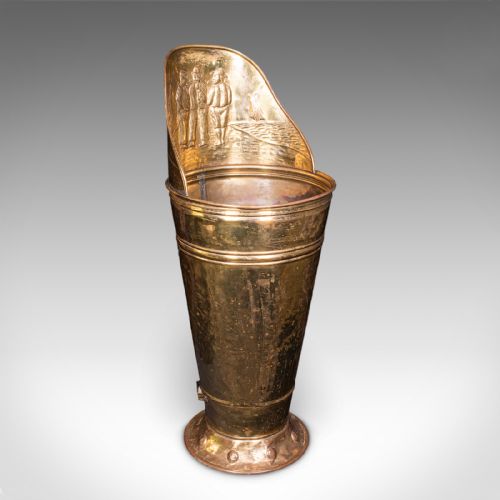
Vessels take many forms, ranging from tall umbrella stands and large log bins to delicate table urns and censers. The common thread is a heavy reliance on cast or sheet metal, fashioned to catch the light in a Victorian interior. Buyers will find both simple, utilitarian water buckets and highly ornate, pierced or hammered display pieces.
Materials and methods of manufacture
Makers utilised sheet and cast brass, frequently pairing it with copper for tonal contrast or bronze for structural weight. Surfaces were often worked by hand, using hammering techniques to create dimpled textures or piercing tools to cut geometric and floral lattices through the metal. Mixed metal inlays and deeply carved or chased decoration appear on pieces influenced by Middle Eastern and Indian traditions.
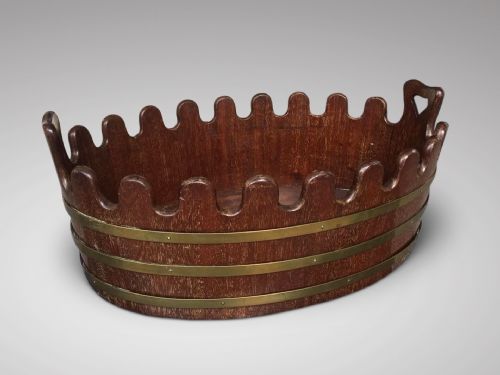
Many vessels incorporate secondary materials such as wood, horn, or silver details, particularly on umbrella stands, water barrels, and mounted horns. Manufacturing combined traditional smithing with industrial output, allowing workshops to produce heavy cast mortars alongside thin-walled cylindrical planters. Riveted seams, soldered joints, and turned wooden bases are standard construction details across the range.
Victorian Decorative Brass Vessel Retail Price Guide 2026
Typical asking prices for victorian decorative brass vessel among the pieces listed under this phrase on Sellingantiques today, from the lower quarter to the upper quarter. They describe what is for sale here now, not the wider market.
One unexpected Victorian pairing mounts real animal horns directly onto brass hardware to hold walking sticks.
Distinctions in quality and execution
Quality rests primarily on the crispness of the hand-chased detail and the weight of the metal used in construction. Superior pieces display deeply carved motifs and clean piercing work that remains sharp across complex curves, whereas lower-tier examples rely on shallow stamping or repetitive machine embossing. The integration of mixed metals and the structural integrity of handles, feet, and rims also separate standard utilitarian items from exhibition pieces.
The choice of materials dictates the baseline quality, with heavy cast brass and thick-gauge copper outlasting thin, spun-metal substitutes. Finer vessels exhibit thoughtful design in their proportions and decorative restraint, balancing applied ornamentation with the natural warmth of the polished or patinated alloy.
H F Fearncombe & Co
The Victorian Decorative Brass Vessel Glossary
- Jardiniere
- A large ornamental pot or stand designed to hold growing plants or flowers. These vessels often feature waterproof liners or heavy metal bodies to protect interior surfaces.
- Samovar
- A heated metal container traditionally used to boil and heat water for tea. These large urns typically incorporate internal vertical metal tubes for fuel.
- Cairoware
- Metalware originating from or inspired by Islamic metalworking traditions of Cairo. Pieces feature intricate silver, copper, and brass inlay set into a dark brass ground.
- Chasing
- A metalsmithing technique where designs are hammered into the front surface of the metal without removing material. This pushes the metal inward to create raised low-relief patterns.
- Cloisonne
- An ancient technique for decorating metalwork objects with colourful material held in place by thin metal strips. Artisans solder wire compartments to a bronze or brass base before filling them.
Victorian Decorative Brass Vessel: Frequently Asked Questions
What is a jardiniere used for?
A jardiniere serves as an ornamental container for housing potted plants within a room. In Victorian interiors, these vessels allowed large palms and ferns to sit directly on floors or tabletops without damaging furniture.
Beyond plant display, many owners repurpose larger jardinieres as log bins, umbrella stands, or waste paper baskets. Their robust metal construction makes them practical for holding heavy household items.
How do you clean antique brass vessels?
Cleaning antique brass requires caution to preserve the dark patination accumulated over generations. Most collectors prefer gentle dusting and occasional wiping with a soft, dry cloth rather than aggressive polishing.
Harsh chemical cleaners strip away the historical surface finish that proves age. If polishing is necessary, non-abrasive creams applied sparingly will maintain the metal without destroying subtle surface detail.
How can you tell Victorian brass from modern copies?
Victorian brass objects generally feel heavier and show signs of hand-working, such as hand-cut threads, uneven hammering marks, or brazed seams. Modern reproductions often feature uniform machine stamping and overly bright, lacquered finishes.
Examining the underside and interior reveals construction methods typical of nineteenth-century workshops. Older pieces display natural wear patterns and a deep, mellow warmth that contemporary manufacturing cannot replicate.
What is the difference between brass and bronze?
Brass is an alloy composed primarily of copper and zinc, yielding a bright yellow colour that warms with age. Bronze consists mainly of copper combined with tin, resulting in a darker, duller brown finish with greater structural rigidity.
Victorian makers selected brass for bright decorative vessels and bronze for heavier, cast sculptural objects like vases and censers. The specific metal influences both the weight of the piece and how the surface patinates over time.