


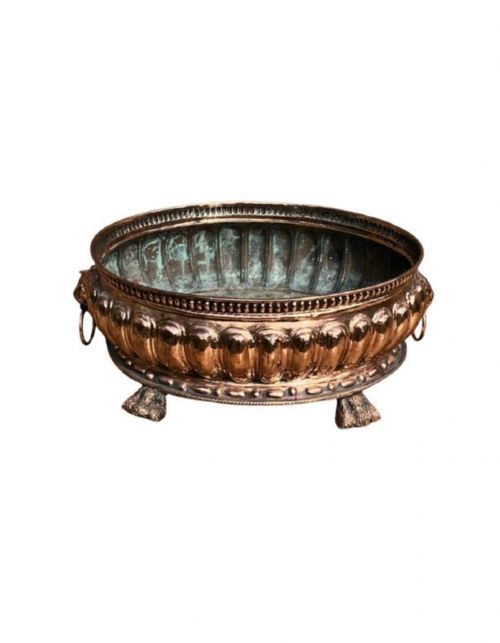


Antique Metal Planter Bowl
An antique metal planter bowl brings heavy character to a room, offering a sturdy home for greenery through beaten brass, cast iron and bronze.
Antique Metal Planter Bowl
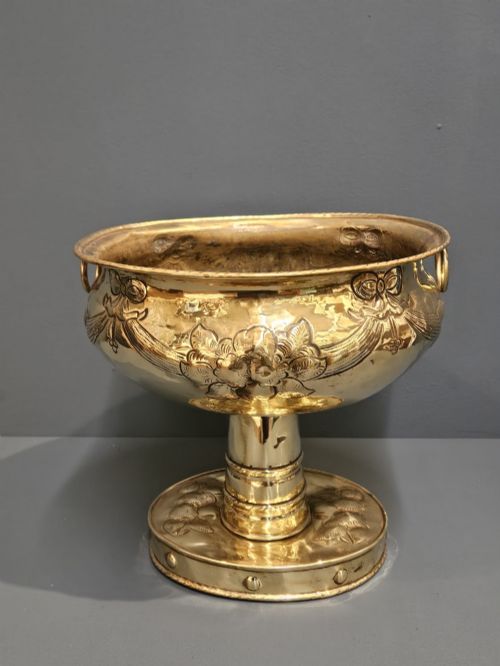
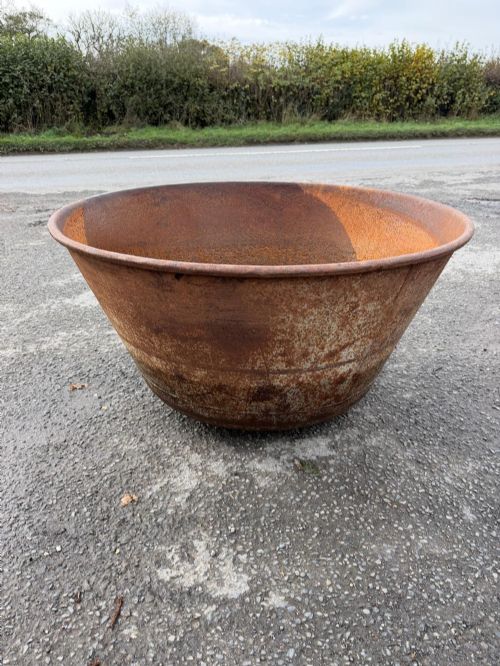
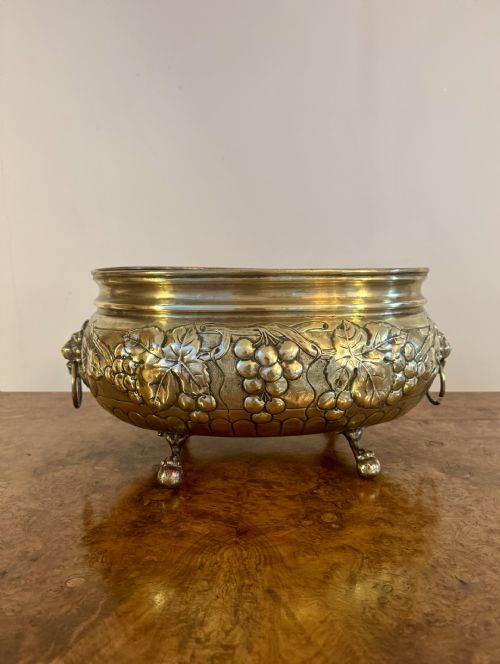
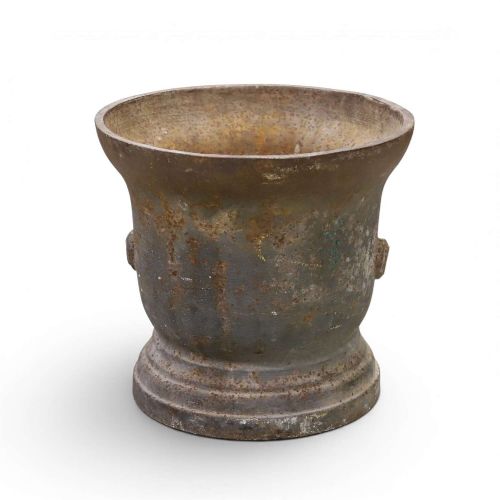
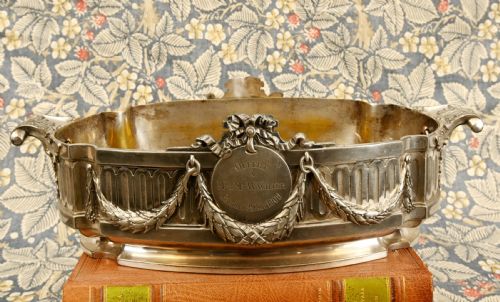
When you search for an antique metal planter bowl, you encounter vessels originally cast or beaten for utilitarian tasks like cooking, measuring grain or holding water, now repurposed for plants. The selection relies heavily on nineteenth-century specimens, featuring Victorian brass jardinieres alongside heavy French kitchen mortars and cast iron garden urns.
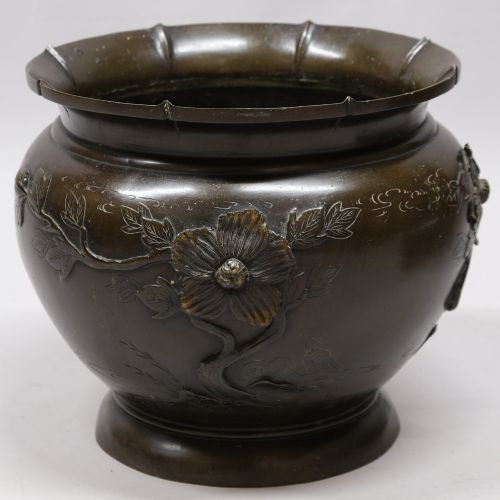
Beyond domestic European metalware, the market includes imported Japanese Meiji period bronze bowls and Chinese cloisonne pieces on stands. These items bridge decorative arts and functional horticulture, appearing as low bowls, deep jardinieres and handled vessels shaped to hold soil or sit inside a protective dish.
Materials and construction methods
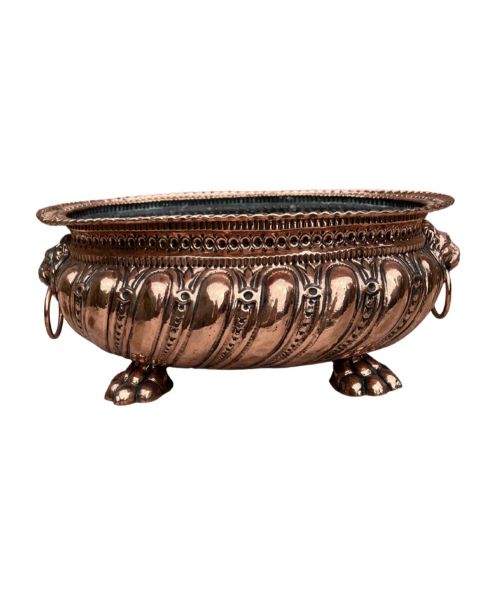
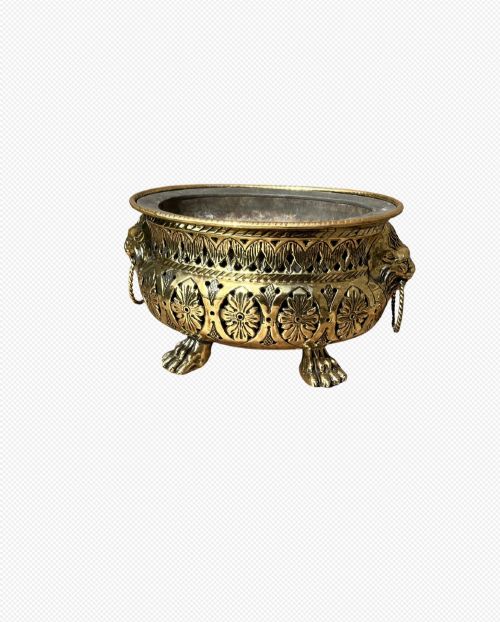
Metals span solid copper, brass, cast iron, wrought iron and bronze, often shaped by hand hammering or turned in foundry moulds. Copper pans and grain measures utilise heavy-gauge sheet metal joined with seams, while Victorian brass vessels frequently display repousse work or pierced patterns.
Asian bronze and brass examples incorporate lost-wax casting alongside champleve and cloisonne enamel decoration fired directly into the metallic body. Iron pieces rely on sand casting, yielding thick walls and substantial weight designed to withstand exterior garden use.
Antique Metal Planter Bowl Retail Price Guide 2026
Typical asking prices for metal planter bowl among the pieces listed under this phrase on Sellingantiques today, from the lower quarter to the upper quarter. They describe what is for sale here now, not the wider market.
Several heavy vessels started life as French apothecary mortars or grain measures before finding a second career holding parlor ferns.
Judging the quality of metal vessels
Thickness and weight distinguish better examples from lighter utilitarian wares, as denser bronze and heavy-gauge copper retain structural integrity through decades of use. Superior pieces show crisp relief in repousse ornamentation and clean casting lines without excessive pitting.
The refinement of surface detail, from hand-chiselled bronze feathers to neatly applied enamel and secure applied handles like lions masks, separates standard production items from workshop pieces created for display.
The Antique Metal Planter Bowl Glossary
- Jardiniere
- An ornamental pot or stand for holding plants or flowers. These vessels often sit on low feet or decorative bases inside principal rooms.
- Repousse
- A metalworking technique where the artisan hammers the design from the reverse side to form a raised pattern on the front. This creates tactile relief on brass and copper planters.
- Cloisonne
- An enamelware technique where fine wire creates compartments soldered to a metal base before enamel paste is applied and fired. It appears frequently on Asian bronze bowls.
- Mortar
- A heavy bowl used with a pestle for crushing substances, often adapted from apothecary or kitchen use into heavy planters. Cast iron examples provide exceptional stability.
- Meiji Period
- The era in Japanese history spanning from 1868 to 1912 noted for exceptional bronze casting and decorative metal arts exported to the West.
Antique Metal Planter Bowl: Frequently Asked Questions
Can I plant directly into these metal bowls?
Many historical metal vessels lack drainage holes because they originated as indoor jardiniere liners, kitchen pans or decorative bowls.
Using a plastic nursery pot inside the metal bowl protects the interior from moisture retention and mineral damage caused by wet soil.
How do I clean old brass and copper safely?
Washing with warm water and mild soap removes surface dust without harming historical patination. Harsh chemical polishes strip away the aged character accumulated over centuries.
Leaving a natural dark oxidation layer preserves the authentic appearance valued by collectors.
Are these heavy metal bowls suitable for gardens?
Cast iron urns and heavy bronze vessels tolerate outdoor conditions well, especially when brought indoors during freezing winter months. Copper and thin brass items perform best sheltered inside conservatories or porches.
Direct contact with wet soil accelerates corrosion on unprotected iron and thin copper sheets.
How do I identify a Japanese Meiji period bronze bowl?
Japanese bronzes from this era often feature rich chocolate-brown patination, meticulous surface chasing and motifs depicting flora or fauna. They frequently originate from the mid-nineteenth to early twentieth century.
Heavier specimens occasionally incorporate intricate champleve enamel detailing along the rim or base.