
Victorian Dark Oak Furniture
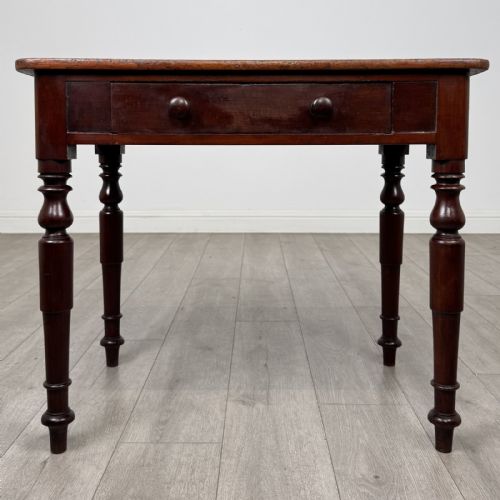
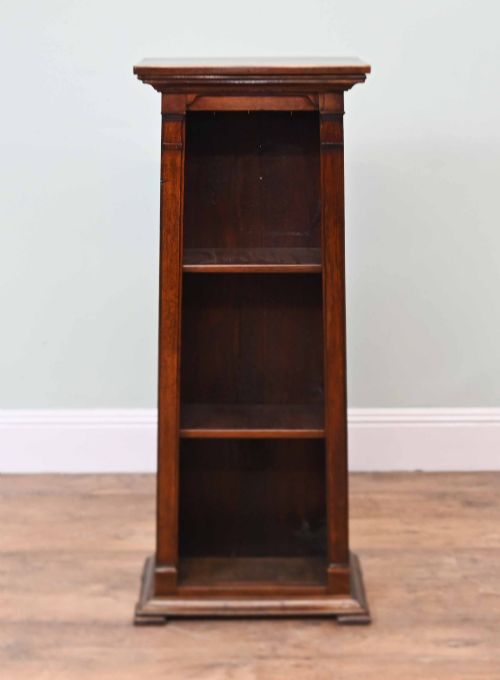
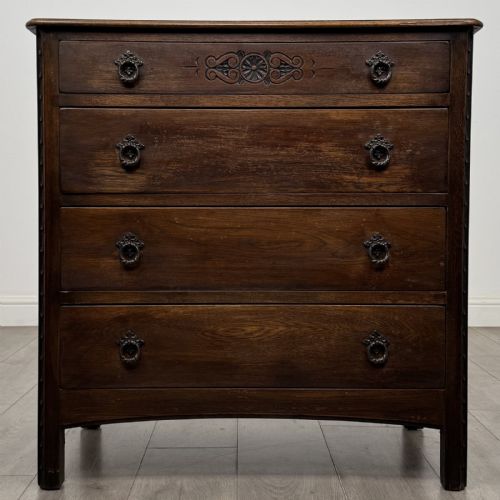
Victorian dark oak furniture brings heavy timber and dark tones into domestic spaces through items like sideboards, benches, and desks.
Victorian Dark Oak Furniture
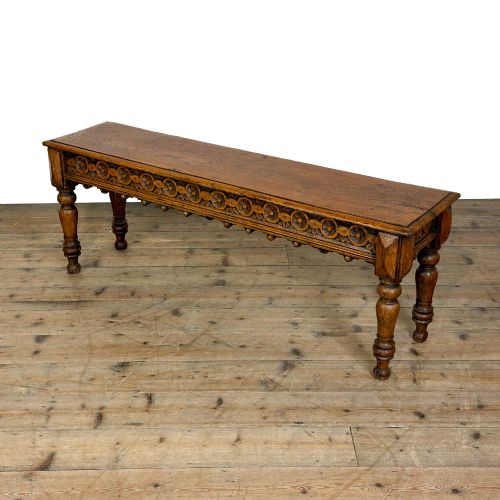
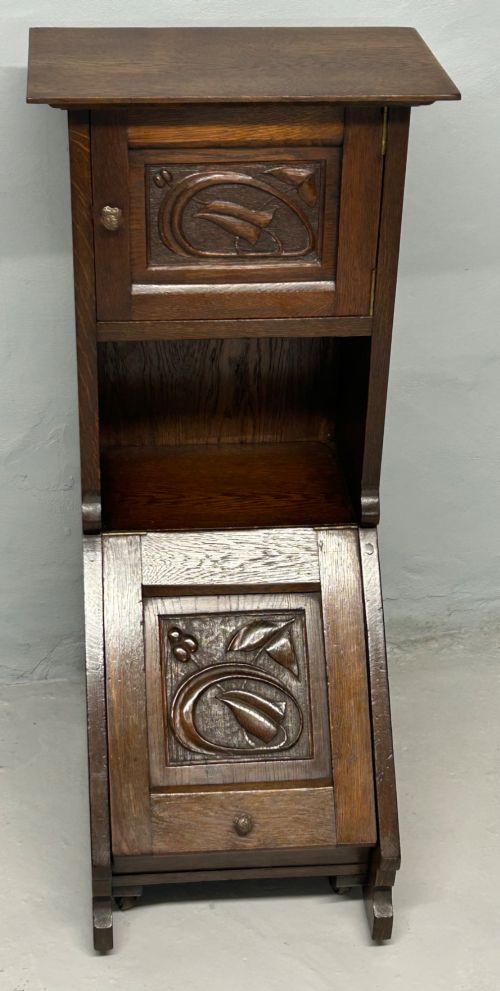
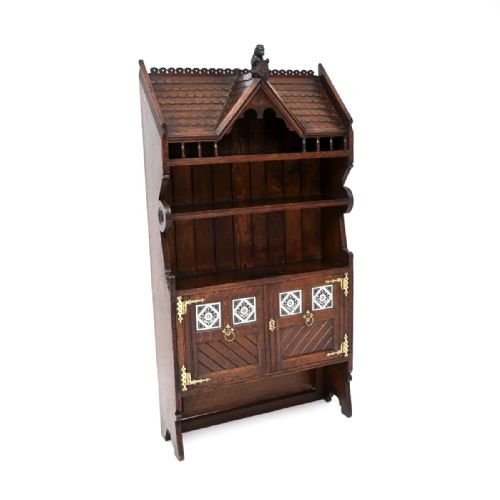
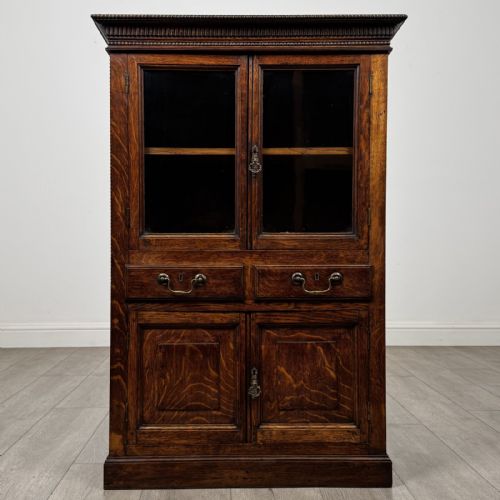
Victorian dark oak furniture encompasses substantial wooden items made during the nineteenth century, including sideboards, hall benches, and desks. Buyers searching for victorian dark oak furniture typically encounter seating and storage pieces rooted in Gothic Revival, Jacobean Revival, and Arts and Crafts styles.
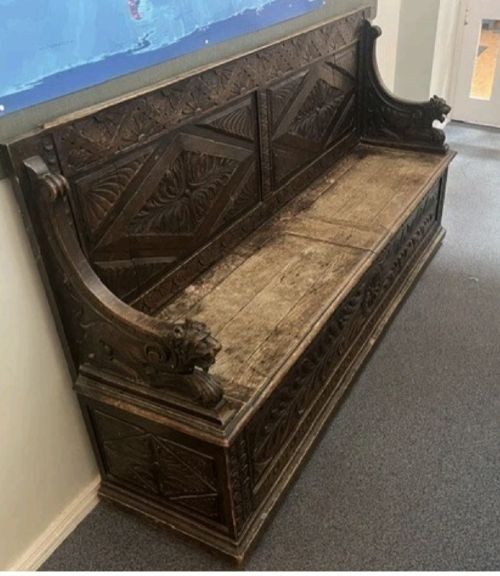
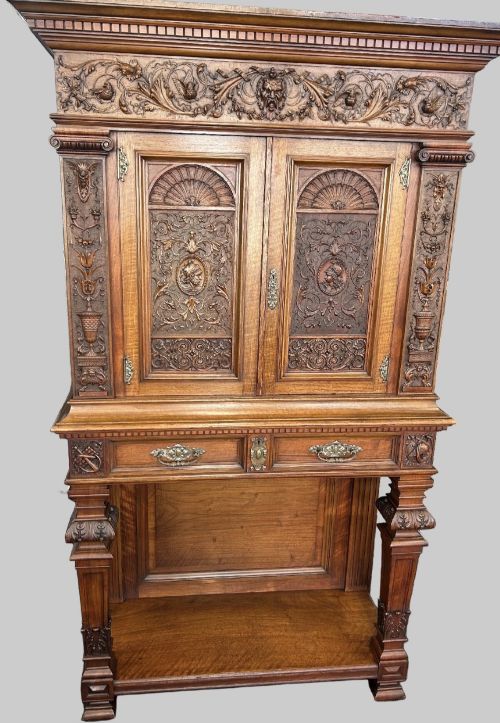
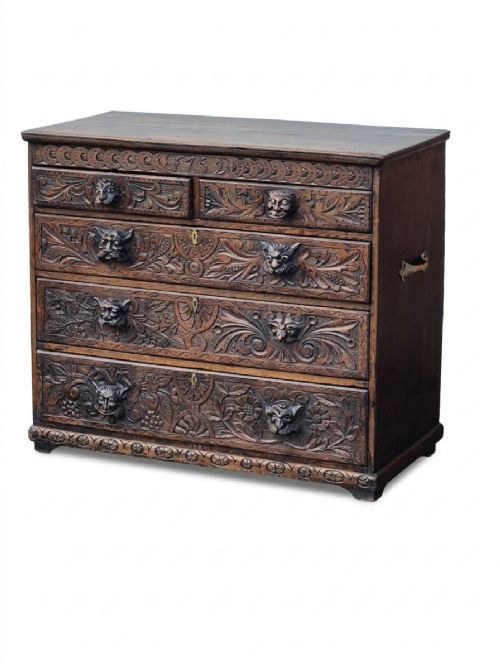
Country and vernacular versions share space with heavily carved urban pieces bearing grotesque Green Man motifs or tracery panels. Most items originate from English workshops, with occasional Irish country house and Scottish examples appearing in the record.
Materials and Construction
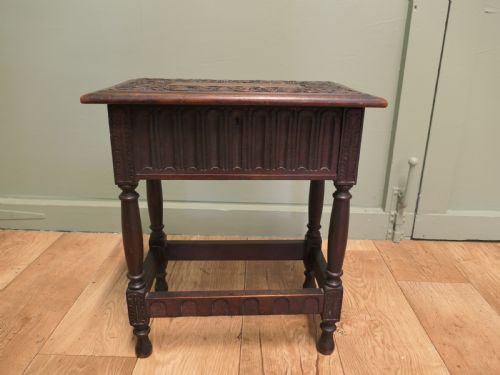
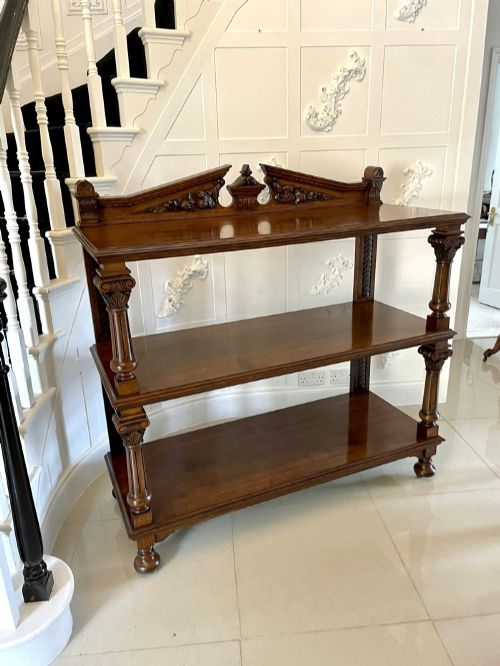
Makers utilised solid oak timbers, often complemented by brass mounts, iron hardware, and leather or fabric upholstery. Construction methods rely on traditional joinery, including jointed frames and panelled doors suited to heavy timber.
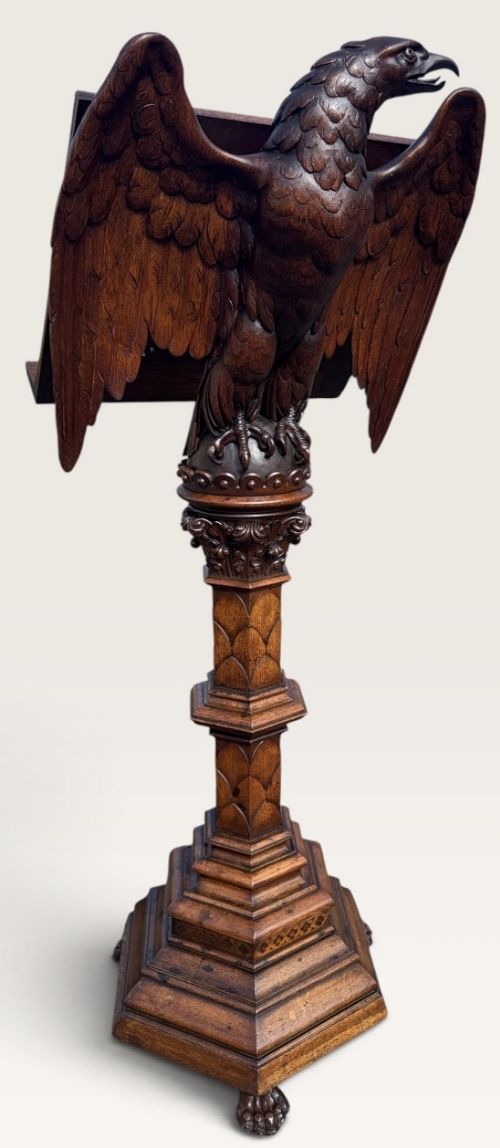
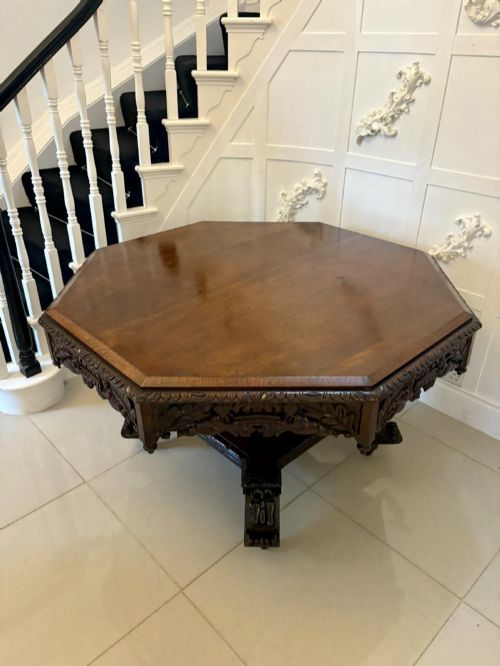
Carving serves as the primary ornamentation, ranging from deep relief foliage and thistles to grotesque mask details. Secondary materials such as glass, sycamore, and mahogany appear in specific functional components like cabinet doors, drawers, and structural inlays.
A Burmese thistle chair sits among the English oak, reminding us that Victorian seating habits stretched far beyond the parish church.
Craftsmanship and Scale
Quality rests in the depth and execution of the carved detail, distinguishing routine joinery from sculptural work attributed to known makers or specific design movements. Timber selection dictates the visual weight, with figured oak or Pollard oak providing superior grain contrast.
Proportion and structural integrity separate standard items from exceptional architectural commissions, such as large sideboard buffets or fully adjustable artist easels. Original hardware, including brass fittings and working locks, elevates the integrity of a piece.
GM Elwood for JS Henry·Liberty and Co·James Shoolbred and Co
The Victorian Dark Oak Furniture Glossary
- Green Man
- A carved mask of a human face emerging from or entwined with foliage. This motif appears frequently on nineteenth-century Gothic Revival cabinets and chests.
- Gothic Revival
- An architectural and decorative style drawing on medieval forms. It manifests in pointed arches, tracery, and heavy carved oak construction.
- Monk's bench
- A multi-functional convertible seat with a hinged back that folds down to form a table. These compact items suit hallways and smaller rooms.
- Pollard oak
- Timber taken from trees pollarded at a height above animal browsing reach, producing a dense cluster of branches and highly decorative grain patterns.
- Settle
- A wooden bench with high back panels and solid arms designed to block drafts. Examples in this category often incorporate storage compartments beneath the seat.
Victorian Dark Oak Furniture: Frequently Asked Questions
What is a monk's bench used for?
A monk's bench functions primarily as an entrance hall seat with integrated storage beneath the hinged lid. When the back panel tilts forward, the piece converts into a small table.
These convertible items save space in narrow corridors and reflect vernacular domestic utility during the nineteenth century.
How do I identify Gothic Revival furniture?
Gothic Revival furniture displays architectural motifs inspired by medieval buildings, such as pointed arches, quatrefoils, and linenfold panelling. Craftsmen used solid oak to achieve heavy, structural silhouettes.
Carved details often incorporate religious symbols, tracery, and grotesque masks alongside iron or brass hardware.
Where did hall stands go in a Victorian home?
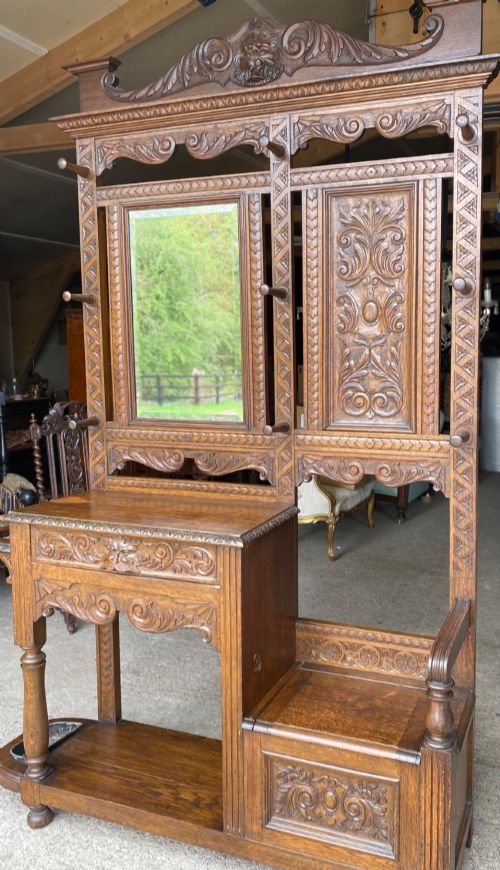
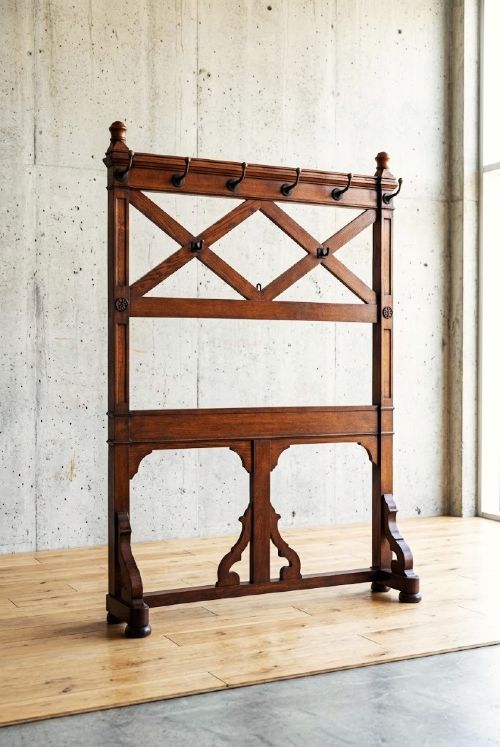
Hall stands stood directly in the entrance vestibule or hallway to greet arriving guests and manage outdoor garments. They provided dedicated spots for hats, coats, walking sticks, and umbrellas.
Many incorporated central mirrors and small glove drawers or integrated bench seating for changing footwear.
How do I clean dark oak wood?
Dust dark oak surfaces regularly with a dry, soft cloth to prevent particulate buildup in deep carved recesses. Avoid abrasive cleaners or excess moisture that can damage historic polish.
Apply a microcrystalline wax periodically to nourish the timber and protect the original patina without leaving sticky residue.