
Victorian Carved Storage Cabinet
These pieces of a victorian carved storage cabinet bring solid timbers and distinct regional styles into daily use.
Victorian Carved Storage Cabinet
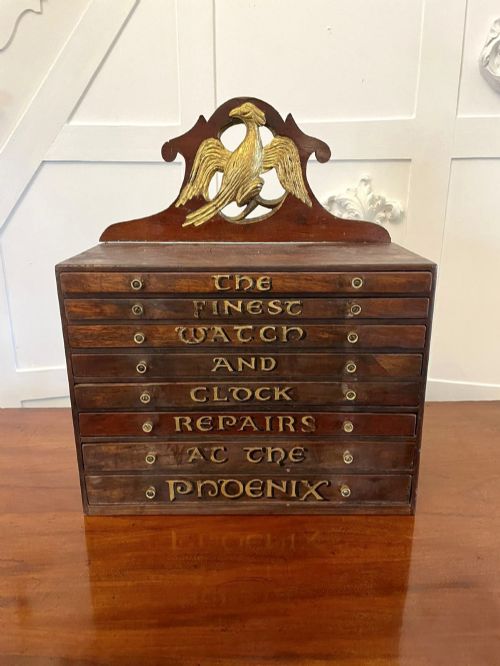
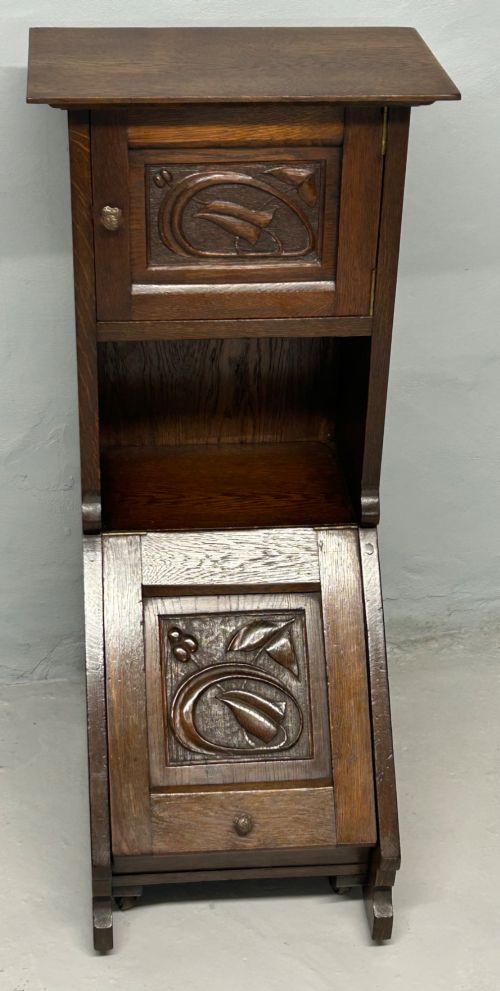
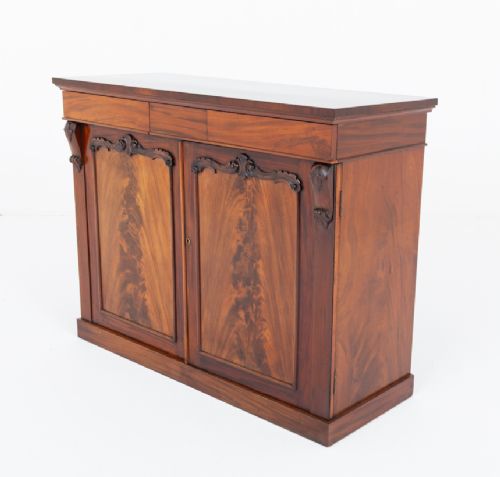
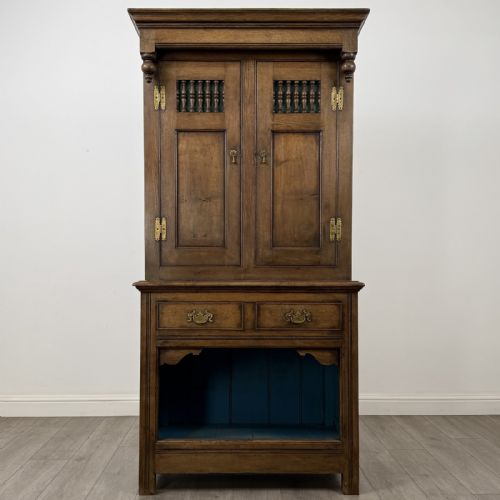
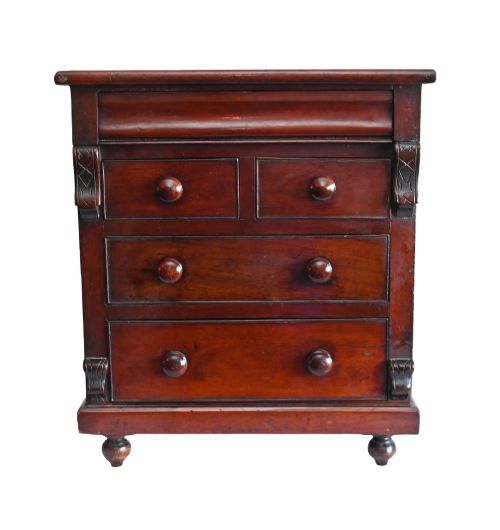
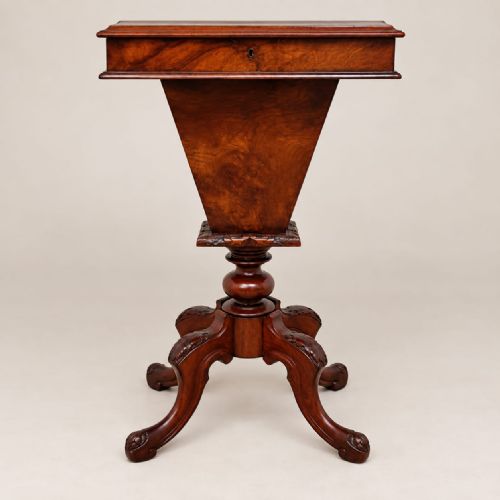
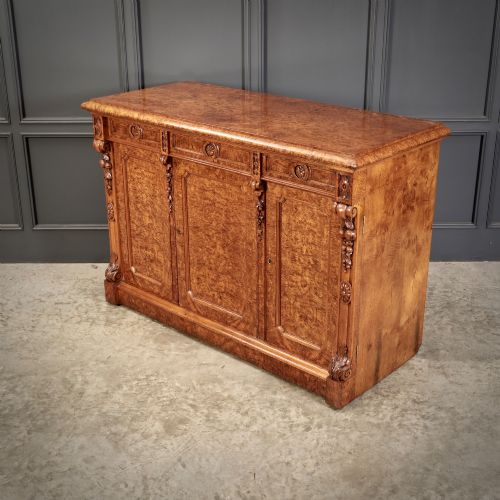
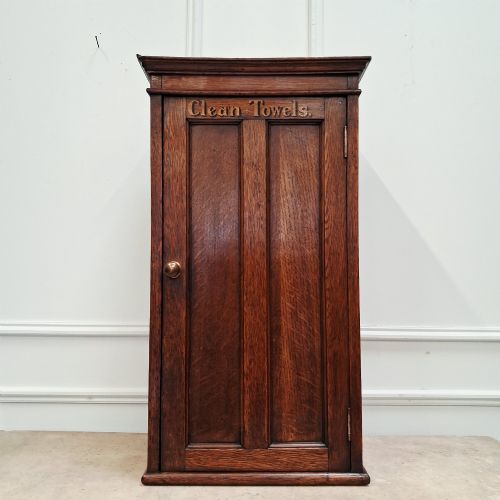
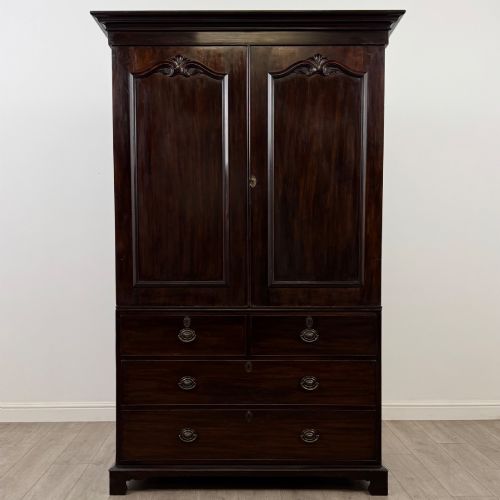
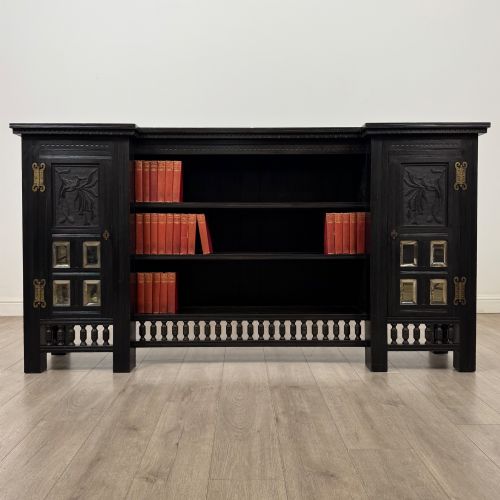
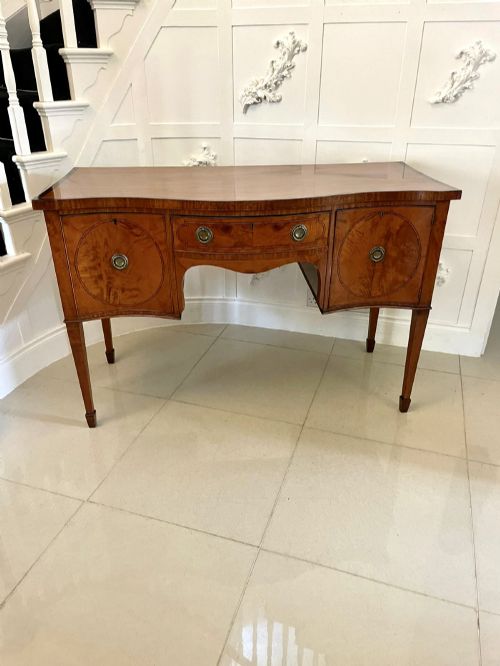
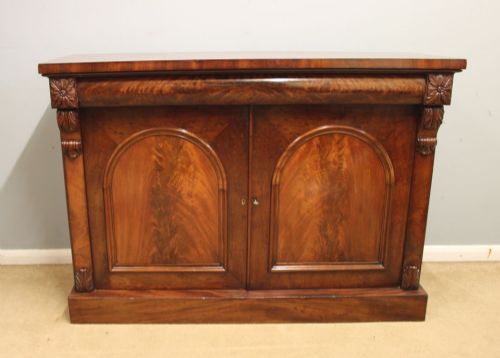
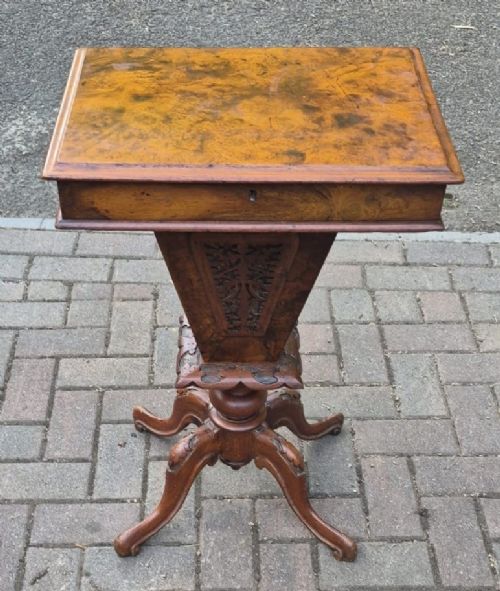
A victorian carved storage cabinet encompasses a diverse range of functional furniture designed to hold books, linen, and household items across domestic interiors. The pieces span from compact bedside cupboards and table-top collectors' cabinets to larger hall cupboards, sideboards, and wardrobes.
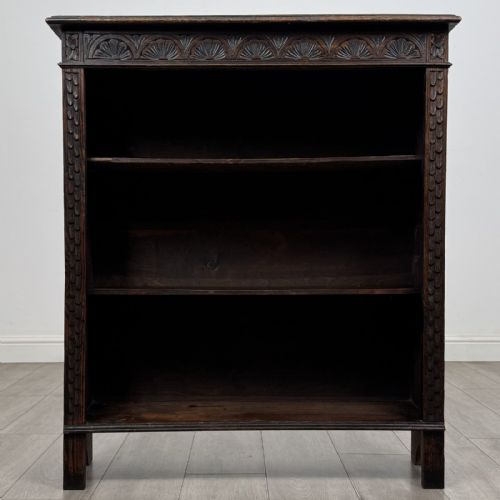
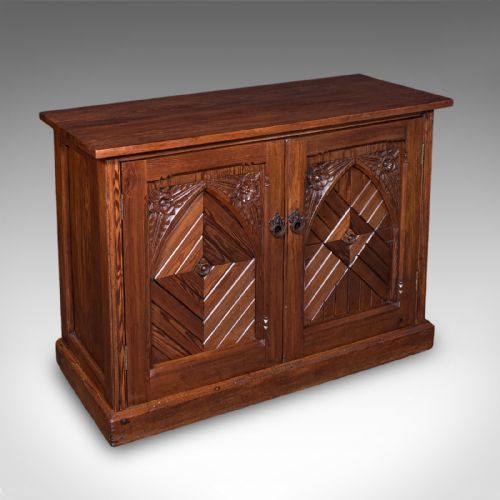
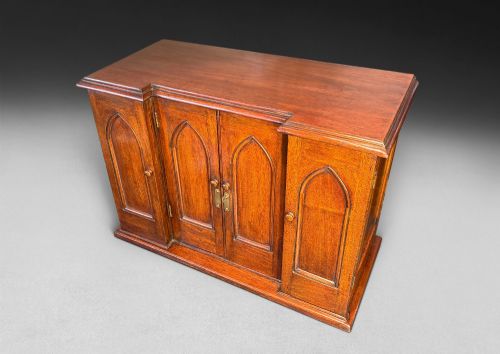
The materials and forms vary widely, drawing from periods such as the nineteenth century, early Victorian, and late Victorian eras. Oak, mahogany, walnut, and pine dominate the inventory, frequently styled with Gothic Revival motifs, French Provincial influences, or simple vernacular joinery.
Materials and construction methods
Cabinet makers utilised solid woods including oak, mahogany, walnut, and pine, often selecting figured veneers like burr walnut or satinwood for decorative surfaces. Brass hardware such as hinges, handles, and locks provided functional contrast to the timber frames.
Construction relied on traditional joinery techniques, visible in panelled doors, dovetailed drawers, and intricate hand-carved mouldings. Gothic elements, blind fretwork cornices, and turned wooden details required skilled hand-tooling by nineteenth-century artisans.
Listings show a strong preference for oak and mahogany, alongside pine items intended for waxing or painting.
Judging quality in nineteenth-century storage pieces
Quality rests upon the selection of timber and the depth of the hand-carving applied to the panels and cornices. Pieces featuring well-figured burr walnut or solid oak with crisp, deep relief carving sit at the higher end of the range compared to plain pine examples.
The integrity of the original construction, including the smoothness of drawer operation and the matching of timber grain across doors, distinguishes superior workshop production from more utilitarian provincial items.
Shoolbred & Co.·Henry Ogden & Son
The Victorian Carved Storage Cabinet Glossary
- Chiffonier
- A low sideboard or cabinet with a raised back, typically fitted with shelves or drawers for serving and storage.
- Cornice
- The ornamental mouldings running round the top edge of a cabinet or wardrobe, sometimes enhanced with blind fretwork.
- Wellington chest
- A tall, slender chest of drawers secured by a locking hinged vertical side flap.
- Compactum
- A multi-functional wardrobe designed to incorporate hanging space, drawers, and shelving within a single unified case.
- Blind fretwork
- Carved ornamentation applied to a solid flat surface to simulate pierced openwork carving without cutting through the wood.
Victorian Carved Storage Cabinet: Frequently Asked Questions
How were these cabinets used originally?
These storage pieces served specific domestic functions in nineteenth-century homes, housing everything from household linen and pantry provisions to books and musical scores.
Larger wardrobes and sideboards managed garments and dining ware in formal rooms, while smaller bedside and hall cupboards kept everyday items close to hand.
How do I tell early Victorian from late Victorian pieces?
Early examples often lean towards rich rosewood or mahogany timbers with restrained classical lines, whereas later nineteenth-century pieces frequently display heavier oak construction and pronounced Gothic Revival carving.
Stylistic shifts toward Aesthetic Movement designs or simpler pine finishes also point firmly towards the end of the century.
How do I care for antique pine and oak?
Solid wood furniture responds best to stable room temperatures away from direct heat sources and strong sunlight, which can dry out the timber.
Regular application of traditional wax helps nourish the grain and protects the surface without building up synthetic residues.
Can these cabinets fit in modern rooms?
The wide variety of sizes, from narrow side cabinets to expansive bookcases, allows these storage pieces to integrate easily into modern hallways, living spaces, and bedrooms.
Their enclosed shelving and drawers offer practical concealment for contemporary electronics and clutter while retaining period character.