
Victorian Cut Glass
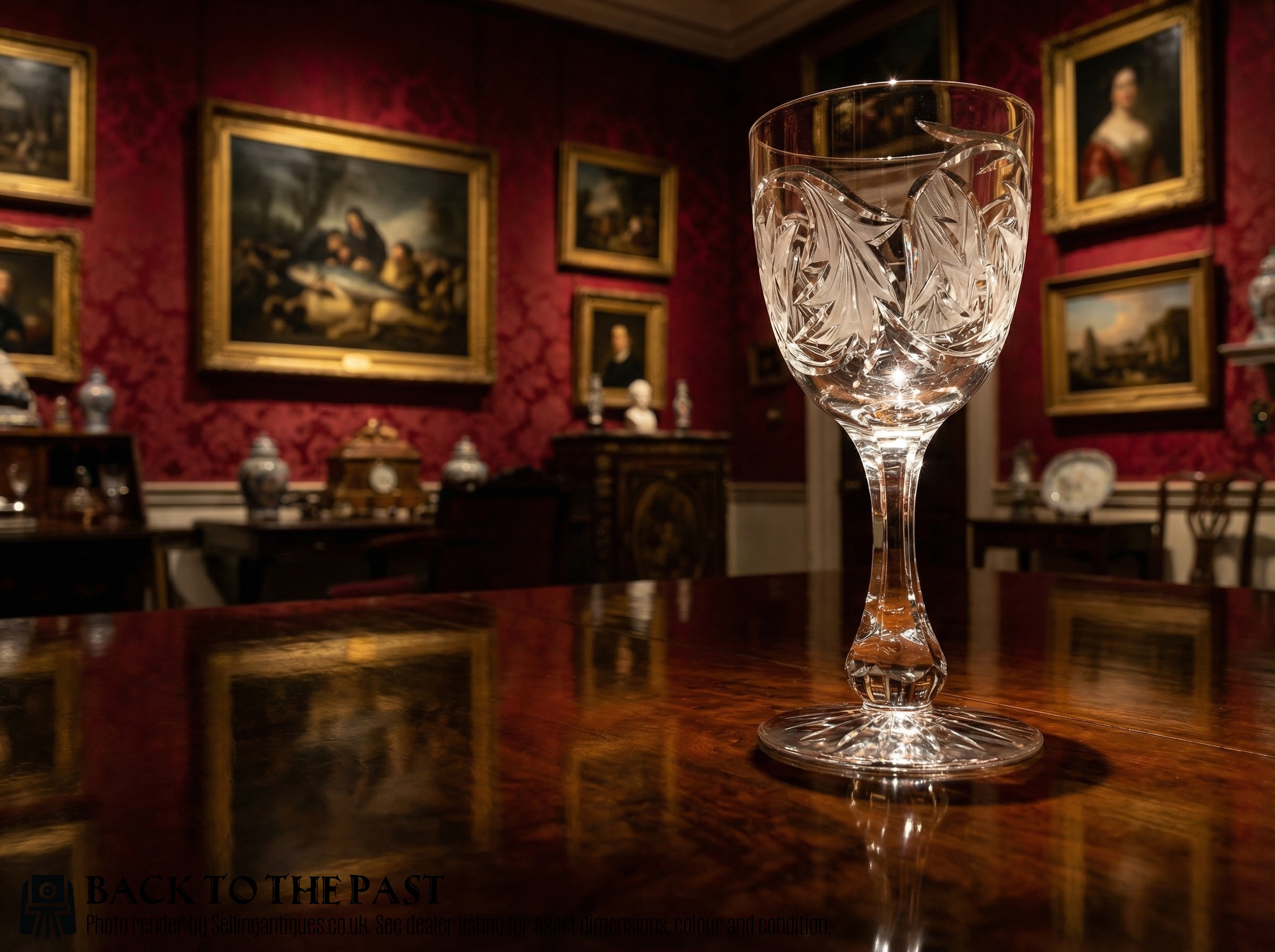
Victorian cut glass brings heavy crystal vessels and mounted scent bottles into domestic interiors through deep geometric facets and coloured overlays.
Victorian Cut Glass
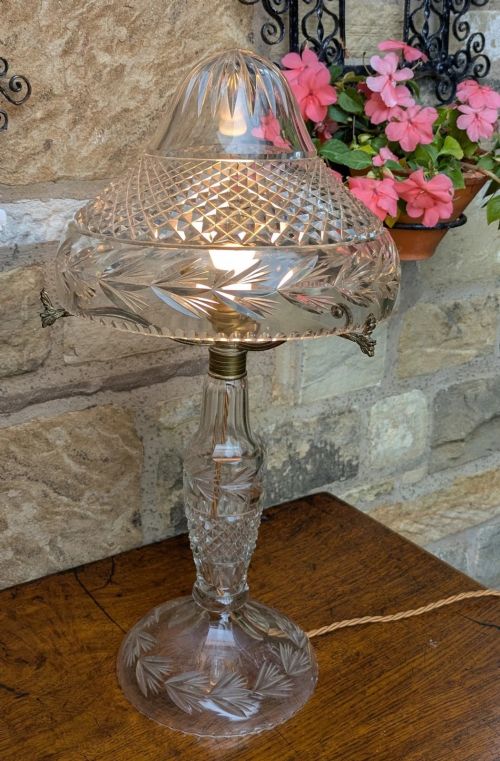
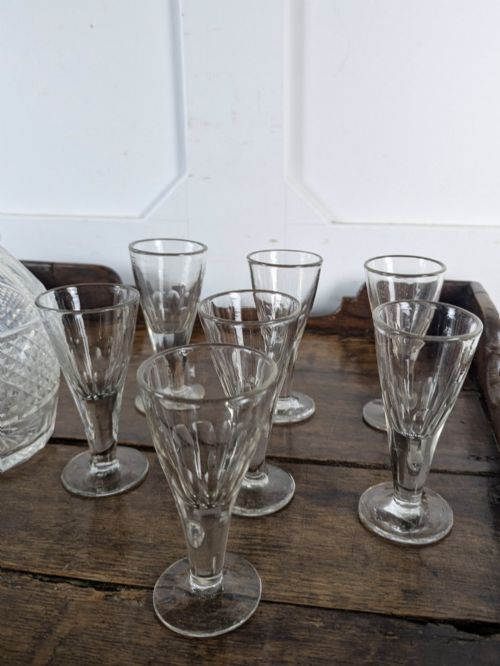
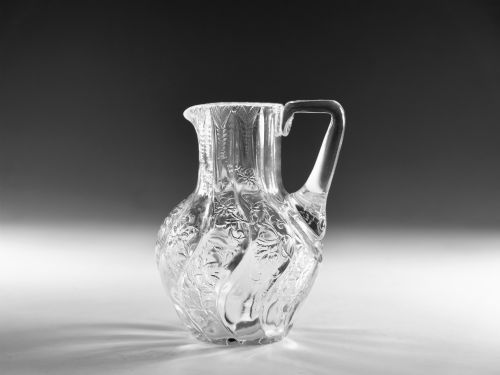
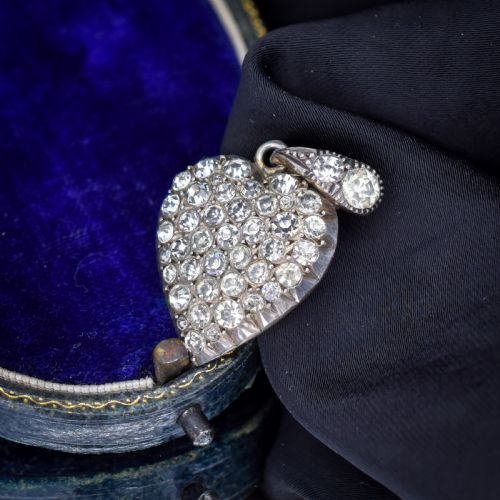
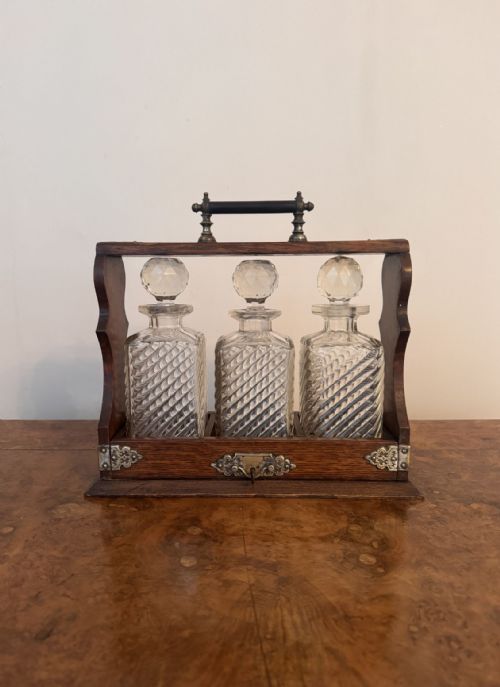
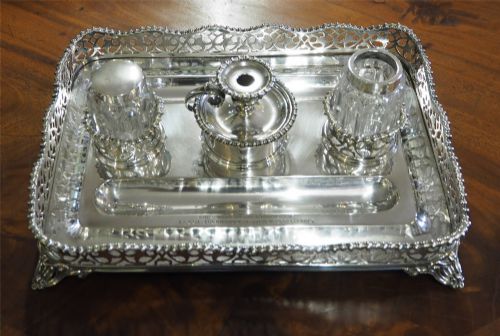
Victorian cut glass encompasses domestic tableware, lighting, and personal accessories produced primarily during the nineteenth century across Britain and Europe. The selection spans utilitarian serving pieces and decorative objects, ranging from heavy decanters and champagne flutes to mantel lustres, inkstands, and silver-mounted scent bottles.
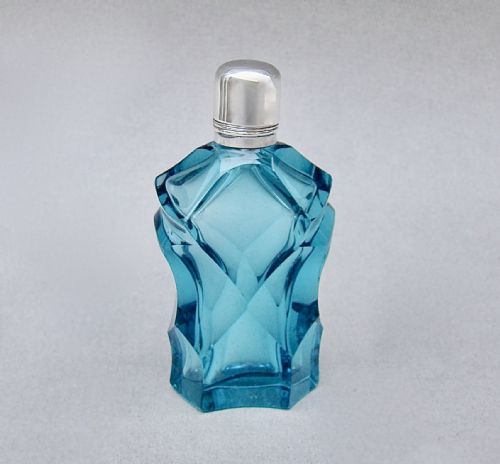
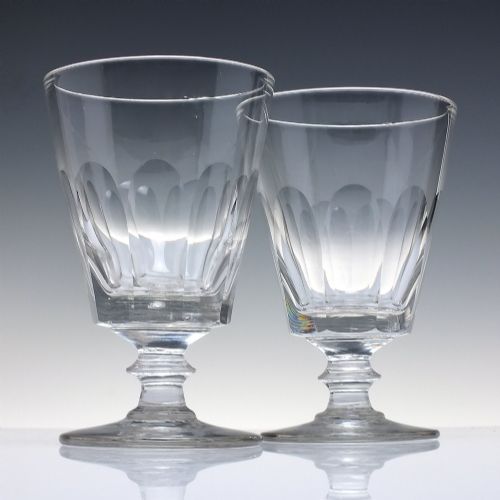
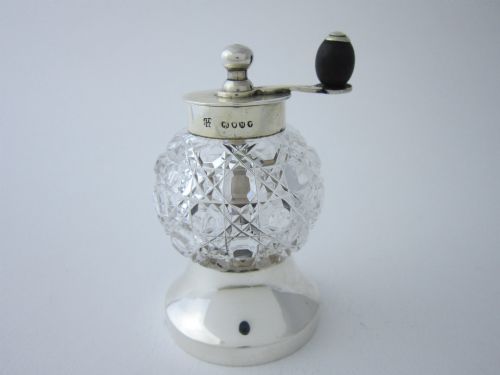
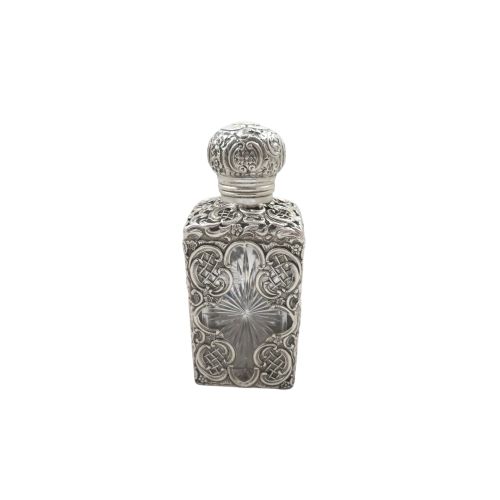
Tableware forms such as rummers, finger bowls, and dessert wine glasses frequently display thumb-cuts or fluted panels. Scent bottles combine clear or coloured glass with sterling silver tops, utilising amber, ruby, blue overlay, and teal glass alongside traditional clear crystal.
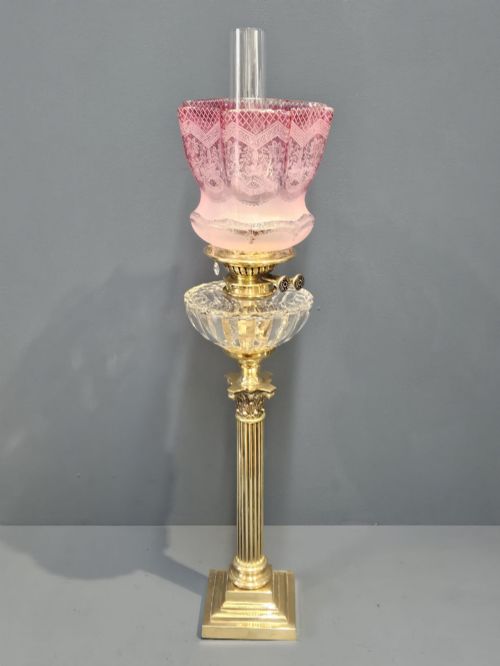
Larger decorative and functional items include oil lamps with cranberry shades, biscuit barrels with silver-plated mountings, and centrepieces incorporating brass or gilt bronze. Pieces from this era reflect diverse design influences, including French Rococo Revival, Egyptian Revival, and Celtic Revival styles.
Materials and Techniques
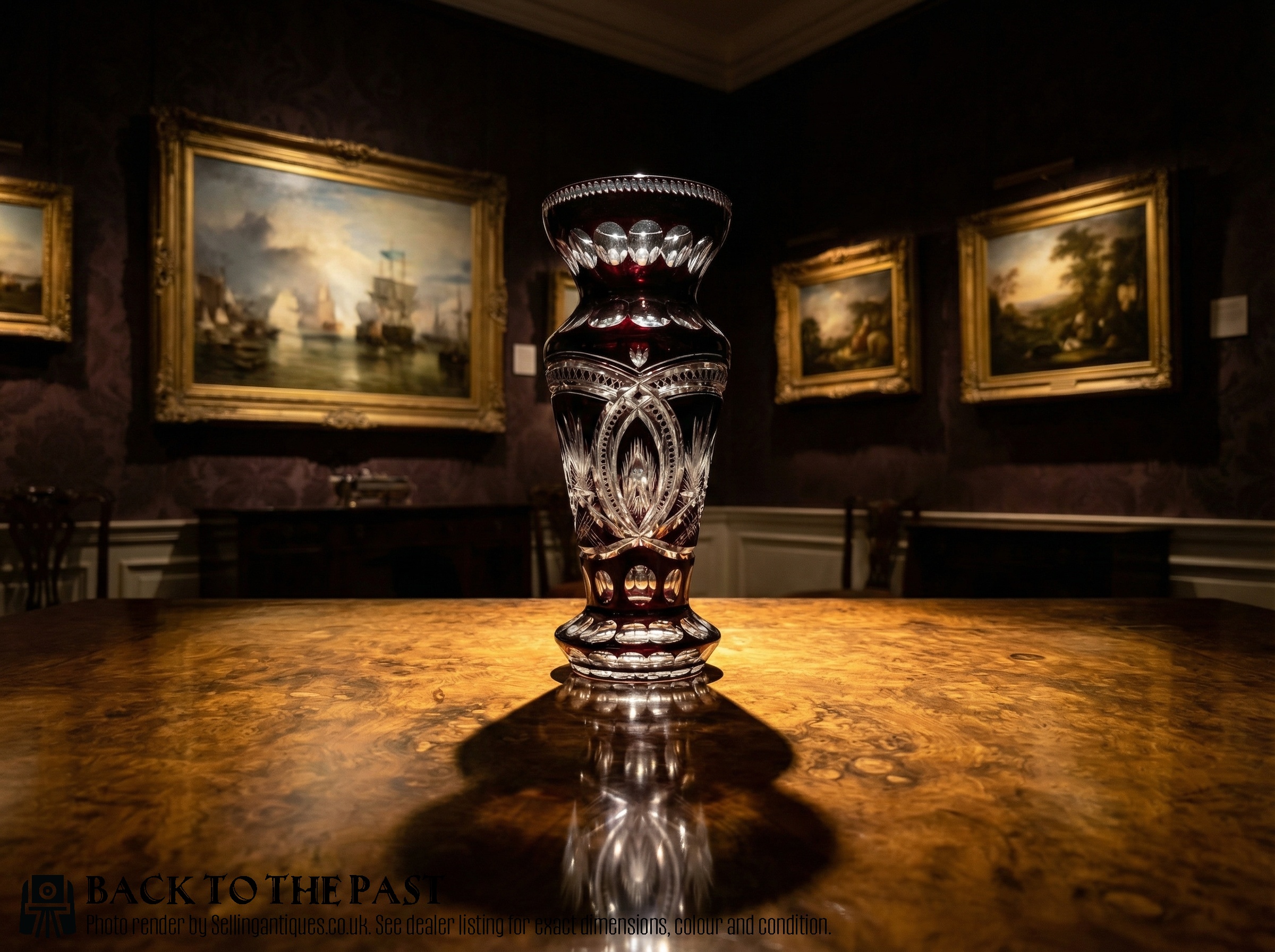
Makers shaped heavy-lead crystal and coloured glass blanks by blowing them into moulds or free-blowing them before applying wheel-cut facets. The cutting process involved pressing the glass against rotating iron and stone wheels fed with abrasive grit to produce sharp geometric patterns, flutes, and star motifs.
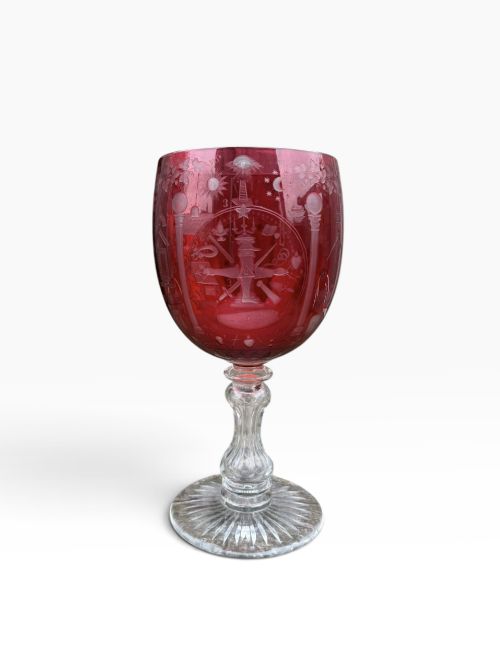
Coloured effects were achieved through flash-cutting or casing, where a thin layer of coloured glass - such as ruby, green, or blue - was fused over a clear crystal base and selectively cut away to reveal the contrasting layer beneath. Artisans then polished the cut surfaces using wooden wheels and putty powder to restore transparency and brilliance.
Many glass bodies received functional mounts, collars, and lids cast from sterling silver, silver plate, or brass. Silversmiths attached these metal elements using cork linings and adhesives, creating secure housings for hinged caps on scent bottles, liqueur barrels, and biscuit boxes.
Victorian Cut Glass Retail Price Guide 2026
Typical asking prices for victorian cut glass among the pieces listed under this phrase on Sellingantiques today, from the lower quarter to the upper quarter. They describe what is for sale here now, not the wider market.
Listings feature items spanning the Victorian era through the Edwardian period, incorporating cut crystal, silver plate, brass, and sterling silver.
Evaluating Execution and Weight
Quality rests upon the depth, crispness, and symmetry of the wheel-cut facets. Superior examples exhibit sharp, clean junctions between intersecting planes without rounded edges or surface wobble, demonstrating absolute control by the glass cutter.
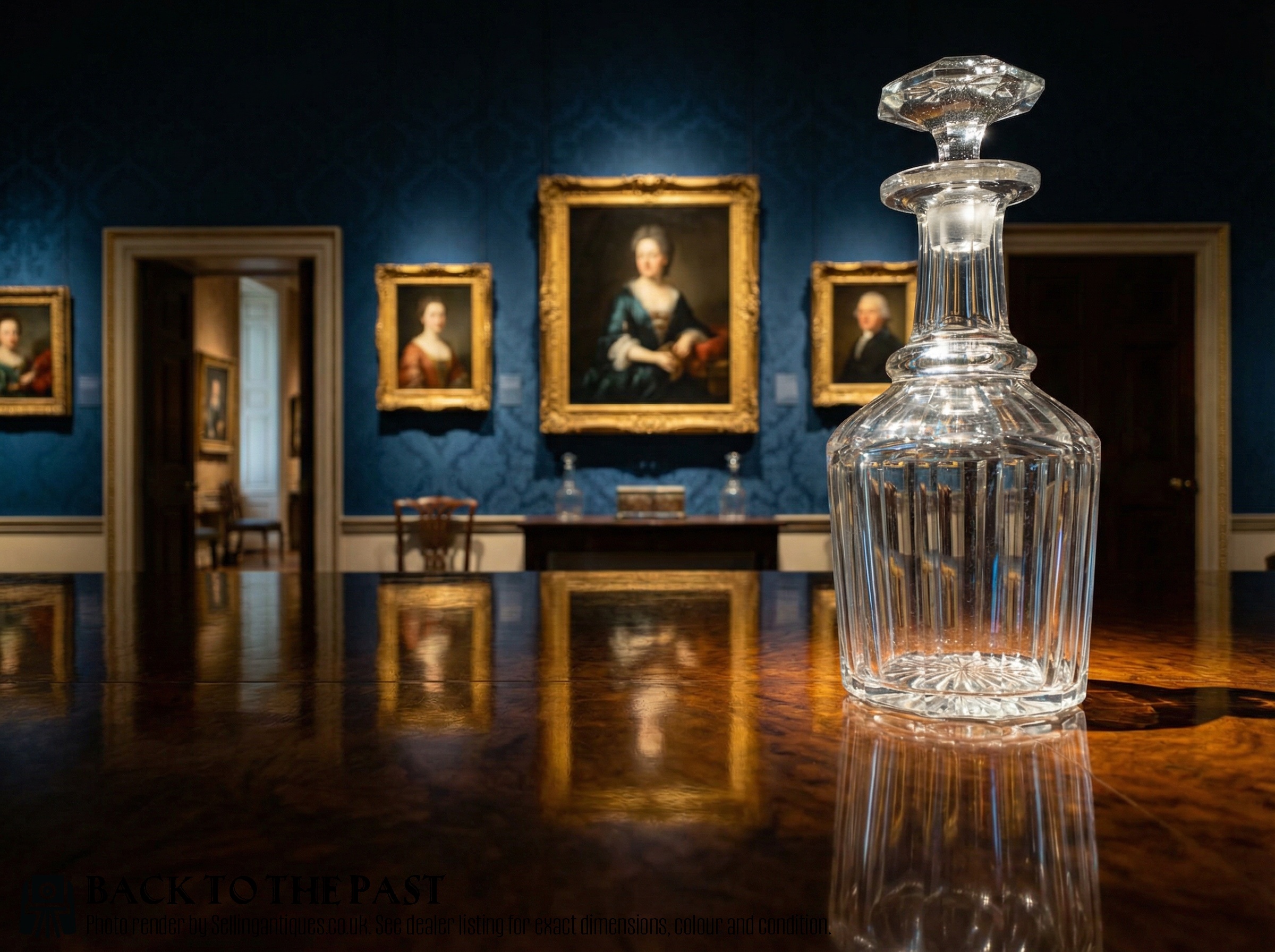
The weight and purity of the metal components also distinguish tiers of production. Heavy lead crystal provides substantial heft and resonant ring, while mounted pieces benefit from thick sterling silver collars and robust silver-plated frames rather than thin electroplated base metals.
Stevens and Williams·Elkington·Walker and Hall·Moser Bohemian·Wilkinson and Co·Roberts and Belks·Charles May·Mousley Brothers
The Victorian Cut Glass Glossary
- Thumb-cut
- A decorative series of concave, oval depressions ground into the exterior surface of glassware to afford a secure grip. These depressions reflect light differently from linear facets.
- Mantel lustre
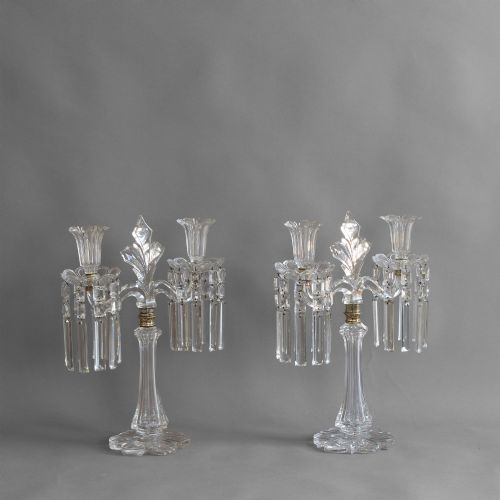
- A decorative glass candelabra hung with crystal pendants, designed to stand on a fireplace mantelpiece. They frequently incorporate flash-cut coloured glass and gilded highlights.
- Overlay
- A technique where a layer of coloured glass is fused over a clear crystal body before being partially cut away. This exposes the underlying clear glass in contrasting patterns.
- Scent bottle
- A small personal container fitted with a hinged or screw-top silver lid for holding perfume. Victorian variants often utilise sliced-cut coloured glass bodies.
- Tantalus
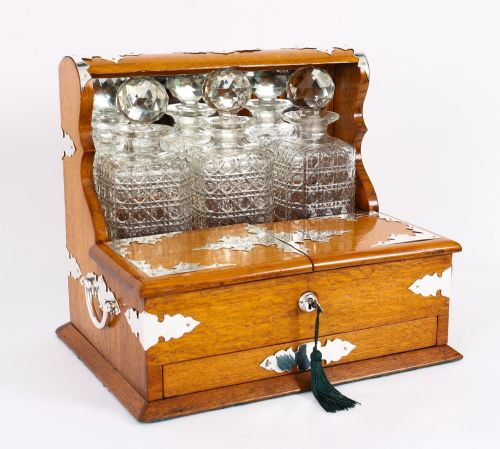
- A locking wooden frame holding decanters to prevent unauthorized access to spirits. They commonly feature oak construction and silver-plated or brass hardware.
Victorian Cut Glass: Frequently Asked Questions
Were these items used daily?
Many pieces served specific dining and dressing table functions during the Victorian era, including serving wine, storing biscuits, and holding personal fragrances. Decanters and rummers saw frequent use in formal households.
Other objects, such as mantel lustres and decorative centrepieces, remained purely ornamental fixtures within the parlour or drawing room.
How do I identify Victorian cut glass?
Examine the weight, colour palette, and cutting style, as nineteenth-century pieces typically feature heavy lead crystal and deep hand-cut facets. Silver-mounted items often bear hallmarks that confirm exact production years.
Look for characteristic nineteenth-century forms like biscuit barrels, oil lamps with cranberry shades, and sliced-cut coloured scent bottles.
Can I use antique decanters?
Historic decanters safely hold spirits for short periods, provided the interior is clean and free from persistent staining. Inspect the stopper and neck for any historical chips that might affect the seal.
Avoid storing liquids permanently in antique vessels, particularly those with lead content or silver mounts that could react with contents over time.