




Victorian Cut Glass Jar
When you search for a victorian cut glass jar, you are looking at heavy, refractive vessels designed to catch the light on a dressing table or sideboard.
Victorian Cut Glass Jar
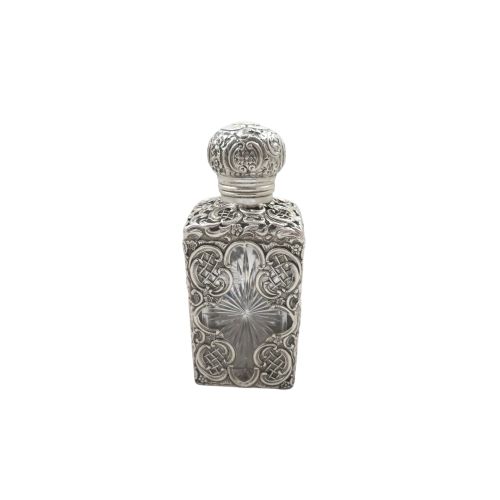
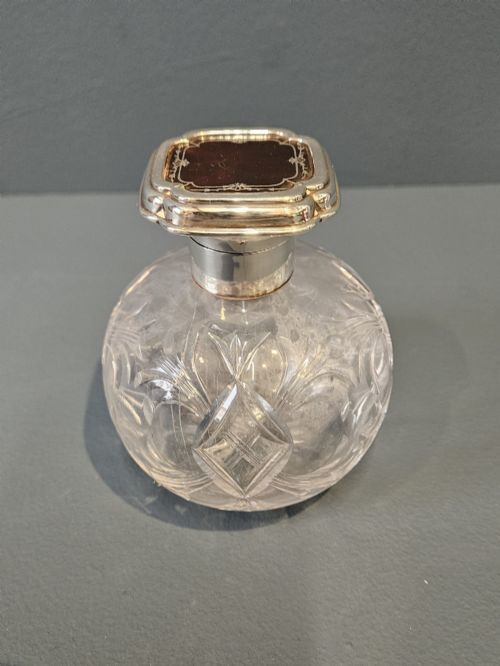
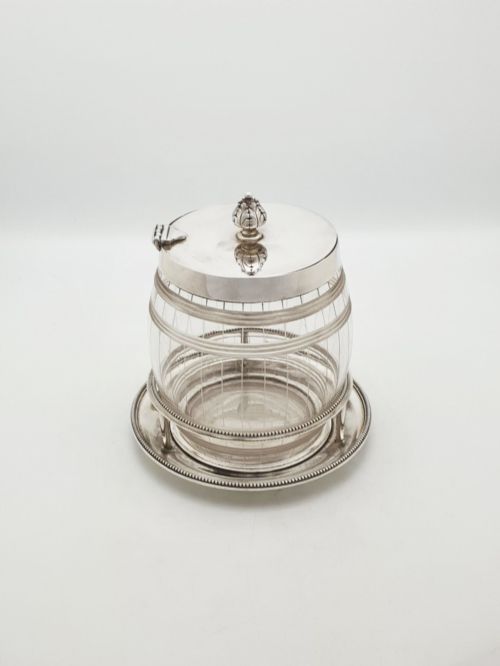
A victorian cut glass jar encompasses a diverse array of lidded vessels designed for domestic utility and display. The selection spans biscuit barrels, scent bottles, trinket boxes, vanity jars, and preserve pots originating predominantly from the nineteenth and early twentieth centuries.
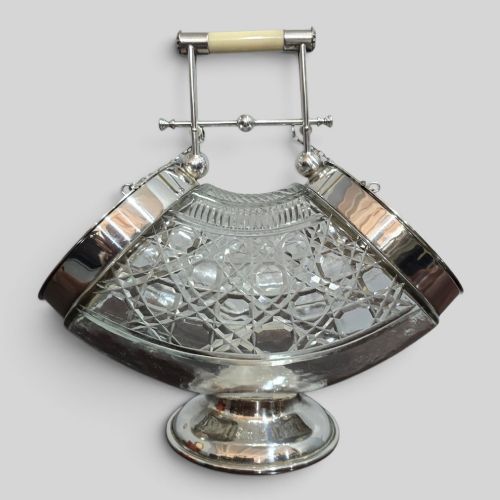
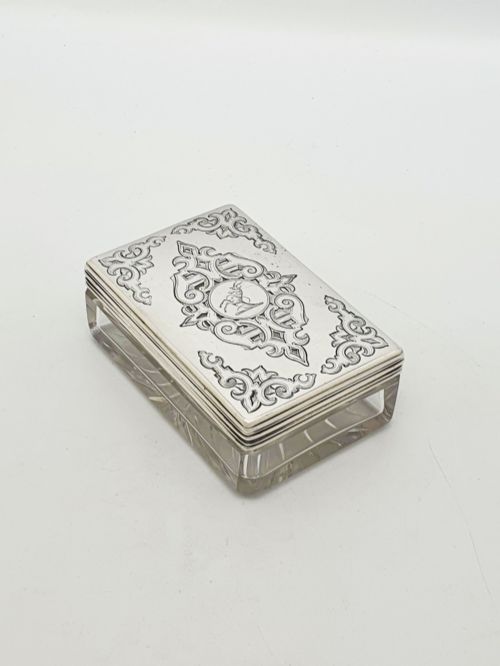
The version you are most likely to encounter here is the silver-mounted container, often fitted with a sterling silver or silver-plated lid, collar, or swing handle. These pieces cross paths with Edwardian and late nineteenth-century manufacture, alongside distinct forms like cranberry glass and bohemian cut glass.
How they were made
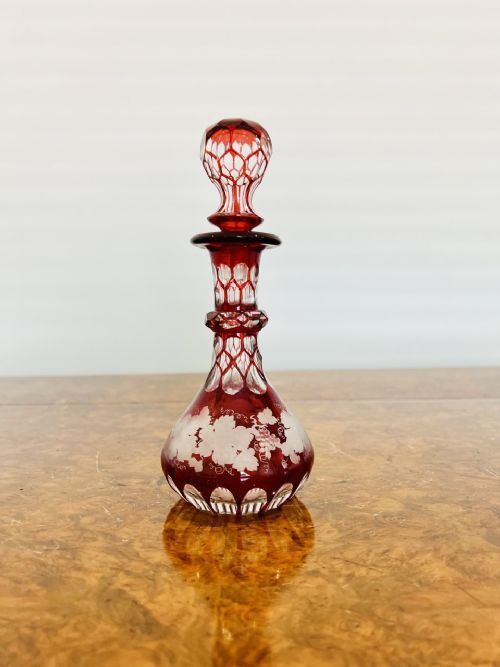
The bodies were formed from heavy lead crystal or cut glass, shaped by hand-blowing and subsequent wheel-cutting to create deep facets, hobnails, or geometric patterns. Makers utilised clear, amethyst, or cranberry glass as a base before applying intricate surface decoration.
Mounts, lids, and hardware were fashioned from sterling silver or silver plate, frequently bearing hallmarks that record the assay office and date of production. Some examples also incorporate secondary materials such as tortoiseshell or Dutch silver.
The listings span the Victorian, Edwardian, and Georgian eras, encompassing cut crystal, sterling silver, and cranberry glass.
What varies in quality
Quality rests primarily in the crispness and depth of the glass cutting and the weight of the metal mounts. Sharp, well-defined facets reflect light cleanly, whereas softer edges indicate hurried finishing.
Substantial sterling silver mounts and robust hinges elevate a piece above standard plated wares. The integrity of the fit between the glass body and its silver lid further distinguishes the finer examples from routine domestic items.
Elkington·Walker and Hall·Henry Wilkinson·James Dixon and Sons
The Victorian Cut Glass Jar Glossary
- Hobnail cut
- A raised, multi-faceted pattern resembling the hobnails on stout boots. It creates intense light refraction across the surface of the vessel.
- Biscuit barrel
- A covered container used for serving biscuits or dry sweet treats in the dining room or drawing room. They frequently feature swing handles and silver-plated stands.
- Hallmark
- An official stamp struck into precious metal indicating the standard of purity, the maker, and the year of assay. These marks provide precise dating for the silver mounts.
- Cranberry glass
- A rich red-pink glass coloured with gold chloride during production. It is characteristic of late nineteenth-century decorative wares.
- Bonboniere
- A small ornamental jar or box intended for holding sweets or confections. They appear in cut glass paired with decorative silver lids.
Victorian Cut Glass Jar: Frequently Asked Questions
What were these jars used for?
These vessels served various domestic functions, from storing biscuits and preserves on the dining table to holding perfumes and cosmetics on a dressing table.
Many acted as vanity accessories, keeping small trinkets, pins, or soaps contained within a decorative lidded enclosure.
How do I care for cut glass?
Wash the glass by hand in warm soapy water using a soft cloth, avoiding harsh abrasives that might scratch the surface. Remove silver mounts if detachable to prevent prolonged exposure to moisture.
Dry the pieces thoroughly with a lint-free cloth to maintain the clarity and brilliance of the faceted cuts.
How do I date these pieces?
Examine any silver hallmarks present on the lids, collars, or mounts, as these symbols record the exact year and assay office of manufacture. Stylistic clues such as the form of the cutting, the colour of the glass, and the shape of the finial also indicate the period.
Pieces bearing an Edwardian or late Victorian design often show distinct decorative motifs compared to mid-nineteenth-century examples.
Are silver mounts solid or plated?
Mounts vary between solid sterling silver and silver plate over a base metal such as copper or brass. Hallmarks on the metal will confirm if the piece is sterling.
Maker marks often help distinguish between silver-plated hardware produced by firms like Elkington and solid silver items.
What is cranberry glass?
Cranberry glass is a transparent red-pink glass produced by adding gold to the molten batch. It became popular during the Victorian period for decorative tableware and vanity items.
Such glass is frequently paired with sterling silver or silver-plated mounts to form striking jars and scent bottles.