


Silver Mounted Crystal
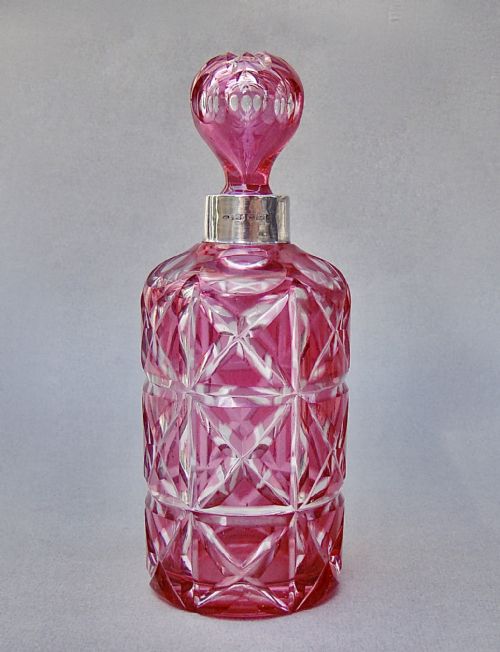
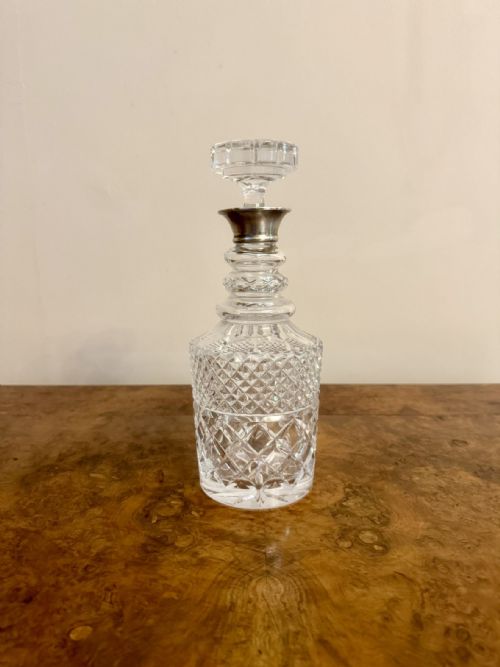
Silver mounted crystal pieces combine heavy faceted glass with solid metal collars, bringing functional elegance to dressing tables and dining rooms.
Silver Mounted Crystal
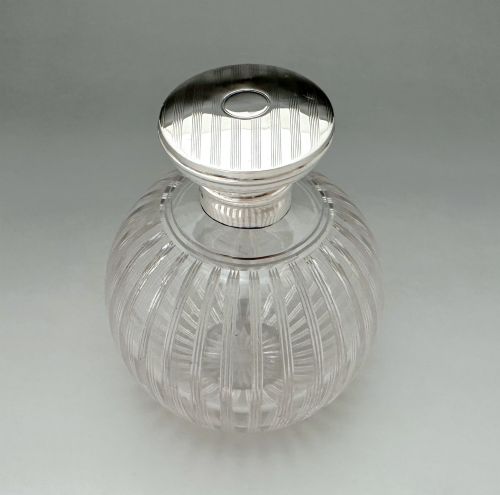
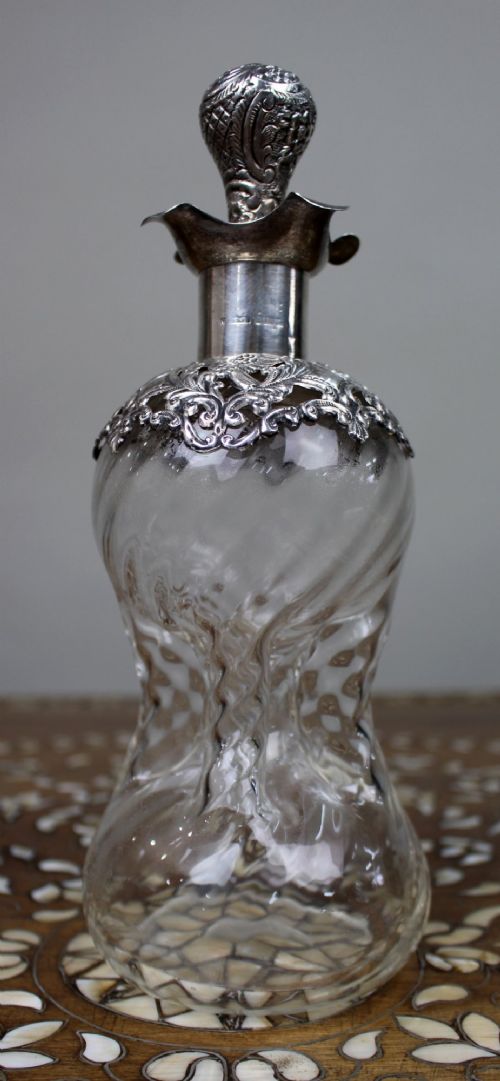
When you search for silver mounted crystal, you encounter vessels that marry transparent glass bodies with precious metal mounts, collars, and hinged lids. These items span domestic utility and personal luxury, originating primarily from the Victorian and Edwardian eras alongside later twentieth-century output.
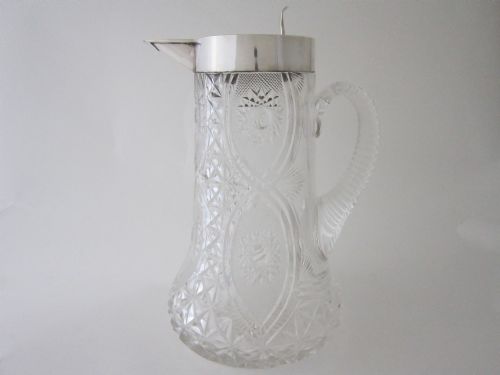
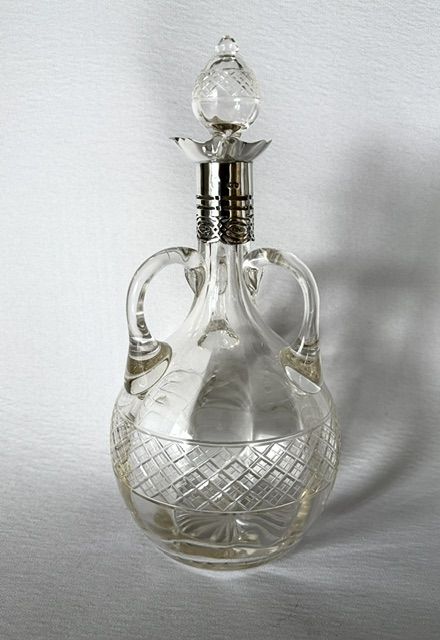
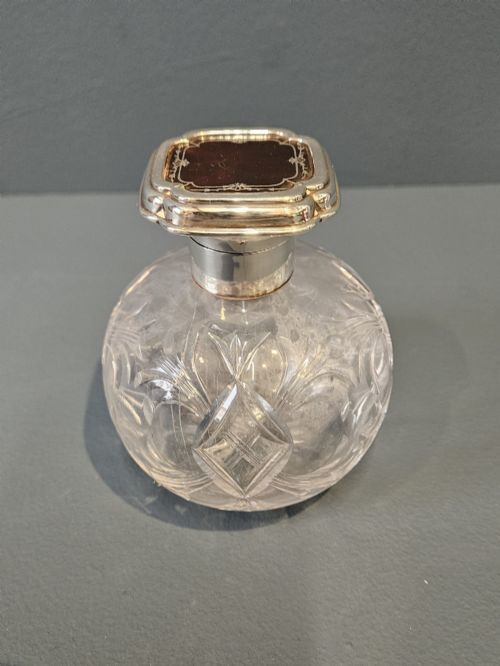
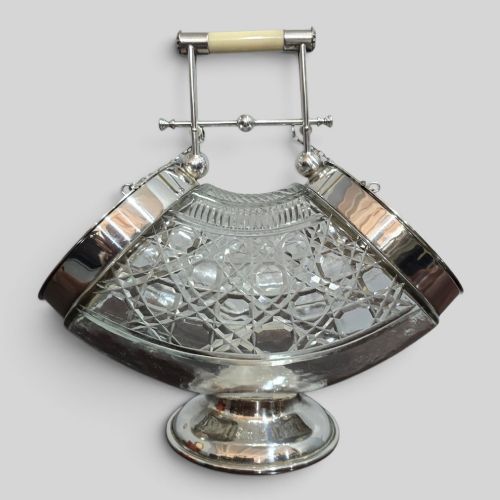
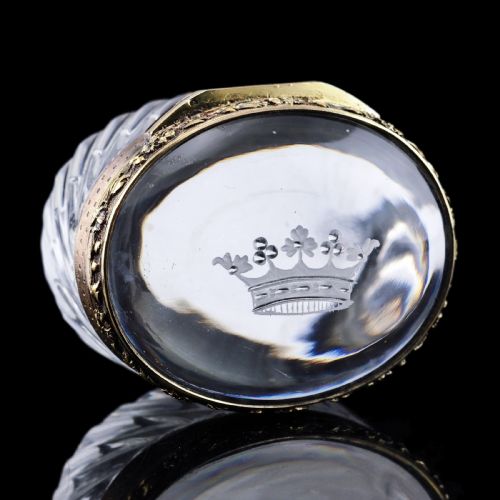
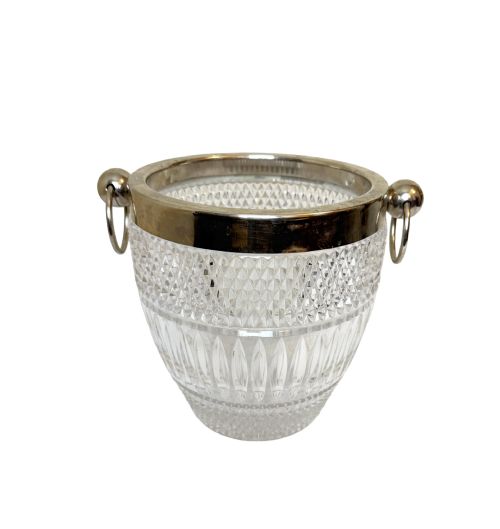
The most frequent forms met on this page include claret jugs, scent bottles, and decanters. Alongside these beverage vessels and vanity items, you will find trinket boxes, tea caddies, and ice buckets shaped from heavy glass.
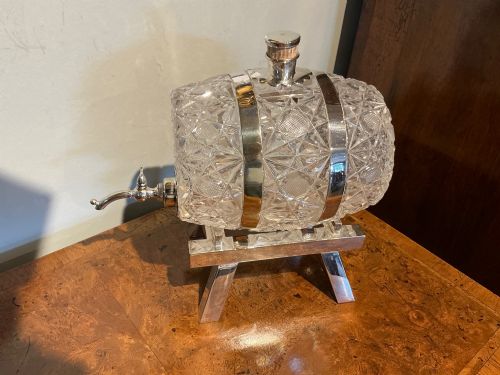
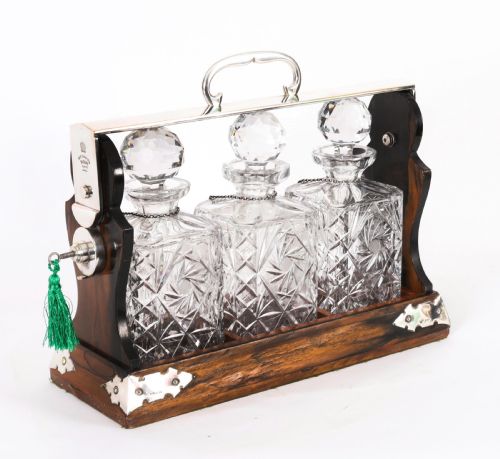
Pieces range from simple nineteenth-century spirit barrels to elaborate French nineteenth-century boxes and oak tantalus frames holding multiple cut crystal bottles. The aesthetic draws on periods such as Regency, Neoclassical Revival, and Art Deco, reflecting shifting interior tastes across the decades.
Materials and construction
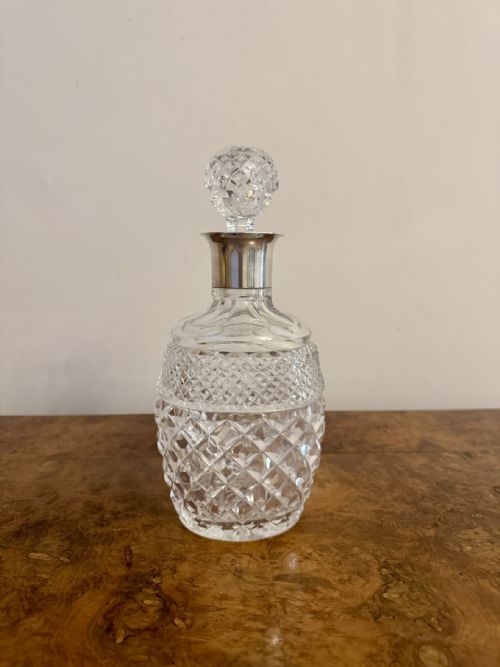
Makers shaped the glass bodies using crystal and cut glass, often employing hobnail cutting or elaborate faceting to catch the light. Coloured glass variants in cranberry, blue, and ruby appear alongside clear crystal.
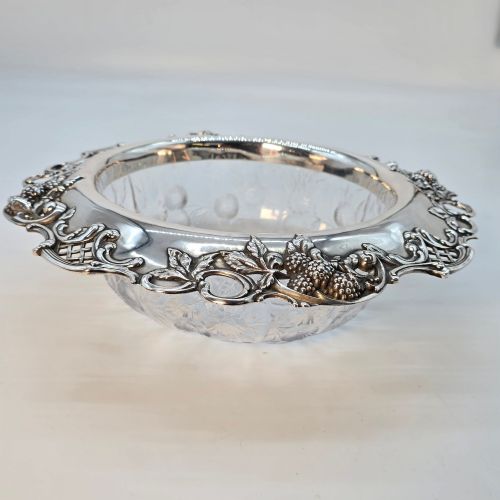
The metal components rely on sterling silver and silver plate, shaped into collars, mounts, and intricate spouts. Artisans frequently combined these primary materials with organic elements such as tortoise shell, enamel, coromandel, and oak.
Judging quality and craftsmanship
Quality rests in the crispness of the glass cutting and the weight of the crystal body. Superior pieces display deep, sharp facets that refract light cleanly without surface ripples or distortion.
The construction of the metal mount dictates the tier of the piece. Substantial sterling silver collars with clear hallmarks and securely fitted hinges separate high-end workshop output from plated alternatives.
Asprey and Co. Ltd·Tiffany and Co.·Harold Bushell and Co.·A.W.Pennington
The Silver Mounted Crystal Glossary
- Hobnail cut
- A pattern of sharp, pyramid-shaped facets cut into the surface of glass. This technique creates a textured, sparkling finish common on nineteenth-century decanters and inkwells.
- Tantalus
- A locked wooden frame that secures decanters to prevent unauthorized drinking while displaying the contents. They usually house three crystal bottles fitted with silver collars.
- Claret jug
- A pouring vessel designed for serving red wine at the table. They feature a glass or crystal body fitted with a silver handle, hinged lid, and spout.
- Sterling silver
- An alloy containing ninety-two point five percent silver by mass. British pieces feature specific hallmarks indicating the assay office, standard, and date letter.
Silver Mounted Crystal: Frequently Asked Questions
How do I date silver mounted crystal?
Dating relies heavily on the hallmarks stamped onto the silver mounts, which indicate the assay office and year of production. Stylistic cues in the glass cutting and the shape of the vessel also help narrow the manufacturing period.
Changes in mount design, from ornate Victorian chasing to clean Art Deco geometry, provide further context for the age of the piece.
How were claret jugs used?
Claret jugs served red wine during formal dining, allowing hosts to decant wine from original bottles before presenting it at the table. The hinged lid kept the contents covered between pours.
These vessels occupied a central place on the dining sideboard alongside matching water jugs and spirit decanters.
How should I clean silver mounted crystal?
Wash the glass body gently in warm soapy water using a soft brush, avoiding harsh abrasidious that might scratch the surface. Keep polishes away from the glass when cleaning the silver mounts.
Dry the metal components thoroughly after cleaning to prevent moisture damage to the hinges and collars.
What is a tantalus used for?
A tantalus held spirits under lock and key in domestic settings, allowing the owner to control access to expensive liquors. The clever locking mechanism prevented the crystal decanters from being removed without the key.
These locking frames sat in studies and smoking rooms, combining security with decorative display.