




Victorian Cut Glass Carafe
A victorian cut glass carafe brings heavy lead crystal and sharp wheel-cut facets to the table, offering a brilliant way to serve wine or water.
Victorian Cut Glass Carafe
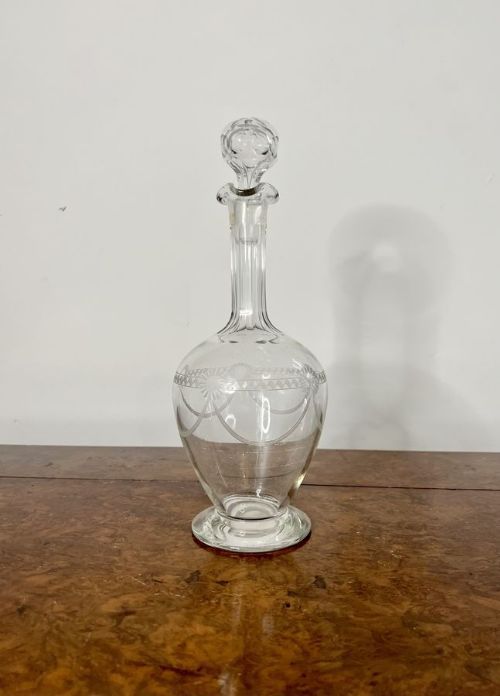
When you search for a victorian cut glass carafe, you encounter heavy serving vessels shaped across the nineteenth century and into the Edwardian era. These pieces appear as tall decanters, claret jugs, and water carafes designed for formal dining and bedside service.
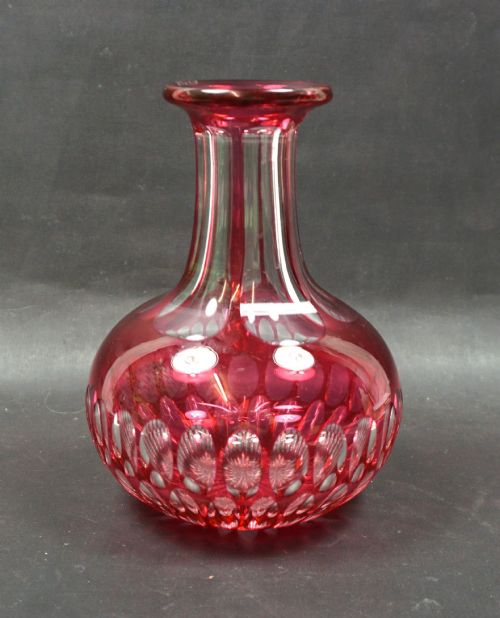
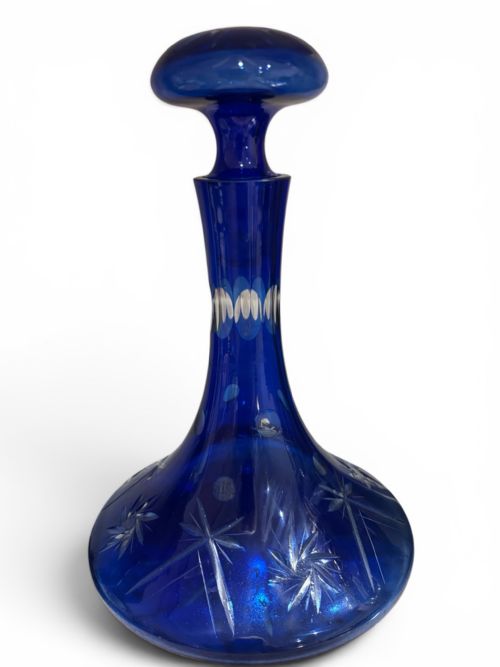
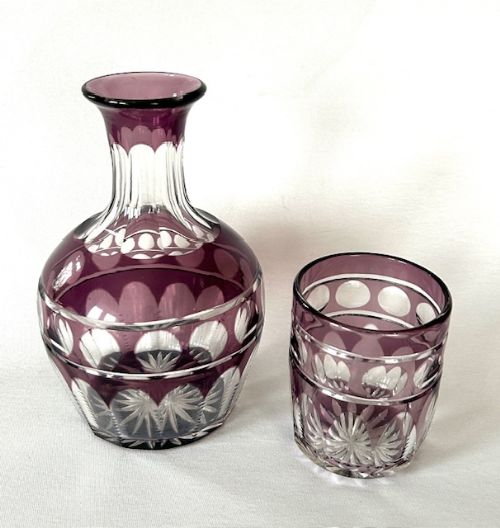
The selection ranges from clear glass vessels to richly coloured pieces in cranberry, ruby, amethyst, green, and cobalt overlay. Many integrate silver plate or sterling silver mounts, spouts, and ice tubes alongside engraved and faceted surfaces.
How they were made
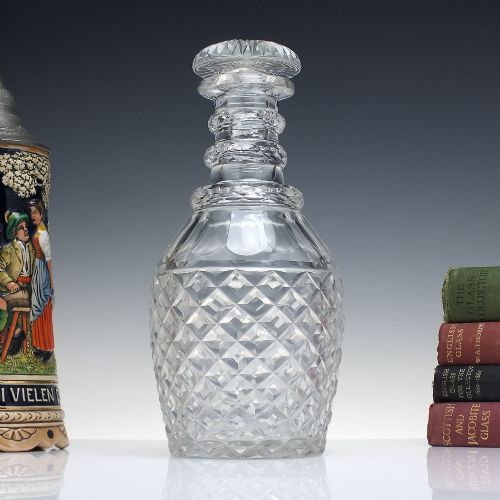
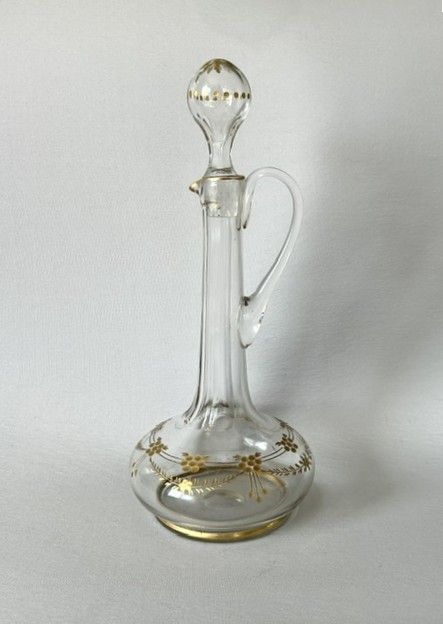
Craftsmen shaped these vessels using clear glass, lead crystal, and coloured glass overlays, cutting deep facets and geometric patterns across the surface with abrasive wheels. Engraved details, gilding, and enamelling frequently decorate the bodies.
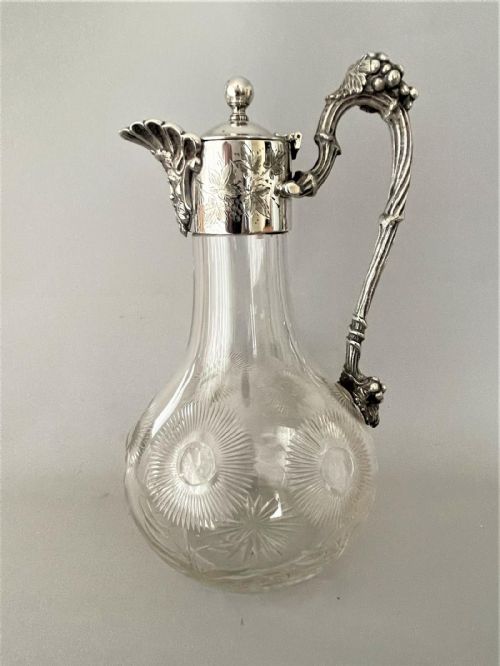
Metalwork mounts in silver plate and sterling silver were secured around necks and lips, often incorporating hinged lids and internal ice tubes for cooling wine or lemonade.
A thirsty Victorian could enjoy iced lemonade from a jug equipped with its own dedicated metal cooling tube.
What varies in quality
The depth and crispness of the wheel-cut facets determine much of the visual weight, separating sharp, brilliant hand-cutting from softer, moulded alternatives. Heavy lead crystal provides a resonant ring and substantial heft that lighter glass lacks.
The quality of associated silver plate or sterling silver mounts, including the tight fit of hinged lids and the presence of makers' marks or engraved embellishments, dictates the overall grade of the piece.
Mappin & Webb·Richardsons
The Victorian Cut Glass Carafe Glossary
- Cut glass
- Glass decorated by holding it against a rotating abrasive wheel to carve patterns into the surface. This technique creates sharp facets that catch the light.
- Overlay
- A technique where a layer of coloured glass is fused over a clear glass base before being partially cut away to reveal the contrasting colour underneath.
- Claret jug
- A specialised pouring vessel designed for red wine, typically combining a glass body with a silver-plated or sterling silver handle, mount, and hinged spout.
- Ice tube
- A cylindrical metal insert placed down the centre of a jug to cool liquids without diluting them with melting ice.
- Lead crystal
- Glass containing metallic lead oxide, which increases weight, clarity, and the refractive index for enhanced brilliance.
Victorian Cut Glass Carafe: Frequently Asked Questions
How do I clean a cloudy carafe?
Residue builds up inside narrow necks over decades of holding wine or water. Gentle washing with warm water and specialised cleaning beads safely clears the interior.
Avoid harsh abrasive scourers that might scratch the exterior glass or damage antique silver mounts.
Were these used for wine or water?
These vessels served multiple purposes across the home, functioning as wine decanters, claret jugs, lemonade pitchers, and bedside water carafes. Their specific form usually dictated their contents.
Examples with ice tubes or silver spouts typically served claret and mixed drinks at the dining table, while simpler carafes rested on bedside tables.
How can I tell Victorian pieces apart?
Victorian pieces often display deeper wheel-cutting and heavier lead crystal compared to later Edwardian examples. Stylistic shifts also point to specific decades within the era.
Early pieces lean towards classic cut facets, while later Victorian and Edwardian items incorporate Aesthetic Movement or Arts and Crafts decorative motifs.
Are coloured carafes later than clear ones?
Coloured glass and overlay techniques were popular throughout the nineteenth century rather than marking a distinct later period. Bohemian makers frequently produced cased and overlaid glass during the mid-to-late Victorian decades.
Rich cranberry, green, and cobalt examples appear alongside standard clear crystal across the entire span of Victorian production.