

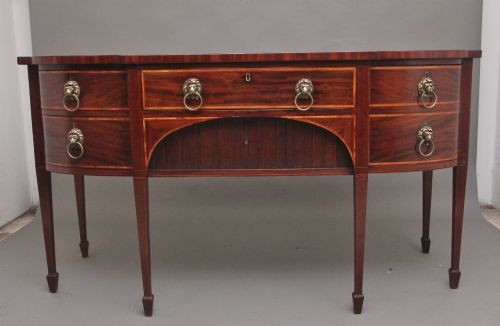
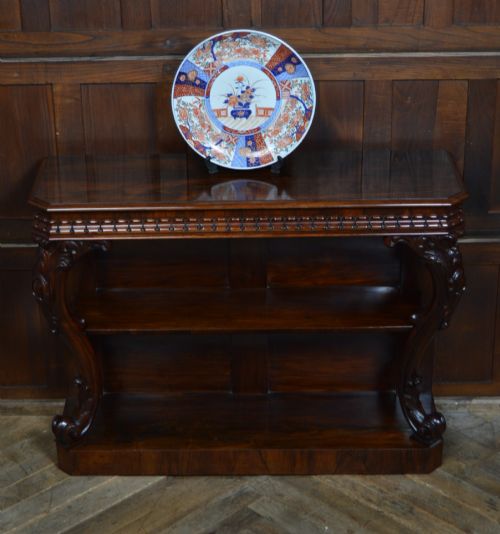

Victorian Credenza Table
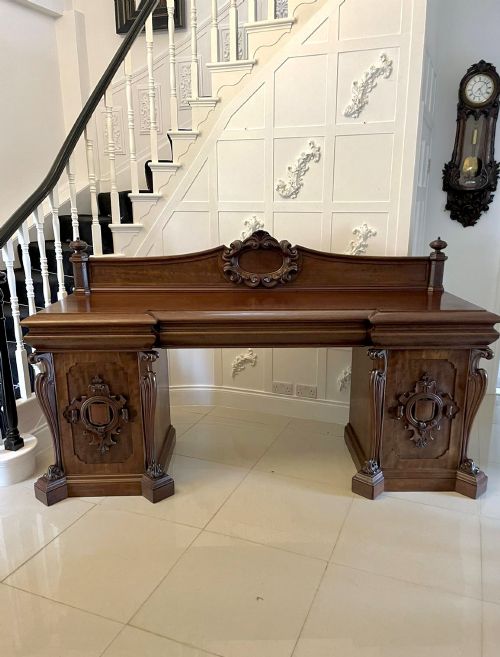
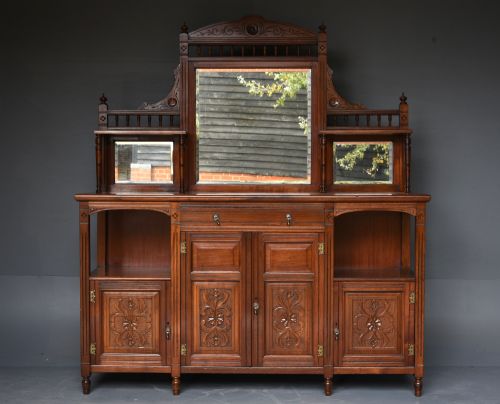
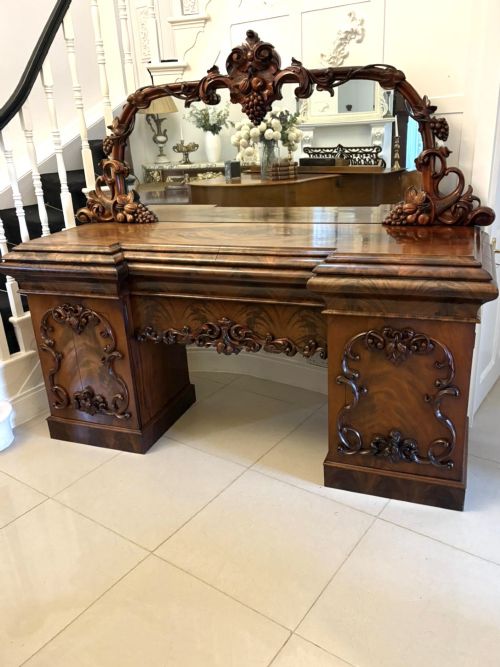
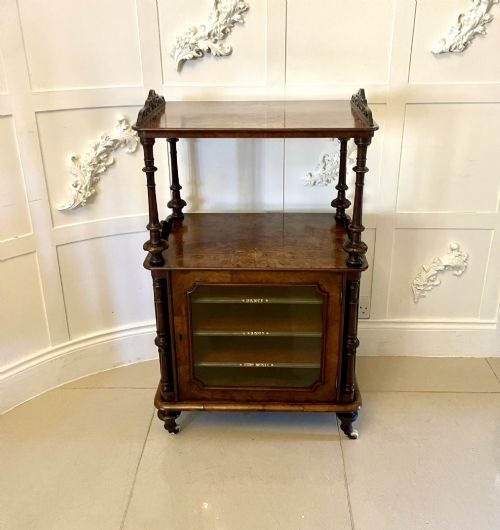
A victorian credenza table sits firmly in the room, offering heavy timber surfaces and glass fronts for display.
Victorian Credenza Table
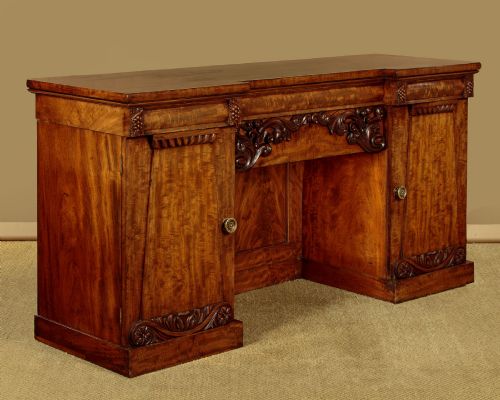
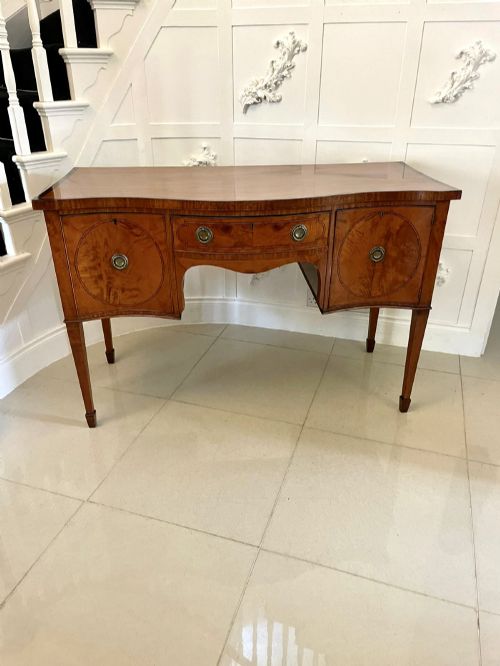
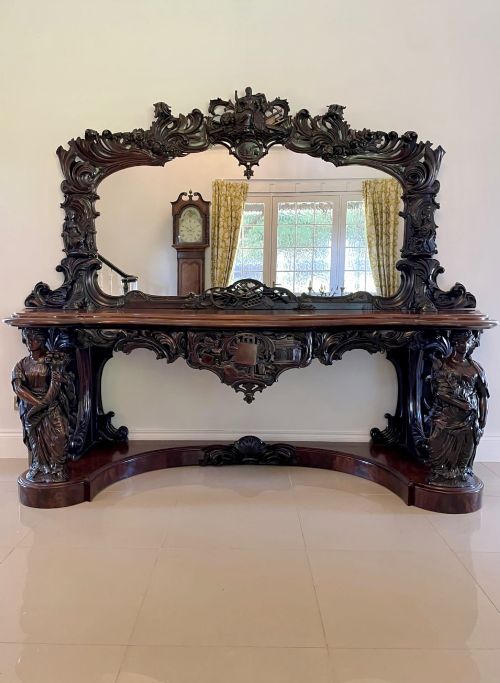
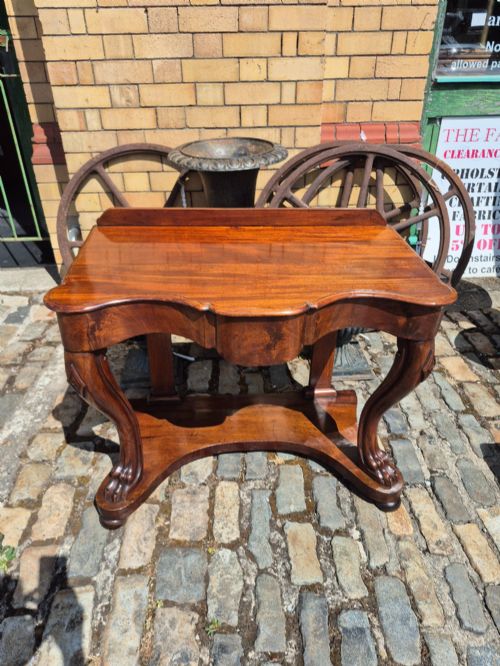
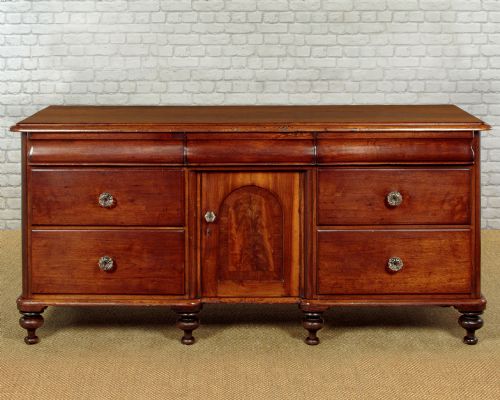
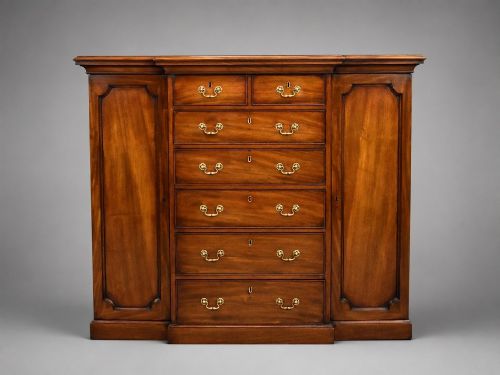
When buyers search for a victorian credenza table, they encounter a range of nineteenth-century serving furniture, sideboards, and console tables that served dining and display purposes in Victorian homes. These pieces emerge predominantly from the Victorian period, alongside related nineteenth-century iterations built for formal rooms.
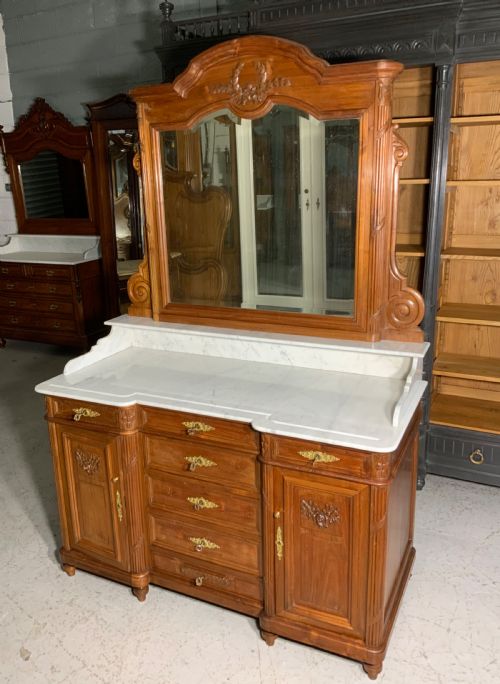
The form stretches across various iterations, including walnut side cabinets, mahogany sideboards, and marble top console tables. Such items provided substantial surface area and internal storage, reflecting the domestic habits of the era.
Materials and construction methods
Cabinet makers utilised dense hardwoods such as mahogany, walnut, and pollard oak, often applying flame mahogany veneer or walnut marquetry to create patterned surfaces. Brass hardware and inset glass panels appear across many pieces, adding decorative detail to the wooden structures.
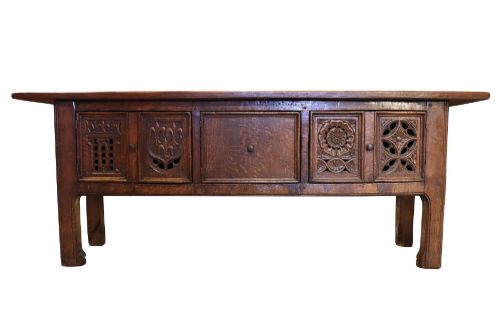
Joinery techniques combined solid timber construction with applied veneers and detailed carving, particularly visible in Gothic Revival and Chippendale Revival examples. Marble tops also feature on select console tables, providing a heavy, durable surface.
One remarkably honest pine piece waits simply to be waxed or painted, inviting a spot of weekend graft.
Distinctions in quality
Quality rests upon the selection of timber figures, such as burr walnut or flame mahogany, and the precision of inlaid marquetry work. Elaborate hand-carving and exhibition-grade proportions distinguish the finer pieces from standard domestic furniture.
The integration of materials, including fitted marble tops and intact glass doors, separates standard utility items from higher-status examples designed for prominent display in reception rooms.
Robert Strahan·Robson & Sons
The Victorian Credenza Table Glossary
- Marquetry
- Decorative veneer work created by fitting small pieces of wood, shell, or ivory into a design. This technique adorned the surfaces of high-status Victorian cabinets.
- Pollard oak
- Timber taken from trees that have been pollarded, producing a heavily knotted and textured grain pattern. Cabinet makers valued it for rich, decorative panel work.
- Console table
- A table fixed to a wall or supported by ornate brackets, often featuring a marble top. These items stood in hallways and drawing rooms during the nineteenth century.
Victorian Credenza Table: Frequently Asked Questions
What rooms suit a Victorian credenza table?
These pieces fit naturally into dining rooms and large hallways where surface space and storage are required. Their substantial wooden frames anchor larger interiors effectively.
They also function well in living spaces as display cabinets for books or decorative objects behind glass doors.
How do I identify a Gothic Revival piece?
Gothic Revival items typically display architectural motifs such as pointed arches, heavy carved oak, and tracery patterns. These design elements mimic medieval stone architecture translated into timber.
Such furniture often dates from the middle to late nineteenth century and presents a darker, more austere appearance than standard Victorian walnut or mahogany.
Are marble tops original to these tables?
Marble tops on nineteenth-century console tables and serving pieces were fitted by makers to provide durable, heat-resistant surfaces for food and drink service. They are integrated directly into the wooden frame structure.
Inspect the seating of the stone within the wooden rebate to understand how the top relates to the base.
What is the difference between a sideboard and a credenza?
Sideboards generally offer large cupboards and drawers for storing dining silver and linen, often accompanied by a raised back shelf or mirror. They served utilitarian dining room functions.
Credenzas lean more towards display, frequently incorporating glass-fronted side cabinets and intricate marquetry for formal reception rooms.