

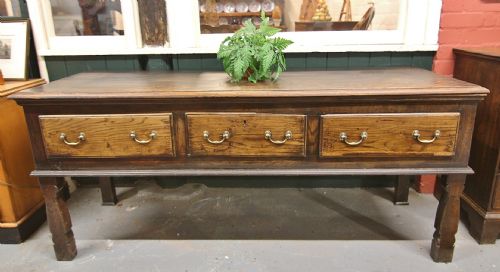
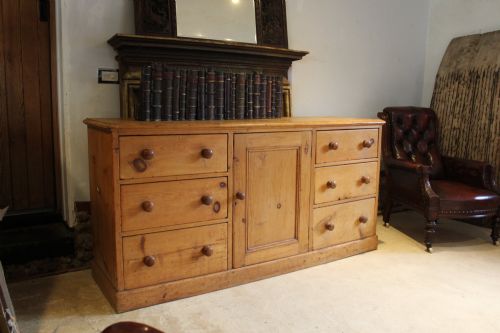
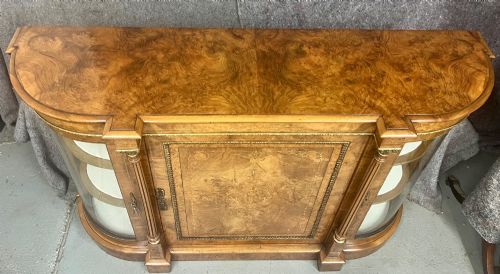
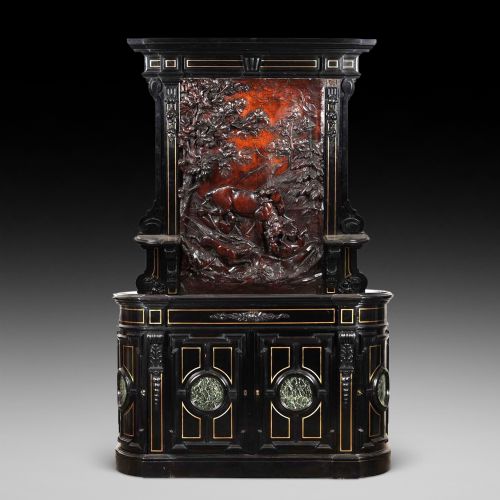
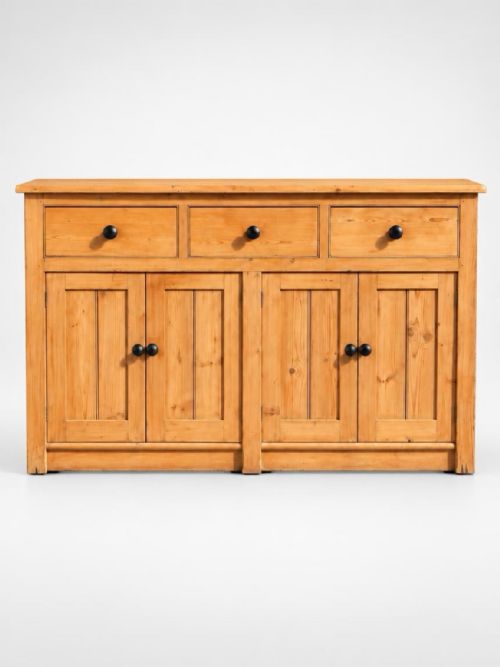
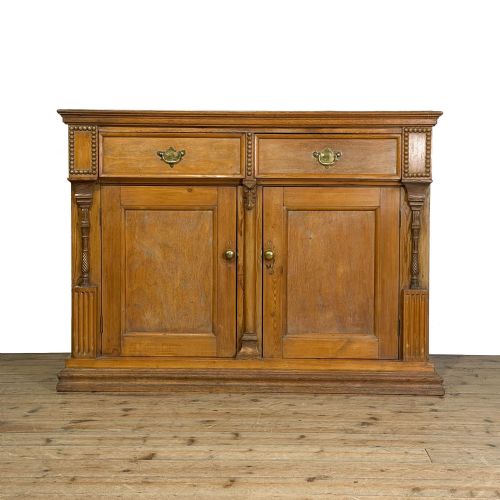
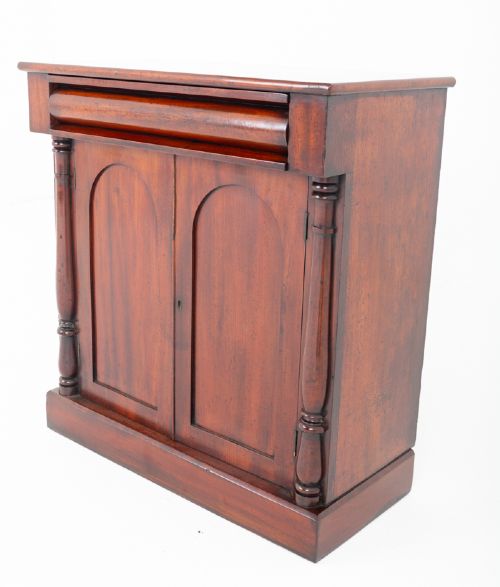
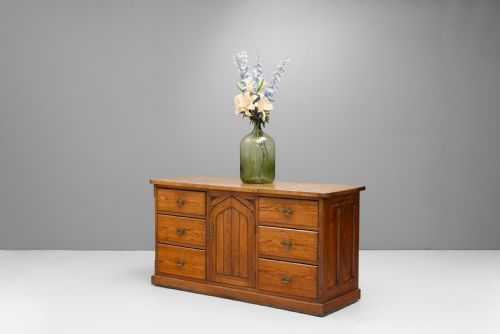
Victorian Credenza Sideboard
A victorian credenza sideboard brings stately timber and intricate brass mounts together for grand dining rooms and drawing spaces.

Victorian Credenza Sideboard
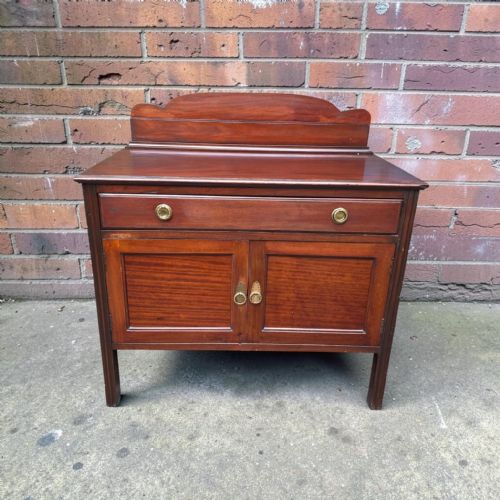
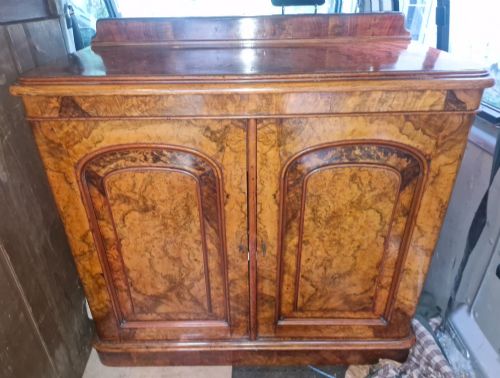
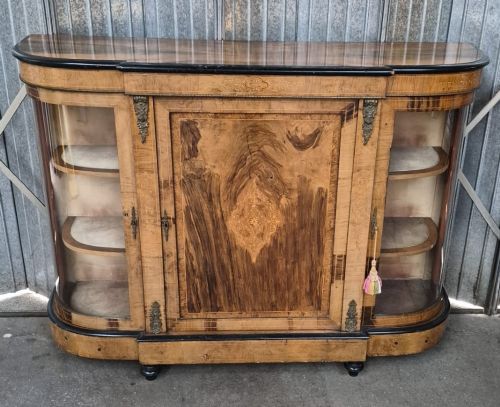
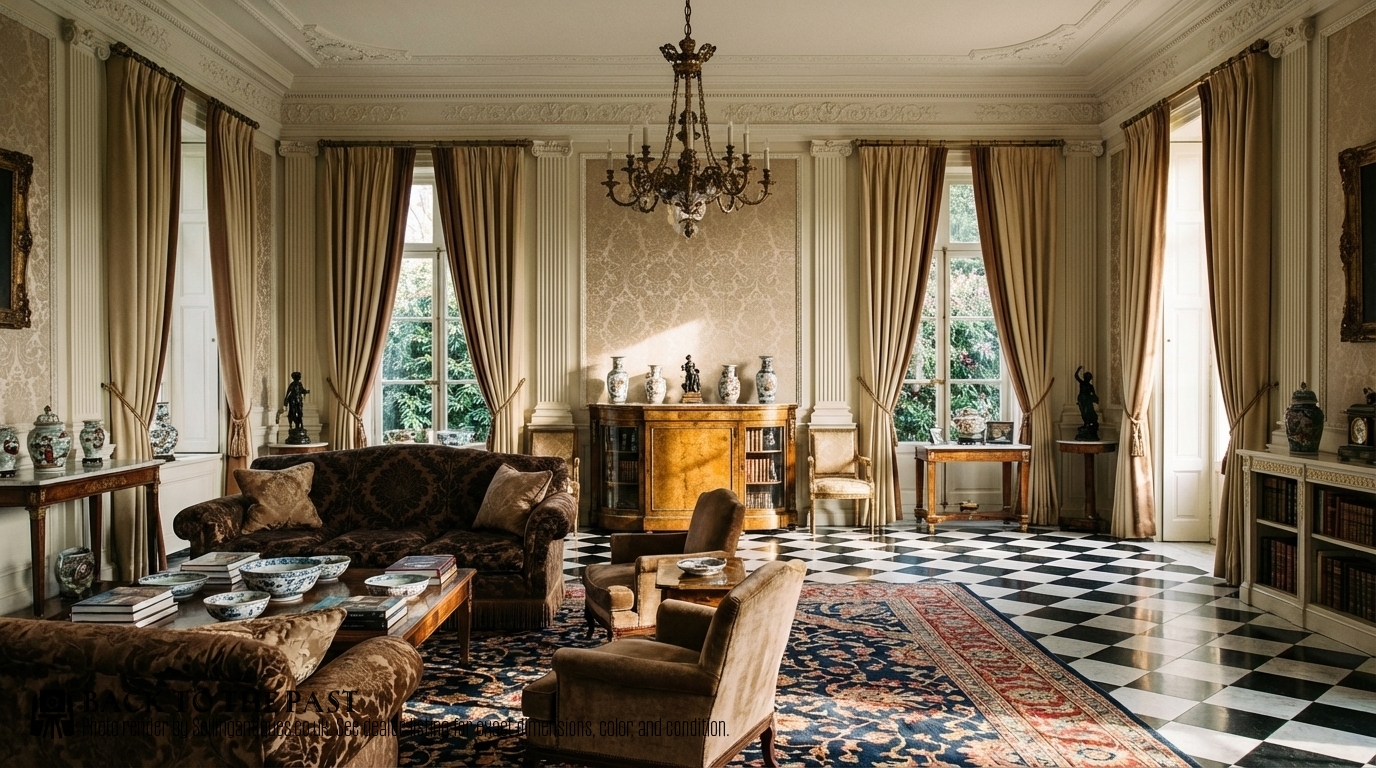
A victorian credenza sideboard combines the enclosed storage of a cabinet with the display surface of a serving table, often shaped with serpentine fronts or flat tiers. You will frequently find burr walnut or mahogany versions featuring glazed central doors flanked by curved side cupboards.
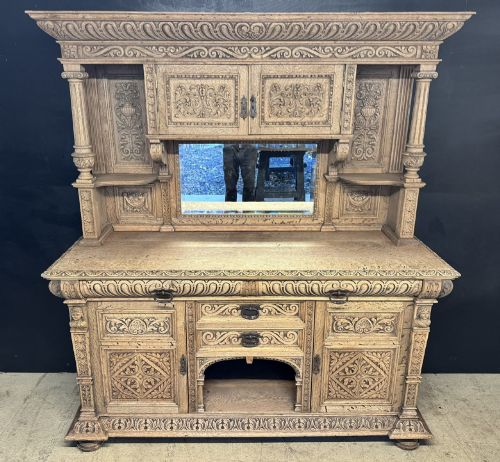
Many examples incorporate mirror backs or marble tops, serving as focal points in nineteenth-century interiors for displaying porcelain and silver. The hybrid form bridges the gap between low drawing-room credenzas and heavy dining-room sideboards.
Materials and construction methods
Cabinetmakers utilised dense hardwoods such as mahogany, rosewood and pollard oak as structural carcases, frequently applying highly figured burr walnut veneers to display dramatic grain patterns. Marquetry inlay in lighter satinwood or fruitwood added contrasting floral motifs across door panels and friezes.
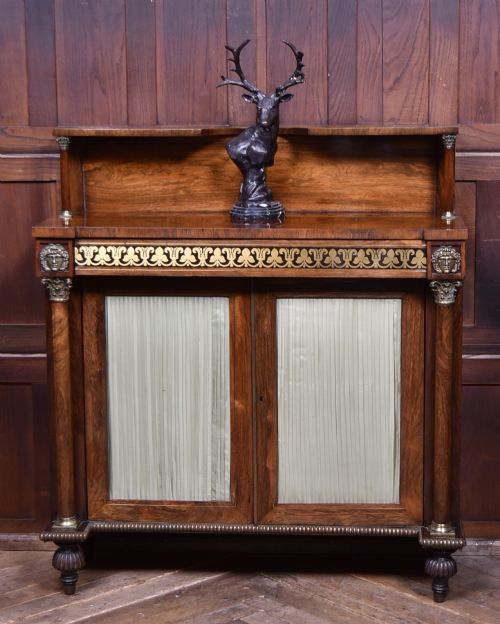
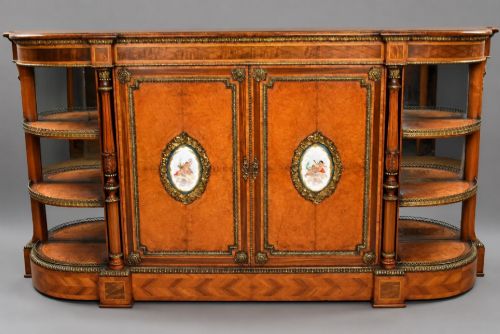
Gilded ormolu mounts and cast brass stringing edge the doors and pilasters, while inset porcelain plaques decorate the finest cabinet doors. Carved mirror frames and shaped marble tops complete the heavy assembly of these grand nineteenth-century pieces.
Victorian Credenza Sideboard Retail Price Guide 2026
Typical asking prices for victorian credenza sideboard among the pieces listed under this phrase on Sellingantiques today, from the lower quarter to the upper quarter. They describe what is for sale here now, not the wider market.
Some nineteenth-century cabinet doors hide internal cellaret drawers designed specifically to keep wine bottles cool against the timber.
Distinctions in construction and finish
The refinement of the timber preparation and the crispness of the hand-carved details dictate the upper tiers of the range. Finer pieces display continuous, book-matched veneers across curved surfaces rather than segmented patches.
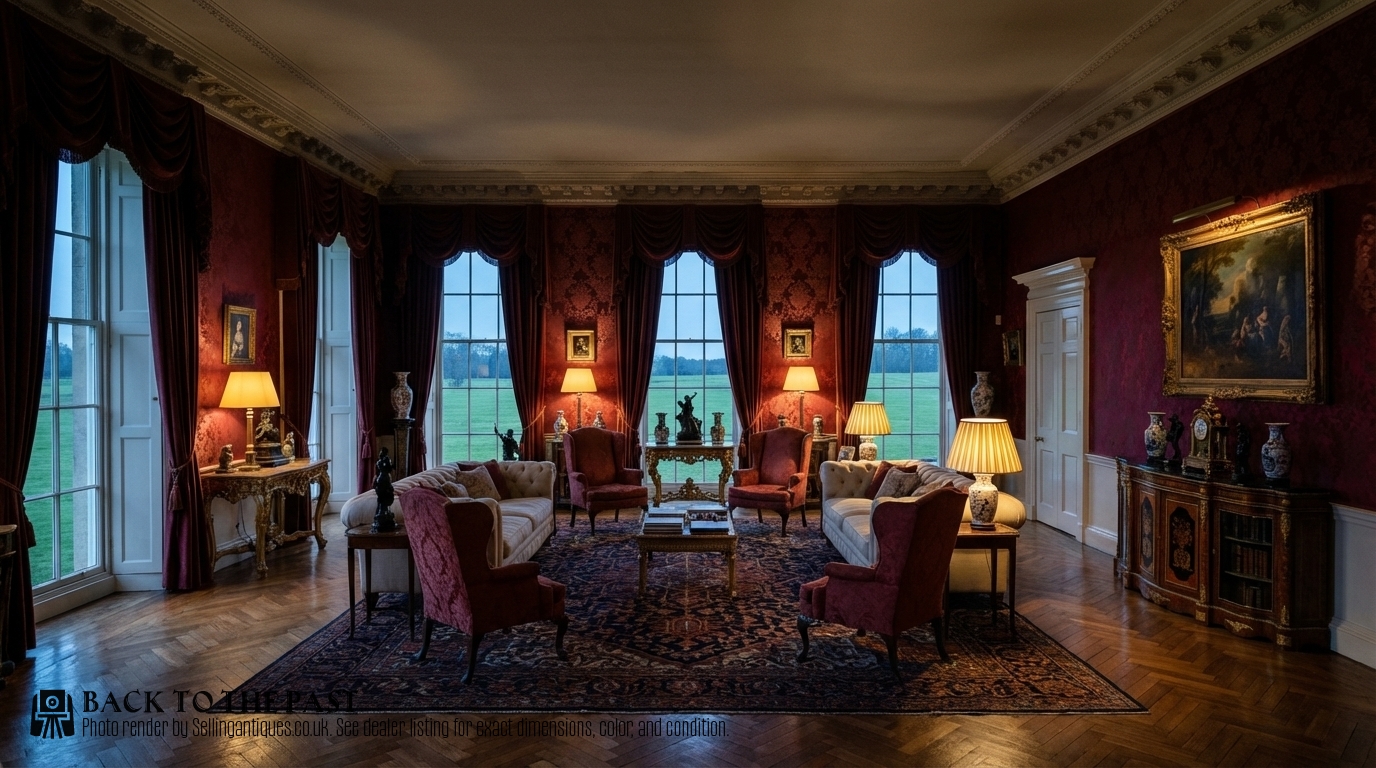
Superior hardware, such as heavy fire-gilded ormolu mounts and finely engraved brass inlay, separates workshop production from standard commercial output. The integration of structural elements like shaped marble slabs and bevelled mirror glass further marks out high-status examples.
Hewetsons London·Collinson and Lock·Edwards and Roberts
The Victorian Credenza Sideboard Glossary
- Ormolu
- Gilded bronze mounts cast and chased to adorn furniture corners and panels. They provide a metallic contrast to dark woods.
- Marquetry
- Inlaid wood veneers forming pictorial or floral patterns. Craftsmen cut contrasting timbers together to ensure tight joints.
- Credenza
- A low cabinet originating in Italy, adapted in the nineteenth century for drawing room display. It often includes glazed side compartments.
- Boulle
- Brass and tortoiseshell inlay technique associated with French-influenced cabinetmaking. It creates shimmering metallic surfaces on ebonised timber.
- Chiffonier
- A compact sideboard equipped with a raised shelf or mirror back. It serves smaller reception rooms where a full sideboard is too large.
Victorian Credenza Sideboard: Frequently Asked Questions
Where were these sideboards placed?
These pieces occupied dining rooms and formal drawing rooms, providing both surface area for serving food and enclosed space for linen or porcelain.
In the nineteenth-century home, grander versions with mirror backs sat against primary reception room walls to reflect light and display ornaments.
How do I care for burr walnut?
Maintain the timber by keeping it away from direct sunlight and sudden temperature shifts that cause veneer to lift.
Apply traditional beeswax sparingly and buff gently with a soft cloth to nourish the grain without building up heavy residue.
Are marble tops original?
Many surviving pieces retain their thick, slab-cut marble tops, which provided a durable, cool surface for serving dishes.
Inspect the seating rebate beneath the stone to ensure the marble rests securely on the original timber framing.