
Victorian Credenza Bookcase
A victorian credenza bookcase brings grand nineteenth-century display space into a room, combining glass-fronted storage with polished timber surfaces.
Victorian Credenza Bookcase
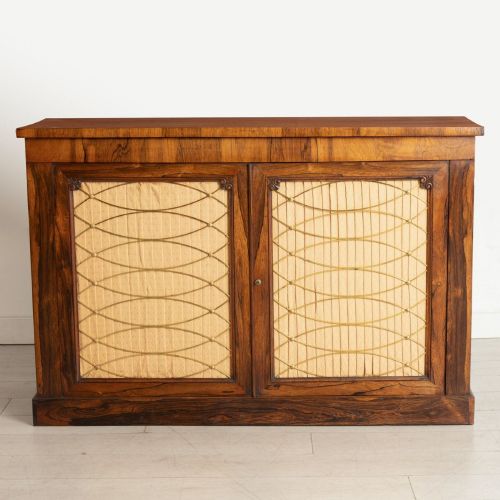
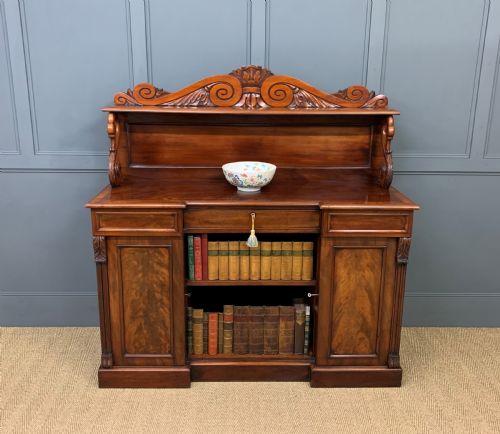
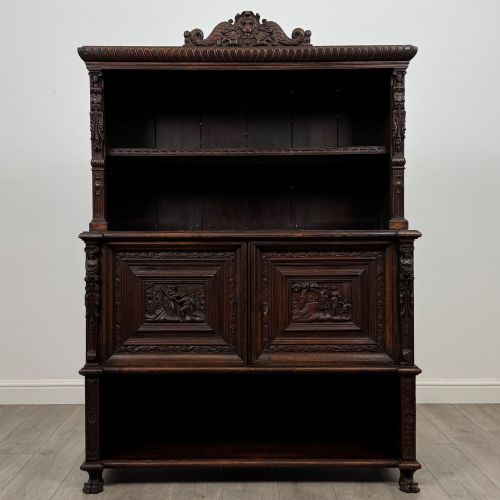
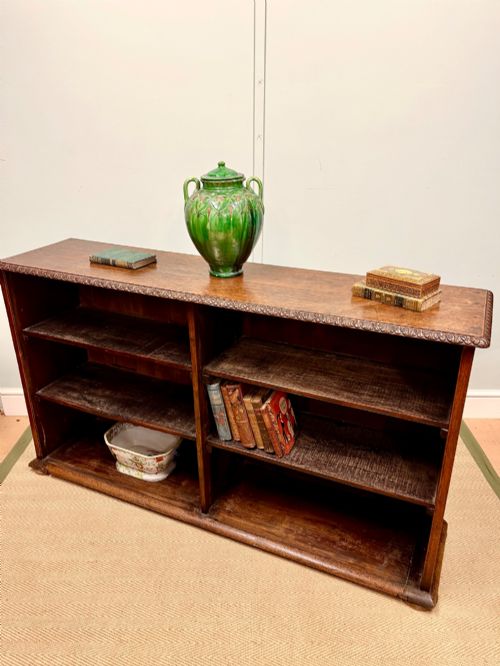
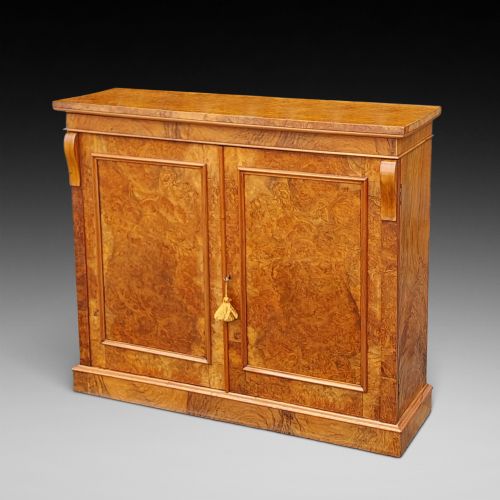
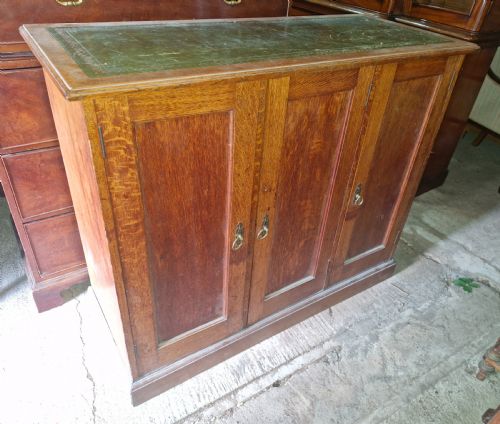
A victorian credenza bookcase typically merges the low-profile display functions of a credenza or pier cabinet with the shelving capacity of a bookcase. The pieces seen here span the nineteenth century, with strong representation from the eighteen-fifties through to the eighteen-eighties.
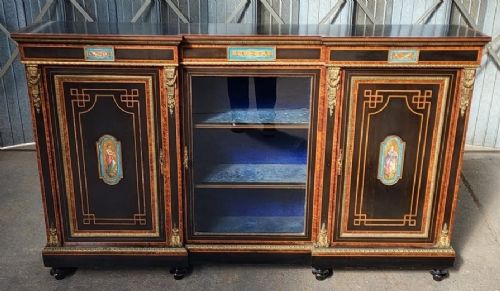
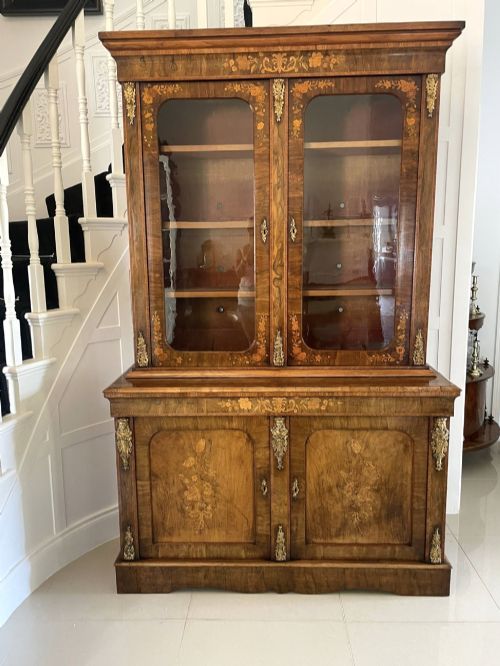
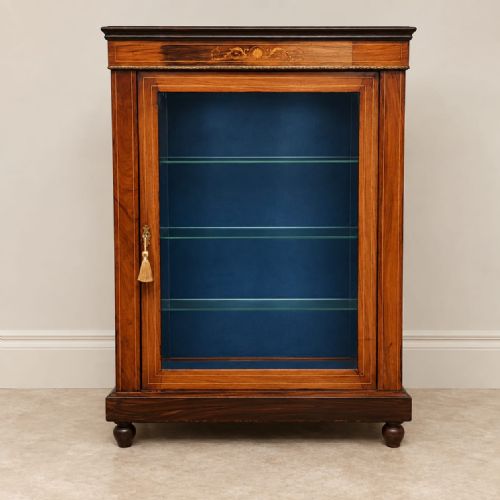
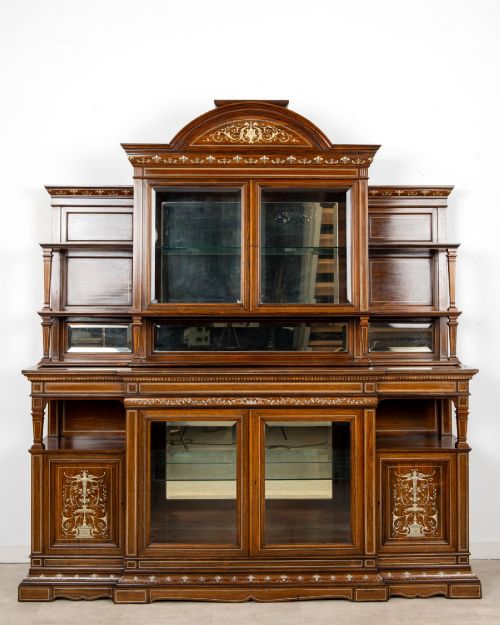
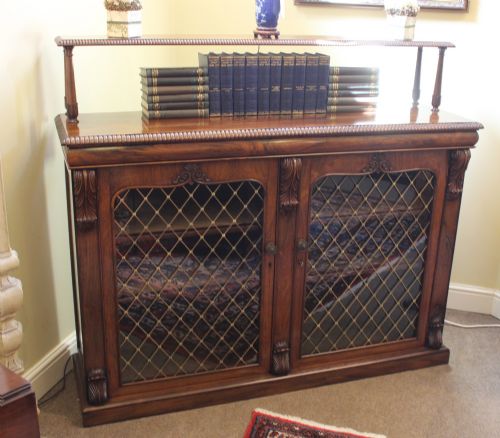
Makers produced these cabinets in various formats, ranging from single-door pier cabinets to multi-door breakfront bookcases and credenzas. Walnut and burr walnut dominate the selection, accompanied by rosewood, ebonised wood, and mahogany.
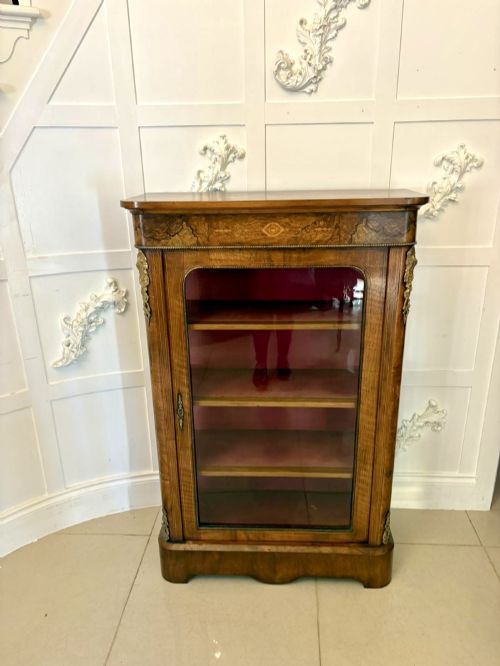
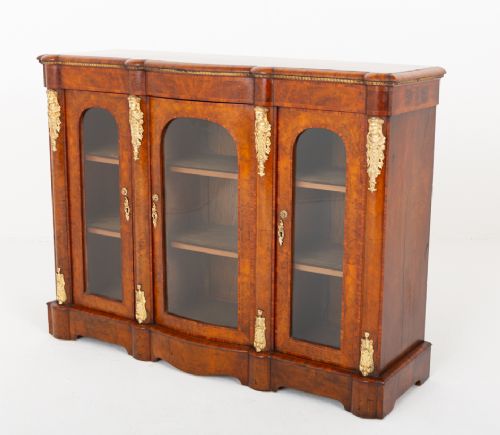
Stylistic influences stretch from early Victorian and Regency roots through to Renaissance Revival and Aesthetic Movement designs. Buyers often encounter pieces featuring glazed central or side doors designed for displaying porcelain or books.
Materials and construction
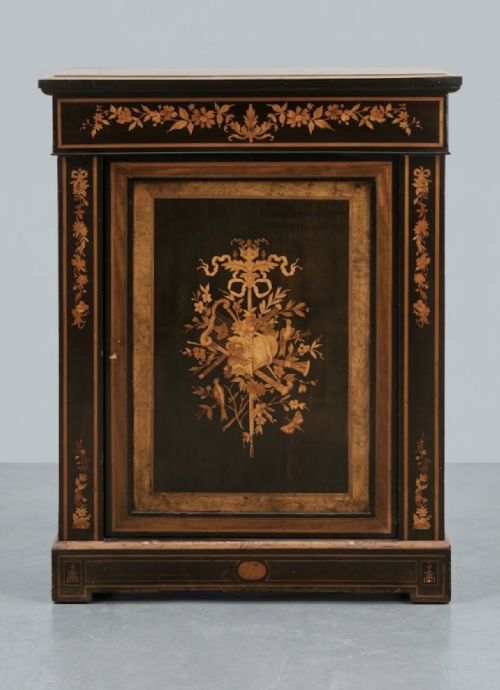
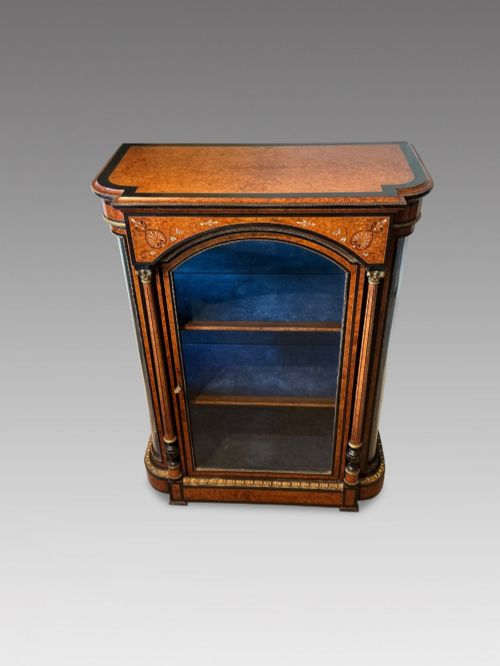
Cabinetmakers utilised dense timbers like walnut, rosewood, and mahogany as foundations, frequently applying highly figured burr walnut veneers to primary surfaces. Marquetry inlay in lighter woods adds geometric and floral detail across panels and friezes.
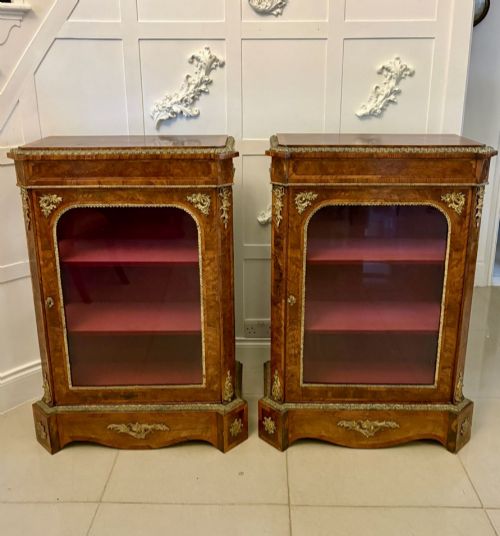
Gilt bronze ormolu mounts punctuate corners, columns, and borders, providing contrast against dark polished wood and ebonised finishes. Glass panels, often framed in brass or timber, enclose the shelving compartments while protecting the interior.
The site's listings feature burr walnut and ebonised wood predominantly, alongside rosewood and mahogany cabinets spanning the Victorian era.
Craftsmanship and detail
The sophistication of the marquetry inlay and the choice of timber figure set the standard for individual pieces. Crispness in the cast ormolu mounts and the precision of brass stringing reveal the hand of a skilled workshop rather than standard production.
Structural integrity depends on the quality of the timber preparation and veneer application over decades of use. Cabinets bearing attribution to known makers or possessing intact original glass and polish command greater attention from collectors.
Collinson and Lock·Lamb of Manchester
The Victorian Credenza Bookcase Glossary
- Credenza
- A low cabinet, originally for holding food, adapted in the nineteenth century for display and storage in principal rooms. These pieces often feature glass doors flanking a central cupboard.
- Ormolu
- Gilded bronze mounts applied to furniture for decorative accent. The metal is cast and chased before receiving its gold finish.
- Marquetry
- Inlaid patterns formed from veneers of different woods applied to a carcass. This technique creates pictorial or geometric designs on doors and panels.
- Pier Cabinet
- A narrow display cabinet designed to fit the wall space between windows. They frequently incorporate curved glass and velvet-lined interiors.
- Ebonised
- Timber treated to resemble ebony, popular in nineteenth-century revival styles. The dark finish often provides contrast for gilt mounts and inlaid brass.
Victorian Credenza Bookcase: Frequently Asked Questions
What is a credenza bookcase?
A credenza bookcase is a hybrid nineteenth-century cabinet that combines low-profile display space with enclosed shelving for books and decorative objects.
These pieces typically feature glazed central or side compartments designed to showcase fine bindings and porcelain collections.
Where were they placed?
Victorian homes positioned these cabinets in principal reception rooms such as drawing rooms and formal parlours where guests gathered.
Their low height allowed owners to place mirrors or paintings on the wall directly above them.
How do I care for burr walnut?
Burr walnut requires stable indoor humidity and protection from direct sunlight to prevent the delicate veneer from drying or fading.
Routine dusting with a dry, soft cloth maintains the polished surface without the need for heavy chemical waxes.
Are the shelves adjustable?
Many nineteenth-century bookcases feature wooden support ratchets or shelf pins that allow limited adjustment for different book heights.
Original velvet lining is also frequently found inside glazed display compartments.