
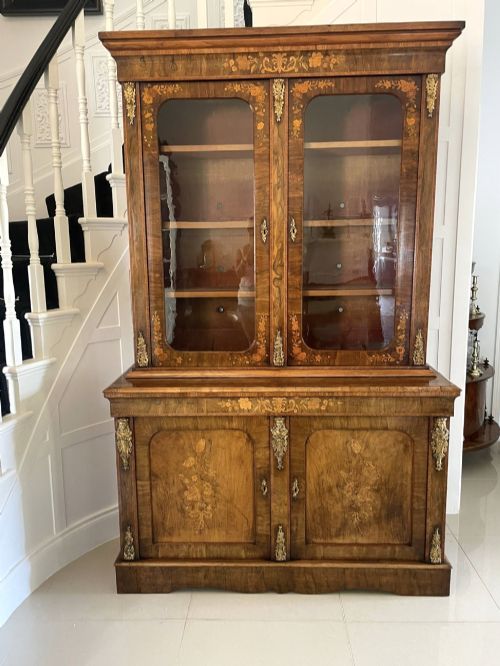
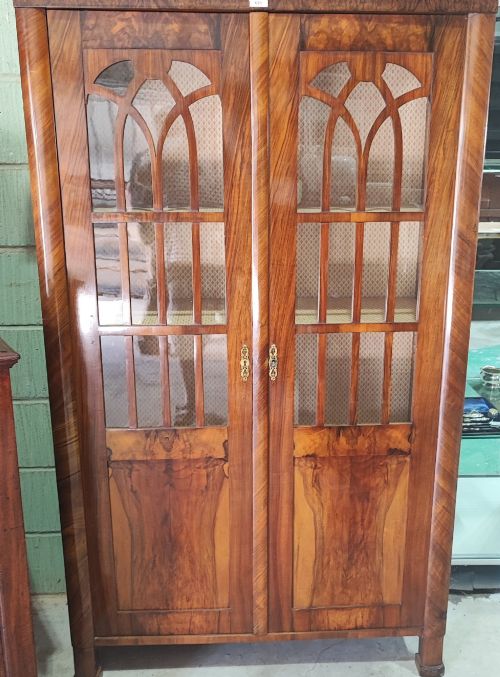
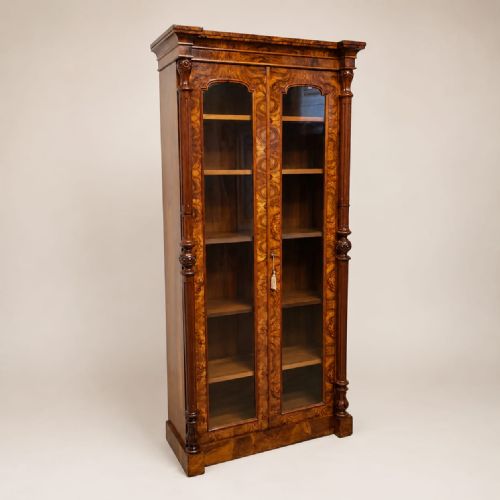
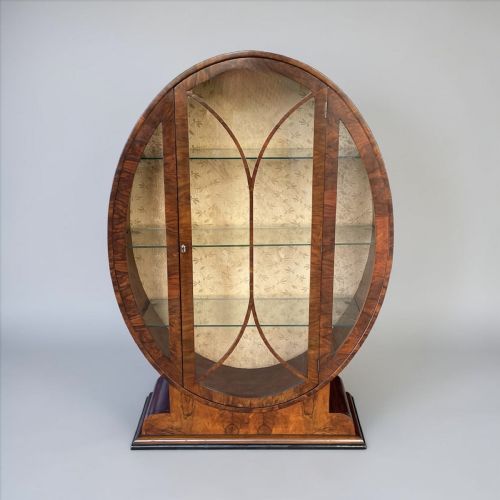
Walnut Glazed Cupboard
A walnut glazed cupboard combines warm timber figure with glass display, offering a refined way to store and show precious volumes or ceramics.
Walnut Glazed Cupboard
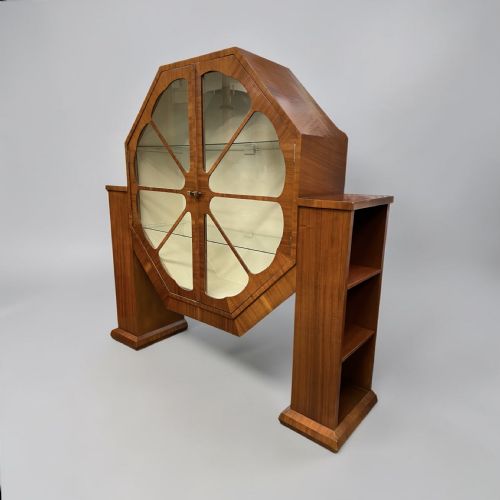
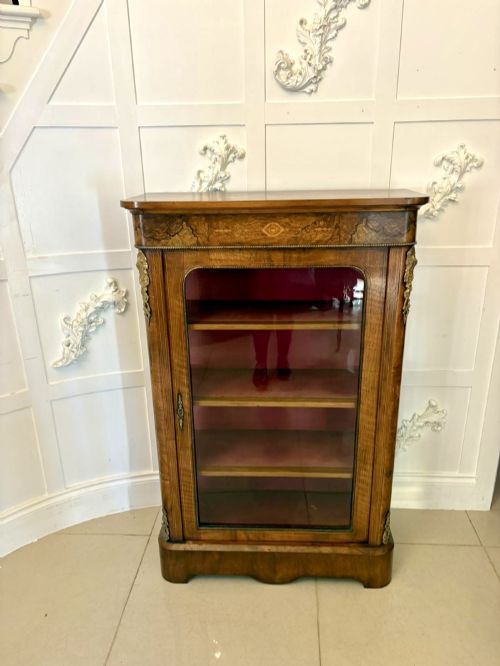
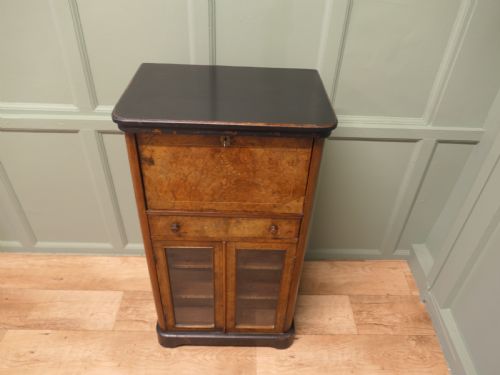
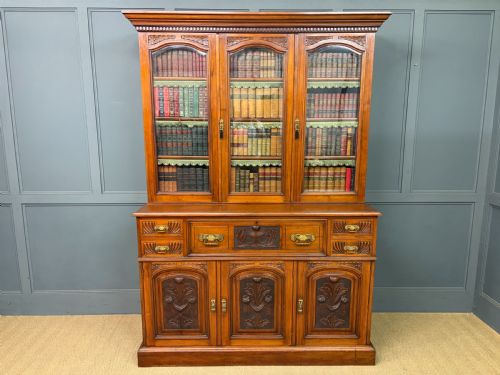
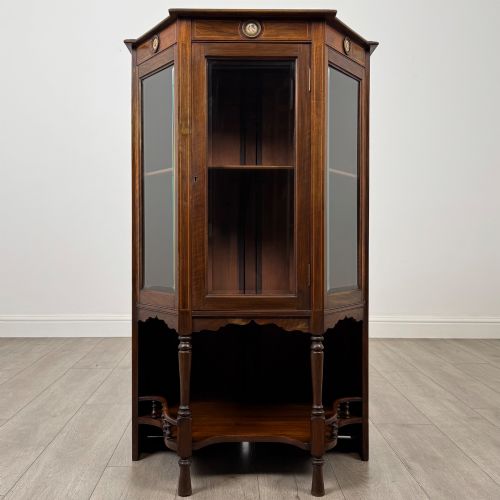
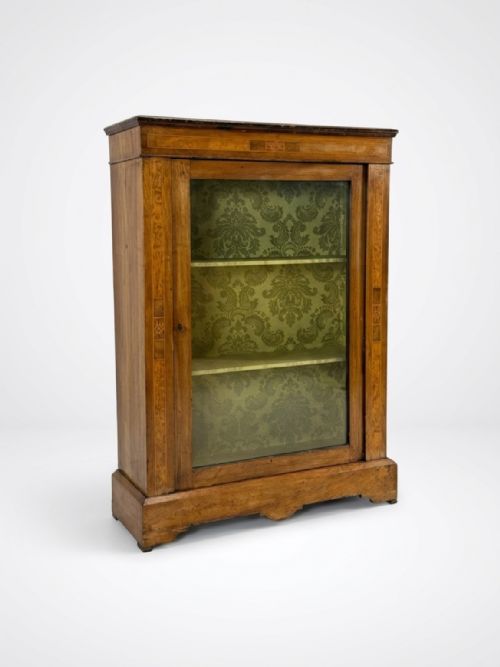
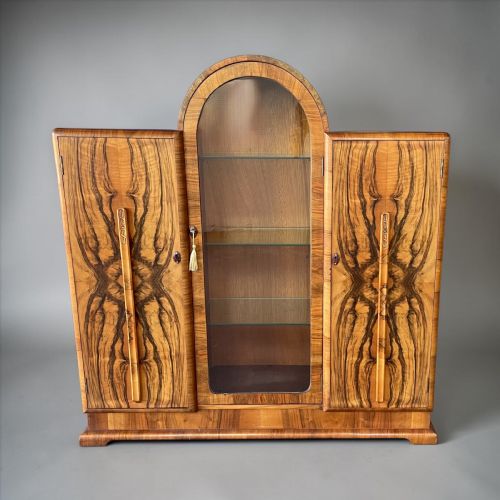
A walnut glazed cupboard brings together domestic utility and display, appearing across periods from the eighteenth century to the art deco era. You will frequently encounter Victorian pier cabinets and tall bookcases alongside Edwardian and 1930s display pieces.
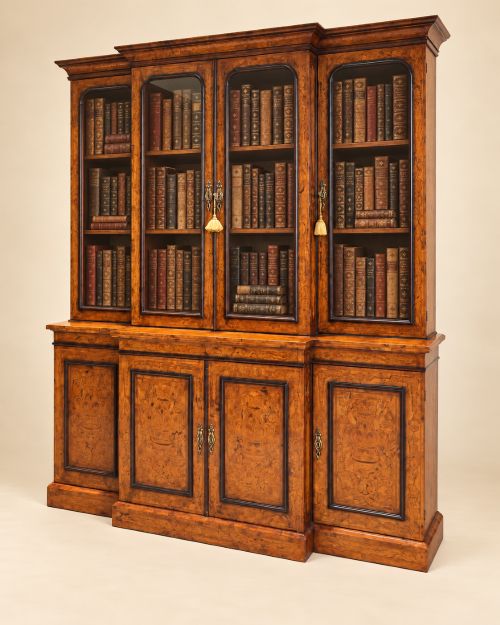
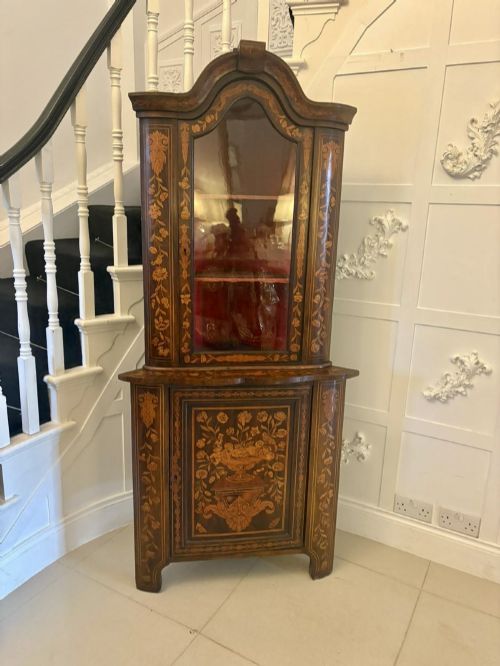
The form spans corner cabinets, wall-hanging cupboards, and breakfront bookcases with glass doors. These storage pieces often feature glazed upper sections designed to protect books and collectibles from dust while keeping them visible.
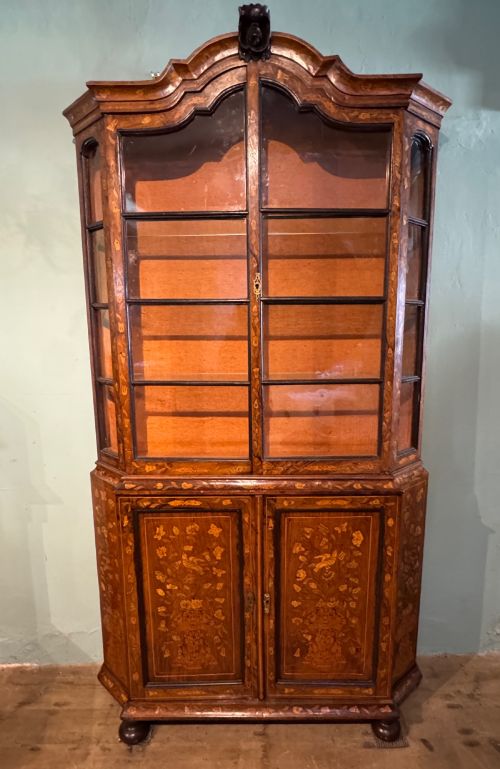
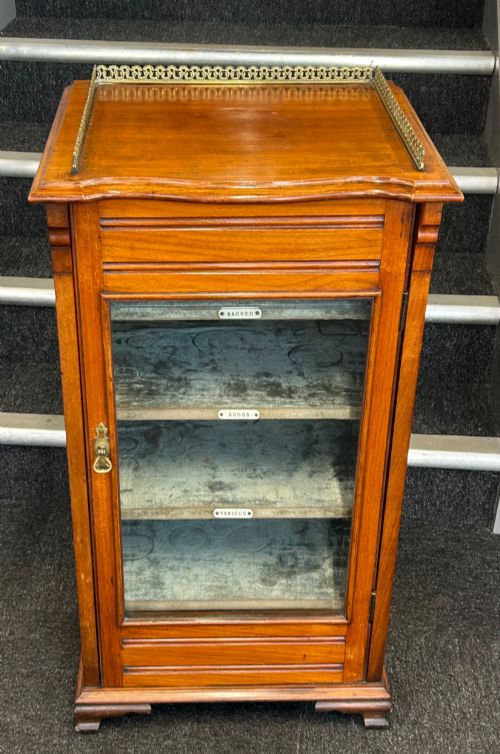
Originating in English, French, and Dutch workshops, these cabinets showcase regional preferences for marquetry, inlaid details, and clean geometric lines. The selection ranges from compact music cabinets to large architectural bookcases on cupboards.
How They Were Made
Cabinet makers utilised straight-grained walnut alongside highly figured burr walnut veneers to create rich surfaces on carcass frames. These timber grounds were frequently enhanced with intricate marquetry, fruitwood inlays, and carved details.
Glazing bars divided the glass panels into geometric or gothic shapes, housing transparent panes within sturdy wooden doors. Brass hardware, ormolu mounts, and fabric or velvet linings completed the interior and exterior presentation.
Walnut Glazed Cupboard Retail Price Guide 2026
Typical asking prices for walnut glazed cupboard among the pieces listed under this phrase on Sellingantiques today, from the lower quarter to the upper quarter. They describe what is for sale here now, not the wider market.
The listings span multiple centuries, incorporating 18th-century Dutch wall cabinets, Victorian pier furniture, and 1930s art deco designs.
What Varies in Quality
The choice of timber grain fundamentally dictates visual appeal, with matching burr walnut veneers and crisp marquetry marking out superior cabinet work. Secondary timbers and the precision of the joinery around doors and shelves reveal the standard of workshop execution.
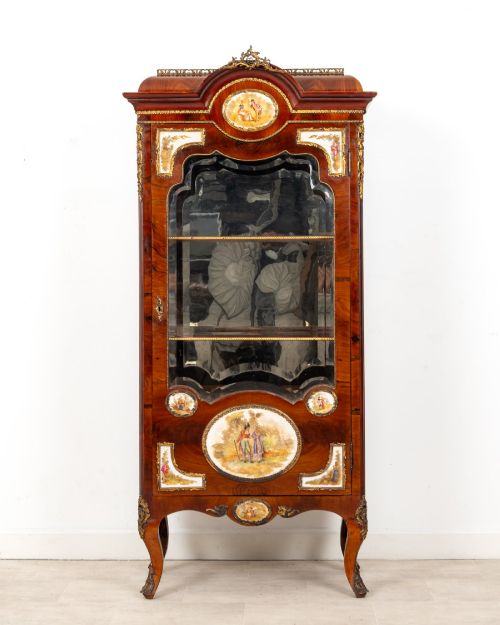
Original hardware, sound glass, and intact ormolu mounts preserve the integrity of a piece. Finer examples maintain balanced proportions and harmonious revival styles, from Dutch baroque to Louis XV influences.
The Walnut Glazed Cupboard Glossary
- Burr walnut
- A prized wood veneer harvested from tree growths, yielding intricate swirling patterns and rich figuration across cabinet doors. This decorative timber defines many Victorian and Edwardian display pieces.
- Pier cabinet
- A low freestanding cupboard designed specifically to stand against the narrow wall space between windows. These Victorian forms typically feature a single glazed door and brass mounts.
- Marquetry
- The art of applying small pieces of veneer to form decorative pictures and geometric patterns on furniture surfaces. Dutch makers frequently utilised floral marquetry on walnut carcasses.
- Breakfront
- A piece of furniture where the central section projects forward from the flanking wings. This architectural arrangement adds depth to large bookcases and display cabinets.
- Vitrine
- A glass-sided cabinet or display case constructed to exhibit porcelain and decorative objects from all angles. French examples often incorporate ormolu mounts and porcelain plaques.
Walnut Glazed Cupboard: Frequently Asked Questions
Where should I place a walnut glazed cupboard?
These cabinets suit reception rooms, dining spaces, or hallways where natural light illuminates the wood grain and glass panels.
Keep them away from direct sunlight and sudden temperature shifts to protect the walnut veneer and historic timber.
How do I care for the walnut timber?
Dust the surfaces gently with a dry, soft cloth and avoid applying modern silicon-based polishes or harsh chemical sprays.
Maintain a stable indoor humidity level to prevent the burr walnut veneer from lifting or cracking over time.
Can I adjust the shelves inside?
Many Victorian and Edwardian glazed bookcases feature adjustable wooden shelving supported by traditional rack-and-pinion or wooden peg systems.
Heavier display items should be distributed evenly to maintain balance across the interior space of the cupboard.
How do I identify the period of a cupboard?
Examine the construction methods, interior timber linings, and keyhole escutcheons alongside the overarching decorative style of the piece.
Victorian and Edwardian examples often display machine-sawn elements and specific revival motifs like Dutch marquetry or art deco curves.