


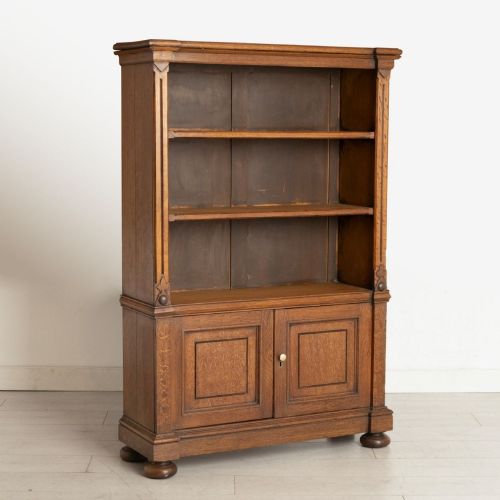
Victorian Open Cabinet
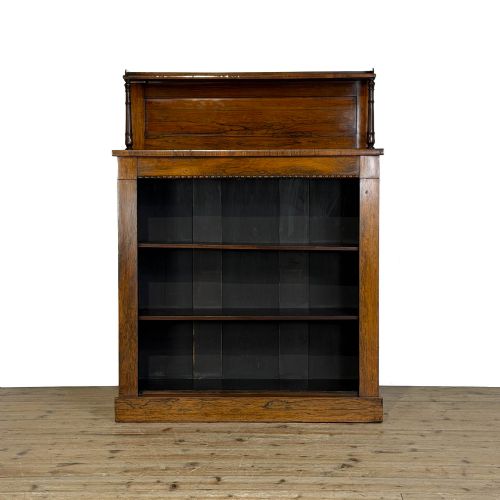
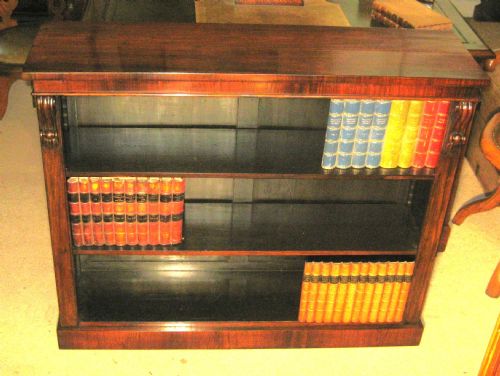
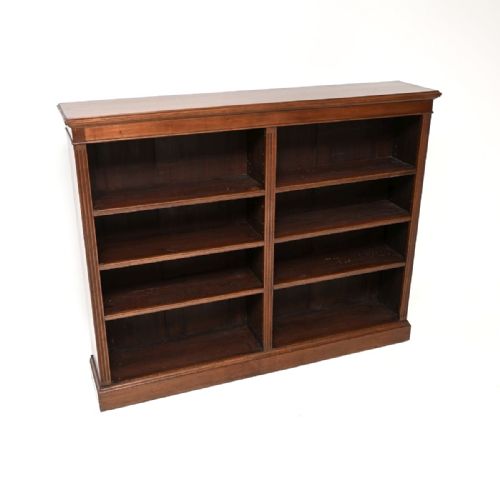
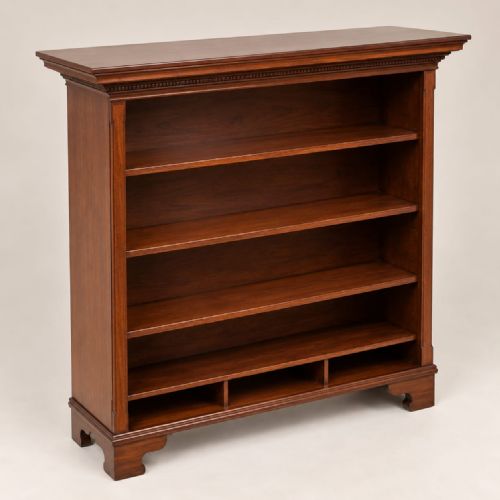
A victorian open cabinet brings warmth and practical book or display storage into a room without heavy doors blocking the view.
Victorian Open Cabinet
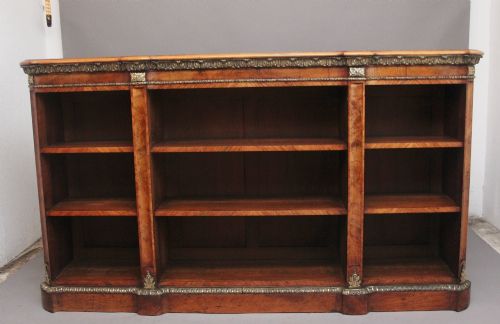
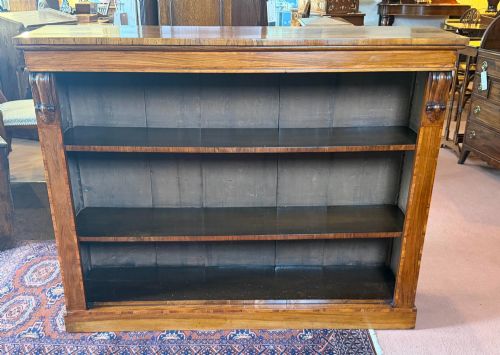
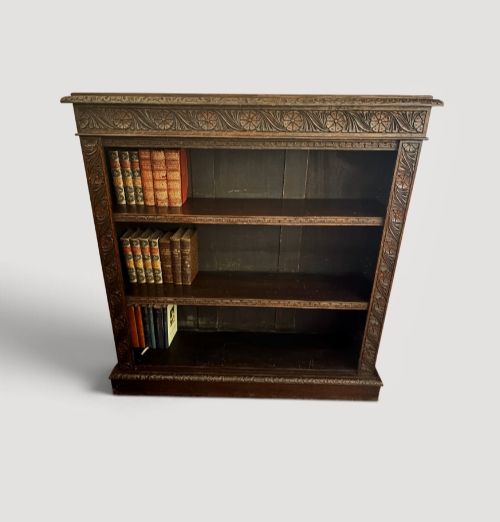
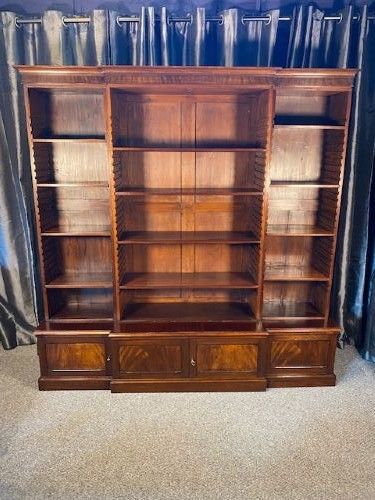
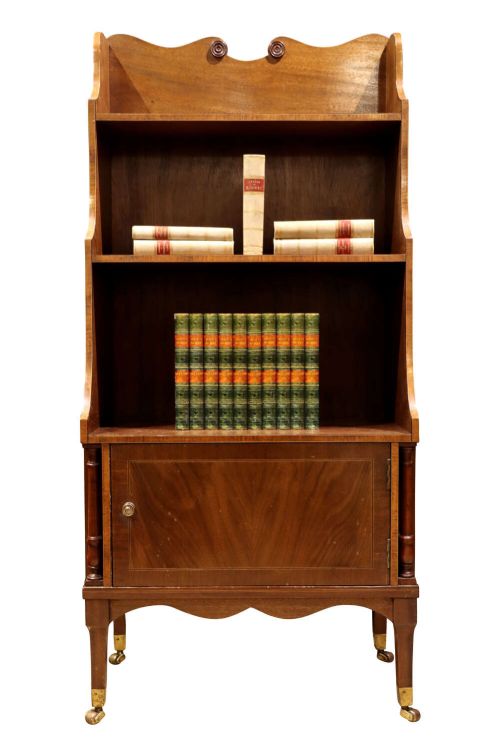
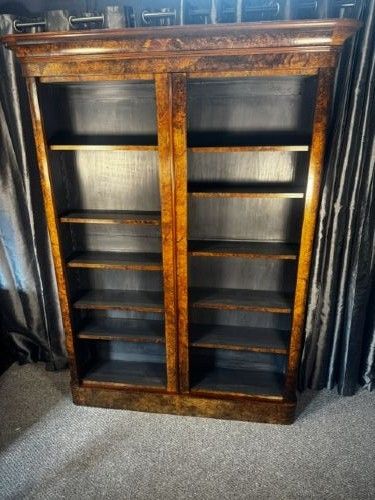
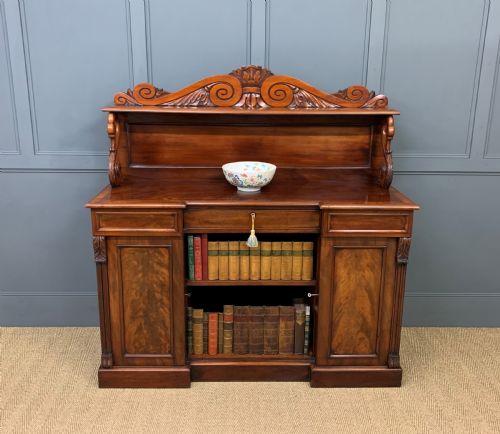
A victorian open cabinet serves as a bookshelf, display shelving unit, or low credenza designed without traditional solid front doors to exhibit collections and volumes. You will frequently encounter mahogany, walnut, and burr walnut bookcases standing alongside oak and rosewood variants across the nineteenth century.
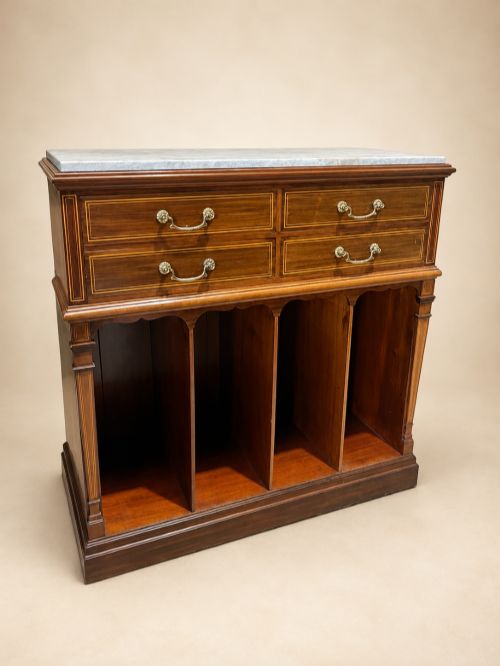
The format stretches from low bedside units and corner shelves up to tall breakfront library bookcases and wall-mounted what-nots. Many examples incorporate adjustable internal shelving, brass castors, or lower enclosed cupboard bases beneath the open display tiers.
Makers and designers of the era experimented widely, producing pieces in Gothic Revival, Japonisme, Sheraton Revival, and English Country styles. This variety ensures an open cabinet fits both formal drawing rooms and relaxed studies.
Materials and construction
Cabinet makers utilised dense hardwoods including mahogany, walnut, rosewood, and oak as the foundational carcasses, often applying highly figured burr walnut veneers to prominent surfaces. These timbers were selected for stability and grain pattern, providing a robust structure for heavy volumes.
Gilt bronze or ormolu mounts, brass castors, inlaid stringing, and glazed panels frequently enriched the primary timber framework. Joinery relied on traditional hand-cut dovetails and pegged mortise and tenon joints to ensure lasting durability.
Listings feature woods like mahogany, walnut, burr walnut, rosewood, oak, and pine alongside brass and ormolu mounts.
Assessing craftsmanship
The distinction between standard utility furniture and superior cabinet work rests upon timber selection and the precision of decorative details. Finer pieces display carefully matched veneer grains across the entire frontage, subtle hand-carved mouldings, and high-grade ormolu mounts.
Internal engineering also dictates standing, such as the smooth operation of adjustable shelf ratchets, the presence of solid secondary woods for drawer linings, and the structural integrity of integrated brass castors.
Gabriel Viardot·Johnstone and Jeanes·Morison and Co·Gillows·George Edmund Street·Liberty and Co·Edwards and Roberts·Holland and Sons·C Mellier and Co
The Victorian Open Cabinet Glossary
- Burr walnut
- A figured timber taken from the excrescences or burls of walnut trees, prized for its swirling, decorative grain patterns.
- Ormolu
- Gilded bronze mounts and decorative accents applied to the corners, friezes, and feet of fine nineteenth-century cabinets.
- Breakfront
- A piece of furniture whose central section projects forward from the flanking wings, adding architectural depth.
- Chiffonier
- A low sideboard or cabinet featuring shelves or a mirror superstructure, commonly used for storage and display.
- Japonisme
- A late nineteenth-century design style heavily influenced by Japanese art, aesthetics, and structural motifs.
Victorian Open Cabinet: Frequently Asked Questions
How are adjustable shelves constructed?
Makers used wooden sawtooth racks, metal pins, or sliding brackets set into the interior sides of the cabinet.
This allowed owners to raise or lower shelves to accommodate books of varying heights.
Where were open cabinets placed?
These pieces sat in libraries, drawing rooms, studies, and bedrooms to hold working libraries or display ornaments.
Low versions often stood beneath windows or against plain wall expanses.
How do I care for polished wood?
Protect the surfaces by keeping them away from direct sunlight and maintaining steady room humidity.
Apply natural beeswax occasionally to nourish the timber grain without building up heavy chemical layers.
What defines a credenza?
A credenza is a low cabinet, frequently ornamented with ormolu mounts and mirrored doors, designed for formal reception rooms.
Many examples feature open shelf sections combined with enclosed cupboards.