
19th Century Open Bookshelf
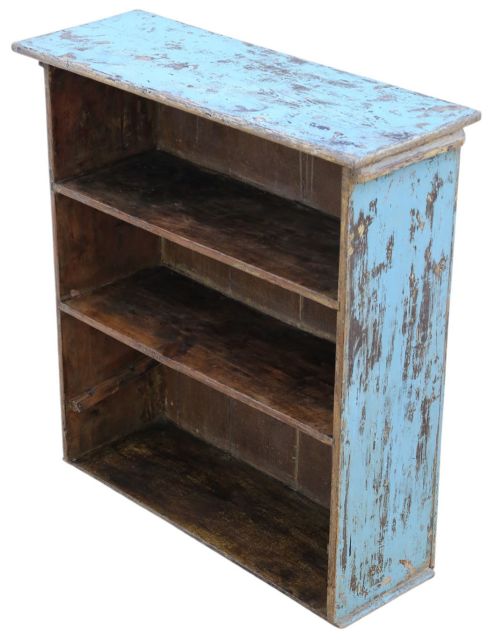
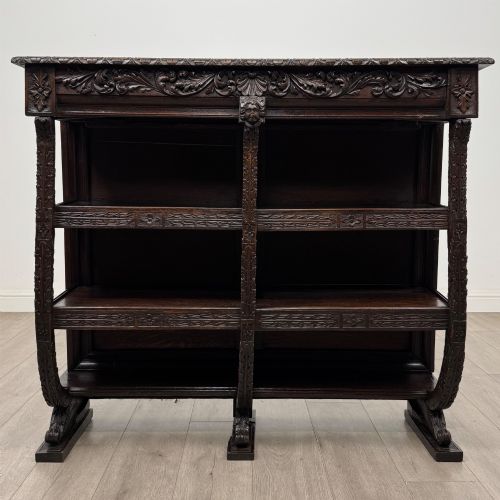
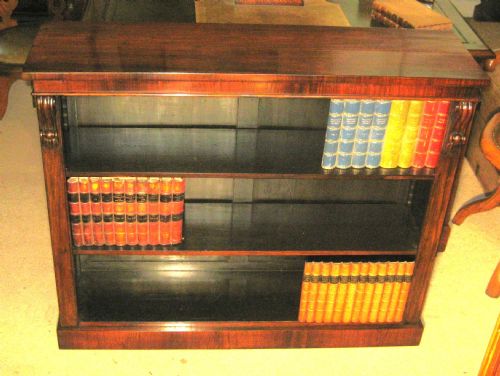
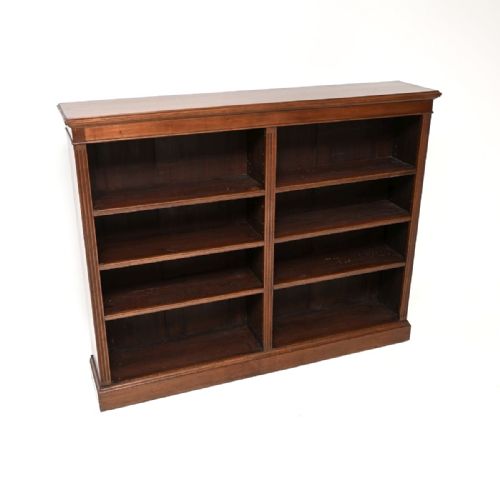
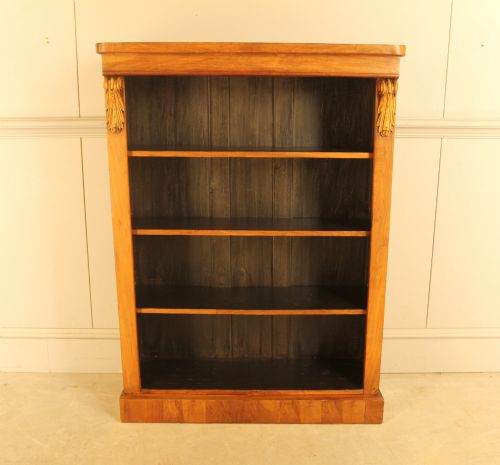
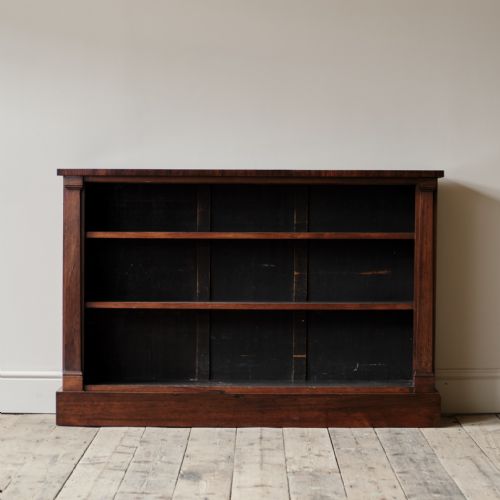
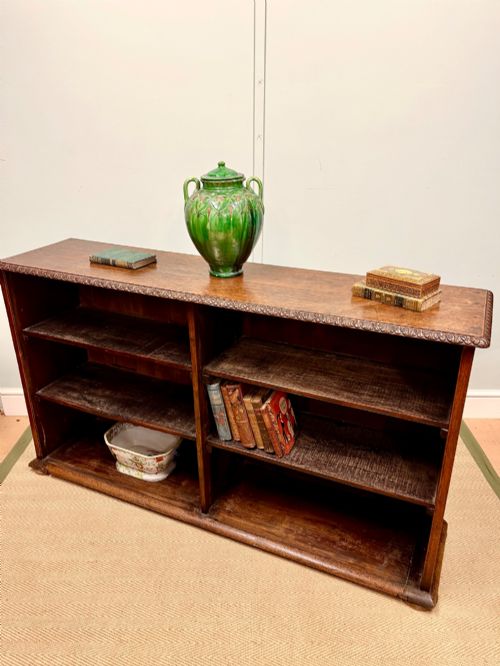
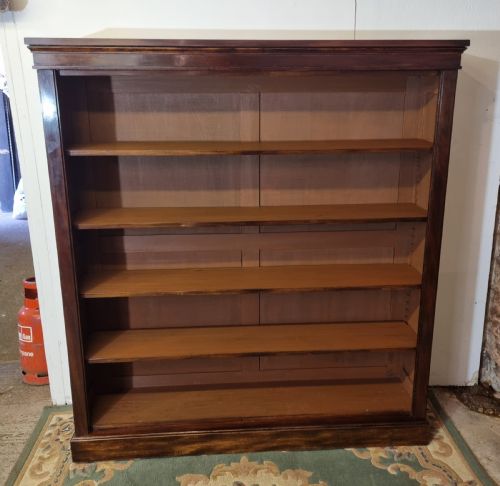
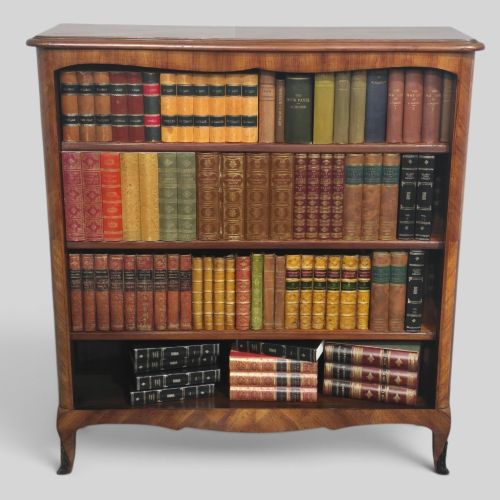
A 19th century open bookshelf brings adaptable display space and rich cabinet timbers into a room, favoured for holding working libraries.
19th Century Open Bookshelf
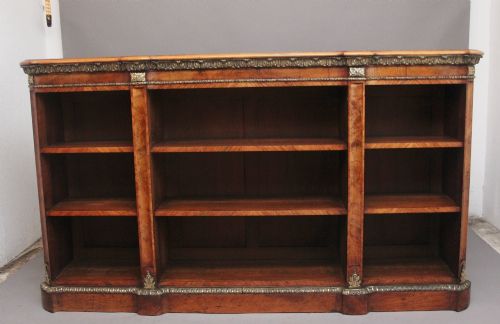
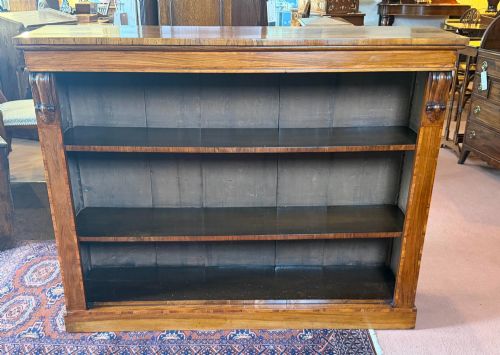
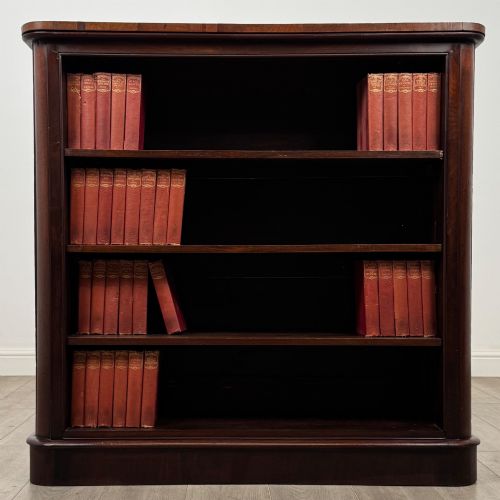
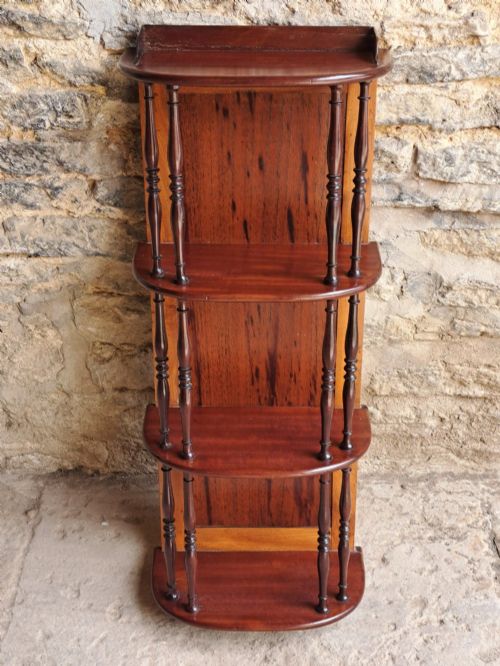
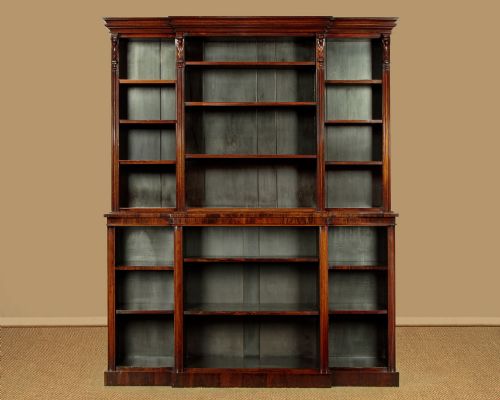
A 19th century open bookshelf typically takes the form of a low freestanding cabinet, a taller library bookcase, or a set of hanging wall shelves designed to keep volumes within arm's reach. The pieces on offer span the Victorian and Regency eras, alongside specific decades such as the eighteen-fifties and eighteen-eighties, reflecting changing domestic habits.
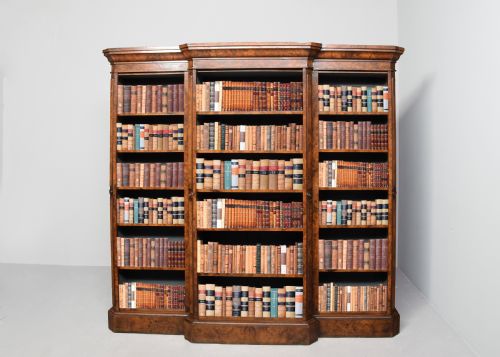
Mahogany and walnut dominate the surviving pieces, accompanied by rosewood, burr walnut, and occasional pine or oak. Makers constructed these items with adjustable shelves, breakfront profiles, and tiered waterfall arrangements to suit varying spatial requirements.
Materials and construction
Cabinet makers utilised dense hardwoods like mahogany and rosewood, often laying choice veneers such as burr walnut over stable secondary timbers. Solid woods were hand-carved or left smooth depending on the prevailing style.
Decorative embellishments include cast or gilt ormolu mounts, brass details, and ebonised accents. Shelves frequently rest on adjustable wooden ratchets or brass pins to accommodate different book sizes.
Several low bookcases doubled as bedside cabinets, proving that Victorians enjoyed midnight reading just as much as we do.
Distinction in craftsmanship
The standard of a 19th century open bookshelf depends on the selection of timber veneers and the crispness of any applied carvings or brass ormolu mounts. Finer pieces demonstrate careful book-matching on burr walnut surfaces and solid secondary framing.
Structural refinement also separates standard utility pieces from high library furniture, visible in the joinery of the plinth, the execution of breakfront sections, and the smooth operation of adjustable shelving mechanisms.
Johnstone and Jeanes
The 19th Century Open Bookshelf Glossary
- Breakfront
- A piece of furniture where the central section projects forward from the outer flanking wings. This architectural arrangement adds visual depth to larger library bookcases.
- Waterfall bookcase
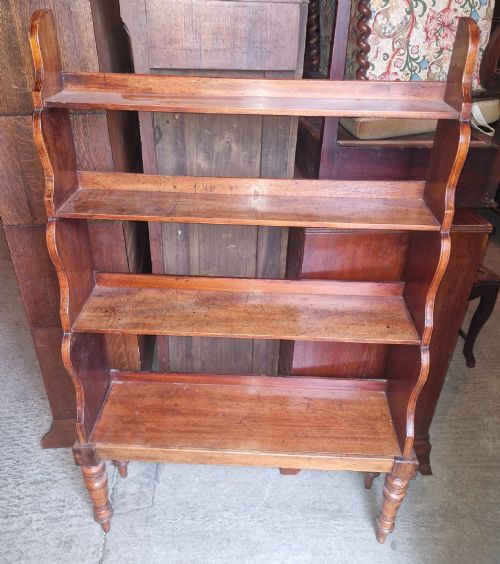
- A set of open shelves stepped back progressively from bottom to top, creating a tiered profile resembling cascading water. These pieces often date from the Regency and early Victorian periods.
- Ormolu
- Gilt-bronze mounts applied to furniture for decorative contrast. They appear frequently on French Empire and high-end Victorian walnut pieces.
- Burr walnut
- A highly figured timber veneer sliced from walnut tree growths, prized for its swirling grain patterns. It forms the primary visual surface on many mid-century low bookcases.
- Amboyna
- An exotic, highly figured timber with a rich golden-brown tone, used sparingly for small-scale Victorian decorative furniture and inlay.
19th Century Open Bookshelf: Frequently Asked Questions
How do I date an open bookshelf?
Dating relies on combining timber choice, construction methods, and stylistic cues recorded across the Victorian and Regency periods. Mahogany and rosewood are typical of earlier Regency and early Victorian work, while later decades introduced varied pine and oak.
Secondary woods, shelf adjustment systems, and any gilt or ormolu mounts further help narrow the decade of manufacture.
Are the shelves adjustable?
Many of these pieces feature adjustable shelving supported by traditional wooden bearers or brass pins. This practical design allowed owners to rearrange the interior space for books of different heights.
Checking the interior pilasters reveals the adjustment mechanism used by the original cabinet maker.
Where were these bookcases used?
These open pieces served in libraries, studies, and drawing rooms for accessible, everyday reading material. Low bookcases often doubled as serving surfaces or bedside cabinets while keeping volumes close at hand.
Wall-hung variants provided display storage in rooms with limited floor space.
What is a waterfall bookcase?
A waterfall bookcase is a distinct tiered form where each open shelf steps back progressively from the one below. These pieces emerged in the Regency and early Victorian eras, valued for their decorative silhouette.
They function well for displaying smaller collections and decorative items.