


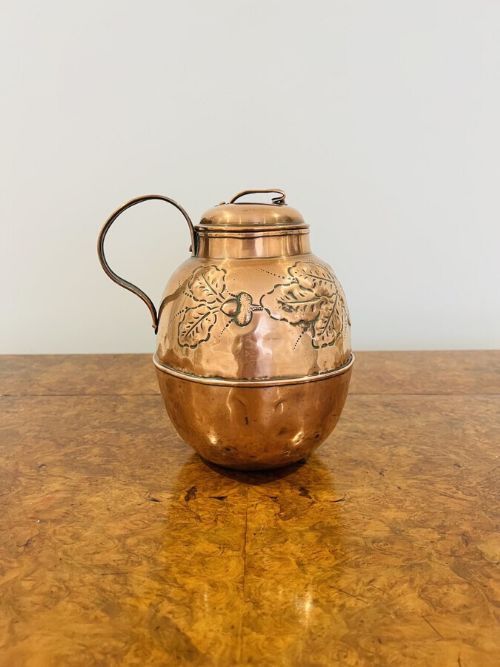

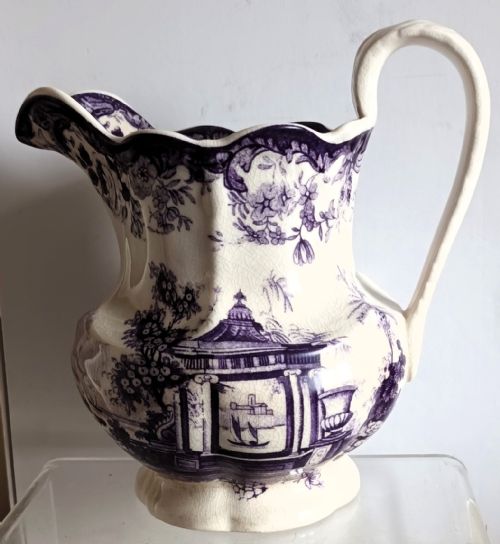
Victorian Cream Pitcher
A Victorian cream pitcher brings nineteenth-century craftsmanship to the table, offering a functional vessel shaped by period materials and distinct pottery traditions.
Victorian Cream Pitcher
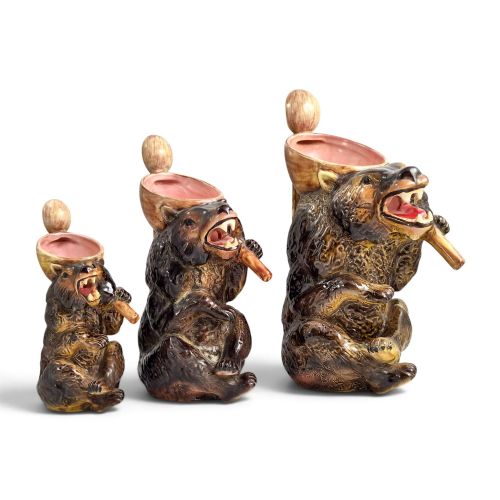
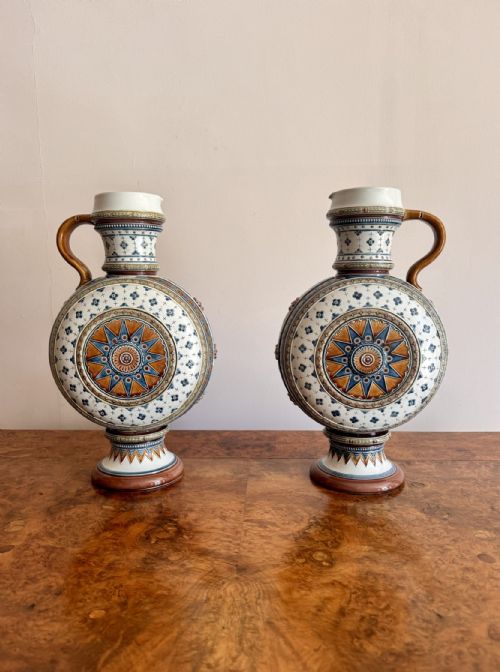
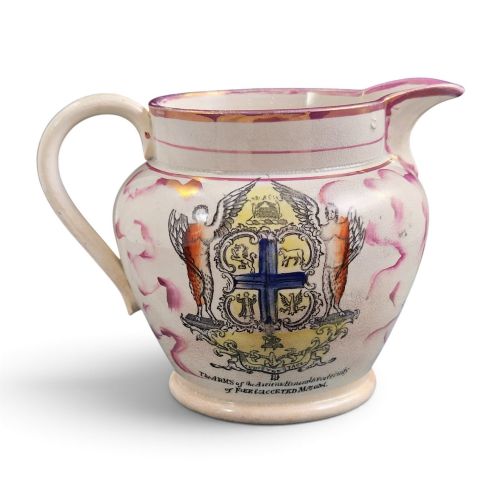
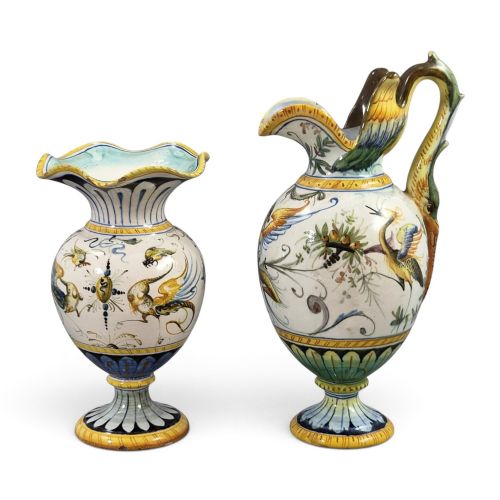
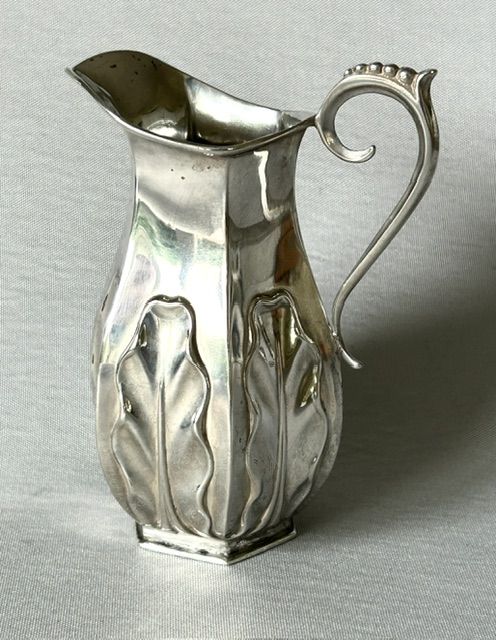
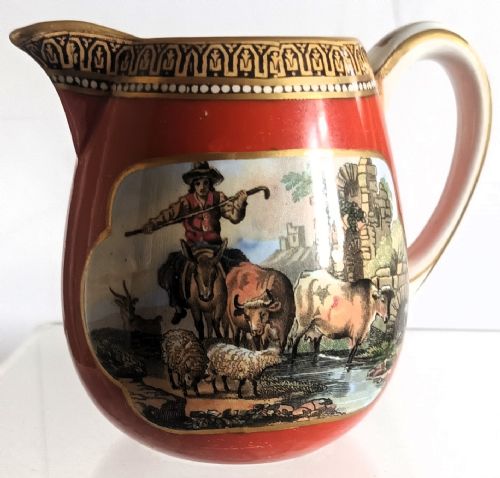
A victorian cream pitcher functions primarily as a small pouring vessel for milk or cream during tea service, originating from periods spanning the nineteenth century alongside related Georgian and Edwardian examples. The listings here present diverse forms, including earthenware pottery jugs, ceramic creamers, sterling silver pedestal jugs, and decorative ewers.
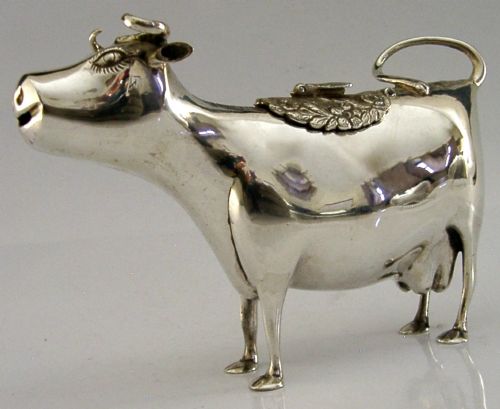
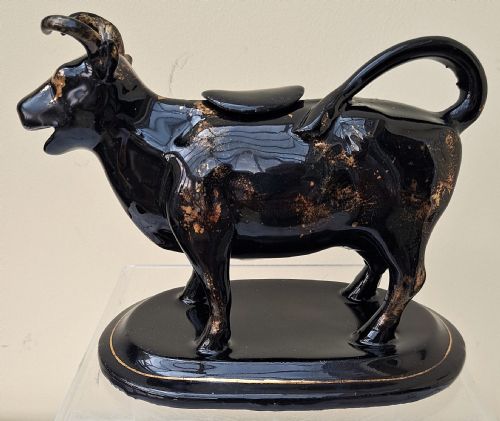
Collectors meet frequent examples in earthenware and porcelain, alongside silver pieces bearing nineteenth-century hallmarks. Forms range from utilitarian cream jugs to modelled novelty items like cow creamers and relief-moulded earthenware.
Stylistic influences vary widely across the selection, covering Victorian Rococo Revival, Renaissance Revival, and Art Nouveau designs. Makers and potteries represented include Royal Worcester, Doulton Lambeth, and Staffordshire factories producing transfer-printed or hand-decorated wares.
Materials and production methods
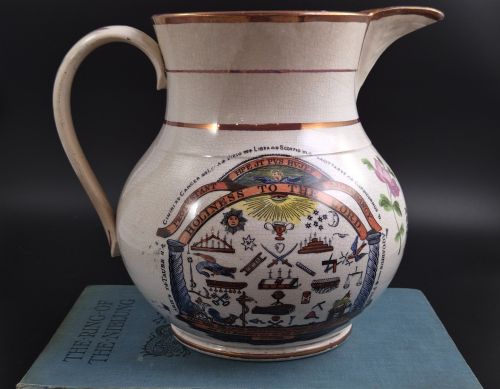
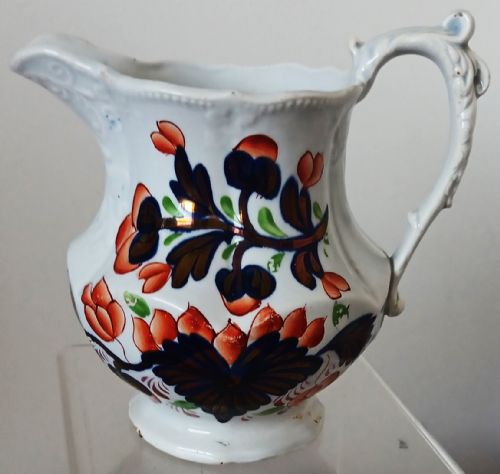
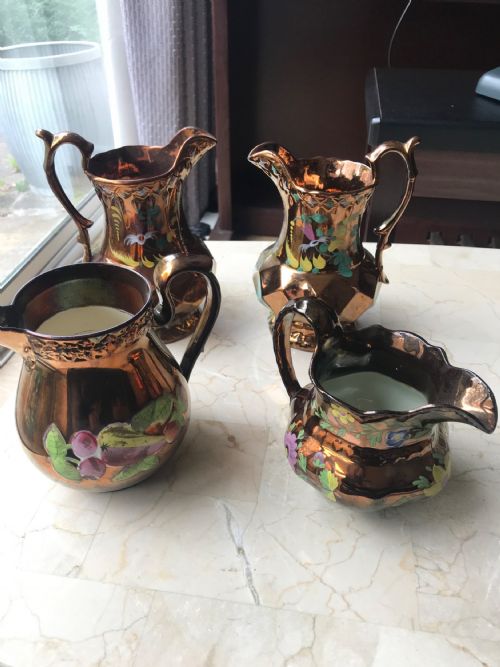
Potters shaped these vessels from earthenware, stoneware, and porcelain, frequently applying coloured glazes, lustre, enamel, and transfer-printed decorations in patterns such as magenta transfer or Gaudy Welsh designs. Earthenware bodies often received hand-painted polychrome finishes or copper lustre applications during the manufacturing process.
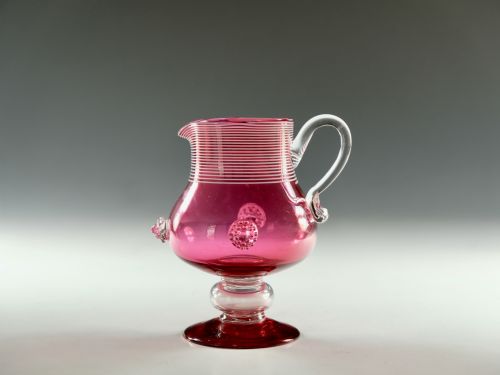
Silver cream pitchers utilised sterling silver shaped through smithing and casting techniques, frequently paired with London or Chester hallmarks dating to the nineteenth century. Glass examples appeared in coloured variations like cranberry glass with contrasting white piping.
Manufacturers utilised specialised moulding techniques for relief-moulded stoneware and stoneware salt-glazed pieces, while factories like Royal Worcester produced blush ivory finishes and gilt highlights.
Victorian Cream Pitcher Retail Price Guide 2026
Typical asking prices for victorian cream pitcher among the pieces listed under this phrase on Sellingantiques today, from the lower quarter to the upper quarter. They describe what is for sale here now, not the wider market.
Listings feature nineteen-century ceramics from Staffordshire, Royal Worcester, and Doulton alongside sterling silver examples hallmarked in London and Chester.
Evaluating quality and execution
Quality separates standard utilitarian wares from exhibition pieces through the crispness of moulded relief work, the precision of hand-painted polychrome details, and the clarity of transfer-printed patterns on ceramic bodies. Superior ceramic jugs display even glaze coverage and careful application of gold leaf or lustre without blurring.
In silver cream pitchers, quality depends on the weight of the sterling silver, the definition of repoussé or chased ornamentation, and the legibility of period hallmarks. Better silver examples maintain structural integrity in handles and spouts while preserving crisp decorative engraving.
Cantagalli Florence·Doulton Lambeth·Royal Worcester·Jones & Walley·Choisy-le-Roi·Sarreguemines
The Victorian Cream Pitcher Glossary
- Cream jug
- A small pitcher designed specifically for holding and pouring cream or milk, commonly found in matching tea sets. These vessels appear in ceramic, porcelain, and silver materials throughout the nineteenth century.
- Ewer
- A large pitcher or jug with a wide spout and a handle, traditionally used for holding water or wine rather than cream. Decorative versions frequently appeared in nineteenth-century ceramic and majolica productions.
- Lustre
- A type of metallic pottery glaze that produces an iridescent sheen, often created with copper or silver applications. This finish appears frequently on nineteenth-century Staffordshire jugs.
- Transferware
- Pottery decorated by applying a printed design from an engraved copper plate onto the ceramic body via tissue paper. This technique allowed for consistent reproduction of complex patterns in colours like magenta and purple.
- Hallmark
- An official stamp applied to precious metals like sterling silver to indicate purity, place of assay, and date of manufacture. British silver items often carry city marks and date letters corresponding to specific assay offices.
Victorian Cream Pitcher: Frequently Asked Questions
What is a victorian cream pitcher used for?
A victorian cream pitcher served primarily during tea service for dispensing milk or cream into cups at the dining table.
Beyond domestic utility, many examples functioned as decorative table pieces or formed part of larger silver and ceramic tea sets.
How do I identify a silver cream jug date?
Silver cream jugs often carry hallmark stamps indicating the assay office, standard of silver, and a specific date letter corresponding to the year of hallmarking.
Comparing the stamped symbols against official hallmarking charts reveals the exact year of production.
What materials are common in these pitchers?
Common materials include earthenware, porcelain, stoneware, and sterling silver, frequently enhanced with glazes, lustre, and enamel.
Some examples incorporate specialised finishes such as cranberry glass or blush ivory ceramics.
How do I distinguish pottery styles?
Pottery styles differ through decorative motifs, such as the moulded relief patterns of stoneware, the transfer-printed scenes of earthenware, and the hand-painted floral motifs of porcelain.
Factory marks and specific colour palettes also help attribute pieces to movements like Art Nouveau or Renaissance Revival.