
Victorian Country Kitchen Chairs
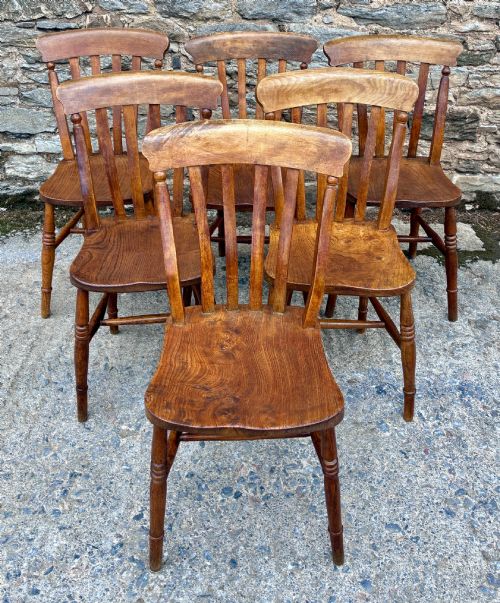
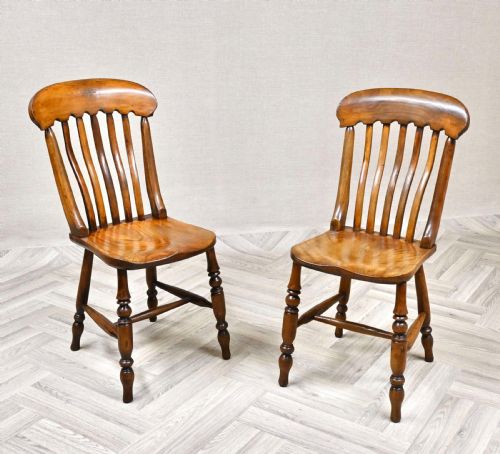
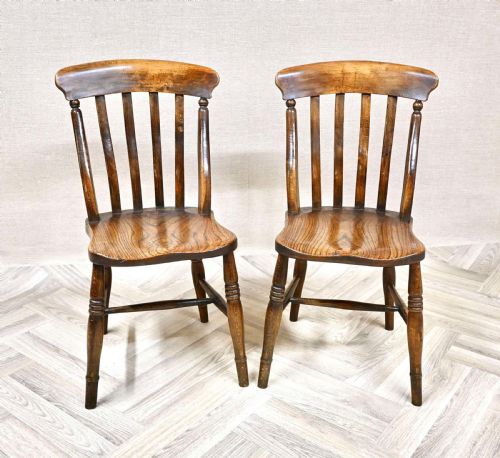
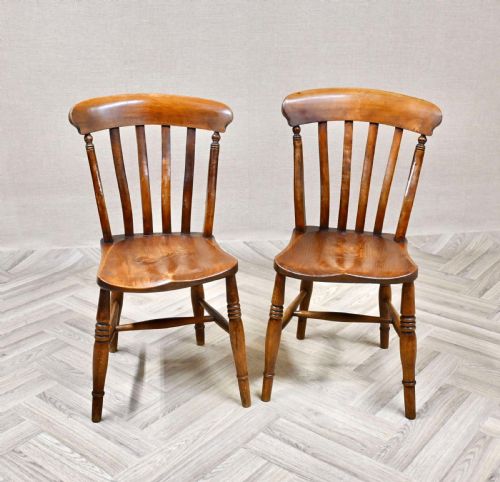
These are Victorian country kitchen chairs, built for domestic service in farmhouses and cottages, and sought after for their honest utility and comfortable character.
Victorian Country Kitchen Chairs
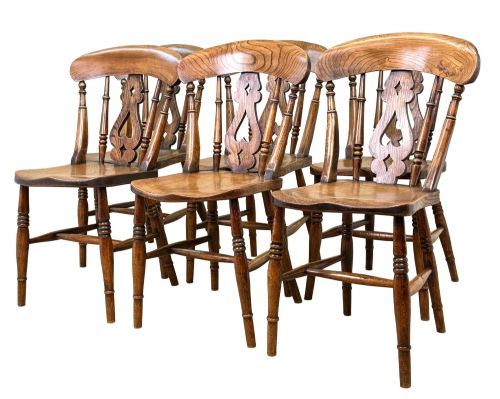
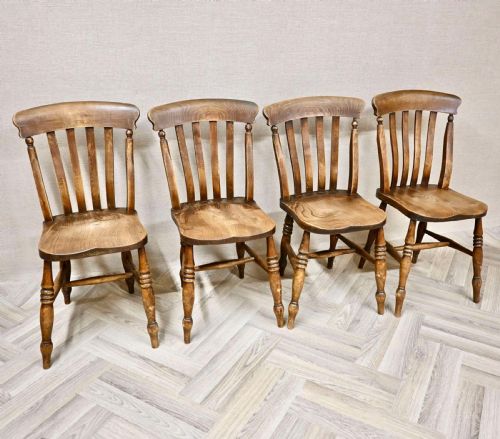
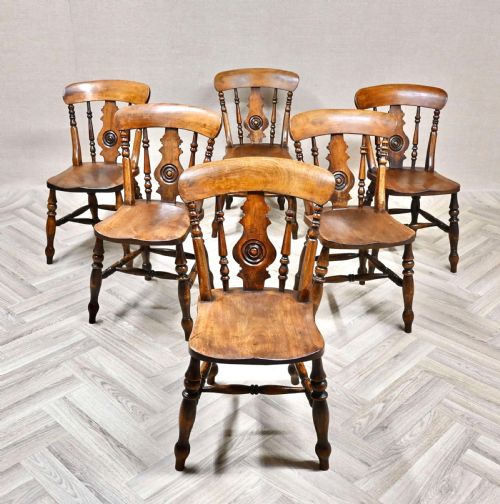
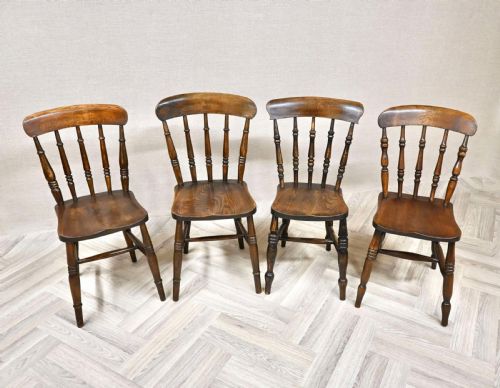
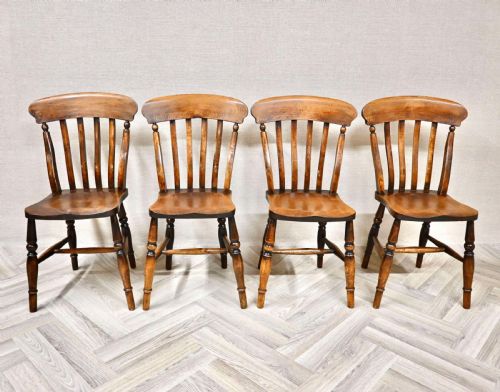
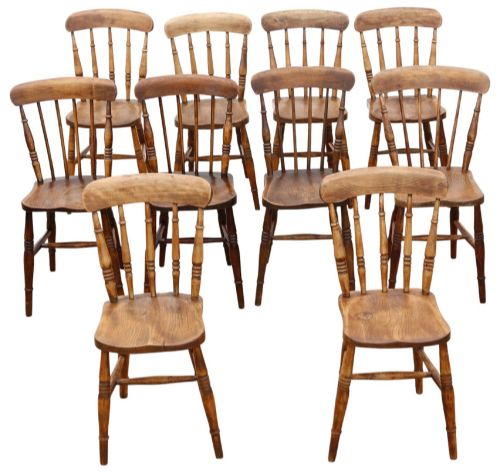
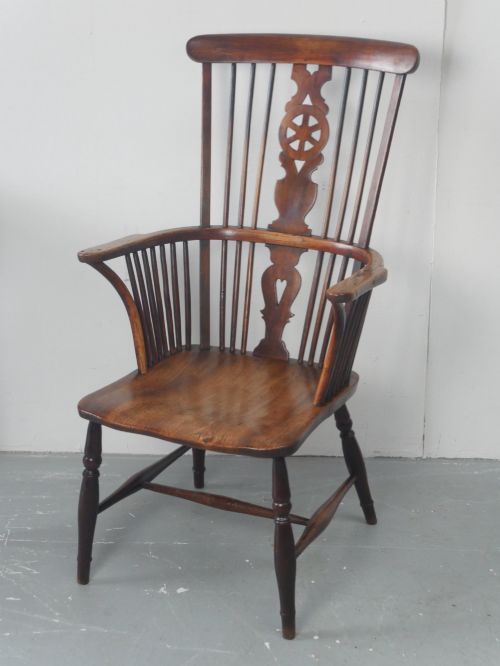
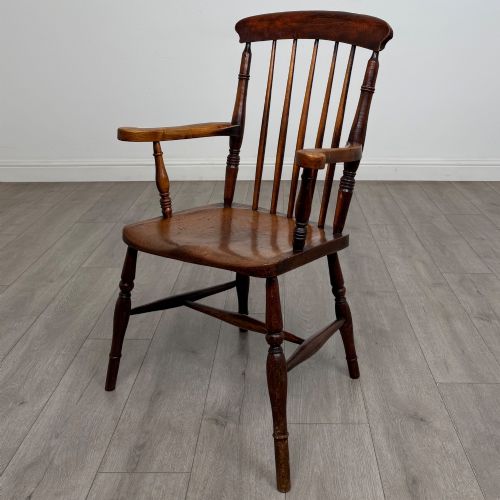
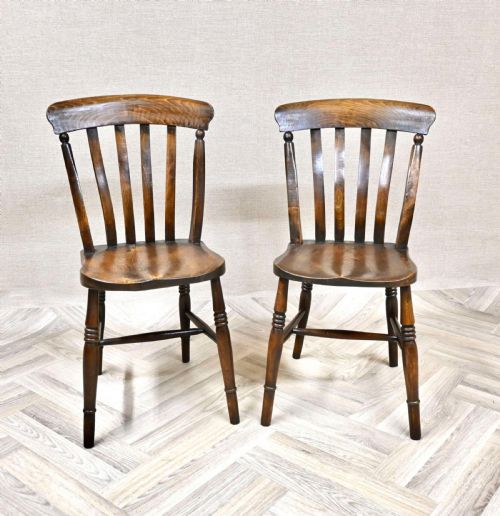
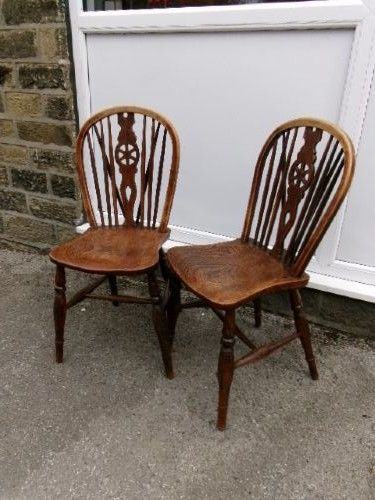
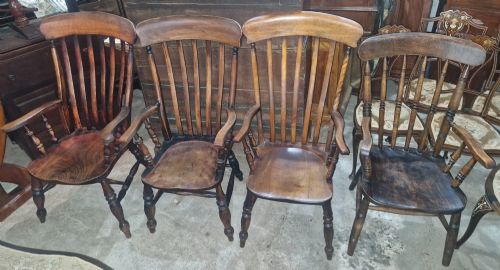
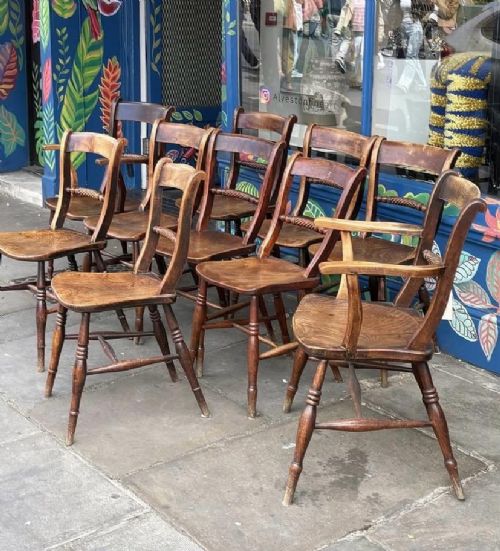
Victorian country kitchen chairs comprise utilitarian seating made for rural homes during the nineteenth century, encompassing forms such as Windsor dining chairs, stick backs, lathbacks, and armchairs. You will frequently encounter sets or pairs shaped by regional traditions, alongside occasional benches, settles, and bar stools.
The construction spans the nineteenth century, including specific decades from the eighteen-fifties through to nineteen hundred, reflecting the enduring domestic requirements of rural households. These pieces range from individual armchairs to large matching or harlequin sets suitable for modern dining spaces.
How They Were Made
Cabinet makers and rural bodgers utilised a combination of native timbers, predominantly pairing solid elm for comfortable, saddle-shaped seats with ash, beech, or oak for bentwood hoops, spindles, and legs. This multi-wood construction provided structural resilience where it was needed most, allowing the timber to withstand decades of heavy daily use.
Turned components were shaped on pole lathes, while steam was applied to bend ash and beech into supportive bow backs and arm rails. Traditional wedged tenon joints secure the uprights directly through the seat plank, creating a rigid frame without relying on metal fixings.
Victorian Country Kitchen Chairs Retail Price Guide 2026
Typical asking prices for victorian country kitchen chairs among the pieces listed under this phrase on Sellingantiques today, from the lower quarter to the upper quarter. They describe what is for sale here now, not the wider market.
Many elm seats still bear the distinct hip-polishing from generations of farmers sitting down to supper.
What Varies in Quality
The distinction between standard utility seating and superior examples lies in the depth and sculpting of the solid elm seat, where generous proportions and deep adze work indicate finer regional craftsmanship. Finer chairs also display balanced proportions in the turned spindles and well-defined carver arm scrolls.
Harlequin sets demonstrate variation in how closely individual chairs match in turning detail and height, whereas uniform sets originating from a single workshop maintain strict consistency in timber selection and joinery execution.
Worksop best model
The Victorian Country Kitchen Chairs Glossary
- Windsor chair
- A wooden chair built with a solid sculpted seat into which the legs and back spindles are separately tenoned. The design relies on a thick plank base for stability.
- Lathback
- A chair back featuring flat wooden slats or laths arranged vertically between the seat and the top rail. This variation offers robust support compared to rounded spindles.
- Harlequin set
- A collection of dining chairs that match in general style, period, and timber but vary slightly in minor details and turning. These sets were often assembled over time rather than purchased as one unit.
- Saddle seat
- An elm seat base scooped and carved into a concave shape resembling a riding saddle. This shaping enhances user comfort during long periods of sitting.
- Stick back
- A chair design where simple turned upright spindles form the backrest rather than a solid central splat. It represents a traditional vernacular framing method.
Victorian Country Kitchen Chairs: Frequently Asked Questions
What woods were used for these chairs?
These chairs were constructed using native British hardwoods chosen for specific structural properties. Elm was commonly selected for seats due to its resistance to splitting.
Ash, beech, and oak provided the strength needed for turned legs, bent hoops, and delicate back spindles.
How do I care for antique kitchen chairs?
Maintaining these wooden chairs requires consistent indoor humidity to prevent timber shrinkage and joint loosening. Regular application of a traditional beeswax feed preserves the natural grain and dry finish.
Avoid placing them near direct heat sources or in conservatories with extreme temperature shifts. Gentle dusting with a soft cloth keeps the surface clean without stripping historic patination.
Are harlequin sets authentic?
Harlequin sets are entirely authentic to how country households acquired and replaced furniture over generations. Families routinely gathered chairs of similar height and regional style around a common table.
These mixed sets offer a visually interesting dining arrangement while retaining genuine nineteenth-century character.
What is the difference between a stick back and a Windsor?
A stick back utilises simple turned spindles inserted directly into the seat plank to form the backrest. The term often describes chairs without a bentwood hoop.
True Windsors incorporate a steam-bent bow or comb rail supported by the central spindles and arm structures above the solid seat.