
Victorian Country Cupboard
A victorian country cupboard brings sturdy, honest utility to domestic storage, forged in timber and designed for everyday service.
Victorian Country Cupboard
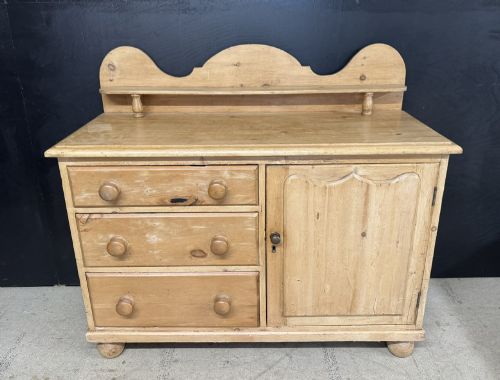
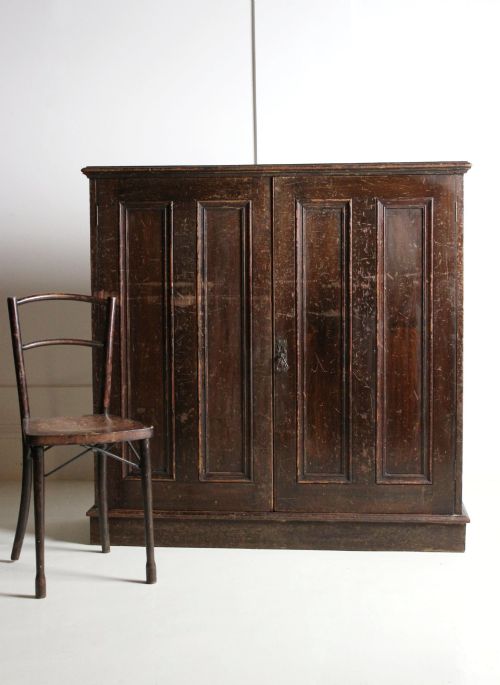
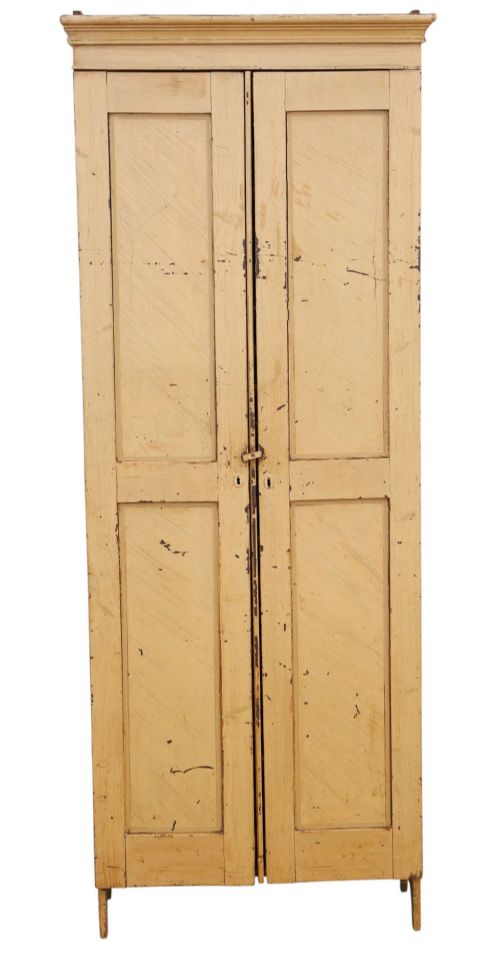
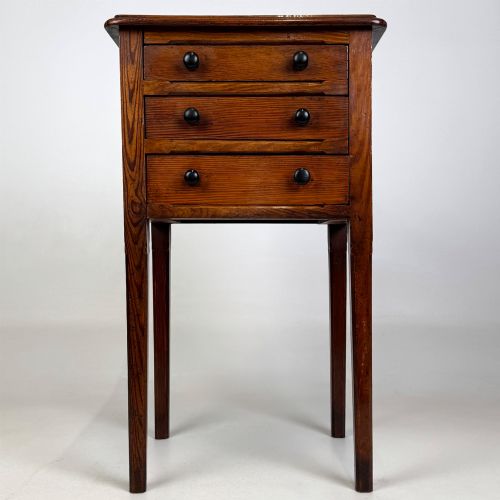
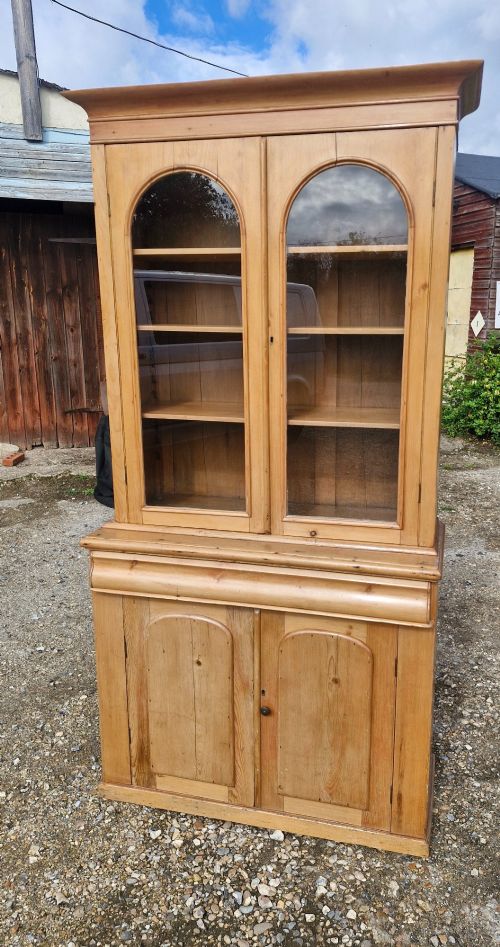
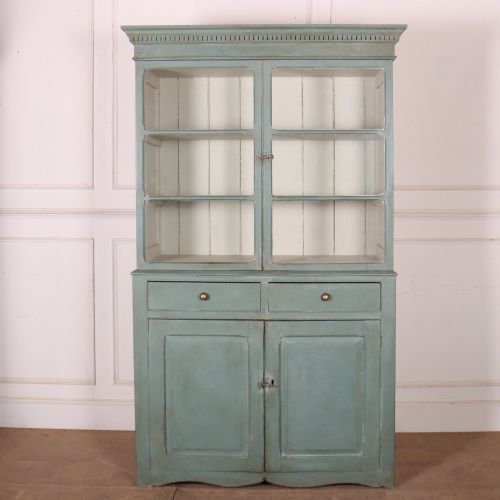
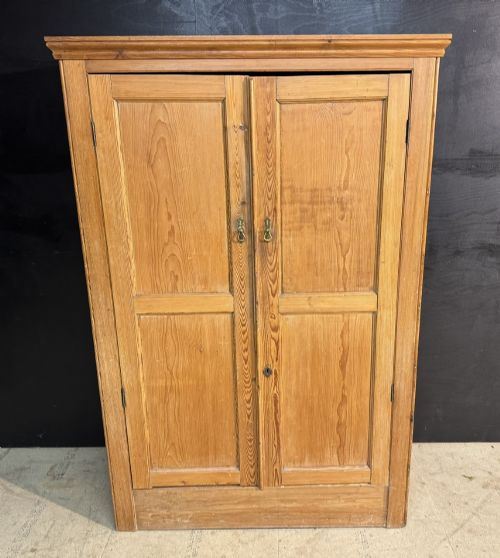
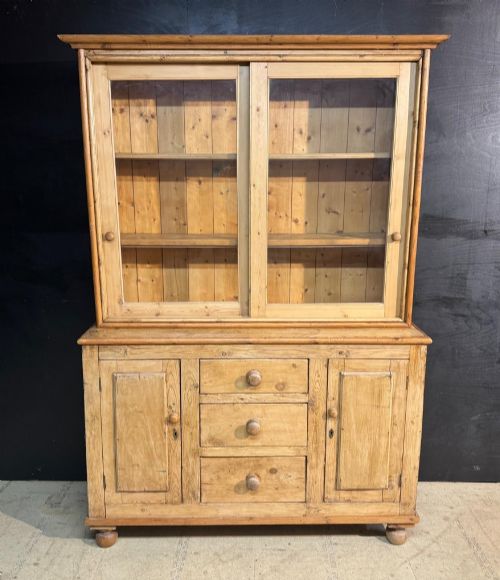
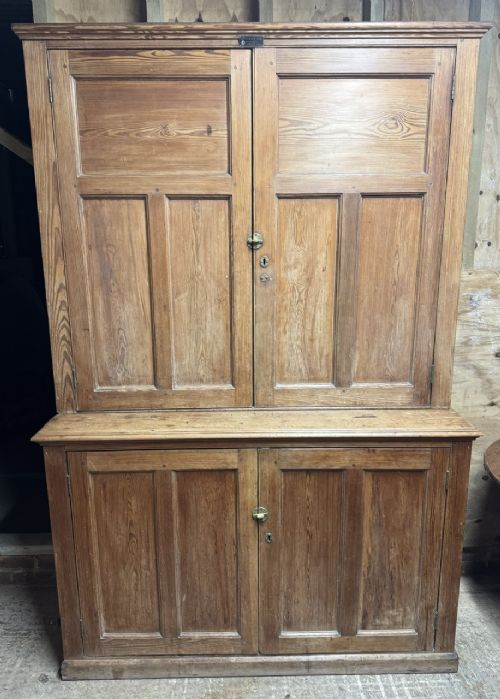
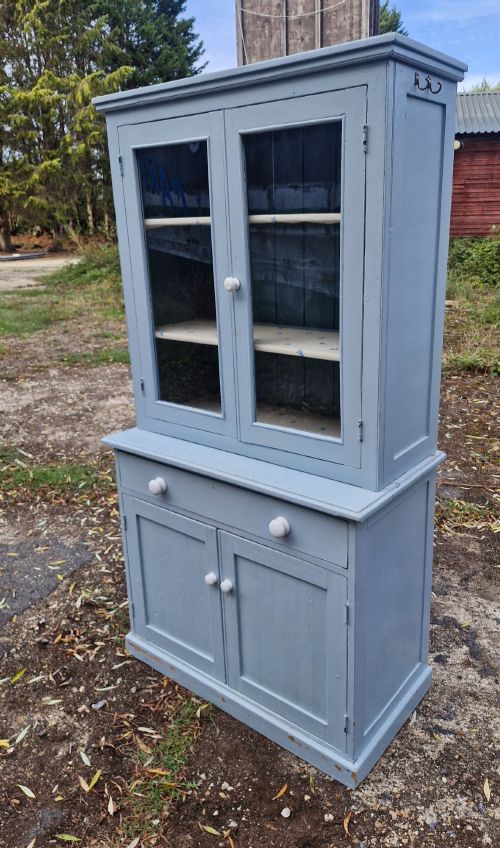
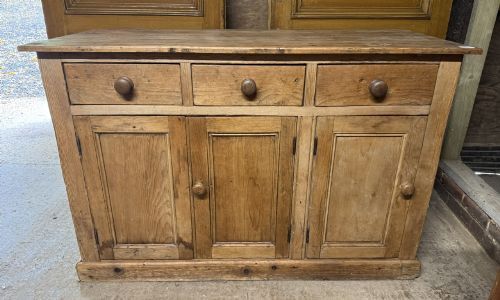
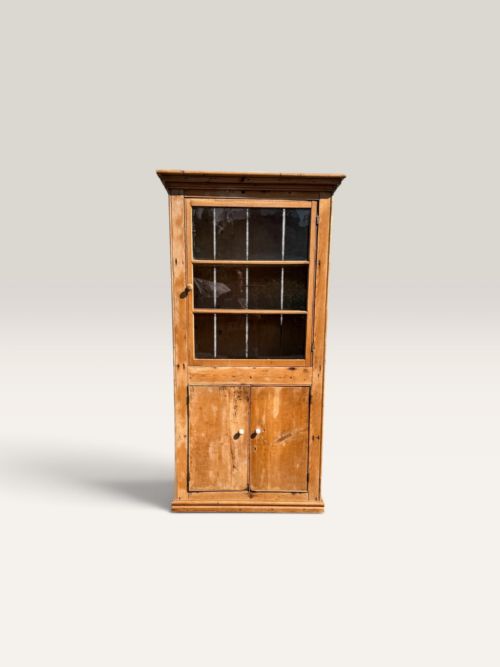
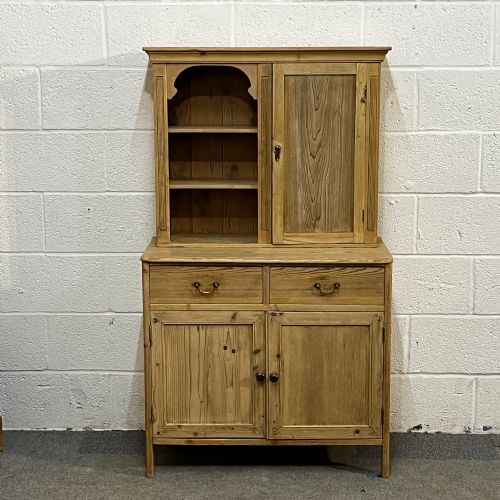
A victorian country cupboard encompasses a broad family of domestic storage, ranging from compact corner cabinets and larder units to towering housekeepers' presses and kitchen dressers. Buyers exploring this category encounter pieces built for practical storage in rural homes, farmhouses, and country estates rather than formal urban drawing rooms.
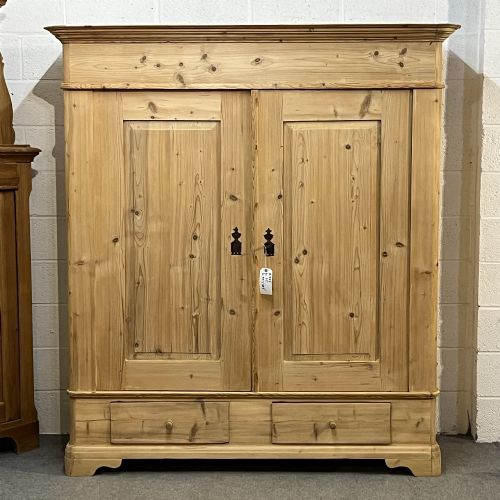
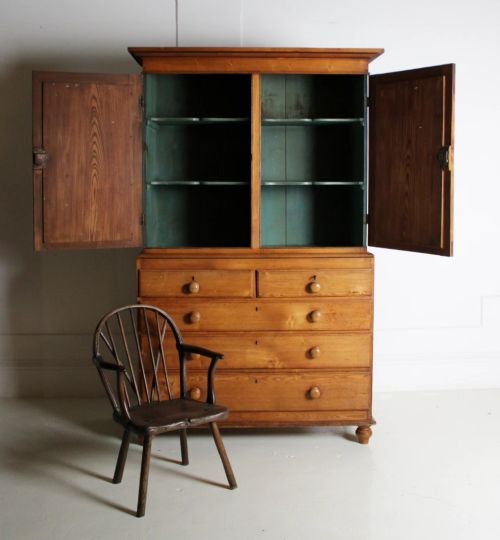
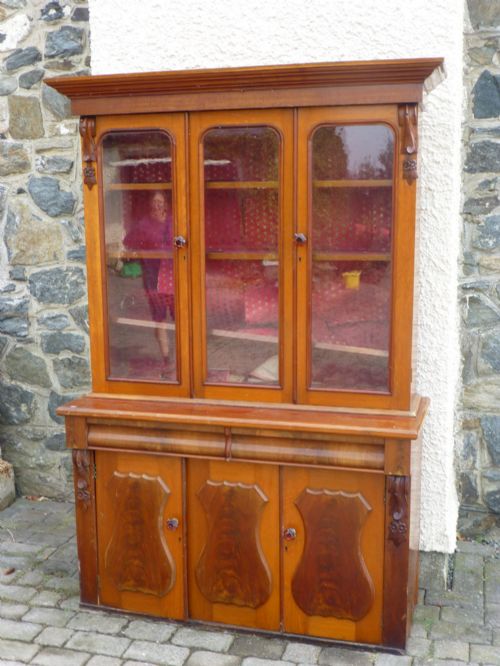
The most common iterations on this page are pine kitchen cupboards and dressers, often featuring two-part construction or glazed upper sections. Examples frequently display regional vernacular traits, such as Scottish or Welsh formatting, alongside functional additions like drawers, hooks, or food ventilation panels.
Form follows strict utility in these utilitarian articles, meaning most survivors served as food safes, linen stores, or kitchen larders. Their enduring appeal lies in straightforward proportions and honest, unpretentious joinery that suits contemporary country interiors.
Materials and construction
Makers relied heavily on softwoods and regional hardwoods, with pine dominating the inventory alongside sections of oak, pitch pine, ash, and mahogany. Surfaces often received coats of paint, scumble finishes, or plain wax to protect the timber against daily wear in busy kitchens and utility spaces.
Construction methods prioritize durability over delicate ornamentation, utilising robust framing, pegged joints, and dovetailed drawers designed to withstand heavy loads. Hardware typically consists of brass or iron handles, hinges, and latches secured to heavy panelled doors.
Listings feature pine and oak predominantly, alongside pitch pine, ash, and mahogany across 19th-century regional variants.
Assessing quality
Quality rests upon the integrity of the original surfaces and the degree of structural survival. Pieces retaining untouched paint, scumble effects, or honest early wax finishes command greater respect than those stripped down to bare wood multiple times.
Proportion and utility drive distinction, as well-balanced double wardrobes and multi-tier dressers demonstrate thoughtful regional craftsmanship. Alterations to feet, cornices, or interior shelving directly influence the character of each cabinet.
The Victorian Country Cupboard Glossary
- Pine
- A softwood commonly used for carcases and shelving in utilitarian furniture. It accepts paint and wax finishes readily.
- Pitch pine
- A dense, resinous softwood featuring prominent grain patterns. It provides exceptional durability for heavy-duty kitchen and larder furniture.
- Scumble paint
- A decorative surface technique involving translucent glaze dragged over a base coat to simulate finer wood grains. It protects the underlying timber while adding visual texture.
- Larder cupboard
- A tall storage unit designed for food preservation, frequently incorporating ventilated panels or wire mesh. These pieces kept provisions cool and protected from pests.
- Dresser base
- The lower portion of a kitchen dresser, usually comprising a bank of drawers above cupboard doors. It provided a sturdy workspace and essential lower storage.
Victorian Country Cupboard: Frequently Asked Questions
What rooms suit a country cupboard?
These versatile pieces integrate easily into modern kitchens, boot rooms, and living areas where sturdy storage is required. Their honest proportions anchor a room without overwhelming the floor space.
Larger wardrobe and linen press variations also provide substantial bedroom or hallway storage for linens and garments.
How do I care for wax finishes?
Maintain waxed pine and oak surfaces by applying a traditional beeswax paste sparingly and buffing with a soft cloth. This preserves the moisture in the timber and maintains a soft sheen.
Avoid placing these pieces near direct heat sources or strong sunlight, which can dry out the historic wood and cause panel shrinkage.
Are these cupboards easy to move?
Many larger wardrobes and tall dressers feature knockdown construction with pegged joints or dismantling frames designed for transport. This historic engineering allows awkward pieces to be disassembled safely for relocation.
Smaller corner cabinets and single-door cupboards remain solid and move as single units without requiring dismantling.
How do I spot original paint?
Original paint surfaces show natural craquelure, subtle edge wear, and multiple microscopic layers consistent with age. Under magnification, the paint integrates into the grain rather than sitting as a modern flat film.
Stripped pine has often lost its historic coatings, so look for remnants of early colour inside rebate joints and corners.