
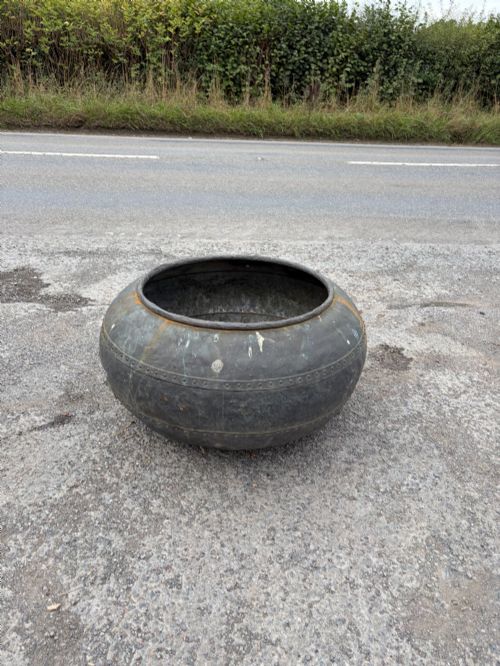
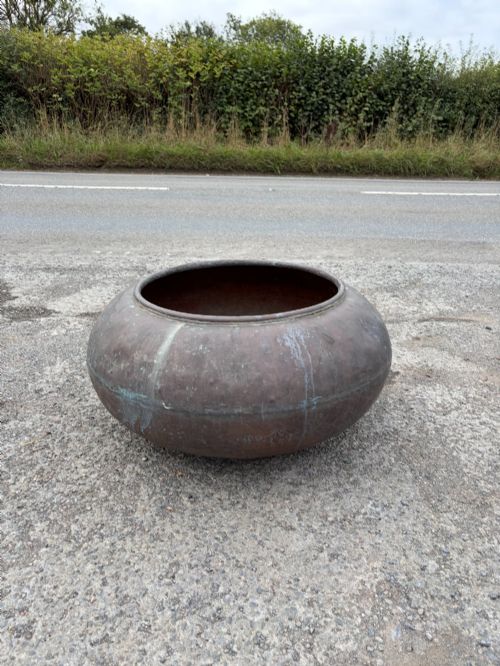
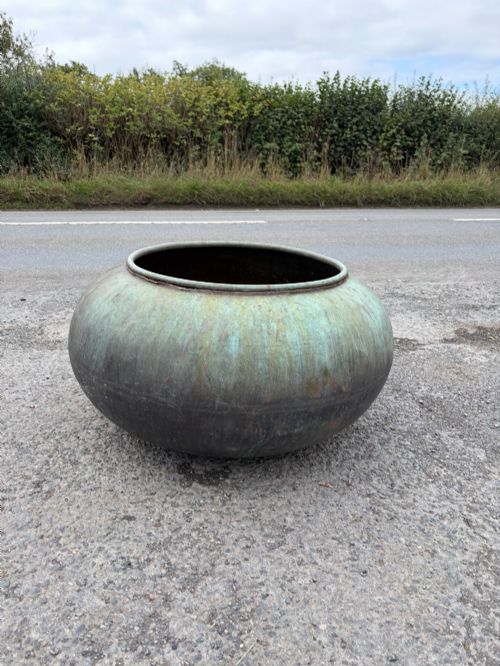
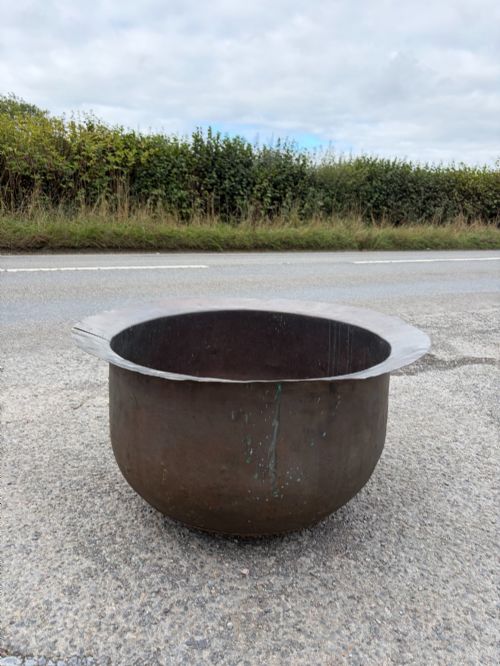
Victorian Copper Vessel
These robust victorian copper vessel examples bring honest utility and rich warmth to domestic spaces.
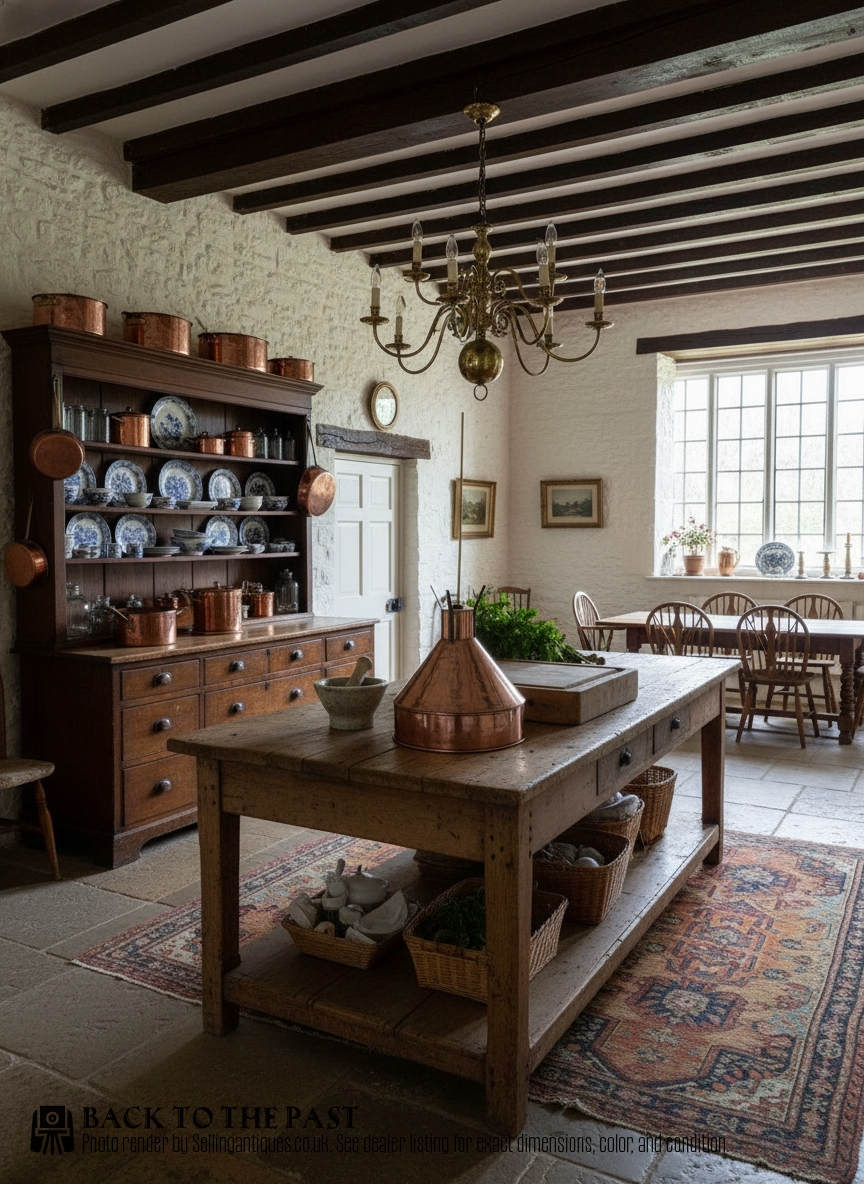
Victorian Copper Vessel
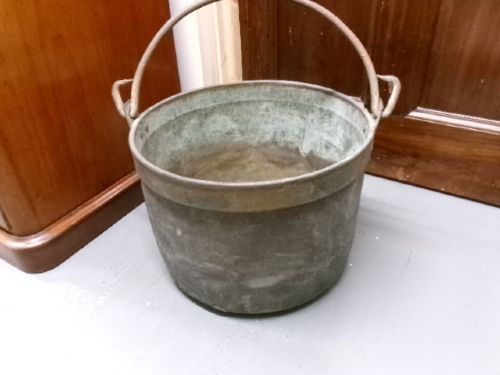
A victorian copper vessel encompasses utilitarian items produced during the nineteenth century, including pots, cauldrons, kettles, and coal buckets. Buyers searching for a victorian copper vessel encounter heavy domestic containers designed originally for kitchen work, laundry, or hearthside fuel storage.
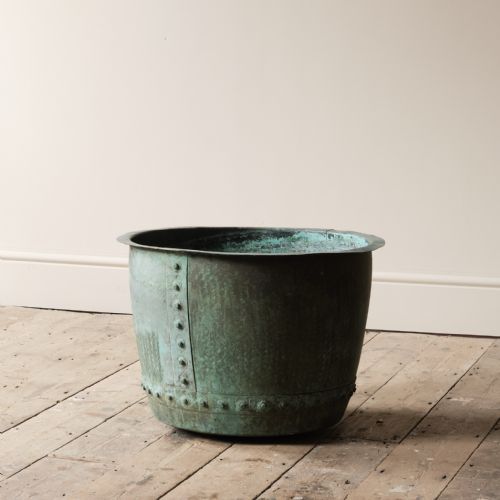
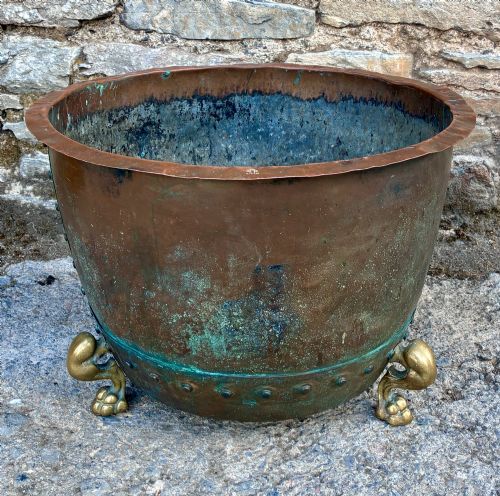
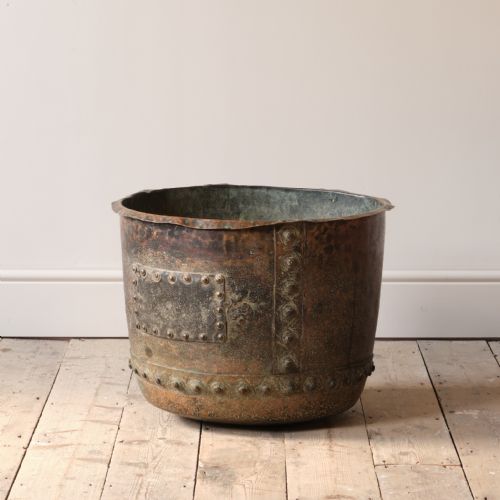
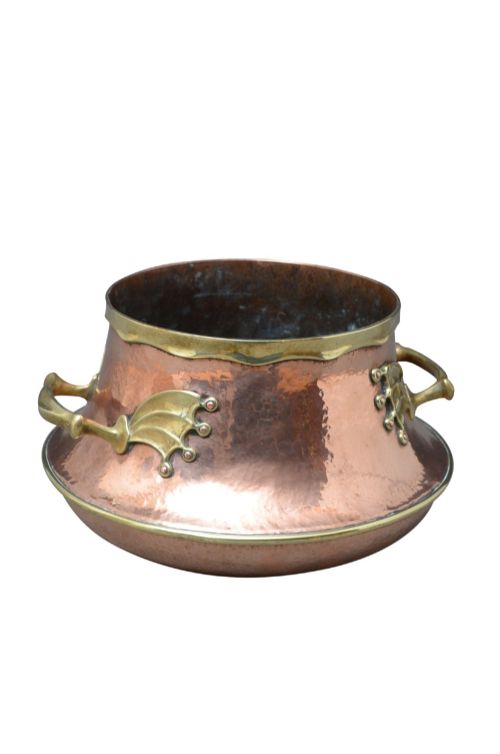
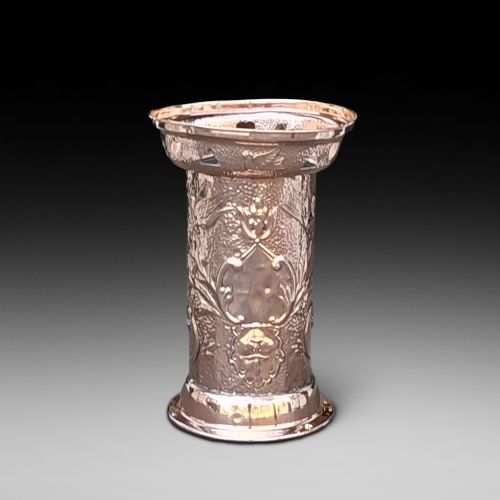
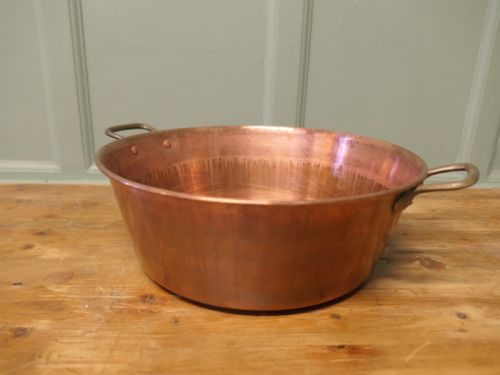
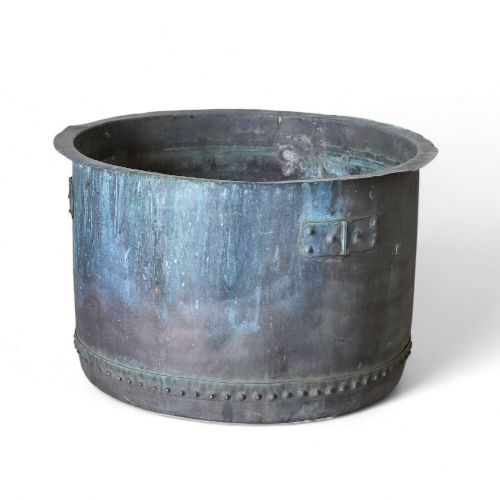
The selection on this page leans heavily toward large utilitarian forms like jam pans, wash tubs, and log bins alongside decorative jardinières and umbrella stands. Pieces span the Victorian period into the early twentieth century, showing straightforward English country and utilitarian construction.

How they were made
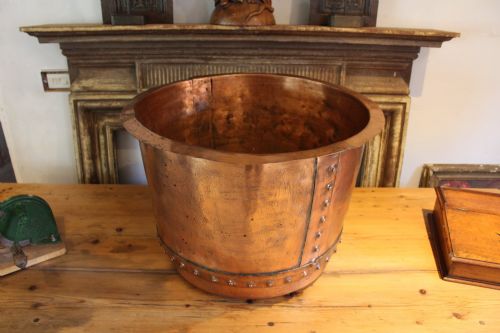
Makers fashioned these vessels primarily from sheet copper, often joining heavy plates with hand-driven rivets to withstand daily use over fires or in damp washhouses. Wrought iron and brass provided sturdy handles, swing bails, and structural reinforcement where strength mattered most.
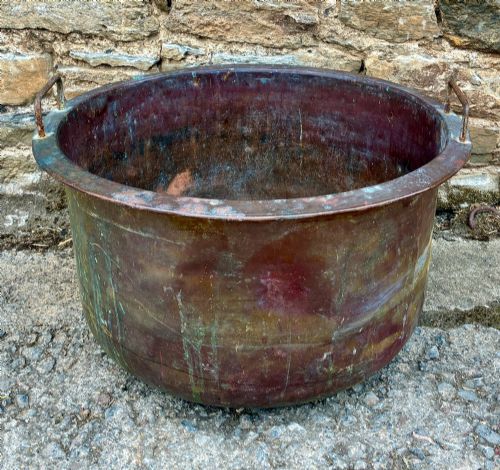
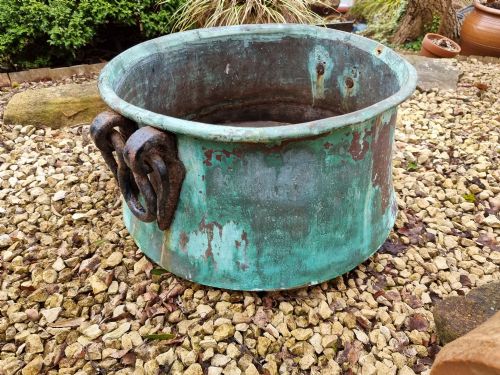
Secondary materials like oak appear in coopered buckets and umbrella stands, combining timber staves with metal bands. Surfaces display natural patination, hammering marks, and occasional verdigris, recording decades of handling and atmospheric exposure.
Victorian Copper Vessel Retail Price Guide 2026
Typical asking prices for victorian copper vessel among the pieces listed under this phrase on Sellingantiques today, from the lower quarter to the upper quarter. They describe what is for sale here now, not the wider market.
Listings include nineteenth-century copper alongside oak, wrought iron, and ceramic components.
What varies in quality
Quality rests in the weight of the metal gauge and the integrity of the original construction, such as tightly spaced hand-riveting and sound dovetail seams on pans. Thicker copper walls resist denting and hold their structural form better through generations of heavy use.
The presence of maker details, well-forged iron swing handles, and balanced proportions elevate certain examples above standard utilitarian ware. Surface character also plays a part, where undisturbed age patina and genuine wear distinguish better-preserved specimens.
William Soutter And Sons·Benetfink And Co·Hodges And Sons
The Victorian Copper Vessel Glossary
- Jardiniere
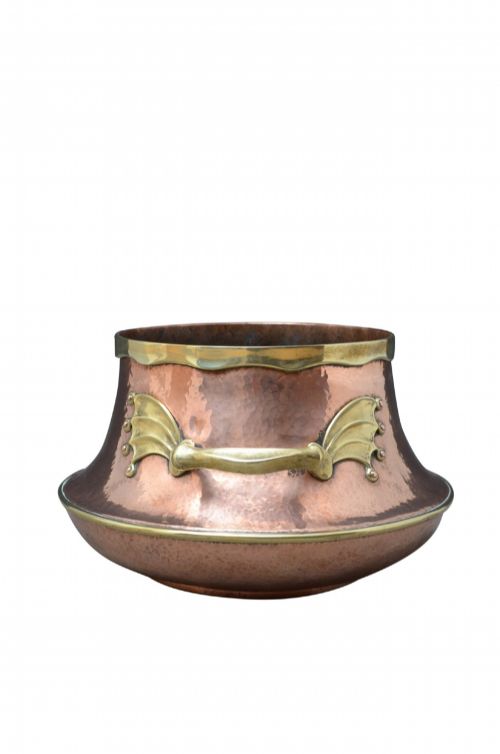
- An ornamental pot or stand for holding plants or flowers. These vessels often incorporate brass handles or decorative detailing.
- Samovar
- A heated metal container traditionally used to boil water for tea. Victorian examples in copper frequently feature intricate taps and internal heating tubes.
- Verdigris
- A green patina formed naturally on copper and brass through atmospheric oxidation. This surface layer indicates considerable age and exposure to moisture.
- Coopered
- Constructed from wooden staves bound together with metal hoops, much like a traditional barrel. Oak umbrella stands and coal buckets often utilise this technique.
- Pontypool Ware
- A type of British lacquered metalware produced from the eighteenth century onward. Pieces often display dark grounds finished with metallic dusts.
Victorian Copper Vessel: Frequently Asked Questions
How do I clean a victorian copper vessel?
Wash the surface gently with warm soapy water and a soft cloth to remove everyday dust and grime. Avoid harsh chemical polishes that strip away the historical patina accumulated over the nineteenth century.
Leave the natural oxidation undisturbed if you prefer an honest antique appearance. Light maintenance preserves the metal without removing the character earned through generations of domestic service.
Were these vessels used for cooking?
Many heavy items, such as jam pans, boiling pots, and kettles, served direct culinary purposes over open hearths or coal ranges. The thick copper construction distributed heat evenly for preserving fruit or heating water.
Other forms like coal buckets, wash tubs, and umbrella stands remained strictly in the domestic sphere for chores and fuel management.
Can I use these planters outdoors?
Sturdy copper pots and jardinières tolerate outdoor conditions well because the metal resists deep corrosion through its natural protective layer. Drainage holes are absent in most original pieces, so placing a smaller potted plant inside protects the antique wall.
Sheltered garden spots or patios highlight the verdigris surface finish effectively. Freezing water trapped inside unlined vessels can stress old riveted seams during winter.
How do I date a copper vessel?
Examine the construction methods, such as hand-driven copper rivets, dovetailed base seams, and wrought iron handle attachments typical of nineteenth-century workshop production. Stamped maker names or registered design marks offer precise attribution when present.
Styles shifted from plain utilitarian kitchenware toward decorative Arts and Crafts or Art Nouveau forms as the century progressed into the nineteen hundreds.