


Traditional Copper Pitcher
These traditional copper pitcher pieces bring enduring warmth to a room, forged from heavy metal to serve practical daily needs.
Traditional Copper Pitcher
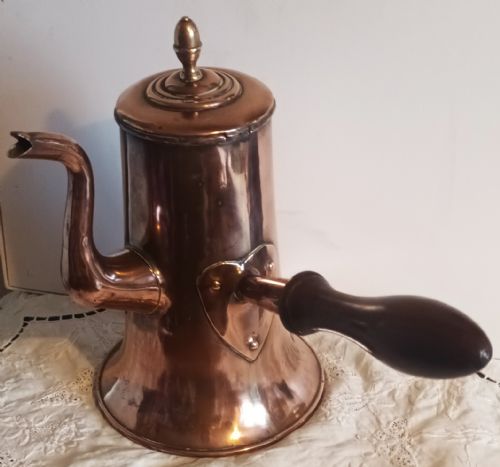
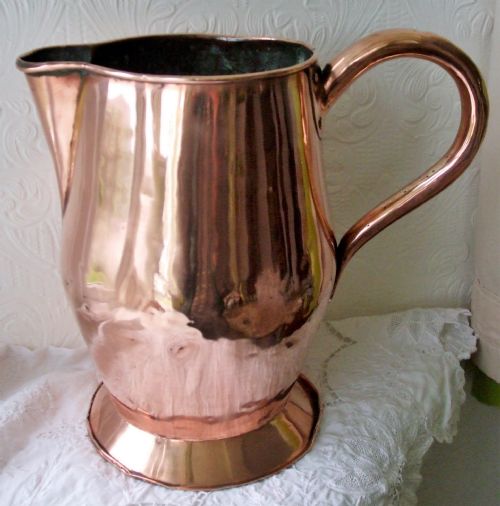
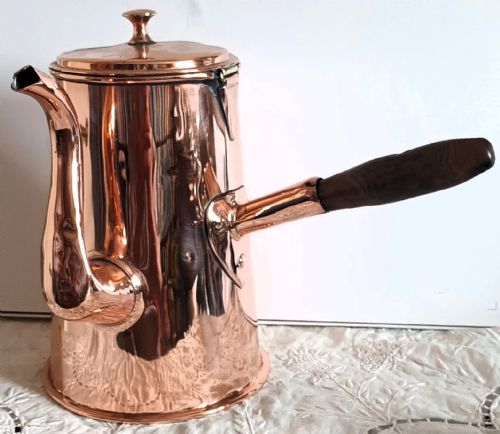
A traditional copper pitcher encompasses utilitarian liquid containers, coffee pots, tavern measures, and watering cans spanning the Georgian and Victorian eras. Buyers seeking a traditional copper pitcher encounter heavy metal vessels originating from English workshops, Ottoman regions, and Middle Eastern makers.
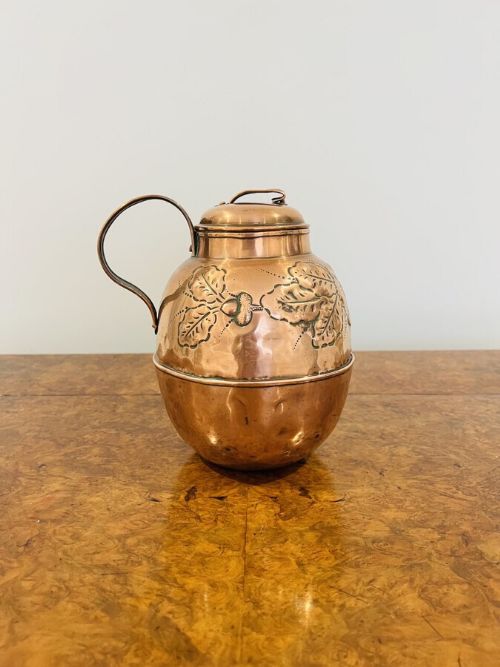
The selection ranges from small Jersey cans and modest two-pint jugs to colossal eighteenth-century lidded pitchers and massive four-gallon measuring vessels. Many examples reflect provincial domestic use, tavern service, or formal coffee preparation through robust spouts and sturdy handles.
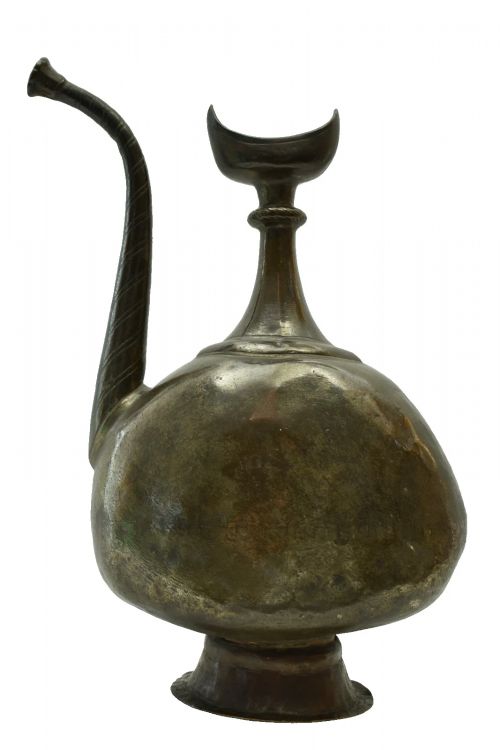
Geographic origins and stylistic traditions shape the profile of each traditional copper pitcher on the page. Pieces cross from plain domestic service items to ornamented Ottoman ewers featuring distinct finials and Middle Eastern coffee pots.
Materials and construction
Makers formed each traditional copper pitcher using heavy sheet metal, joining seams with precision to contain liquids safely for daily use. Brass components frequently appear on handles, rims, and finials, providing a contrasting golden tone against the warm metallic body.
Surface finishes vary from polished metal to aged patinas developed through years of utility. Certain forms incorporate tin linings on the interior to prevent interaction with contents, alongside bronze or brass additions for structural support.
Listings feature copper, brass, bronze, and earthenware materials across Georgian and Victorian periods.
Distinctions in quality
Quality rests in the weight of the metal and the integrity of the seamed construction, showing how well a vessel was built to handle heavy loads of liquid. Superior examples display clean joins, balanced proportions, and well-formed spouts that maintain their structural form.
The presence of maker marks, VR verification stamps, or refined brass attachments elevates a piece above standard utilitarian ware. Artisanal touches such as ornate finishing on handles and finials separate basic vessels from distinguished examples.
J. Bower
The Traditional Copper Pitcher Glossary
- Jersey can
- A distinctive cylindrical metal container with a narrow neck and long spout, traditionally used for storing and pouring dairy products.
- Haystack measure
- A tall, tapered liquid measure with a flared base, commonly produced in brass or copper during the nineteenth century.
- Aftaba
- An Islamic ewer featuring a slender spout and handle, traditionally used for ritual washing or serving water.
- Tavern measure
- A standardised liquid container utilised in public houses to gauge and serve ale or spirits accurately.
- Finial
- A decorative terminal element positioned on the lid of a coffee pot or pitcher, often cast in brass or bronze.
Traditional Copper Pitcher: Frequently Asked Questions
What were traditional copper pitchers used for?
These vessels served diverse roles ranging from household water carriage and coffee service to measuring ale in busy public taverns. Large capacity jugs handled heavy domestic chores while smaller cans managed dairy or water.
Over time, many of these utilitarian containers transitioned into decorative display items within homes, appreciated for their warm metallic surfaces and historical utility.
How do I date an old copper pitcher?
Dating relies on examining construction methods, such as hand-beated seams, dovetailing, and the style of the handle attachments. Georgian examples often display simpler, robust proportions while Victorian pieces frequently include capacity stamps or VR markings.
Comparing the form and manufacturing style against documented periods helps establish a reliable timeframe for the origin of the piece.
How should I clean copper decor?
Maintaining these metal vessels simply involves dusting with a soft cloth to preserve the natural patina built up over decades. Aggressive polishing removes the aged surface that collectors value.
If cleaning is necessary, mild soapy water removes surface grime without stripping the historic character from the exterior metal.
Are these pitchers safe for liquids?
Many older vessels feature internal tin linings designed to prevent direct contact between beverages and the reactive copper body. Evaluating the interior condition determines whether a piece remains suitable for holding liquids today.
Most buyers choose to display these historic containers as decorative objects rather than utilising them for daily kitchen service.