


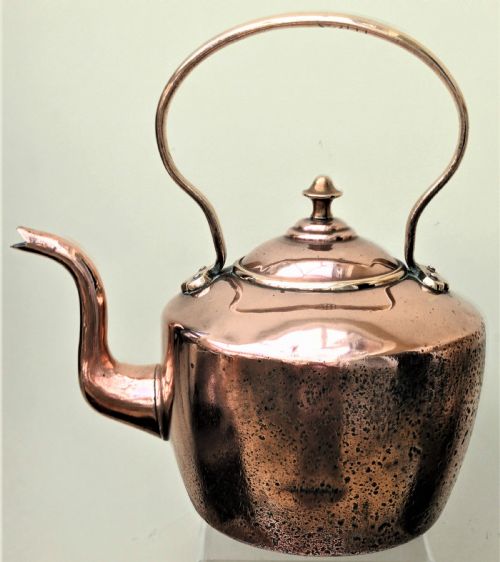


Victorian Copper Metalware
Victorian copper metalware brings warmth and utility into a room, offering heavy kettles, samovars, and measures forged during the nineteenth century.
Victorian Copper Metalware
Victorian copper metalware encompasses practical domestic vessels and decorative items made primarily during the nineteenth century. Buyers seeking victorian copper metalware will encounter utilitarian items such as kettles, samovars, measures, and jugs alongside decorative vessels influenced by revival and regional styles.
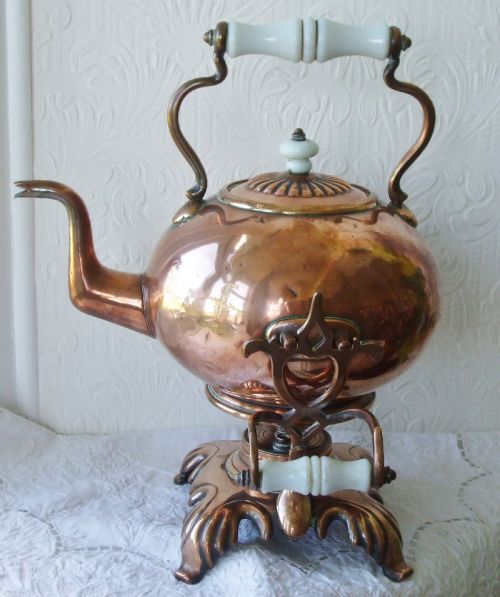
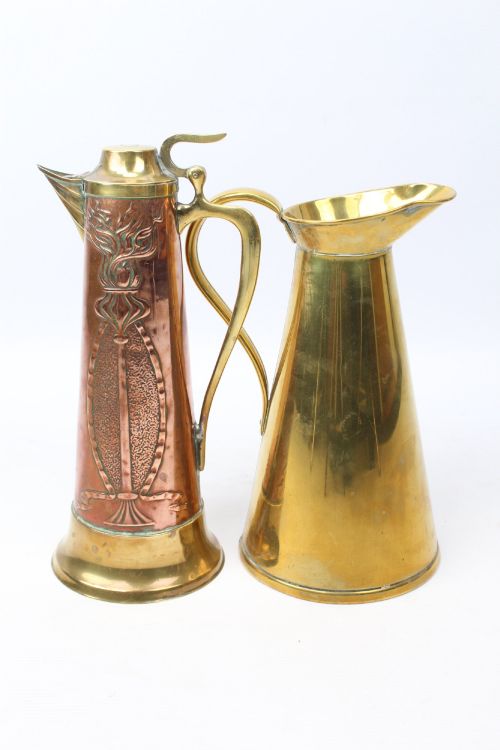
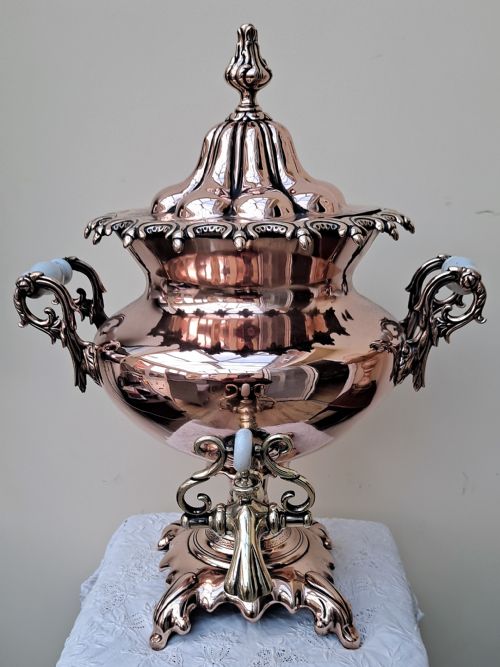
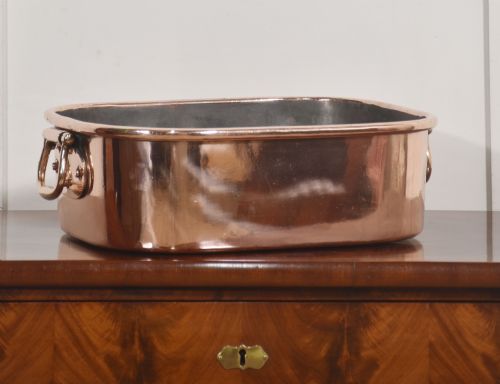
Kettles and samovars dominate the selection, often paired with brass handles or stands for heating water. Measures and jugs display the straightforward utility required in nineteenth century households, while bowls and chargers introduce engraved or mixed metal decoration from Persian, Mamluk Revival, and Anglo-Indian traditions.
How they were made
The objects recorded in these listings rely primarily on copper, frequently combined with brass for handles, spouts, and feet. Tin lining appears inside cooking and water vessels to prevent contact with the copper, while wood and bone provide insulation for handles on kettles and samovars.
Makers shaped sheet copper through hammering and joining, sometimes applying japanning or engraving for surface pattern. The integration of mixed metals in cairoware and engraved Persian chargers demonstrates specialist metalworking techniques distinct from plain domestic utility wares.
Victorian Copper Metalware Retail Price Guide 2026
Typical asking prices for victorian copper metalware among the pieces listed under this phrase on Sellingantiques today, from the lower quarter to the upper quarter. They describe what is for sale here now, not the wider market.
Recorded styles range from Victorian and Arts and Crafts to Mamluk Revival, Anglo-Indian, and Persian.
What varies in quality
Quality in these pieces rests upon the integrity of construction and the weight of the metal. Heavier gauges of copper resist denting and maintain structural stability across large vessels like tea urns and fish kettles.
Refinement in surface finishing and assembly separates standard utilitarian items from finer examples. Dovetailed or brazed seams executed with precision and handles secured firmly to the body indicate superior craftsmanship.
Benetfink And Co London
The Victorian Copper Metalware Glossary
- Samovar
- A heated metal container traditionally used to boil water for tea. These large urns often incorporate internal chimneys and spigots.
- Ale muller
- A specialised vessel designed for heating ale by being placed directly into hot embers. The long handle kept the user safely away from the fire.
- Japanned metal
- Metal finished with a heavy, glossy black or dark resinous varnish mimicking Asian lacquer work. Pontypool ware is a well known British example of this technique.
- Cairoware
- Metalware decorated with intricate Islamic geometric patterns, frequently inlaid with silver or brass into a copper or alloy base. This style gained popularity during the nineteenth century.
- Measure
- A standardised container used for dispensing liquids by volume. Graduated sets show multiple sizes nesting together for convenience.
Victorian Copper Metalware: Frequently Asked Questions
What is a copper samovar used for?
A copper samovar served as a central vessel for heating water rapidly in nineteenth century domestic settings. Hot water remained accessible throughout the day for tea preparation.
These pieces sat on tables or sideboards, combining decorative presence with practical daily utility.
How do I clean antique copper?
Antique copper requires gentle cleaning to preserve the natural patina built up over generations. Mild soapy water and soft cloths remove surface dust without stripping the character.
Avoid harsh chemical polishes that strip away the aged surface entirely and leave the metal unnaturally bright.
Are these items safe for boiling water?
Kettles and samovars intended for water heating generally feature original internal tin linings. This layer prevented direct contact between the water and the copper.
Inspecting the interior condition helps determine whether a vessel remains suitable for functional use today.
What is Pontypool ware?
Pontypool ware refers to Japanned metal items produced using specific varnishing techniques developed in Wales. The dark glossy finish provided a durable and decorative surface for tea urns.
This tradition represents a distinct branch of nineteenth century British metalworking.
How do I date a copper kettle?
Dating relies on construction methods, handle materials, and the shape of the body. Earlier nineteenth century examples often feature hand-hammered seams and distinctive brass mountings.
Comparing the proportions and manufacturing details to dated pieces clarifies the likely period of origin.