
Victorian Copper Log Bucket
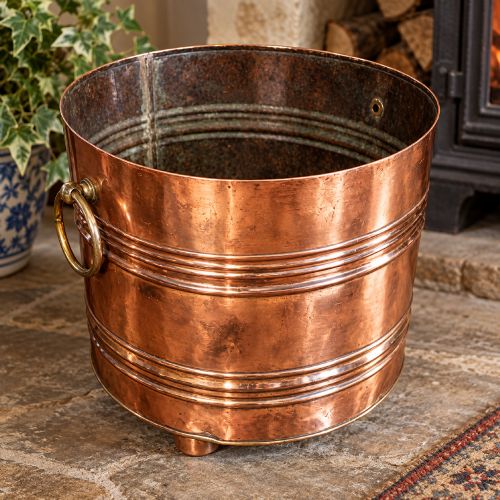
When you search for a victorian copper log bucket, you are looking at substantial hearth vessels built to hold heavy fuel beside nineteenth-century fires.
Victorian Copper Log Bucket
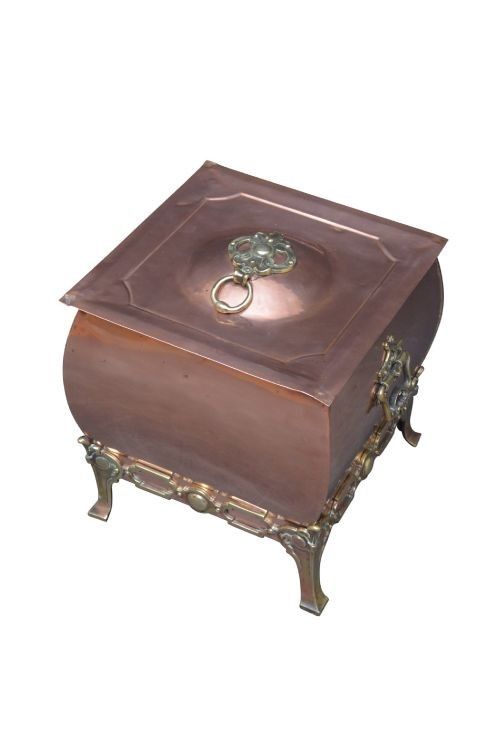
A victorian copper log bucket combines heavy metal construction with domestic utility, designed to sit beside the hearth and hold wood or coal for the fire. The pieces seen on this page span the nineteenth century, including specific dates from eighteen-fifty to nineteen-twenty, alongside broader Victorian and Arts and Crafts styles.
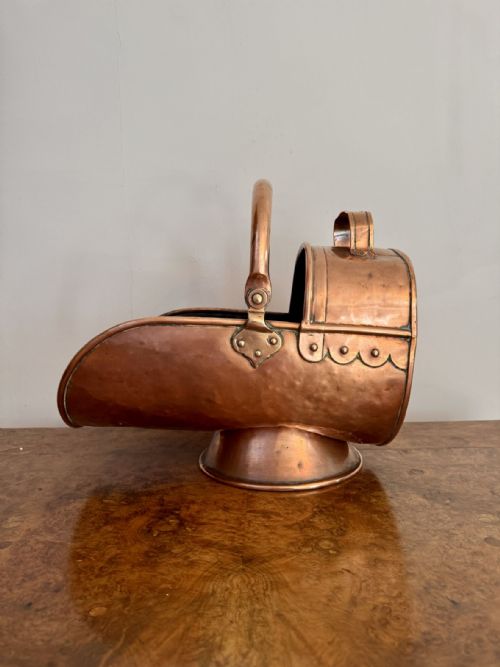
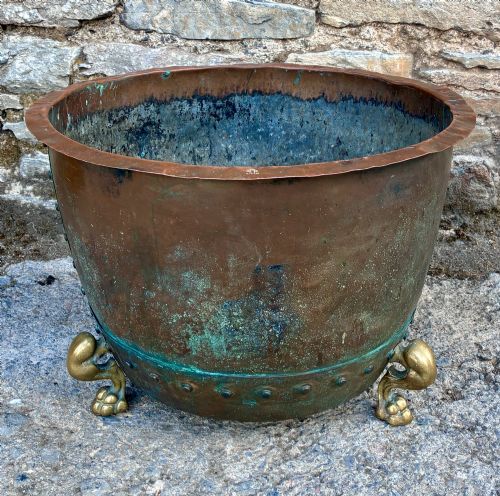
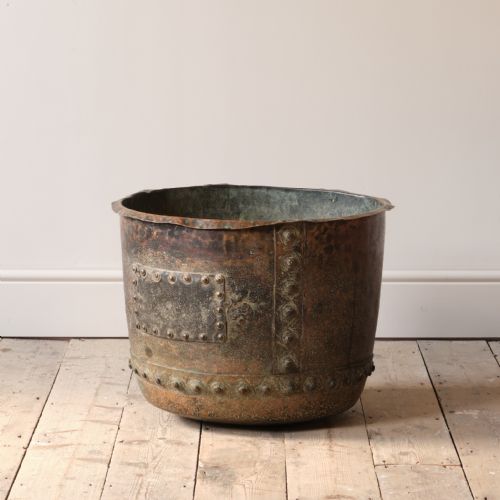
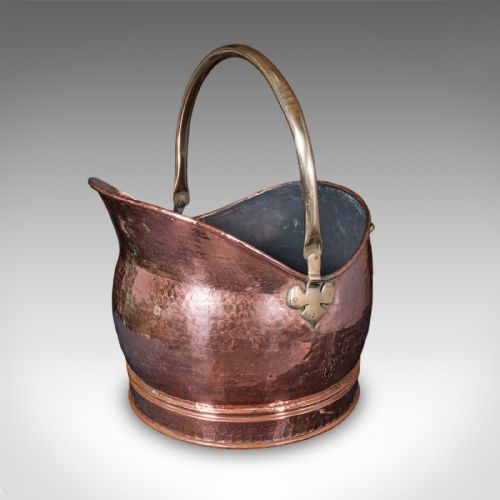
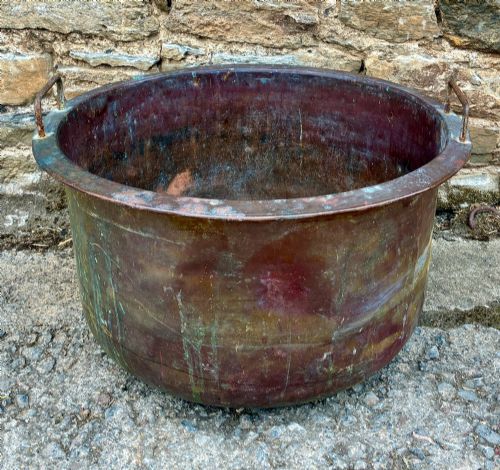
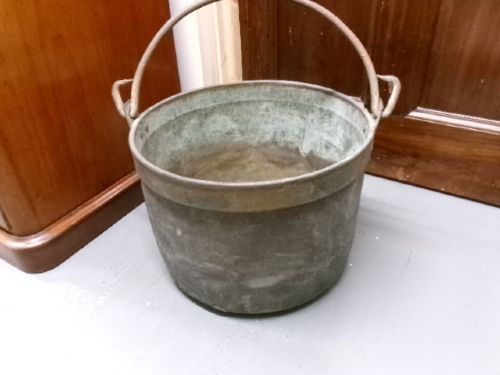
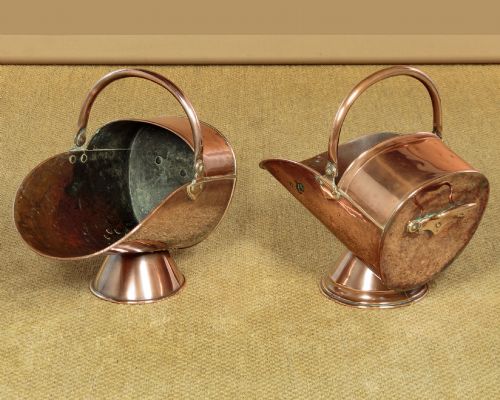
Beyond traditional coal buckets and scuttles, these items frequently double as planters, jardinieres, and large cauldrons with swing handles. Forms range from helmet scuttles and riveted bins to rounded wash tubs and grain measures repurposed for fireside use.
How They Were Made
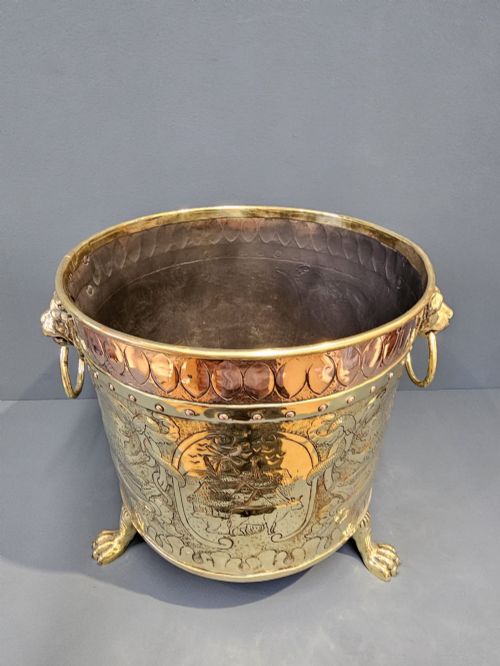
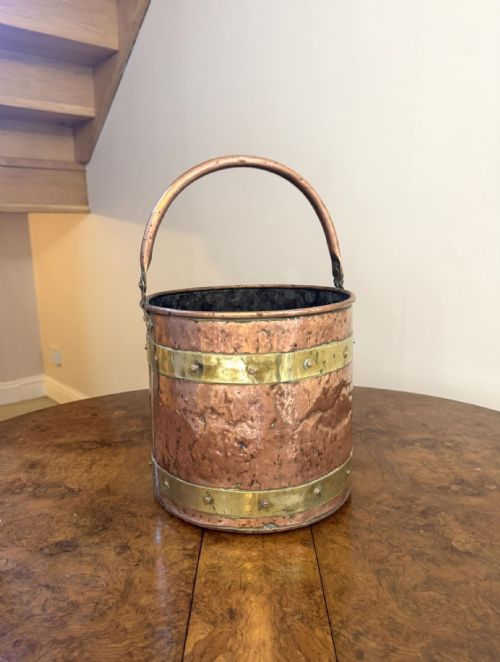
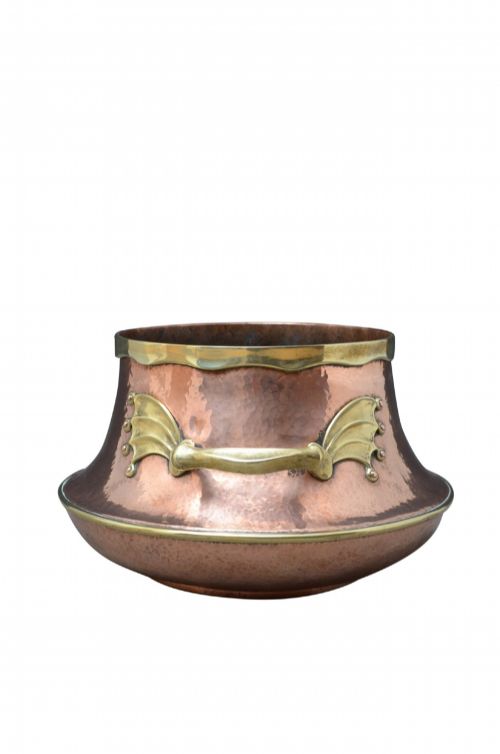
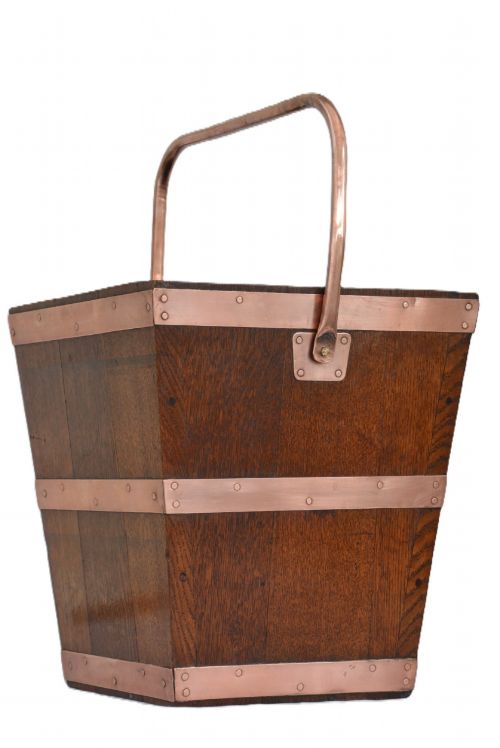
Makers shaped these sturdy vessels primarily from sheet copper, often incorporating brass bands, handles, and feet for contrast and structural reinforcement. Wrought iron and oak appear frequently in handles and internal framing, adding rigidity to containers meant to hold heavy loads of timber.
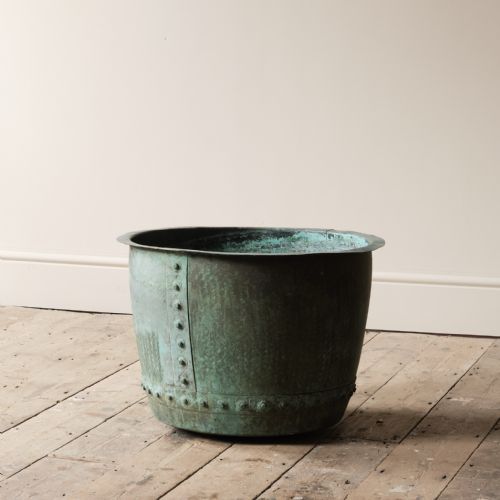
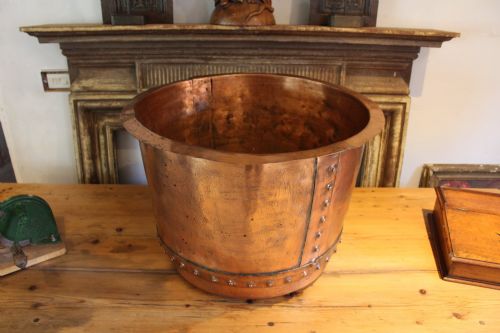
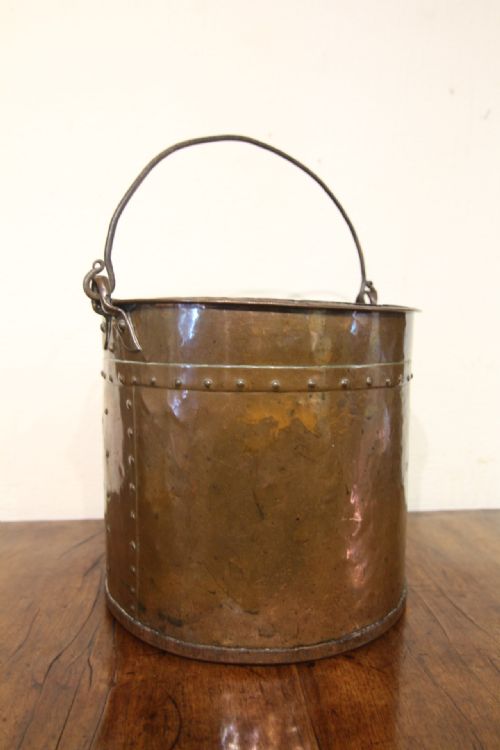
Construction techniques recorded in the evidence include hand-beating, hammering, and structural riveting that joins the heavy metal plates together. Many examples feature hand-finished details, embossed brass elements, or swing handles secured by robust iron mounts.
Victorian Copper Log Bucket Retail Price Guide 2026
Typical asking prices for victorian copper log bucket among the pieces listed under this phrase on Sellingantiques today, from the lower quarter to the upper quarter. They describe what is for sale here now, not the wider market.
Several heavy copper grain measures from the nineteenth century now spend their retirement quietly holding logs.
What Varies in Quality
The distinction between standard utility vessels and superior examples lies in the weight of the metal and the complexity of the hand-finishing. Heavier gauge copper, substantial brass mountings, and crisp hammering separate high-end decorative pieces from ordinary utilitarian containers.
Integrity of construction also dictates distinction, visible in the neatness of the riveting, the solidity of the wrought iron handles, and the survival of matching brass or copper components. Pieces that retain their original form without excessive distortion or thinning of the metal plate represent the upper tier of the range.
The Victorian Copper Log Bucket Glossary
- Helmet scuttle
- A fireside bucket featuring a high-back rim and a pointed lip designed for pouring coal cleanly into a grate. This sloping shape distinguishes it from straight-sided cylindrical log bins.
- Riveted
- A method of joining sheet metal plates by passing metal pins through overlapping sections and hammering the ends flat. This technique provides the robust industrial strength required for heavy fuel containers.
- Jardiniere
- An ornamental pot or stand intended for holding plants and flowers indoors. Many large copper vessels originally built for fireside fuel find a second life in this decorative role.
- Cauldron
- A large rounded pot, usually featuring a swing handle for suspension or carrying. These deep vessels are frequently forged from heavy copper with wrought iron attachments.
Victorian Copper Log Bucket: Frequently Asked Questions
Were these buckets meant for logs or coal?
Historical evidence shows these copper vessels served multiple hearth functions, holding both heavy logs and granular coal depending on their specific depth and rim shape.
Many examples function equally well as fireside storage bins or as large decorative planters and jardinieres within the home.
How do I clean an antique copper bucket?
Most collectors prefer to leave a warm, aged patina on nineteenth-century copper rather than polishing it to a bright shine.
Gentle washing with warm soapy water removes accumulated dust without stripping the historic surface character that comes from age.
Are brass and copper original together?
Nineteenth-century makers frequently combined copper bodies with contrasting brass bands, handles, and paw feet to highlight the decorative qualities of the metal.
These mixed-metal accents were standard practice during the Victorian and Arts and Crafts periods rather than later alterations.